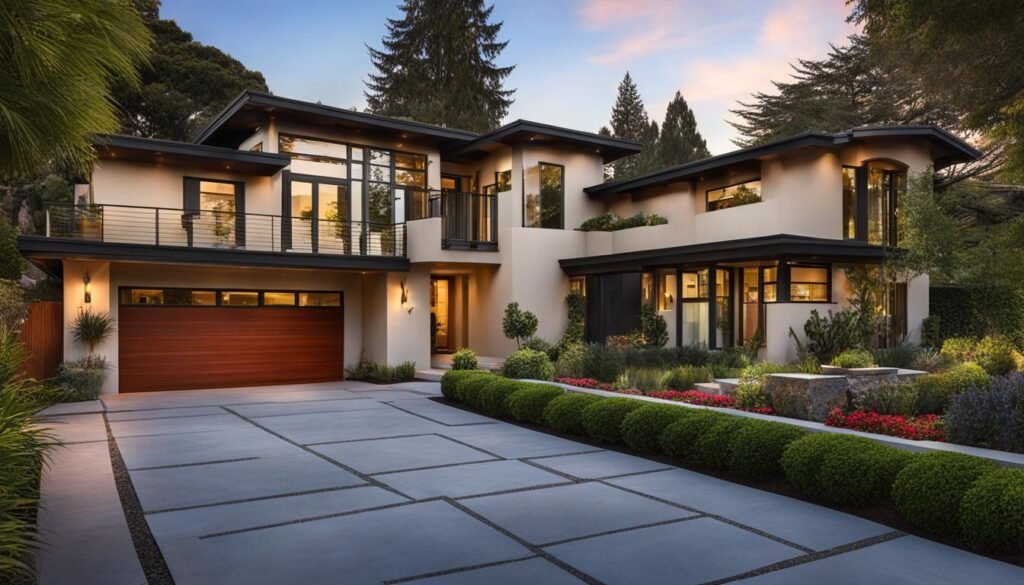
Santa Monica is the westside’s walkable beach city, and that location is the whole story: you are paying for the pier, the bike path, the blocks to the sand, and the schools, all inside Los Angeles County but with a small-city feel. The market is expensive and moves fast, so the useful framing is what you get at each price level and what to verify before you offer. Here is a practical look at homes for sale in Santa Monica.
What the housing stock looks like
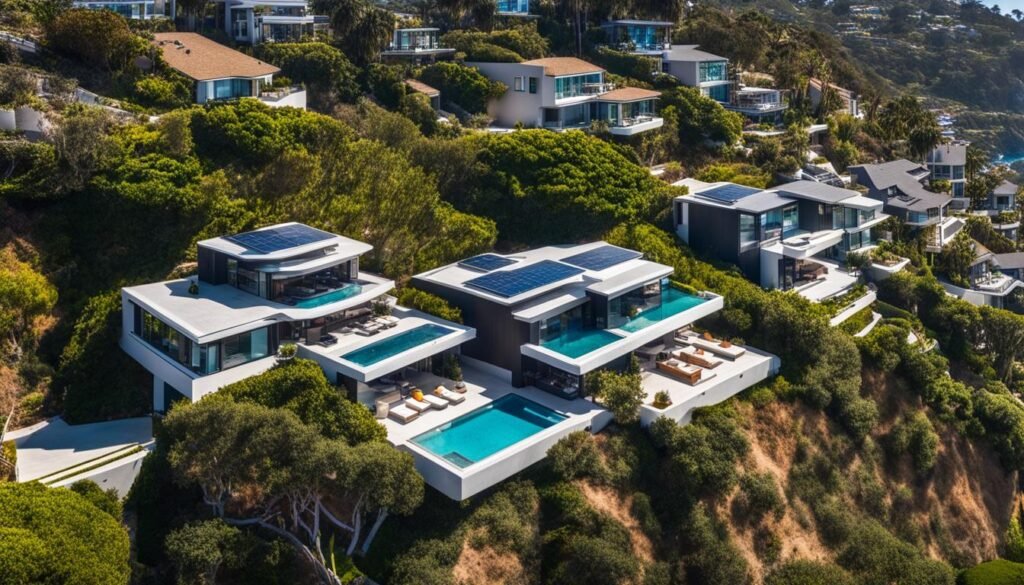
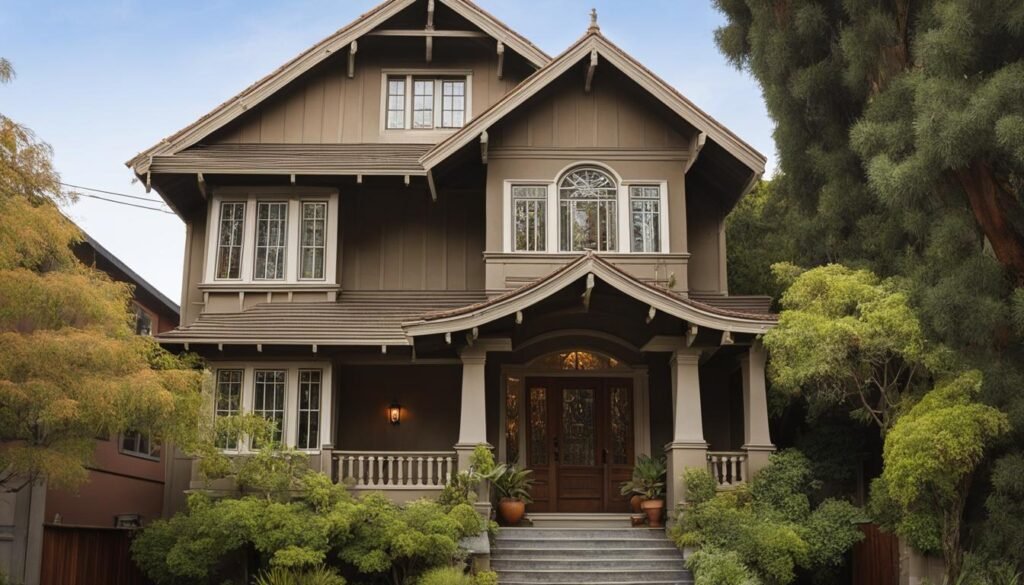
Santa Monica is not one type of home. The core has post-war bungalows and cottages near the pier and Montana Avenue, historic Craftsman and Spanish homes in the north of the city, and a fair number of condos and townhouses near downtown and the Expo/Bundle line. New contemporary builds exist but are rare and priced at the top. A “ranch-style home” is less common here than in the San Fernando Valley, so weigh the description against what is actually on the lot.

The luxury tier and the beach
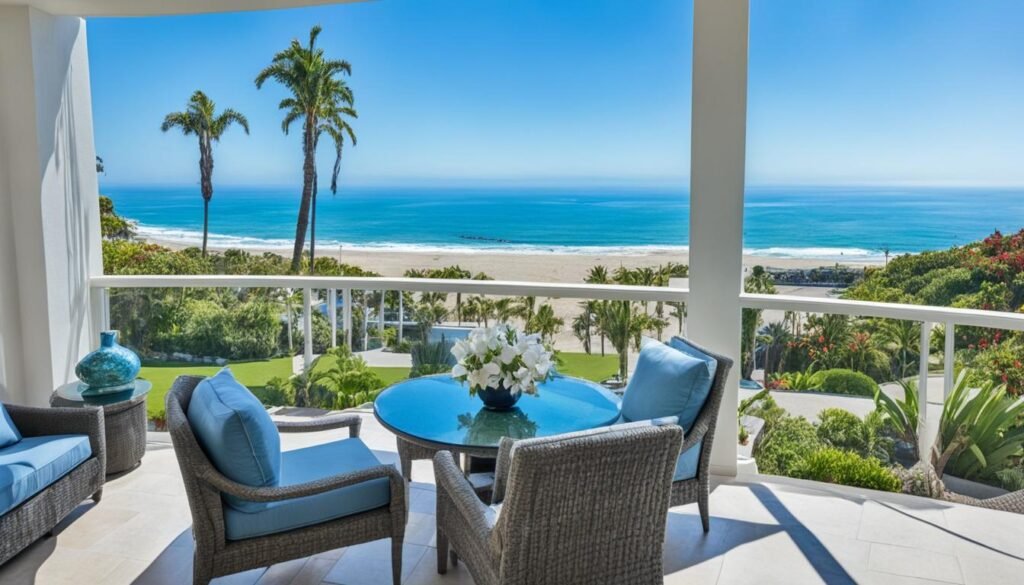
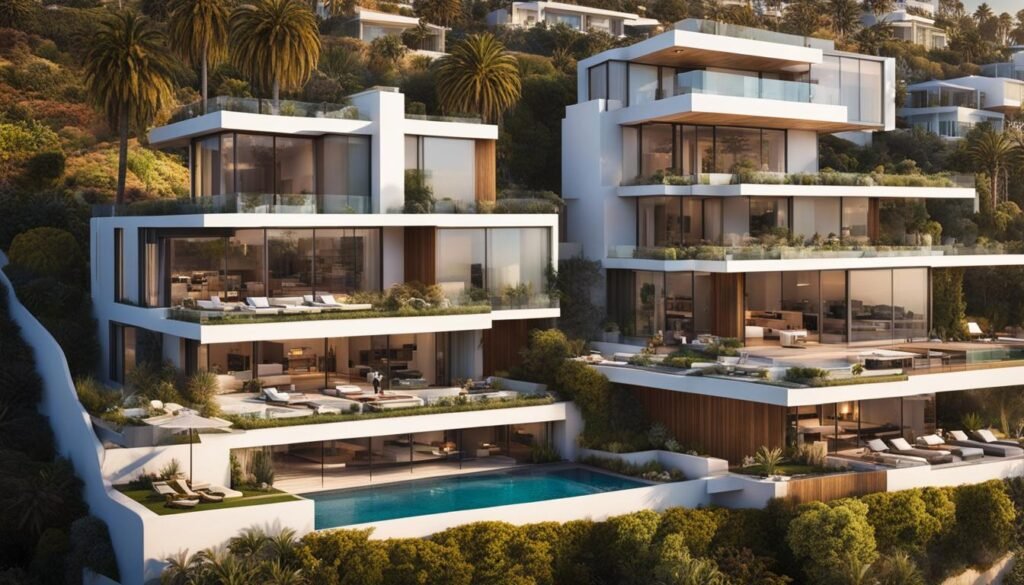
The beachfront and Ocean Avenue condos and houses are the luxury end, with prices that reflect the sand, not the square footage. Most “ocean view” homes are actually a few blocks back with a peek, so see the view in person. The claim that Santa Monica has many “private sandy beaches” is overstated, the beach is public; what you buy with the top tier is proximity and a balcony, not a private shore.
The market and what it costs
Reported medians for Santa Monica have sat above $2 million for a while, but that single number hides the range: a condo can start lower, a north-of-Montana house runs much higher. Treat any median as a snapshot and check a live source the week you shop. Inventory is tight, desirable homes draw multiple offers, and the Expo line’s arrival made the east side more competitive. The schools (Santa Monica-Malibu Unified) and the short commute to westside jobs are what keep demand firm.
Schools, amenities, and getting around
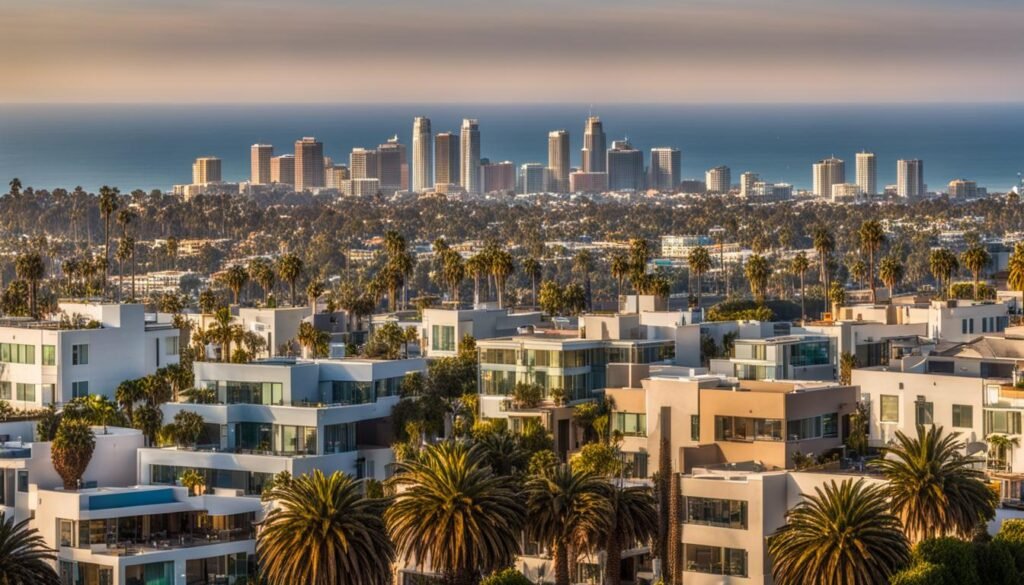
Santa Monica’s draw for families is real: the public schools are among the stronger in the county, there are parks and the beach for recreation, and the dining (from sushi to vegan to the Wednesday and Saturday farmers market) is genuinely good. On transport, the Metro E Line runs to downtown LA, and the Big Blue Bus covers the westside, so a car is less mandatory than in most of LA, a real plus when you price parking and insurance. The trade is density and noise near the promenade and the 10.

Tips for buyers
- Get pre-approved for a jumbo loan. Most of Santa Monica is above the conforming limit.
- Verify the view and the walk score. A “near the beach” listing can be a 20-minute walk; check the actual block.
- Work with a local agent. The pocket differences (north of Montana vs the east side, condo vs house) are large in price.
- Check the number. Confirm the current median and the specific listing price before you budget; the market shifts.
Final Thoughts
Santa Monica suits buyers who want beach-city living with real schools and transit, and who can pay for it. Decide which tier (condo, bungalow, north-side house, beachfront) fits before you search, verify the view and the walk in person, and use a local agent who knows the pocket prices. Confirm live numbers rather than trusting a stale median, and weigh the commute and the promenade noise against the sand access you are paying for.