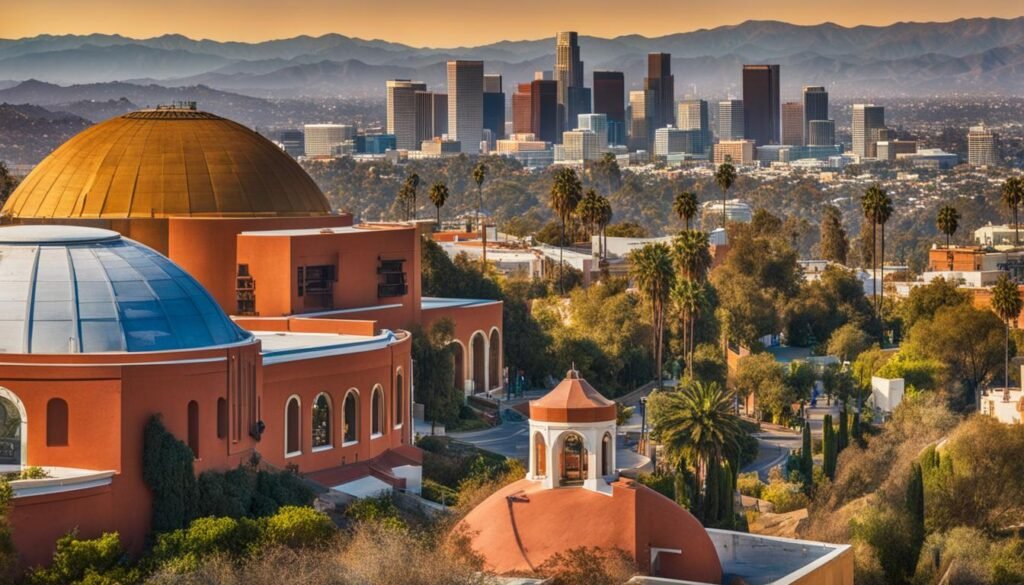
Lancaster is a high-desert city in the Antelope Valley, about 70 miles north of Los Angeles. It’s best known for the California Poppy Reserve each spring and for being an early adopter of rooftop solar, but there’s a walkable downtown and some easy outdoor stops too.
The BLVD and Museums
Downtown Lancaster’s main drag is The BLVD, a nine-block pedestrian stretch with palm trees, public art, and restaurants. At one end is the Lancaster Performing Arts Center; a block away, MOAH (Museum of Art & History) shows local and contemporary work. The BLVD also hosts a weekly farmers’ market and seasonal music nights.

Piute Ponds
On the edge of Edwards Air Force Base, Piute Ponds is the largest freshwater wetland in Los Angeles County — a stopover for more than 200 bird species. Access is limited and requires a free permit through the base, so plan ahead if birding is the goal.
Desert Outdoors
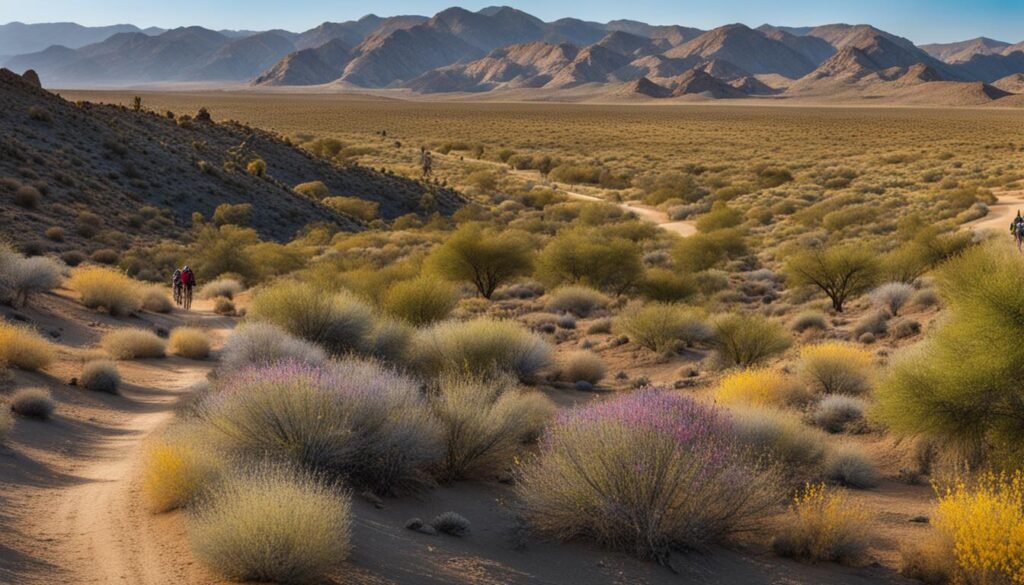
Saddleback Butte State Park has Joshua trees and short trails about 15 miles east. Closer in, the Prime Desert Woodland Preserve is a 100-acre loop trail with interpretive signs and monthly stargazing events. Devil’s Punchbowl, a bit farther into the Angeles National Forest, has slot-canyon hikes.
Solar and Renewables
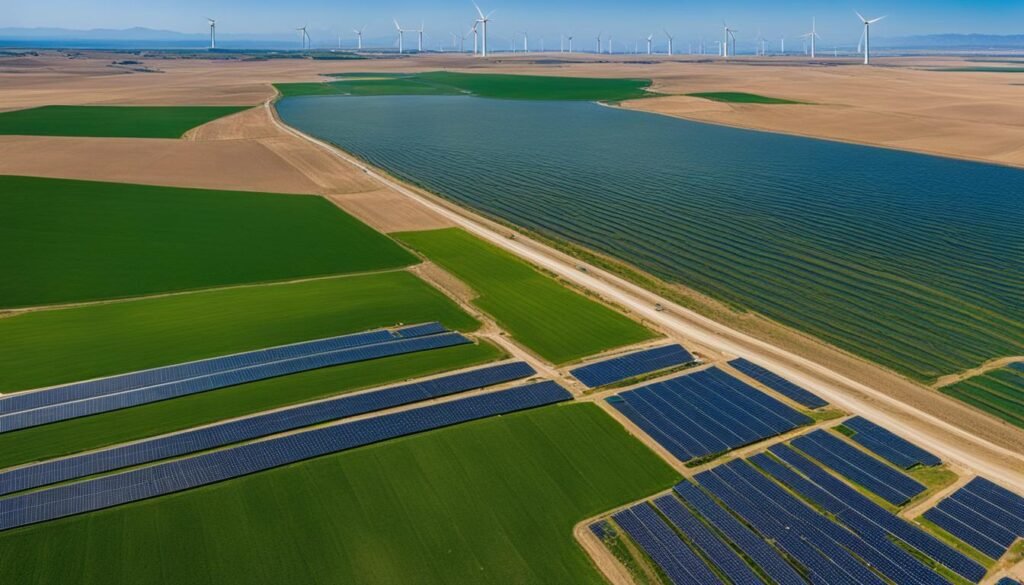
Lancaster was the first U.S. city to require solar panels on all new homes, and you’ll see solar canopies over parking lots and civic buildings. The Antelope Valley Transit Authority runs an all-electric bus fleet if you’d rather not drive between stops.
When to Go
Spring, late March to April, is the poppy season and draws the biggest crowds. Summers are hot and winters are cold for a Southern California desert city.