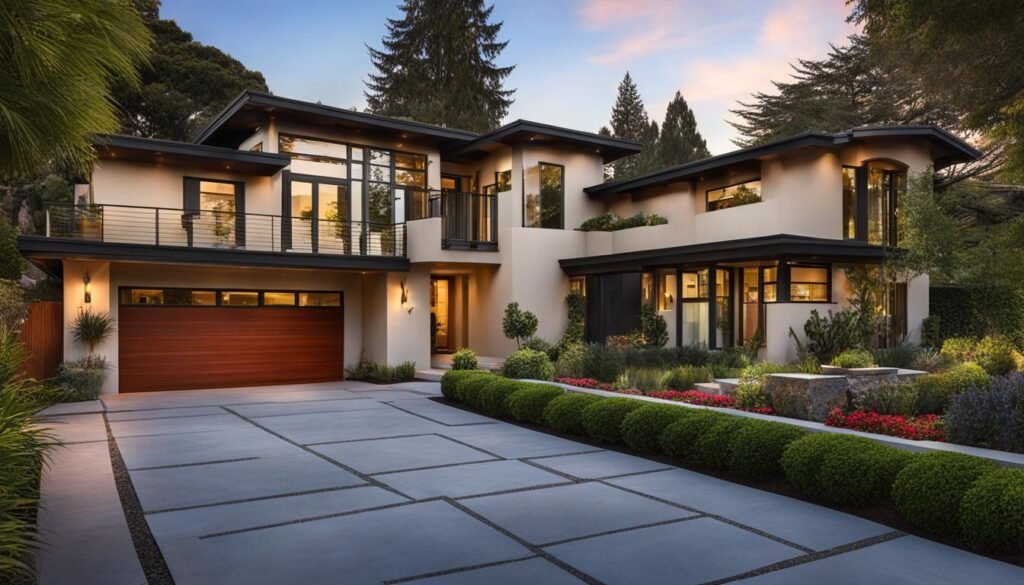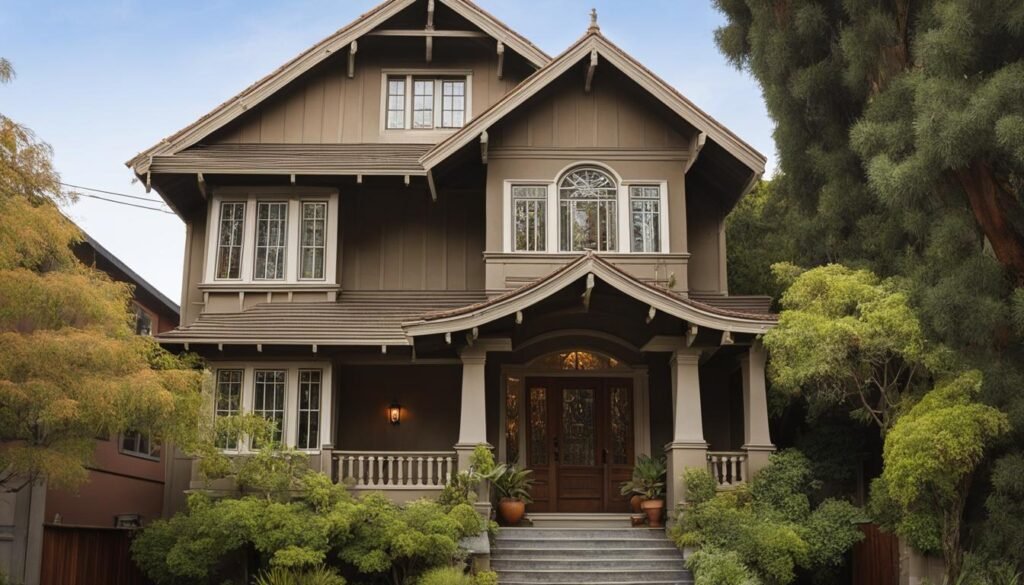
Stockton is the county seat of San Joaquin County, in the northern San Joaquin Valley about 80 miles east of the Bay Area. It is one of the larger cities in inland California (population around 320,000) and, importantly for homebuyers, one of the more affordable compared to the coastal metros, which is the main reason it shows up on California house-hunting lists. The trade is the Central Valley heat and the longer commute if you work in the Bay Area.
The market
Stockton is cheaper than the Bay Area and coastal Southern California, but “cheap” is relative, medians here have run in the high $400,000s to $500,000s in recent years, not the bargain-bin levels of a decade ago. The market is a mix of single-family homes, condos, and townhomes, from post-war tracts to newer subdivision product. It moves with interest rates and Bay Area spillover, so confirm the live median before you offer. The old “booming, perfect time to invest” language overstates it; it is a normal, mid-priced Valley market.

Neighborhoods
- Brookside. A gated, upscale master-planned community in north Stockton with a golf course and larger homes; the top of the local market.
- Lincoln Village. Established, family-oriented, with good schools and proximity to the Delta waterfront.
- East Stockton. Older, more affordable tracts and some historic homes nearer the city core.
- South Stockton. The most affordable pocket, with a dense, diverse, working-class community and ongoing revitalization.
- North Stockton / West Lane. Much of the newer construction sits here, near the 5 freeway.
These differ in price, schools, and feel, so filter by neighborhood rather than “Stockton” as a whole.

Schools and amenities
Stockton is served by several districts, including Stockton Unified and Lincoln Unified, plus private options. The University of the Pacific is based here. Daily life covers the usual city amenities, hospitals, retail, and the waterfront at the Delta, with the Central Valley’s hot summers (100F+ for stretches) being the main climate caveat. The Port of Stockton and the logistics sector are major employers.
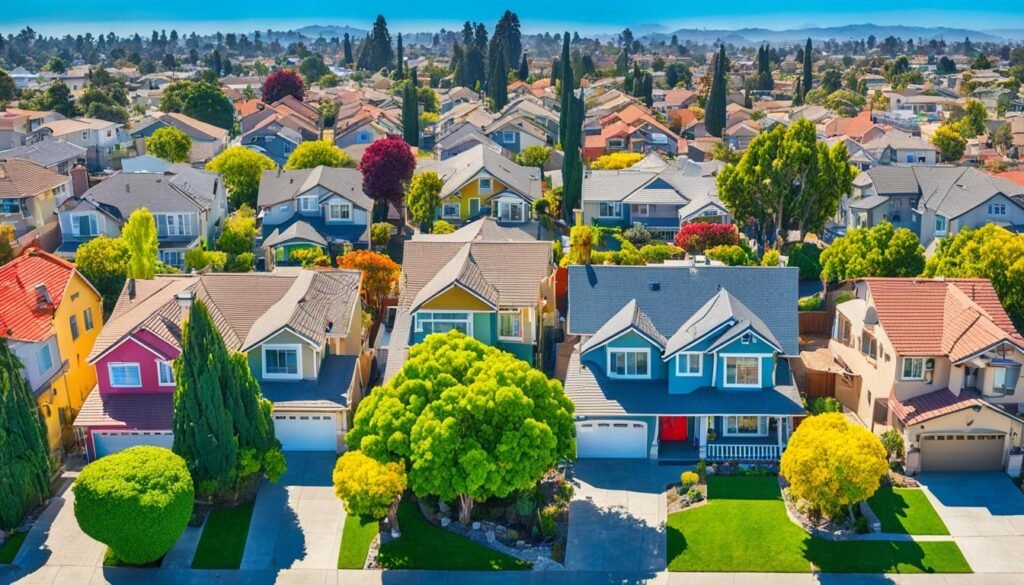
Commuting
Stockton is a Bay Area bedroom community for some: the 580 connects to the East Bay, and the Altamont Corridor Express (ACE) train runs weekday commutes to San Jose. Both are real but long, the drive is 1.5-2 hours in traffic. For most buyers the appeal is local affordability, not the commute.
Tips for buyers
- Verify the median. Stockton’s price swings with rates; get the live number per neighborhood.
- School shop. Lincoln and Brookside feed the strongest schools; check the exact address.
- Local agent. A Stockton-based agent knows the pocket differences and the flood zones near the Delta.
- Inspect. Older East/South Stockton homes need the usual age-related checks.
Final thoughts
Stockton is the affordability play in Northern California, cheaper than the Bay Area and coastal cities, but at a real cost: Valley heat, a long commute if you work west of the hills, and a market that is mid-priced now, not the deep-discount one of years past. The old writeup called it “booming” and a “perfect time to invest,” which overstates a normal market, so treat the live median as your anchor. Buy in Brookside or Lincoln Village for schools and resale, East or South for price, and use a local agent who knows the Delta flood maps. The throughline: you trade climate and commute for price, so make sure the savings are worth it for your situation before you offer.