Mammoth Lakes in March confuses a lot of first-time visitors, and I understand why. The calendar says spring. The mountain says otherwise. If you’re wondering whether March is too late for proper skiing or too early for anything else, the short answer is that March is one of the best months to be in Mammoth — provided you know what you’re walking into.
The town sits at roughly 7,800 feet, with Mammoth Mountain’s summit topping 11,000. That elevation matters more than the date on your phone. While the rest of California is doing its early-spring thing, Mammoth is still very much a winter town in March, just one with longer days and a friendlier sun. Ski season isn’t winding down here — the resort regularly runs into late May, and in big snow years it has stayed open into summer. March sits comfortably in the middle of the season, not the end of it.
What the Weather Is Really Like
Let’s get the numbers out of the way. Daytime highs in town average around 40–42°F, with overnight lows dropping to the low 20s. Nearly every night of the month dips below freezing. The historical average temperature for March hovers right around freezing, which tells you most of what you need to know: this is winter with better lighting.
The variability is the part people underestimate. I’ve seen March afternoons touch the high 50s, warm enough for a t-shirt on a sunny deck. I’ve also seen cold snaps push things well below zero Fahrenheit. Both can happen in the same week. Pack accordingly, which we’ll get to properly later.
Precipitation-wise, March typically delivers somewhere between 60 and 90 mm of liquid equivalent, spread over anywhere from three to twelve days. Because average temperatures sit below freezing, that almost always falls as snow rather than rain. Some datasets count around 13 snowy days in a typical March. And Sierra storms don’t do things by halves — March storms can be enormous, dropping several feet in a single cycle.
Here’s what makes the month genuinely pleasant, though: the sun. You’re looking at 7–9 hours of sunshine on most days, roughly 70% of available daylight, and by late March the days stretch to nearly 12 hours. Sunrise around 6:00, sunset around 18:00. Compared with the short, grey grind of Mammoth Lakes in January, it feels almost decadent.
One thing worth flagging: wind. March is one of the windier months in Mammoth, with a typical breeze around 12 mph and considerably more up high. The thermometer might say 40, but a stiff wind on an exposed chairlift will make you doubt it. Humidity averages can look high on paper, but the cold air and wind keep everything feeling dry and brisk rather than damp.
How March Compares With February and April
March runs a few degrees warmer than February on average, with slightly less precipitation in most records — though “slightly less” in the Sierra still means substantial. What you gain over February is daylight and the higher likelihood of comfortable, sunny ski days between storms. See more on Mammoth Lakes in February.
Compared with April and May, March holds onto proper winter conditions far more reliably. April brings more thaw, more slush, and the gradual opening of non-snow activities. If your priority is snow quality, March beats April. If you want to ski in the morning and fish in the afternoon, April is the safer bet. March sits right on the hinge between the two, which is exactly its appeal.
Skiing Mammoth in March
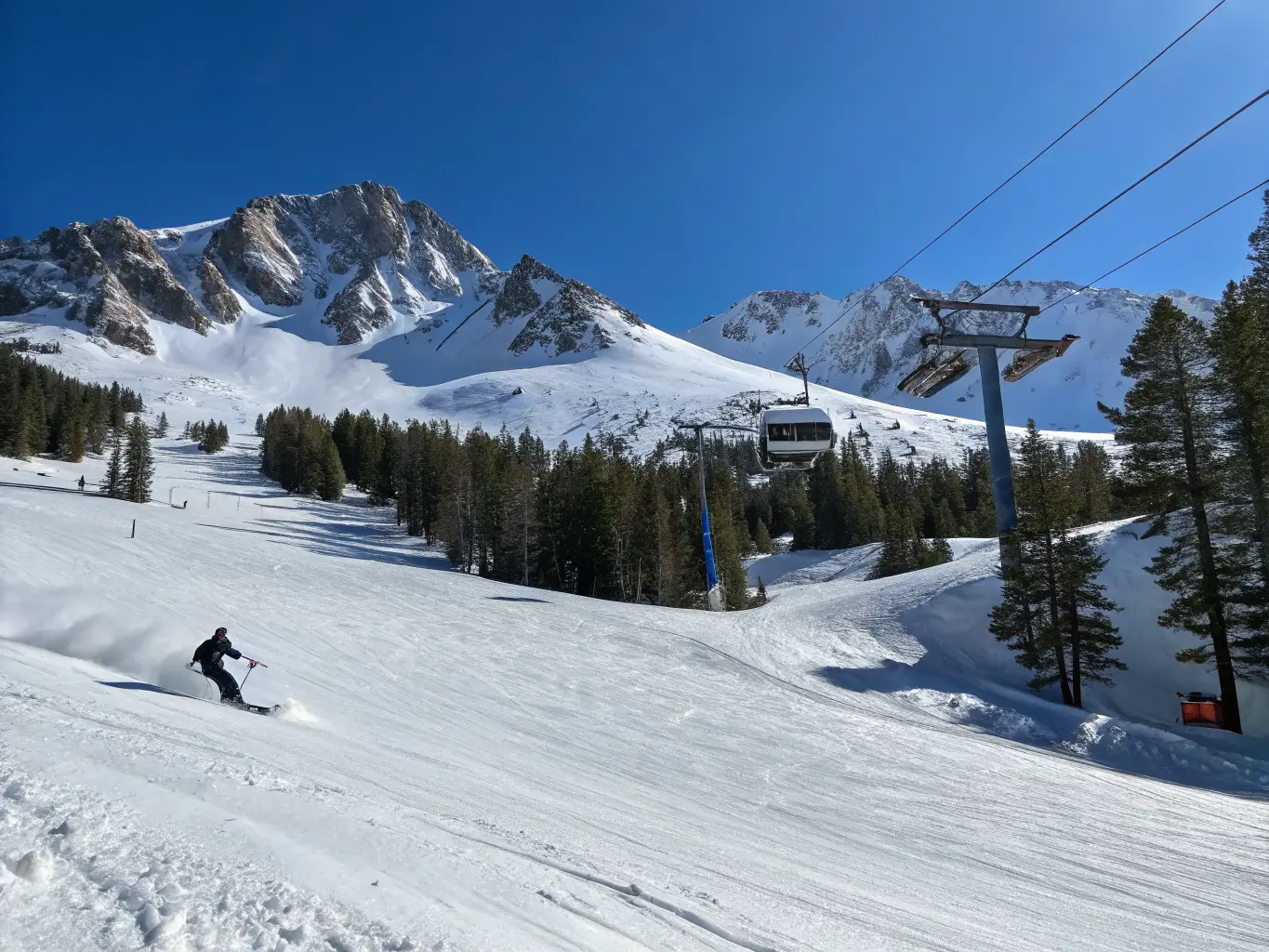
This is why most people come, so let’s be honest about it: March skiing at Mammoth is excellent, and plenty of locals will tell you it’s their favourite month on the hill. The snowpack is typically at or near its seasonal peak, the whole mountain is usually open top to bottom, and the bowls and off-piste terrain are in play when conditions allow.
What you can’t predict is which version of March you’ll get. Surface conditions swing from cold, dry powder after a storm to proper spring corn on warm afternoons — sometimes flipping within 48 hours. One trip report I always think of described it as going from “50s and slush to cold and powder” in the space of days. That’s not an anomaly. That’s just March.
Early March
Early March skis more like mid-winter. Colder temps, more frequent storms, less afternoon softening. If you want powder odds, aim early.
Late March
Late March starts showing its spring hand. Firm, crusty mornings on sun-exposed slopes, softening to slush by afternoon. Some locals reckon late March is about as late as you want to book if you’re chasing winter conditions rather than spring skiing.
A few honest cons. Storm cycles can bring wind holds on the upper lifts, chain controls on the roads, and the occasional flat-light day where the top of the mountain vanishes into cloud. Mornings after a warm day can be genuinely icy until things soften. None of this is a reason to skip March — it’s a reason to build a flexible day or two into your plans.
My practical advice, learned the annoying way: on spring-pattern days, don’t rush the sunny aspects. I made this mistake on a trip a few Marches back — first chair on a bluebird morning after a warm spell, straight onto an east-facing run at about 8:45, and it was boilerplate. Skittery, loud, no fun at all. My legs were cooked by 10:00 and I’d paid full window price for the privilege. The move is to ski shaded, north-facing terrain early and let the sunny slopes soften until mid-morning. On storm days, do the opposite of chasing the summit — head for the trees and the lower mountain, where you can actually see.
Layering is non-negotiable. A proper base layer, an insulating mid-layer, and a waterproof shell will cover you from below-freezing storm mornings through near-50°F afternoons. Bring low-light goggle lenses for storm days. You’ll use them.
Beyond the Slopes
If you don’t ski, March is workable but limited — I’d rather tell you that plainly than oversell it. The high country is snowbound and stays that way for months. Most summer hiking trails, alpine lakes, and scenic roads are buried or closed.
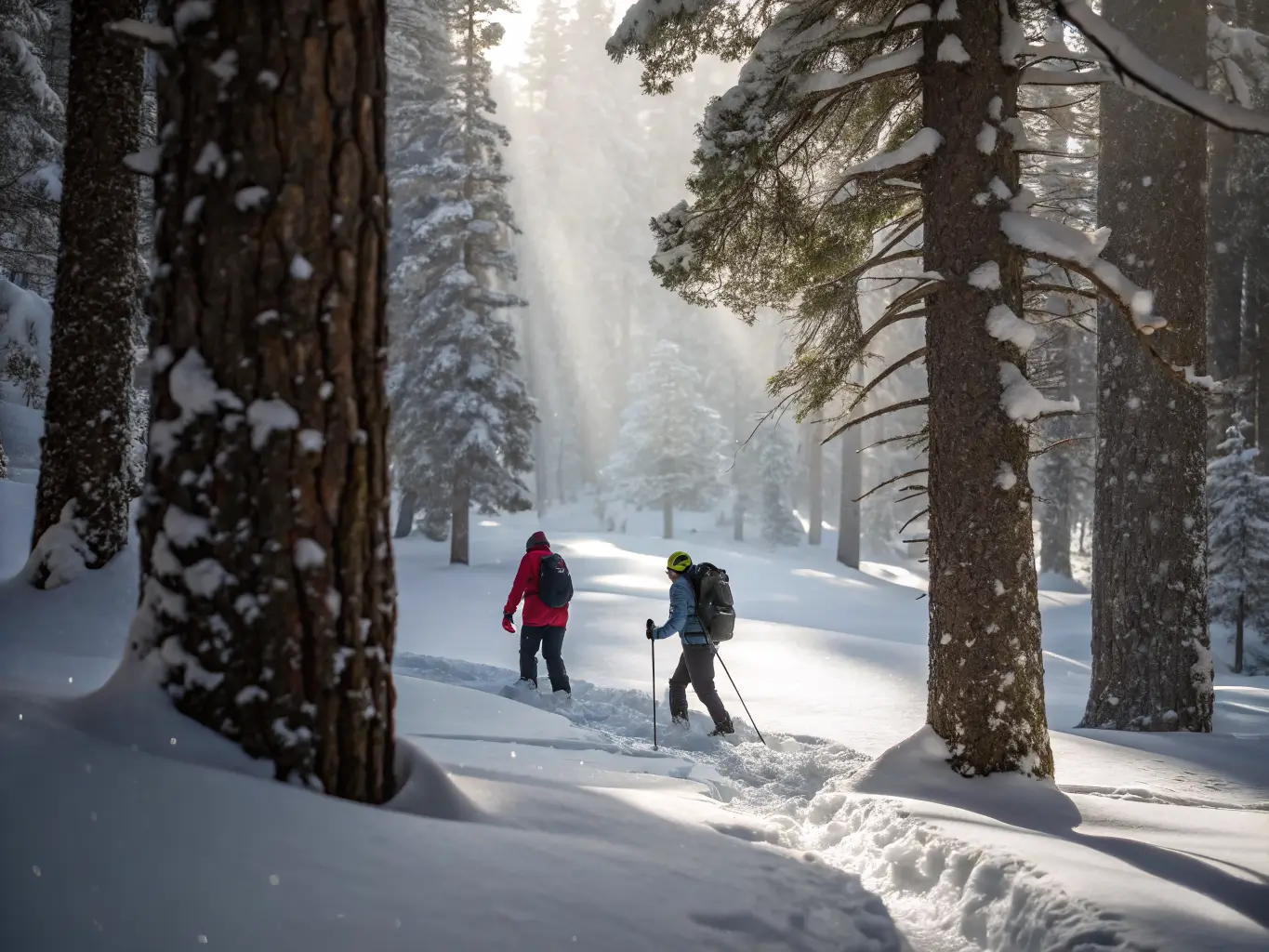
What you can do is embrace the snow. Snowshoeing around town and on lower slopes is lovely in March, with deep coverage and — between storms — bright, clear conditions that make the forests and meadows genuinely beautiful. Cross-country skiing is typically at its best, and backcountry touring is popular, though anyone leaving groomed terrain needs avalanche gear and the training to use it. This is not the month to improvise off-piste.
Late in the month, Mammoth’s tourism folks like to push the “ski in the morning, fish in the afternoon” idea, and in a warm year the lower Eastern Sierra can start delivering on it. I’d treat that as a bonus rather than a plan in March — April is when the multi-sport days become reliable. Otherwise, the town does the resort-town thing well: good restaurants, hot tubs, and enough indoor comfort to make a stormy afternoon feel like part of the holiday rather than a loss.
Getting There and Getting Around
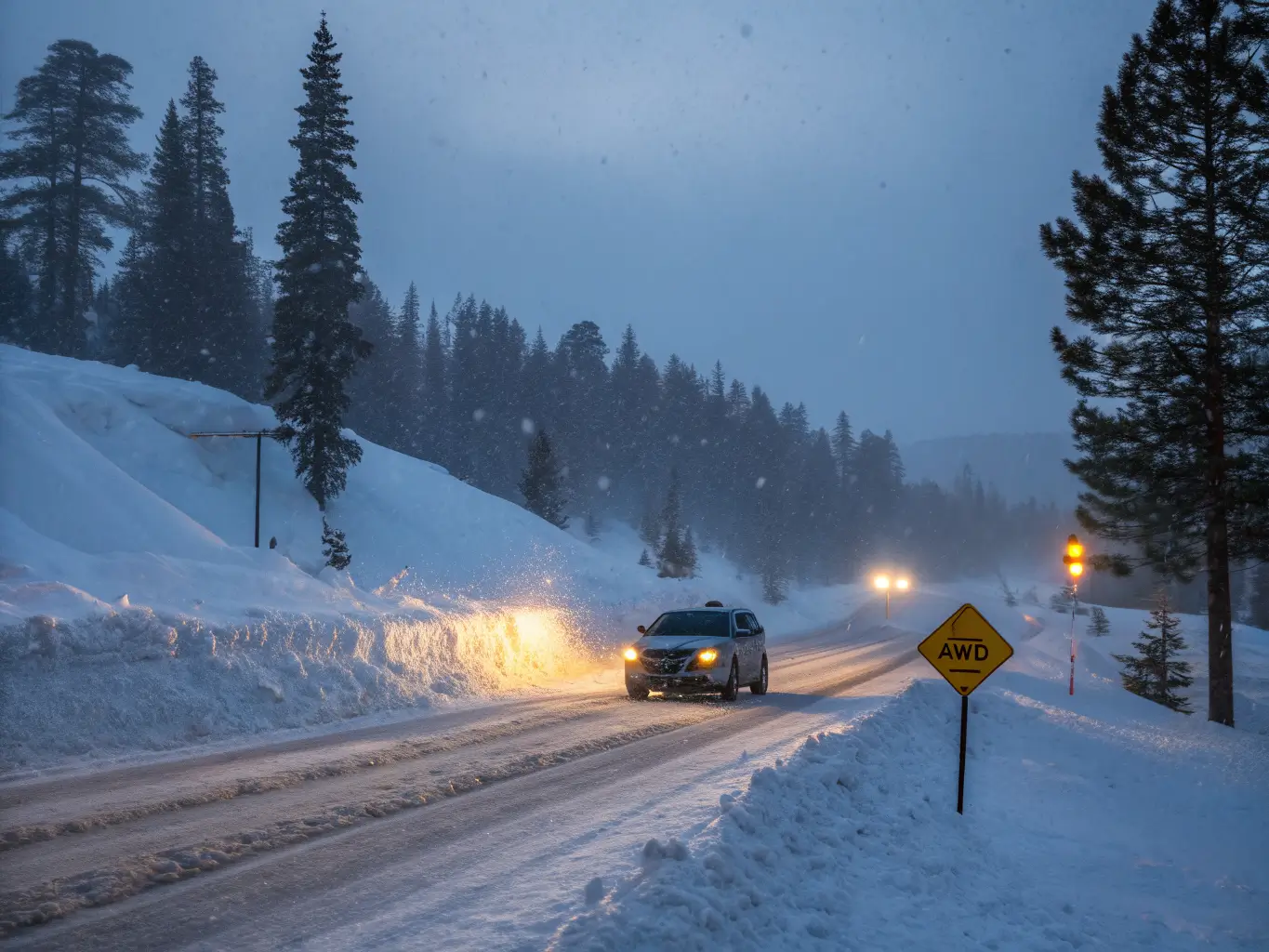
Driving to Mammoth in March deserves respect. Chain controls, icy stretches, and short-term closures on the highways are all still realistic possibilities, particularly during storm cycles. Check Caltrans road conditions before you set off, carry chains even in an AWD vehicle, and give yourself daylight for the drive if you can. I’ve watched too many people plan a tight Friday-night arrival and end up crawling through a whiteout.
Within town, the roads are plowed promptly, but snowbanks linger and overnight ice is a given all month. Winter tyres or AWD remain genuinely useful right through March, not just a January precaution. The good news is you barely need a car once you’ve arrived — the free ski shuttles and local transit run winter schedules well into spring, connecting the main lodging areas to the mountain, which also spares you the car park scramble on busy weekends.
Crowds, Costs, and Where to Stay
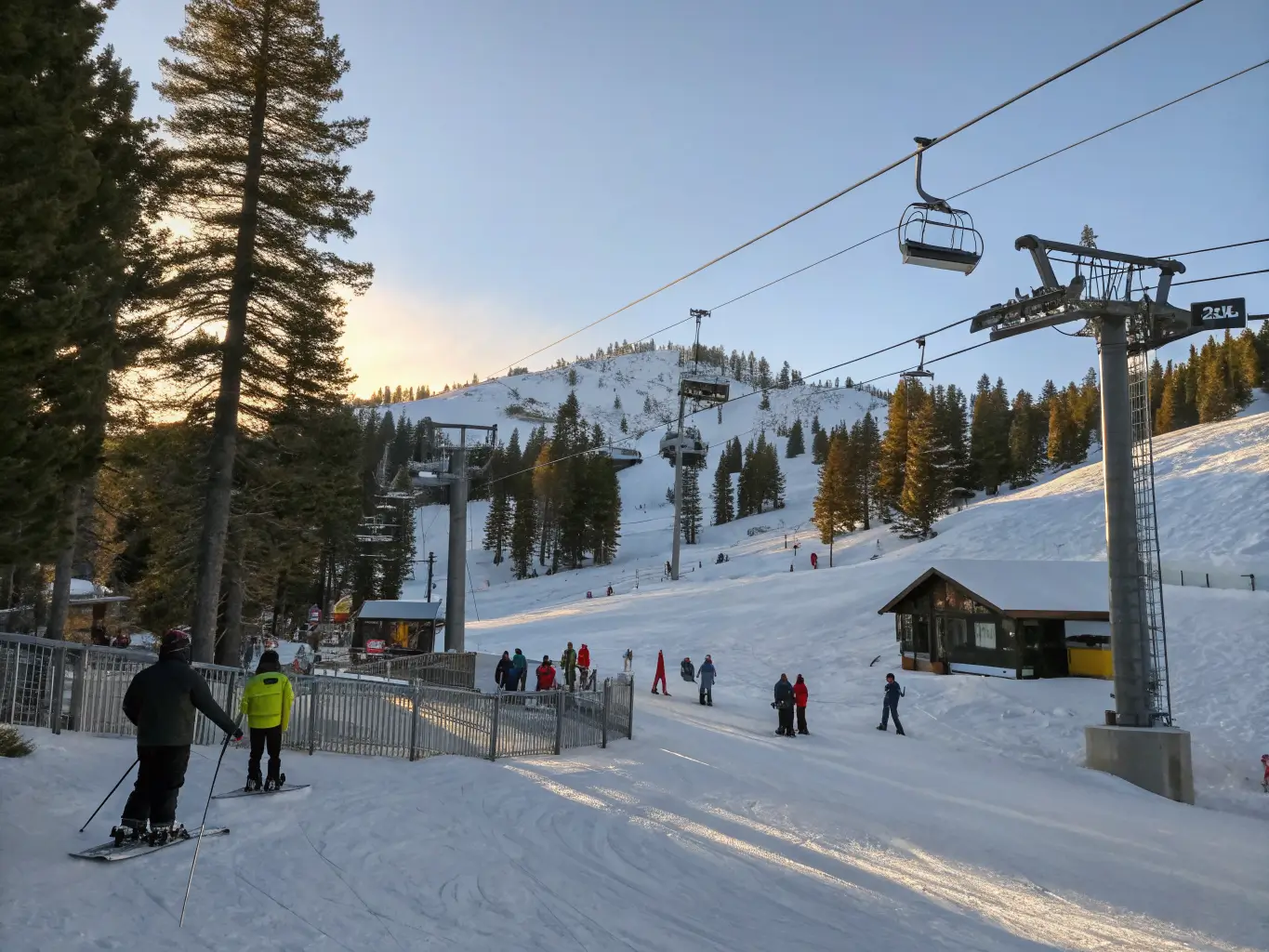
March occupies a slightly odd spot in Mammoth’s calendar. It’s past the Christmas and Presidents’ Day crush, but firmly within prime ski season, so weekends — especially those overlapping with spring break — can still be properly busy. Midweek, though, the town breathes. Spring overall is a fairly slow period for tourism here, and March is where you start to feel it: shorter lift queues on a Tuesday, tables available without a booking, and lodging prices that soften noticeably away from the weekends.
The midweek gap is where the value lives. Ski-in/ski-out condos, in-town hotels, and vacation rentals all stay fully operational through March because the ski season demands it, so you get the full winter infrastructure at shoulder-season-ish rates if you’re flexible on dates. There’s no major public holiday in March to spike demand, but do check the spring break calendars for California universities and school districts before assuming a quiet week — I’ve been caught out by that once and spent a Saturday queueing behind what felt like an entire fraternity.
What to Pack
I’ll keep this practical rather than exhaustive, because the principle is simple: pack for winter, with an escape hatch for warm afternoons.
-
On the hill:
insulated waterproof jacket and trousers, thermal base layers, a fleece or down mid-layer, proper gloves or mittens, warm hat or helmet liner, ski socks, and a neck gaiter for storm days. Two goggle lenses — one for sun, one for flat light.
-
Around town:
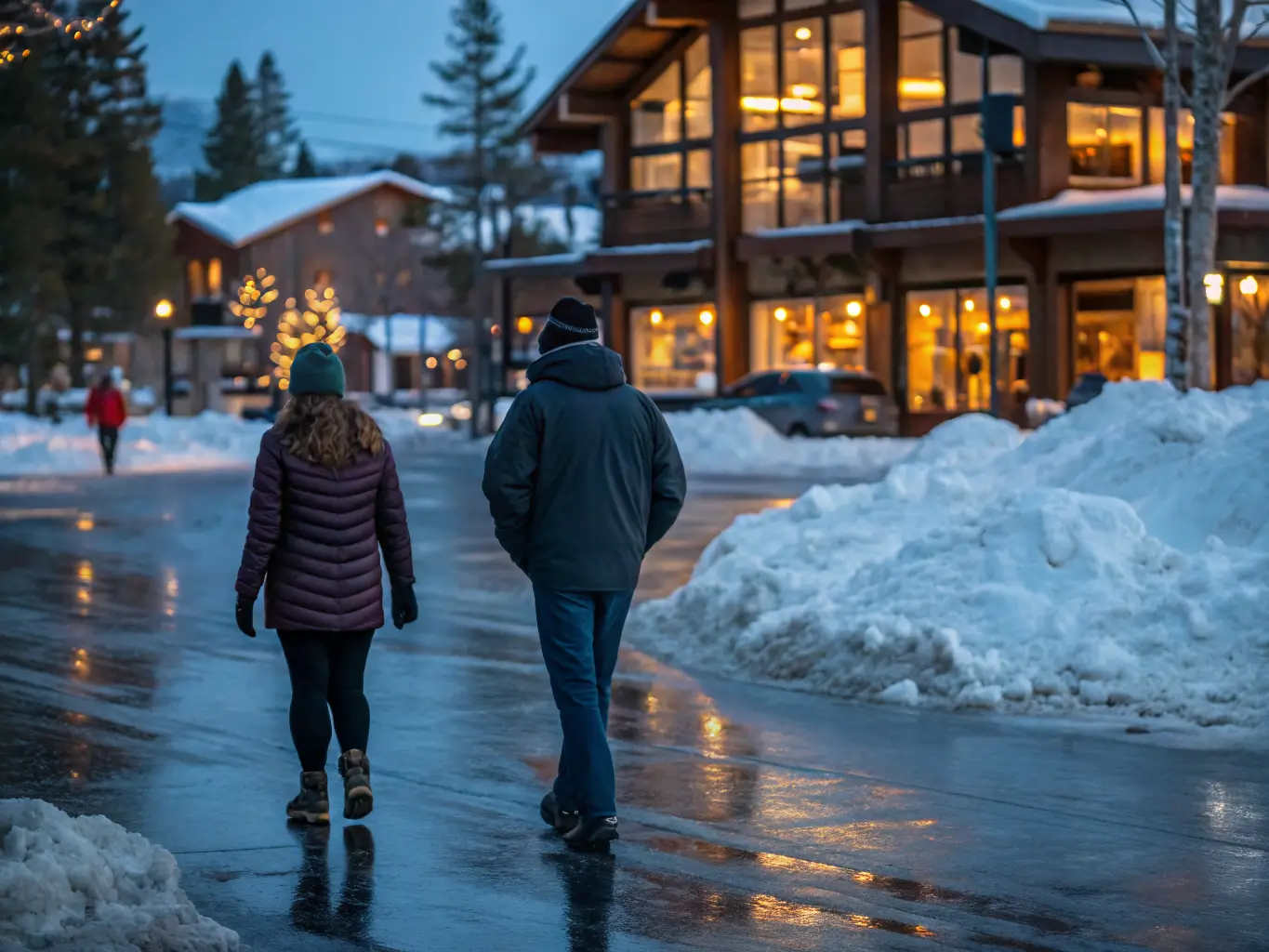
a warm jacket, beanie, gloves, and crucially waterproof boots with decent traction. Car parks and pavements ice over every night, and I’ve watched more people go down on the walk to dinner than on the slopes.
-
Sun protection:
the UV index can hit 6, and snow reflects it straight back up at you. Sunscreen, SPF lip balm, and sunglasses aren’t optional. A March goggle tan is a rite of passage; a burnt underside of your chin is just embarrassing.
If you’re touring off-resort, avalanche gear — beacon, shovel, probe — and the training to use it are mandatory, not suggestions. And for anyone bringing a camera or relying heavily on a phone: cold drains batteries alarmingly fast, so carry spares and keep them in an inside pocket.
Safety and Altitude
Most March hazards in Mammoth are the obvious winter ones. Sub-freezing temperatures plus wind can bite hard if you’re under-dressed, storms can wipe out visibility on both roads and slopes, and the snowpack in the backcountry can hold unstable layers deep into the month. Check the avalanche forecast if you’re heading anywhere ungroomed, and take road closures at face value rather than treating them as suggestions.
The one people forget is altitude. Town sits near 8,000 feet and the summit is above 11,000, and if you’ve driven up from sea level that same morning, you may well feel it — headache, fatigue, a general flatness on day one. Drink far more water than feels necessary, go easy on the first day’s skiing, and be sensible with the après drinks, which hit harder up here. It usually passes within a day or two.
One more quiet request: stick to established trails and respect closures, particularly late in the month when low-elevation areas begin their thaw. Early-spring ground and winter habitats are fragile, and the signage exists for a reason.
Should You Come in March?
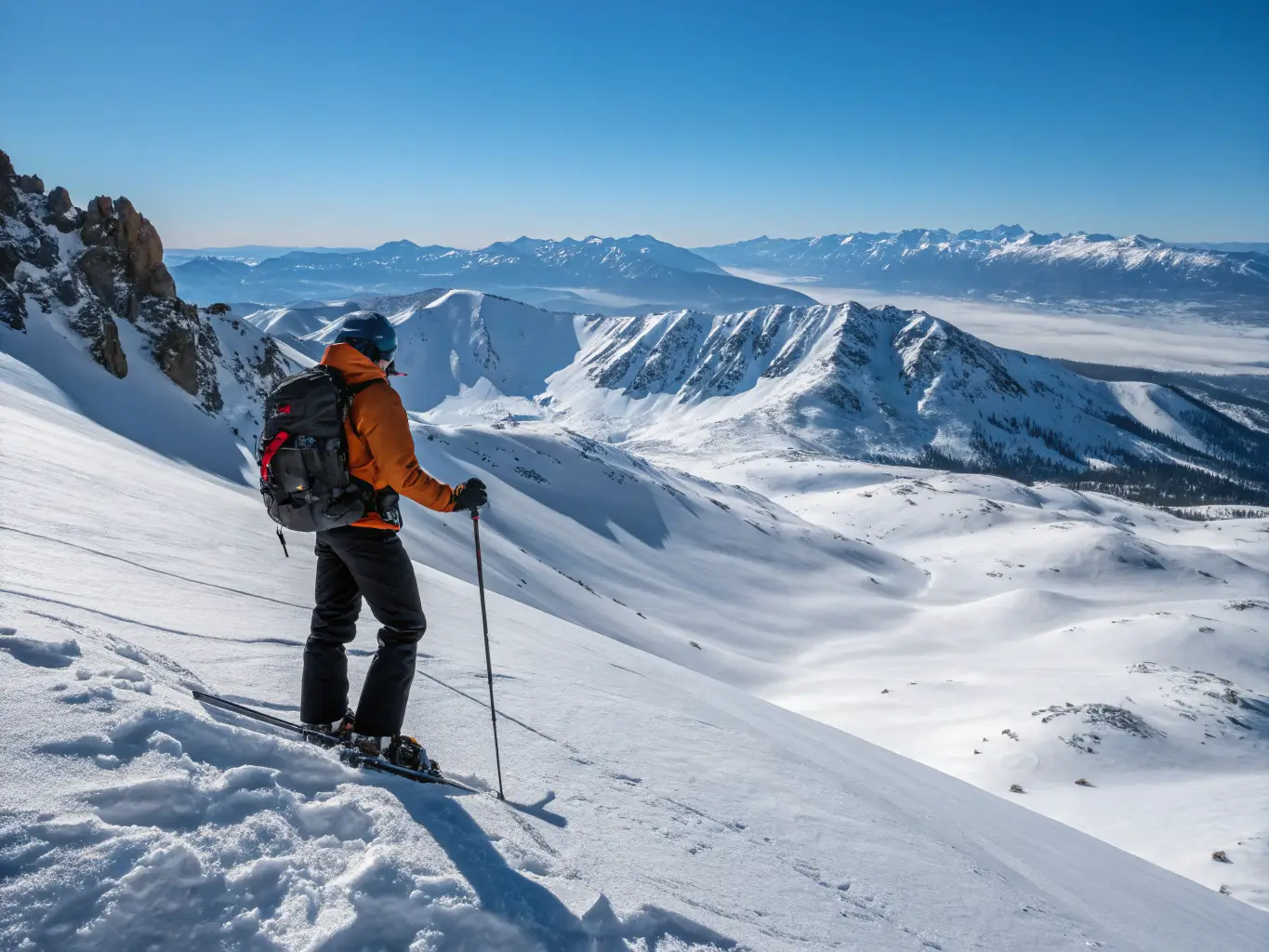
For skiers and snowboarders, the case is strong. Deep snowpack, long days, warmer lift rides than mid-winter, and a genuine shot at both bluebird days and fresh powder. The trade-off is unpredictability — you have to be willing to adapt your day to whatever the mountain serves up, and accept that a storm might rearrange your plans.
For non-skiers, I’d be more measured. The winter scenery is spectacular, the town is pleasant, and snowshoeing plus lodging deals make a quiet weekend genuinely appealing. But if your mental image of Mammoth involves alpine lakes, high-country hikes, and open scenic roads, you’re several months early. Come in July for that trip. Come in March for this one.
See more on Average Weather in March in Mammoth Lakes and explore Spring Activities in Mammoth Lakes to plan non-ski options.
Planning the Trip
For length, three to four days is enough to catch a typical mix of conditions, while a full week meaningfully raises your odds of landing at least one perfect powder-then-sun sequence. On timing: book early March if you want winter, late March if you fancy spring skiing and a chance at a lower-elevation afternoon activity.
A simple three-day ski trip works well — arrive and sort gear on day one, ski a full day two with a proper après session, then a morning ski on day three followed by a snowshoe or a scenic drive if the roads cooperate. Late in the month, the ambitious version swaps that final afternoon for fishing or a bike ride down valley, conditions permitting.
Budget-wise, stay midweek if you possibly can, and buy lift tickets in advance rather than at the window — spring pricing rewards planning and punishes spontaneity.
The last caveat is the honest one: every winter is different. Mammoth has had record-shattering snow years and lean ones, and a single March storm can transform the season either way. Watch the season-to-date snowfall and the forecast in the fortnight before you travel, and hold your plans loosely. The resort runs one of the longest seasons in North America, often through Memorial Day, so March sits safely in the core of it — but the character of the month is decided by the weather, not the calendar. If you go in with layers, flexibility, and realistic expectations, Mammoth Lakes in March will almost certainly send you home wondering why anyone bothers fighting the January crowds at all. My honest recommendation: pick a midweek window in the first half of the month, buy the refundable lodging rate, and let the forecast make the final call.
Related and Further Reading
Related guides and local reads:
Mammoth Lakes in November,
Mammoth Lakes in August,
Free Things to Do in Mammoth Lakes,
Visiting Lake Tahoe,
Lake Tahoe in March.