Yosemite National Park covers about 1,200 square miles of the Sierra Nevada and is one of the most visited parks in the country, known for granite landmarks like El Capitan and Half Dome, the waterfalls of Yosemite Valley, and the giant sequoias of Mariposa Grove. It is a few hours’ drive from San Francisco and even closer from cities in the Central Valley, which is why it works as both a day trip and a multi-day stay.
Attractions
The core sights are concentrated and worth planning around:
- Tunnel View: the overlook at the end of the Wawona Tunnel that frames the valley, El Capitan, Half Dome, and Bridalveil Fall in one frame. It is the standard first stop.
- Olmsted Point, Tenaya Lake, Tuolumne Meadows: along Tioga Road (Highway 120 east), these are the high-country sights, open only in summer when the road is snow-free.
- Hetch Hetchy: a quieter reservoir and valley in the park’s northwest corner, with the Wapama Falls trail and far fewer people than the main valley.
- Mariposa Grove: the park’s giant sequoias, including the Grizzly Giant and the tunnel tree, reached from the south entrance near Wawona.
Hiking and camping
The trail system runs from valley flat loops to the Mist Trail up to Vernal and Nevada Falls. Camping ranges from valley campgrounds (close to the landmarks, reserve early) to Tuolumne Meadows and Wawona farther out. The park also runs guided tours and ranger programs if you want context without planning every stop yourself.
Lodging
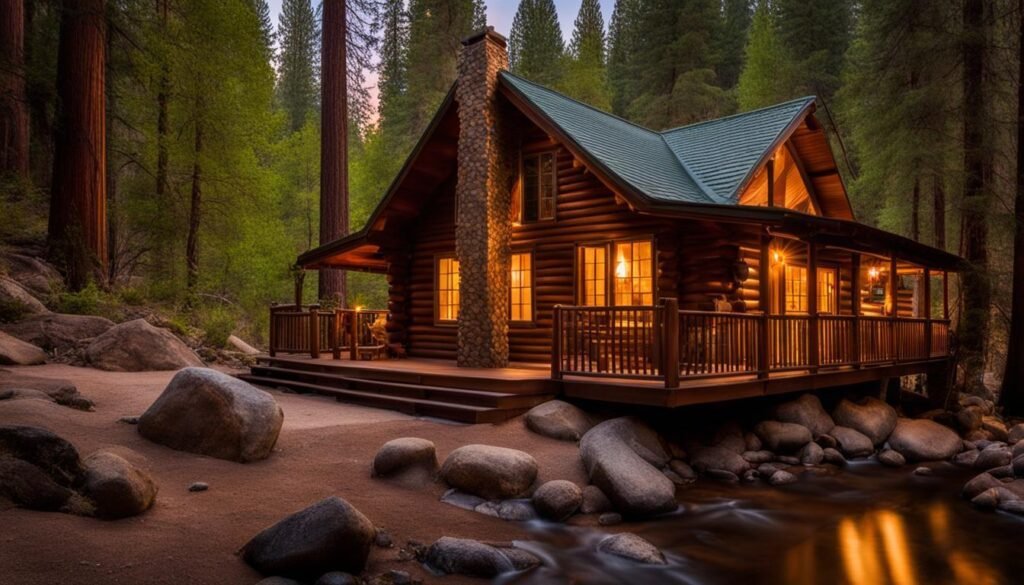
Inside the valley, the options are The Ahwahnee (historic full-service hotel), Curry Village (tent cabins and cabins), and several campgrounds. Gateway towns on Highways 41, 120, and 140, including Mariposa, Midpines, and Coulterville, have motels and bed-and-breakfasts. Book well ahead for summer and fall; availability tightens and prices rise in peak season.
Best time to visit
- Summer: warmest and most open, including Tioga Road and the high country, but the most crowded. Arrive early or go on weekdays.
- Spring: peak waterfall flow from snowmelt and the first wildflowers, with smaller crowds than summer.
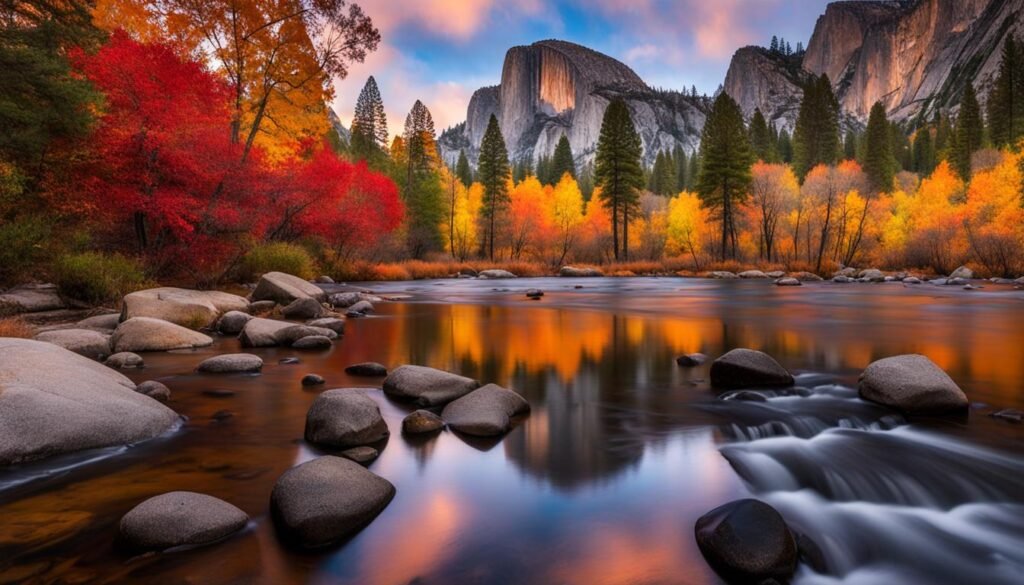
- Autumn: cool, fewer people, and fall color in the dogwoods and along the Merced.
- Winter: the valley gets snow and is the place for skiing and snowshoeing; some roads close and tire chains are often required on the ones that stay open.
Getting around
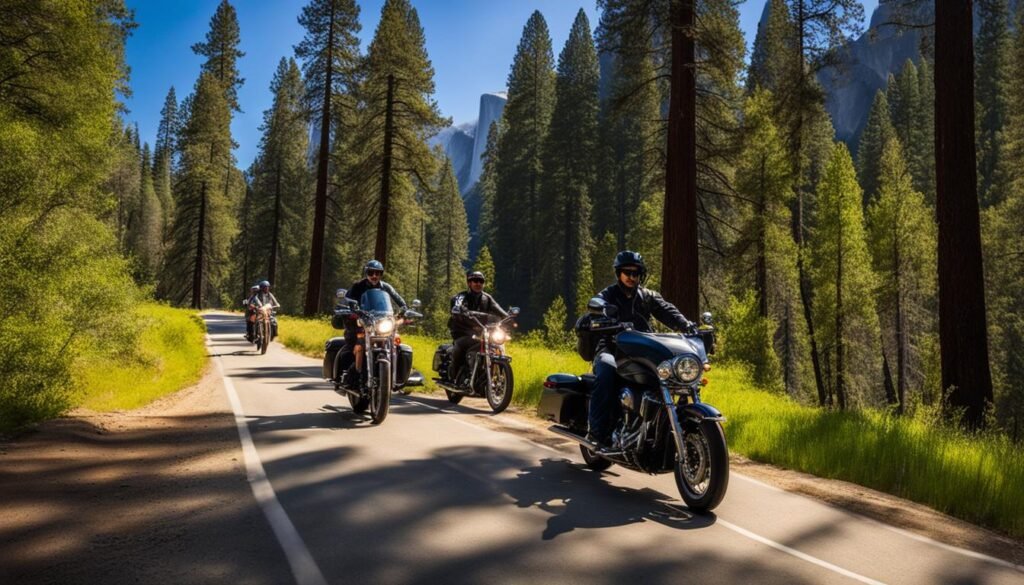
YARTS buses run into the park from Highways 41, 120, and 140, and free shuttles loop the valley in season, which saves the parking hassle. Bikes are allowed on paved paths and can be rented inside and outside the park. Note that GPS is unreliable on park roads, so carry the paper map. There are EV charging stations in Yosemite Valley.
Safety
- Stay on marked trails; the cliffs and waterfalls are hazardous, and shortcuts cause injuries and erosion.
- Keep distance from drop-offs and water, and do not climb the fences for photos.
- Carry layers and rain gear; mountain weather changes fast, even in a day.
- Store food properly and keep your distance from wildlife, especially bears.

History
Yosemite was set aside by the Yosemite Grant signed by Abraham Lincoln in 1864, predating the national park system. The land has been home to the Ahwahneechee and related Miwok, Mono, and Paiute peoples for generations, and their history is part of the park’s story. Learning that context before you go changes how you read the place.

Travel tips
- Reservations: Yosemite has used day-use reservation systems during peak periods in recent years. Check the current NPS rules for your travel dates before you assume you can drive in.
- Access: from SF or LA via Highways 41, 120, or 140; pick the route by your starting point and the season.
- Roads: check closures, especially in winter, when chains may be required.
- Map: download or carry one; cell service is spotty.
- Lodging and campsites: reserve early; valley options fill first.
Takeaway
Yosemite rewards planning: pick a season by what you want (waterfalls in spring, heat and high country in summer, solitude in fall and winter), reserve lodging and any required entry ahead, and use the shuttles to avoid parking. Stay on the trails and respect wildlife, and the park is manageable for a first visit despite its size.