
California’s coastline protects a long list of marine mammals, seabirds, and tide-pool creatures, and you do not need a boat to see most of them. When people ask about the best wildlife beaches in California, I point them at Año Nuevo and La Jolla, where the animals come to the sand on their own schedule.
1. Point Reyes National Seashore
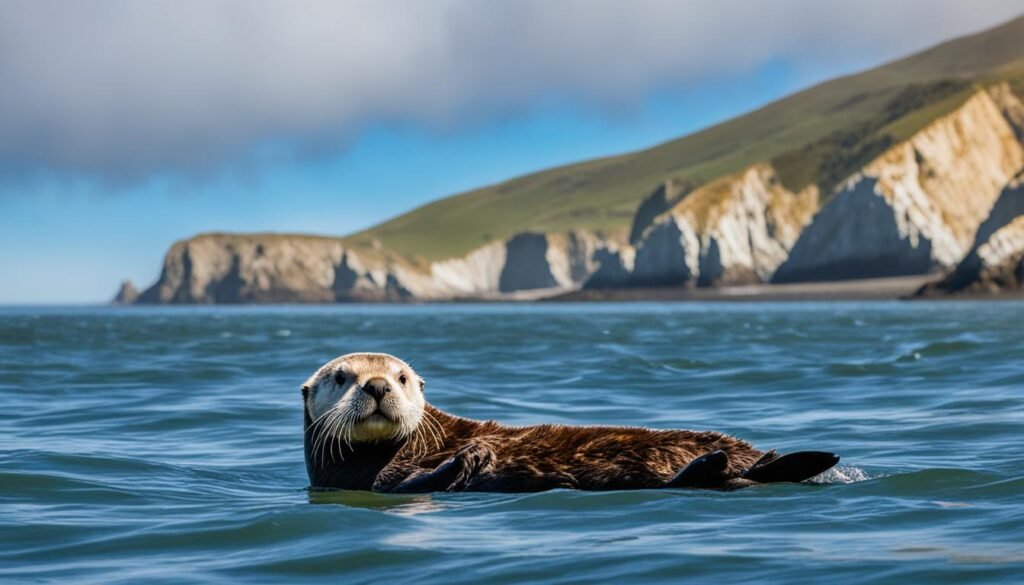
About two hours north of San Francisco, Point Reyes mixes open coastline, estuaries, and headlands. Limantour Beach, Drakes Beach, Kehoe Beach, and McClures Beach all offer different wildlife: shorebirds on the estuaries, harbor seals near the mouths of creeks, and migrating gray whales from the headlands in winter. The Chimney Rock area is a prime whale-watching overlook from December through April.
2. Año Nuevo State Park
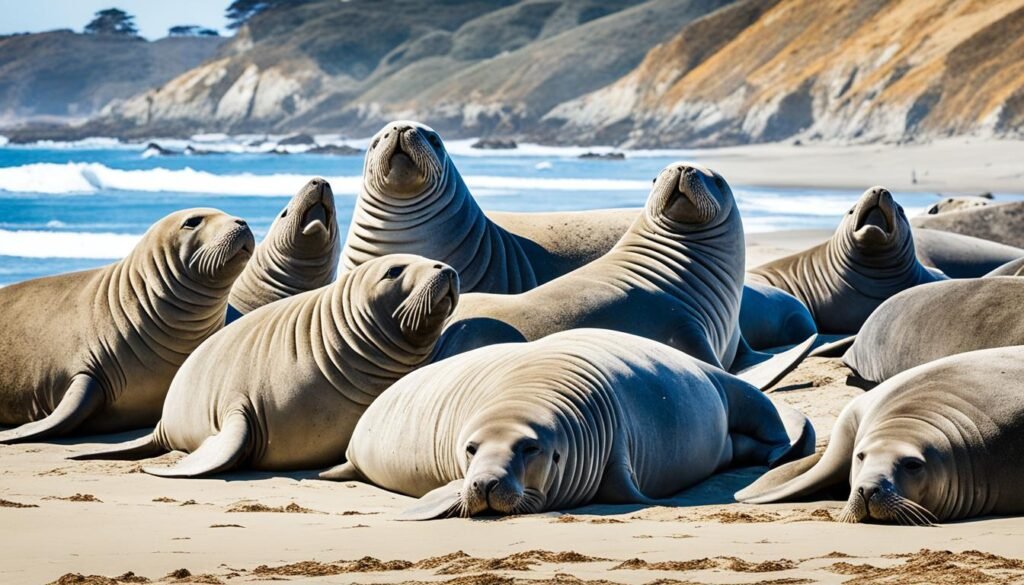
South of San Francisco, Año Nuevo is the main mainland elephant seal rookery in central California. From December through March, thousands of seals come ashore to mate, give birth, and molt. During the breeding season, access to the rookery is by guided walk only (reservations recommended), run by park staff who explain the seals’ behavior. Outside that window, the beach and bluff trails are open and quieter.
3. Channel Islands National Park
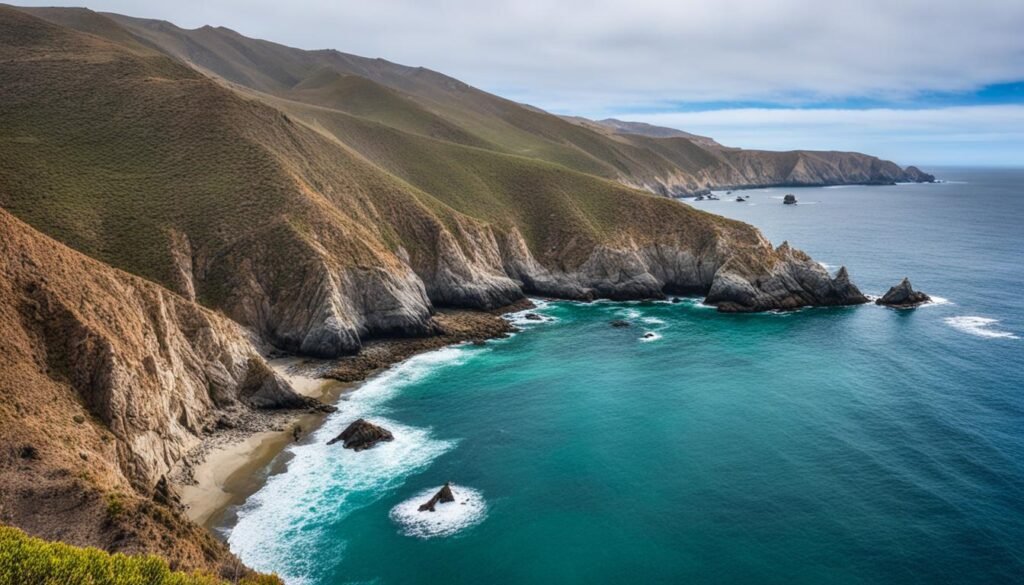
Off the Santa Barbara coast, this park is a marine sanctuary with sea caves, kelp forests, and the island fox — a species found nowhere else. Boats run from Ventura and Oxnard; once on the islands (Santa Cruz, Anacapa, Santa Rosa, San Miguel, Santa Barbara), you can kayak, hike, and snorkel among seals, sea lions, and seasonal whales. It is a full-day trip, so plan accordingly.
4. Moss Landing State Beach
On Monterey Bay, Moss Landing is one of the most reliable spots in the state to see sea otters — they raft in the harbor and slough year-round. The adjacent wetlands draw hundreds of bird species, including migrating shorebirds and pelicans. Bring binoculars; the otters are often close to the kayak launch.
5. Elkhorn Slough National Estuarine Research Reserve
Just inland from Moss Landing, Elkhorn Slough is a sheltered estuary where otters, harbor seals, and birds are easy to watch from the water. Kayak rentals and guided tours leave from the harbor; the reserve also has short walking trails and a visitor center with tide-timing info. It is calmer and more protected than open beaches, which makes it good for kids and first-time kayakers.
6. Monterey Bay
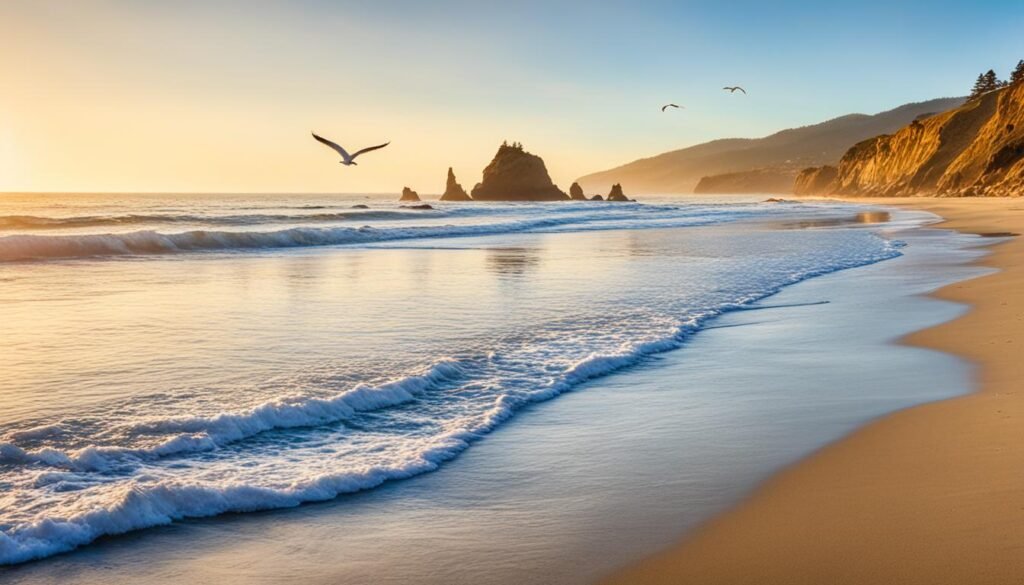
Monterey Bay’s submarine canyon brings deep-ocean wildlife close to shore. Whale-watching trips run from Monterey and nearby harbors year-round — gray whales in winter, humpbacks and blue whales in summer. From land, the Coast Guard Pier and the breakwater are reliable for sea lions, and the bay’s shorebirds are active at any tide.
7. Fitzgerald Marine Reserve
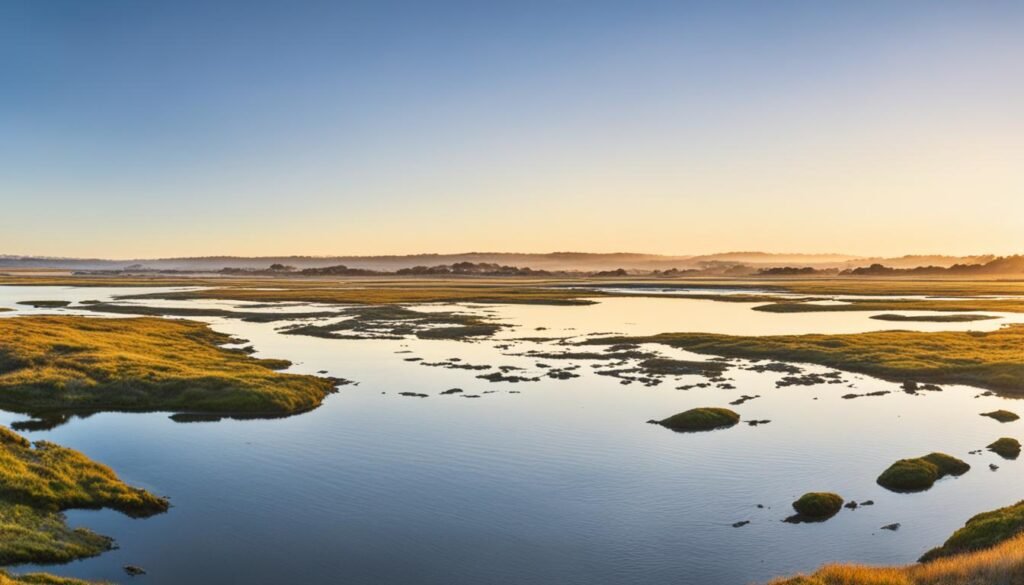
In Moss Beach, south of San Francisco, Fitzgerald has some of the most accessible tide pools in the region. At low tide you will find anemones, urchins, crabs, and occasional octopuses. The reserve asks visitors to stay off the rocks and watch where they step. Check the tide table — the pools are only exposed for a couple of hours around low tide.
8. Avila Beach
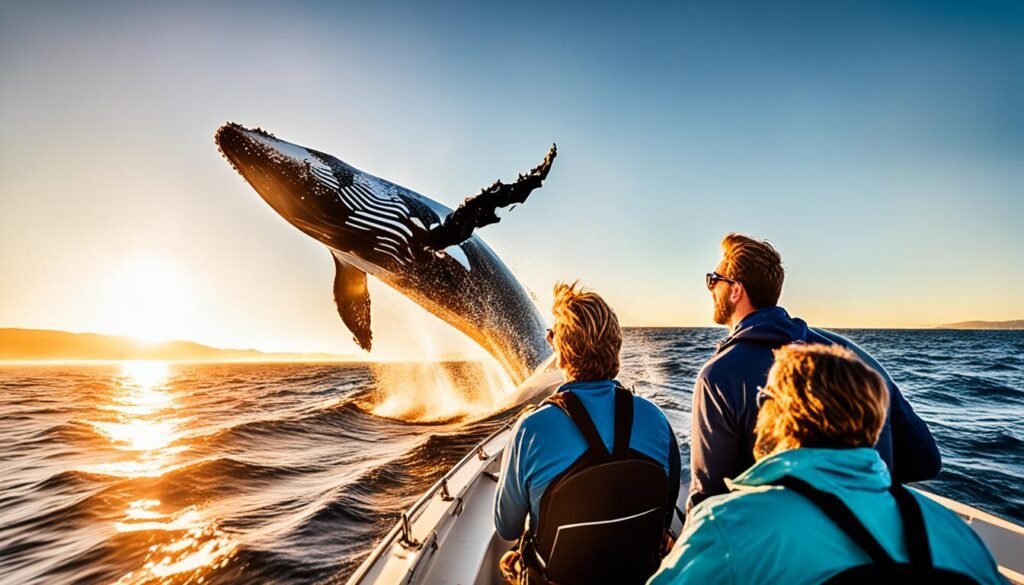
Near San Luis Obispo, Avila Beach is a gentle, north-facing cove where harbor seals haul out on the points and seabirds work the pier. It is calm enough for kayaking and paddleboarding, and the adjacent San Luis Obispo Bay is a winter spot for otters and migrating whales. Go early in the day when the wind is light.
9. Morro Bay State Park
Morro Bay’s estuary and the salt marsh behind the morro draw otters, herons, egrets, and migratory birds; Morro Rock itself is a protected peregrine falcon nesting site. The state park has short trails and a natural history museum. Kayak the back bay for the closest otter and bird views.
10. La Jolla Cove
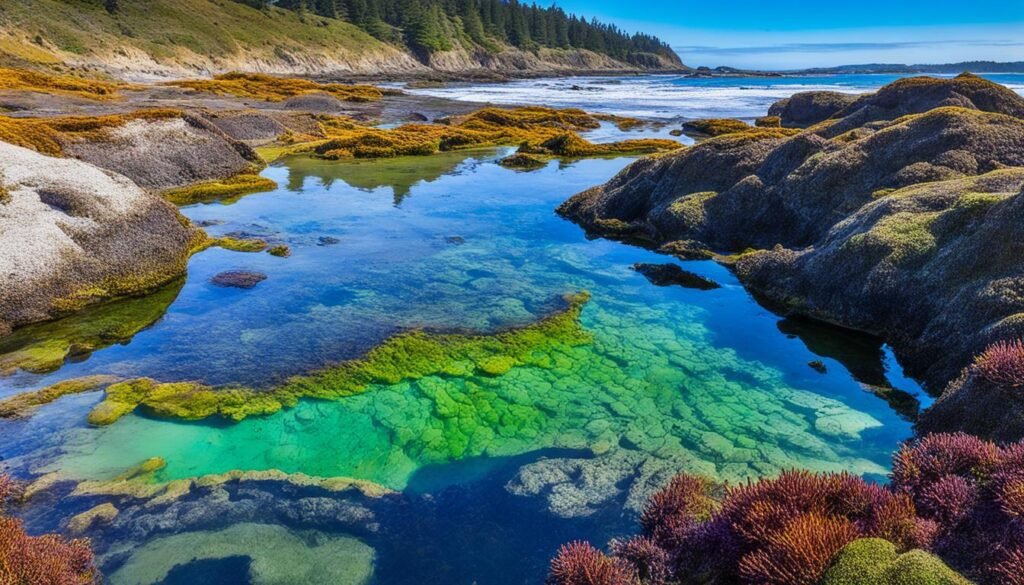
In San Diego, La Jolla Cove and the surrounding Ecological Reserve protect a dense population of sea lions and the occasional seal, plus a no-take underwater park that is popular with snorkelers. The cliffside walk from the cove to the Children’s Pool lets you watch the colony without disturbing it. Stay back from the animals — it is both a safety rule and federal law under the Marine Mammal Protection Act.
The best wildlife beaches in California are the reserves that limit foot traffic, so the animals stay close. Go at the right season, keep your distance, and you see more than at any zoo on the coast.