California’s reefs, kelp forests, and protected coves hold some of the easiest cold-water snorkeling in the country. You will need a wetsuit for most of the year — the water runs 55–65°F — but the visibility and marine life are worth it. Below are ten reliable spots, from San Diego to the Santa Cruz County coast, with notes on what you will see and when conditions are best.
La Jolla Cove, San Diego
La Jolla Cove sits inside the San Diego-La Jolla Ecological Reserve, which is why the fish and invertebrates here are so plentiful. You will see bright orange garibaldi, opaleye, and often leopard sharks in the sandy channel just outside the cove (they are harmless and most common in summer). The adjacent La Jolla Shores and the underwater park at the Shores are calmer and better for first-timers. Park on Coast Boulevard early; the lot fills fast.

Catalina Island (Lover’s Cove & Casino Point)
Reach Avalon by ferry from Long Beach or Dana Point. Lover’s Cove Marine Preserve, a short walk east of the ferry landing, has calm, clear water and a dense fish population — garibaldi, blacksmith, and the occasional visiting sea lion. Casino Point Dive Park, on the west side, is built around an artificial reef and is the easier shore entry. Both are protected, so expect good visibility in summer.
Channel Islands National Park (Scorpion Anchorage)
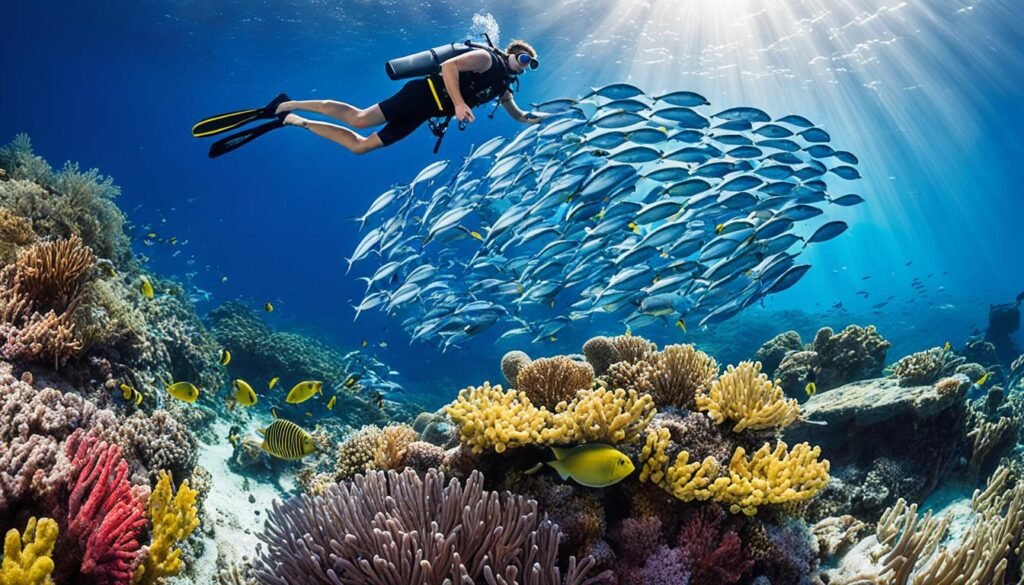
On Santa Cruz Island, Scorpion Anchorage is the most accessible snorkel spot in the park — you arrive on the concessionaire boat from Ventura and walk in from the beach. The water holds kelp forests, leopard sharks, and bat rays, with sea caves nearby. It is a full-day trip, and you need to bring your own gear; there is no rental on the island.
Point Lobos State Natural Reserve, Carmel
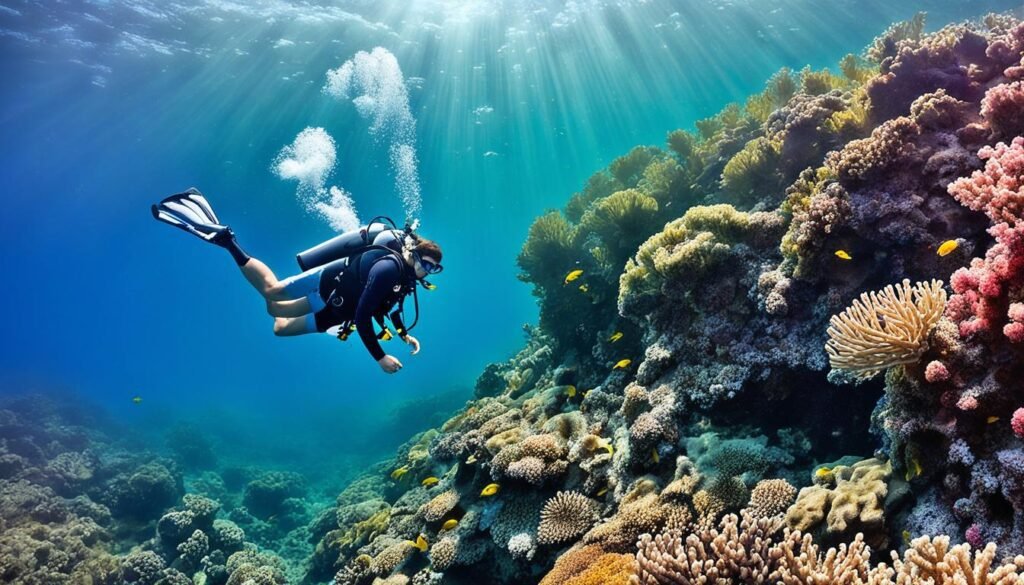
Point Lobos, south of Carmel, is one of the most dramatic shorelines in the state and a genuine snorkel and dive site. Note that snorkeling here requires a dive permit (the reserve manages entry to protect the ecosystem), so check the permit rules before you go. Where allowed, you will see kelp, rockfish, and abundant invertebrates along the rocky reefs.
Shaw’s Cove, Laguna Beach
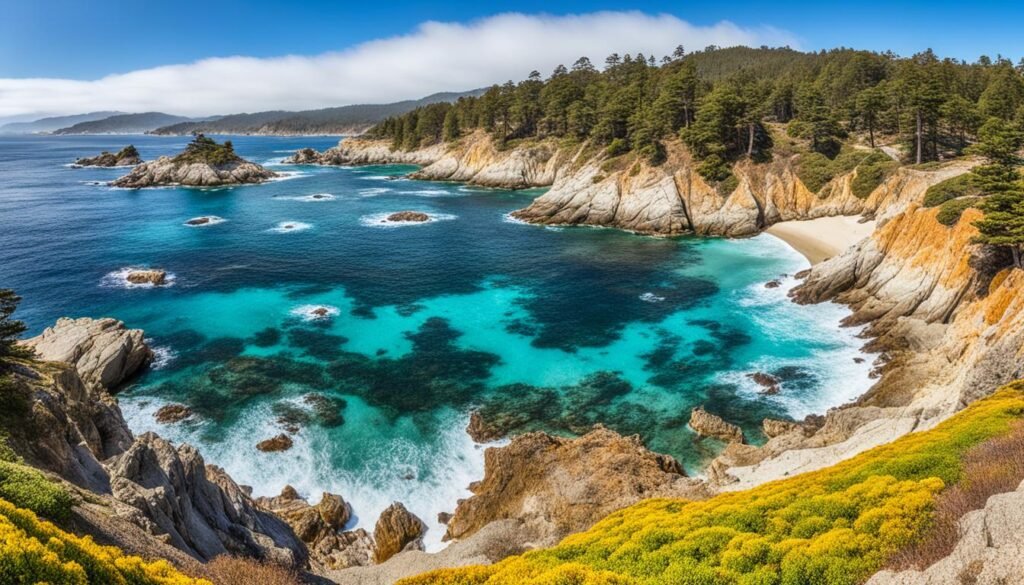
Just north of Main Beach in Laguna, Shaw’s Cove is a small protected cove with a sandy entry and rocky reefs on both sides. Visibility is often good, and the rocks hold garibaldi, senorita fish, and nudibranchs. It is a popular training spot for divers, which is a good sign for calm conditions.
Leo Carrillo State Park, Malibu
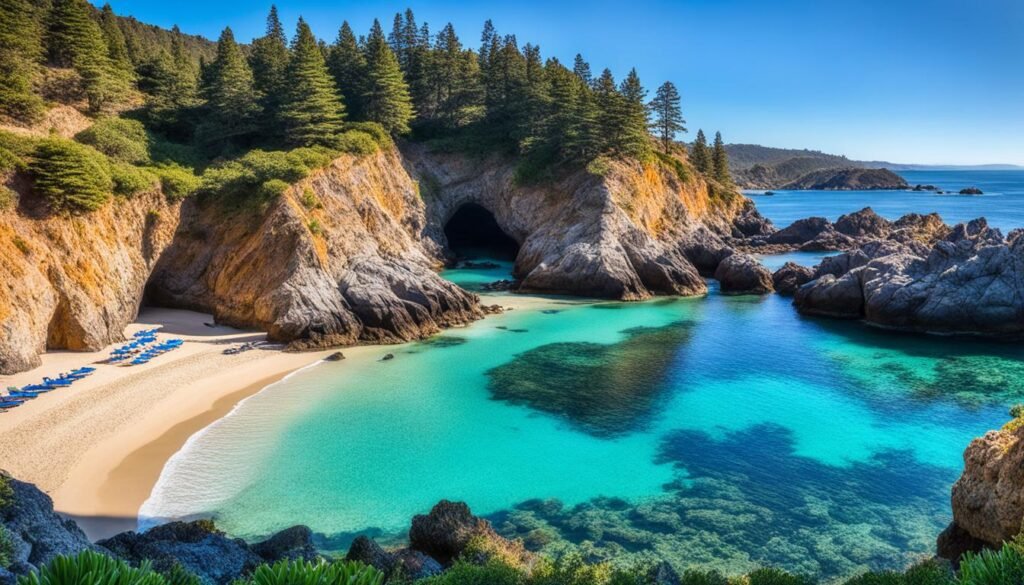
Leo Carrillo has rocky reefs and sea caves at the north end of its beach, near the Los Angeles–Ventura county line. The reef off Sequit Point is the known snorkel area; watch the surge near the caves. It is a state beach, so there is a day-use fee and parking fills early on weekends.
Refugio State Beach, Santa Barbara
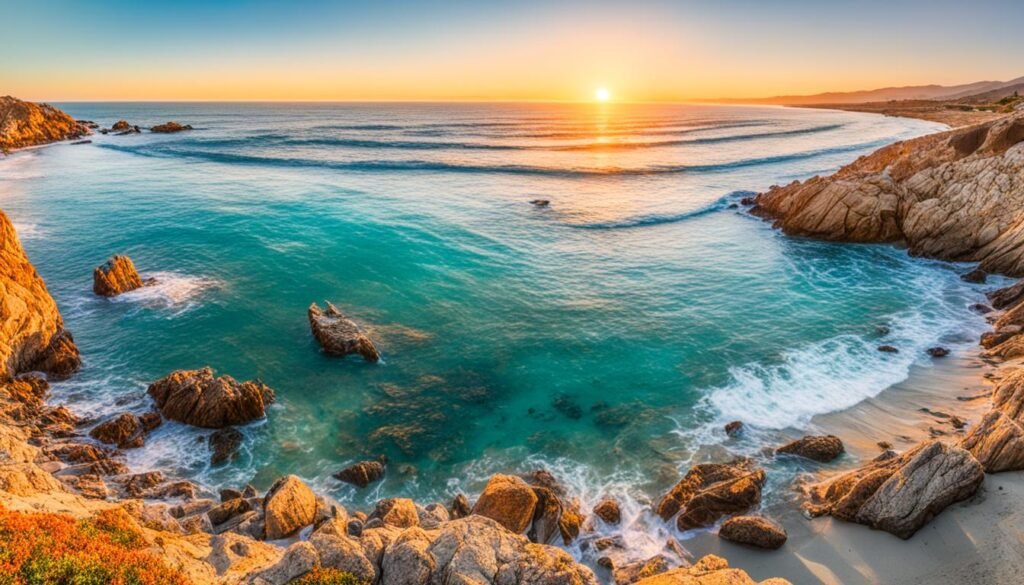
Refugio, west of Santa Barbara, has a sheltered cove with a reef that draws garibaldi, perch, and the occasional passing sea lion. The water is usually calmer than the open coast, which makes it a reasonable intermediate spot. Bring your own gear; there is no on-site rental.
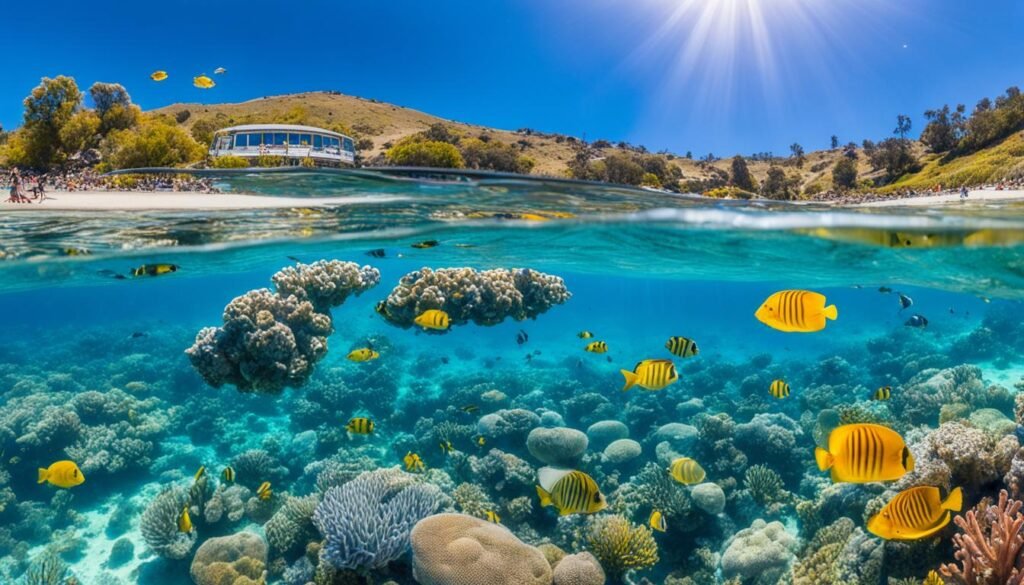
Lover’s Cove-style coves on the mainland: Diver’s Cove, Laguna Beach
Diver’s Cove sits immediately north of Shaw’s Cove and shares the same protected conditions. The rocky reef is shallow and close to shore, good for a relaxed snorkel. Together, Shaw’s and Diver’s make a nice two-cove morning in Laguna.
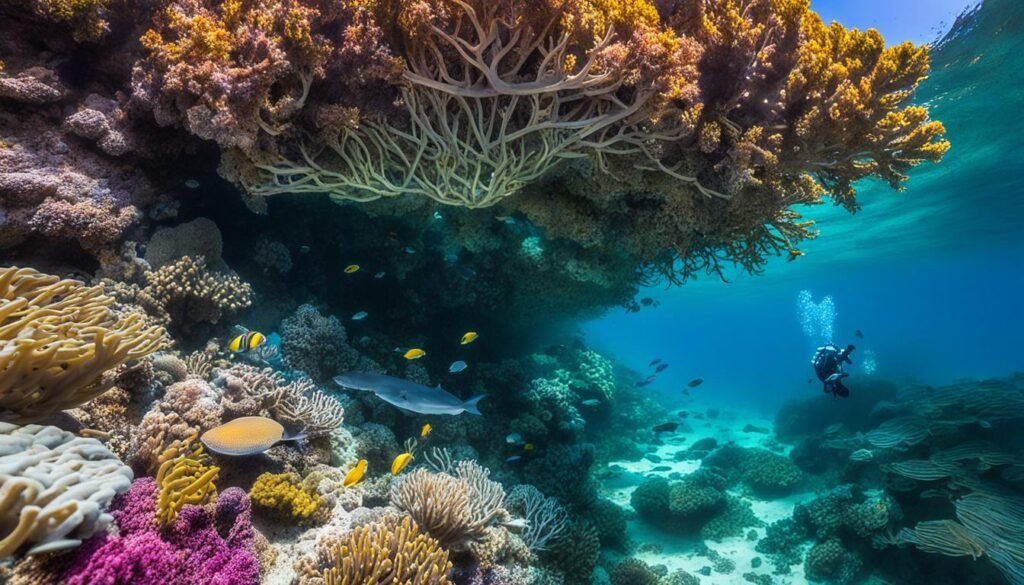
Shark Fin Cove, Davenport
North of Santa Cruz, Shark Fin Cove is a dramatic rocky inlet named for the fin-shaped rock offshore. The water here is cold, surge-prone, and better suited to experienced snorkelers who check the conditions first. The setting — sea stacks and a pocket beach — is the main draw, so treat it as a sightseeing snorkel rather than a beginner spot.
Practical tips
- Bring a wetsuit. A 4/3mm or thicker is standard for most of the year; a thin springsuit is fine only in late summer.
- Check the rules. Most of these are marine protected areas — no taking anything, and some (like Point Lobos) need a permit for in-water activity.
- Go at slack tide and in the morning for the calmest water and best light.
- Respect the wildlife. Leopard sharks and sea lions are wild; keep your distance under the Marine Mammal Protection Act.
Conclusion
California’s best snorkeling is in its protected coves and reserves: La Jolla for fish and leopard sharks, Catalina and the Channel Islands for kelp and clear water, and Laguna’s pocket coves for easy entries. Pack a wetsuit, confirm whether a permit is required (Point Lobos especially), and pick a calm morning. If you are new to cold-water snorkeling, start at La Jolla Shores or Shaw’s Cove where conditions are forgiving, then work up to spots like Shark Fin Cove. Always check the current access rules and water conditions on the managing agency’s site before you head out.