The East Bay is the eastern side of the San Francisco Bay Area, running from Oakland and Berkeley north through Albany, El Cerrito, Richmond, and San Pablo, and east to Walnut Creek, Pleasanton, and the Lamorinda towns (Lafayette, Moraga, Orinda). It is the Bay Area’s most varied housing region: dense, transit-rich cities on the bay side and sprawling suburbs in the inland valleys. The throughline is price, the East Bay is cheaper than San Francisco and closer-in than the far suburbs, but it is not “affordable” in any absolute sense.
Communities
The bay-side cities (the old “Berkeley and Oakland” focus) are the core:
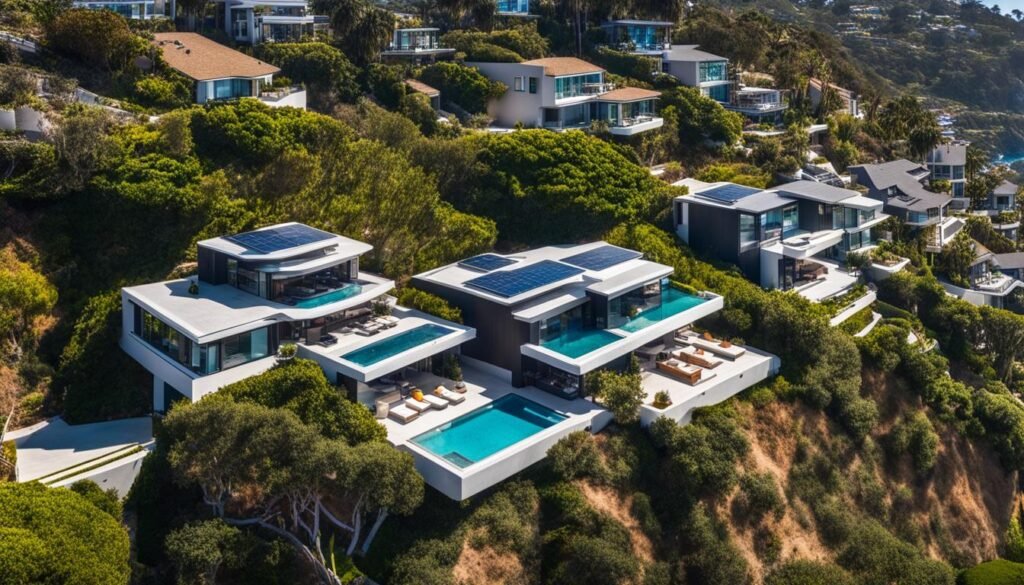
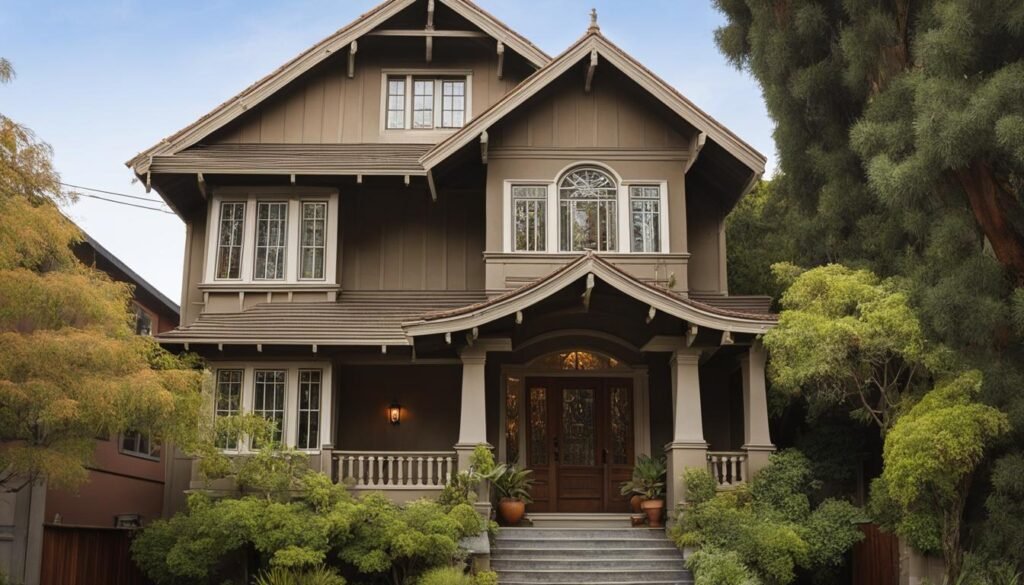
- Berkeley. North and South Berkeley, the Berkeley Hills, and West Berkeley; Craftsman homes, walkable commercial districts, and UC Berkeley. North Berkeley is known for tree-lined streets and Craftsman architecture; the Hills have bay views and Tilden Regional Park.
- Oakland. Montclair, Trestle Glen, Rockridge, Temescal, West Oakland, and around Lake Merritt; see the Oakland guides for the detail.
- Albany, El Cerrito, Richmond. Smaller bay-side cities; El Cerrito Hills has bay views and good schools.
- Inland. Walnut Creek, Pleasanton, Dublin, and Lamorinda are larger suburbs with newer homes, top schools, and BART or 680/24 access.
The market
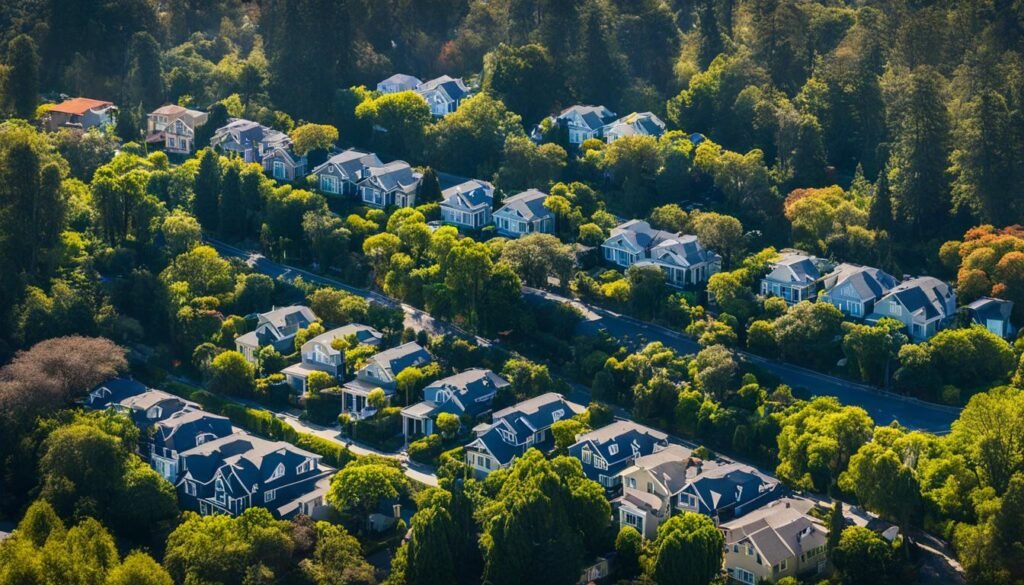
The East Bay is not one market. The bay-side cities (Berkeley, Oakland, Albany) are tight and pricey, with Craftsman and Victorian homes drawing multiple offers. The inland valleys (Walnut Creek, Pleasanton, Dublin) are larger, newer, and a bit more affordable per square foot, but still Bay Area-expensive. The old copy’s “thriving market with wide appeal and a suburban feel” framing overstates it; call it a broad, competitive region where neighborhood choice decides everything. Verify the live median per city, because Oakland and Pleasanton are worlds apart in price.
Why the East Bay
- Transit. BART and Amtrak connect the whole region to San Francisco and San Jose; the bay-side cities are the most commute-friendly.
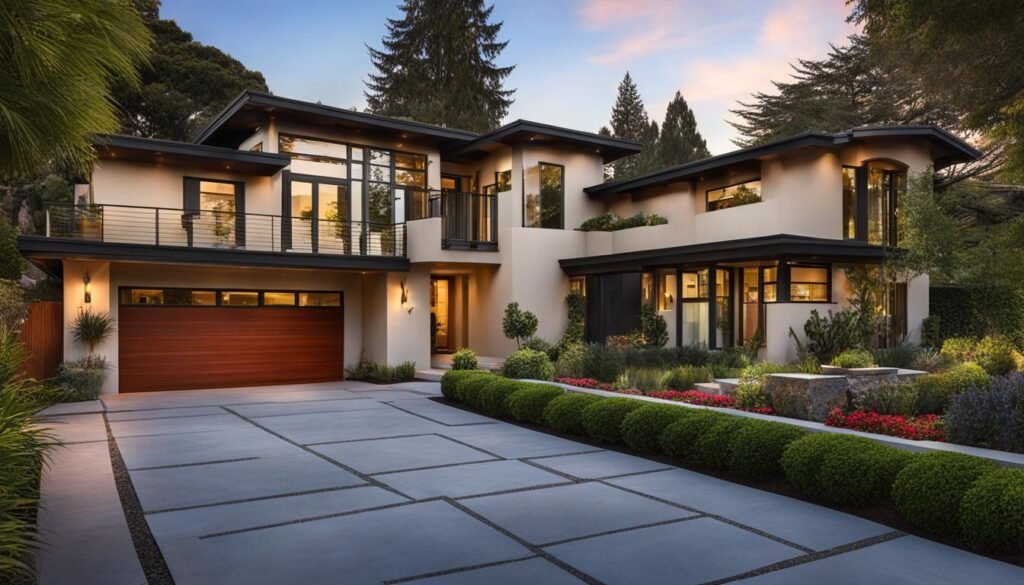
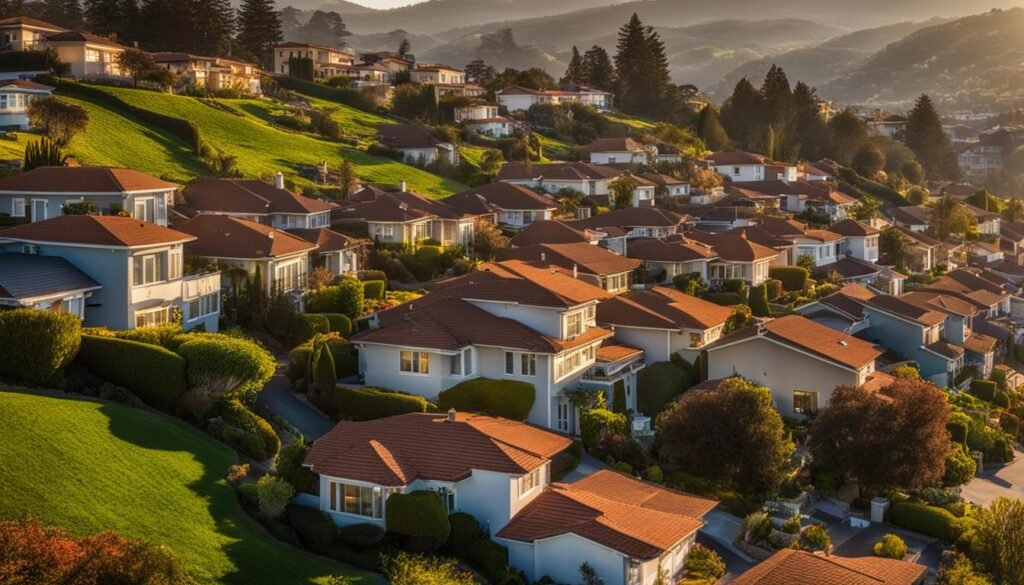
- Variety. Victorians, Craftsman bungalows, mid-century hillside homes, condos, and new-construction suburbs.
- Culture. UC Berkeley, the Oakland Museum of California, and a dense restaurant and music scene.
- Parks. Tilden and Redwood Regional Parks, the Berkeley hills, and the waterfront.
Note: the old article named a specific agent (“Lisa Peck”) as the person to call. That is a promotional reference, not editorial content, and has been removed; use whatever licensed East Bay agent you choose.

Tips for buyers
- Pick the sub-market. Bay-side (Berkeley/Oakland) vs. inland (Walnut Creek/Pleasanton) differ hugely in price and feel.
- Live data. Verify the median per city; regional averages hide the spread.
- Local agent. An East Bay agent who works the specific city knows the school boundaries and the hills-vs-flatland trade-offs.
- Inspect. Older Berkeley/Oakland homes need foundation, plumbing, and seismic checks.

Final thoughts
The East Bay is the Bay Area’s broad middle: cheaper than San Francisco, more varied than the Peninsula, and spanning dense cities and sprawling suburbs. The old writeup overstated it (calling the region uniformly thriving with wide appeal and a quiet-suburb feel) and plugged a named agent, so correct those: it is a competitive, neighborhood-driven region where the bay side and the inland valleys are different markets. Whether you want a Berkeley Craftsman or a Pleasanton tract, verify the live median for that city, hire an agent who works it weekly, and judge each community on its schools, transit, and price, because “the East Bay” describes a dozen different housing markets, not one.