Oakland is the hub of the East Bay, across the bay from San Francisco and next to Berkeley. It is a big, diverse city (around 440,000 people) with a real urban core, a working port and railyard, and some of the most varied neighborhoods in the Bay Area. The housing story is simple: cheaper than San Francisco and Berkeley, but still a pricey Bay Area market, not the “affordable” one the old writeup implied. Expect a median in the high $700,000s to around $900,000 for all home types in recent years, and verify the live figure.
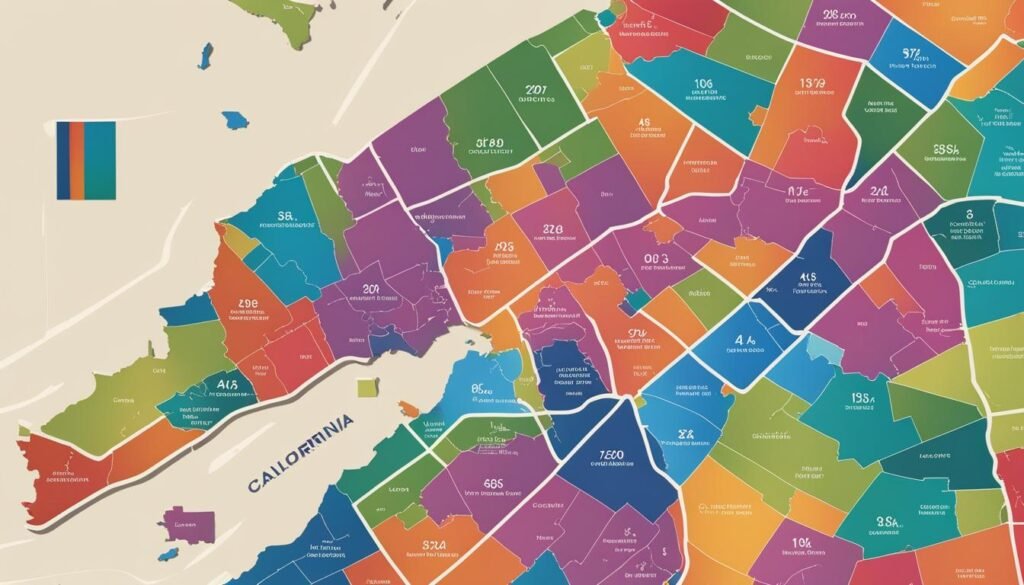
Neighborhoods and zip codes
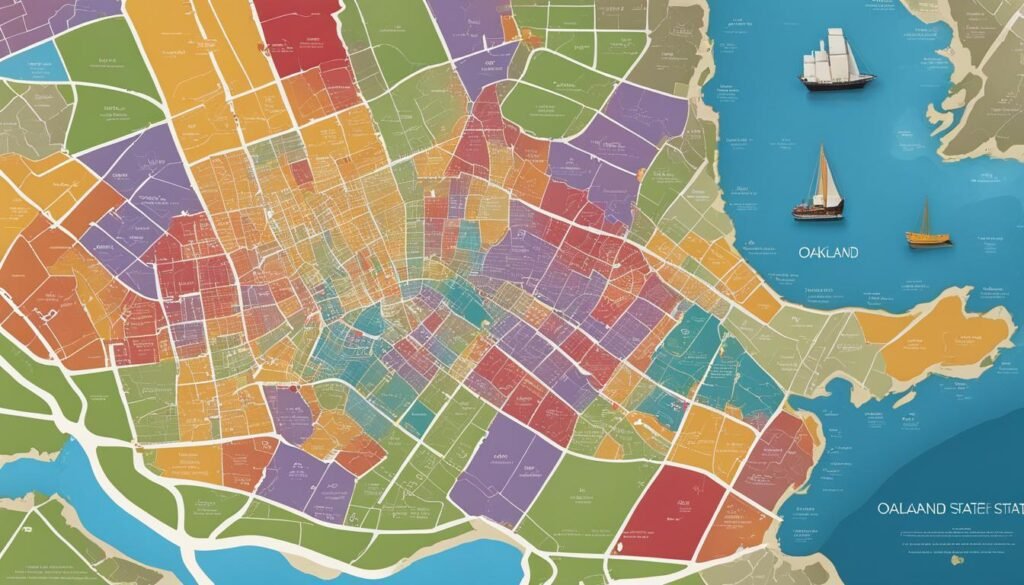
Oakland’s neighborhoods differ sharply by hill, flat, and waterfront. The real ones:
- Montclair. Hillside, wooded, village shopping; the most suburban feel.
- Trestle Glen. Walkable, leafy, close to downtown and Grand Lake.
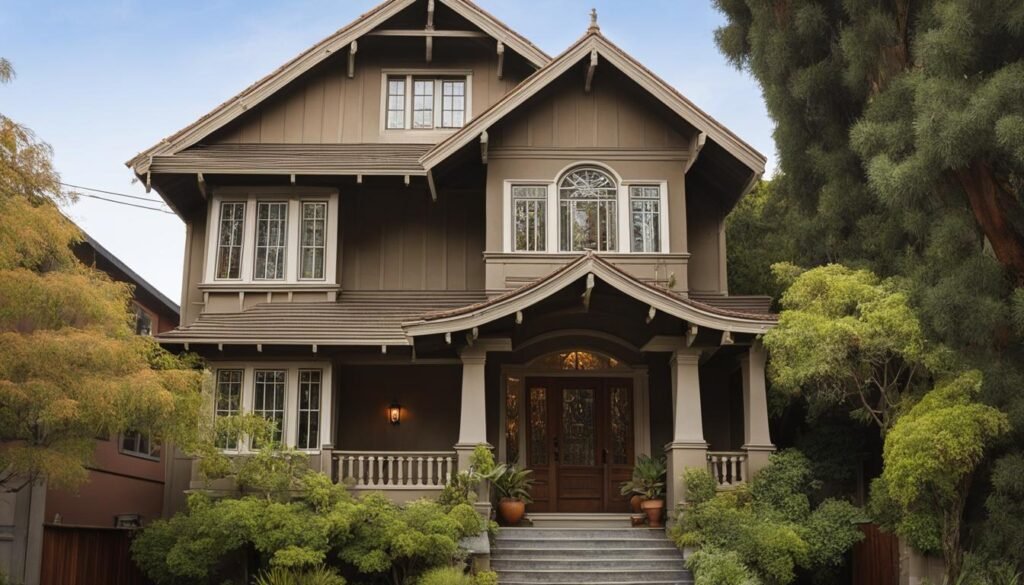
- Rockridge and Temescal. The 51A corridor, popular for shops, BART, and Craftsman homes.
- West Oakland. Flat, near the Bay Bridge and BART; rapidly changing and dense.
- Grand Lake, Adams Point, Lakeshore. Around Lake Merritt, the city’s signature green space.
- Piedmont Avenue and Montclair vs. the flatlands (East Oakland) differ hugely in price and character.
Note: North Berkeley and West Berkeley are in Berkeley, a separate city, not Oakland, so ignore any list that lumps them in. Oakland zips include 94601, 94602, 94605, 94607, 94610, 94611, and 94619; 94501 is Alameda and 94705 is Piedmont, neighboring cities.

The market
The “$875,000 median, +1.6% year-over-year, 110 homes over asking, 32 days on market” figures in the old writeup are from late 2023 and stale. The market has shifted since; confirm the current median and days-on-market on a portal. What has not changed: Oakland is competitive in the popular hillside and lake neighborhoods, with multiple offers on clean homes, while the flatlands move slower and at lower prices. It is not a bargain market overall, but it is the relative value play of the inner Bay Area.
Living there
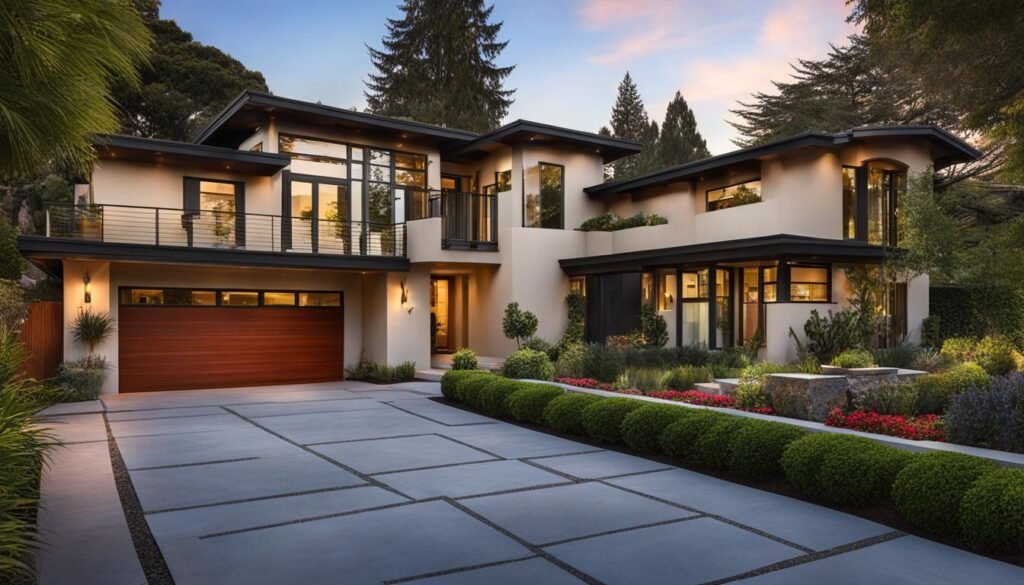
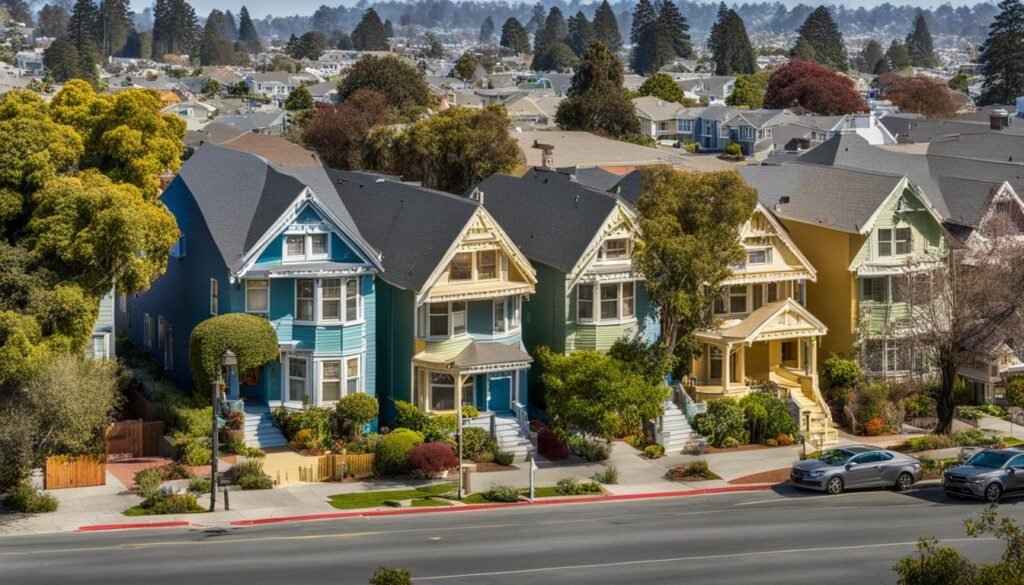
- Housing types. Victorian and Craftsman homes in the hills and older flats, condos and townhomes near BART and the waterfront, new construction in redeveloped areas.
- Transit. BART and Amtrak, plus the Bay Bridge to SF; Oakland is the most commute-friendly of the East Bay cities.
- Food and culture. A genuine restaurant and music scene (Temescal, Grand Lake, Jack London Square); the city’s diversity is its calling card.
- Parks. Lake Merritt, Redwood Regional Park, and the hillside preserves.

Schools
Oakland is mainly served by Oakland Unified (OUSD), with a mix of neighborhood, magnet, charter, and private schools; Piedmont and Alameda are separate districts for their own cities. School quality varies block by block, so check the exact address. The city also has several respected private and parochial options.
Tips for buyers
- Get the live median. The 2023 numbers are stale; pull current data per neighborhood.
- Separate the cities. Berkeley, Piedmont, and Alameda are not Oakland; don’t let a listing blur them.
- Local agent. An East Bay agent who knows the micro-markets (hills vs. flatlands) is essential.
- Inspect. Older Oakland homes (foundation, plumbing, seismic retrofit) need the usual checks.
Final thoughts
Oakland is the inner Bay Area’s value option, cheaper than SF and Berkeley but still expensive, and far from “affordable” at a ~$800k+ median. The old writeup misframed it (lumped Berkeley into Oakland, used stale 2023 numbers, called it affordable) so correct those: it is a diverse, transit-rich city where neighborhood choice decides everything, hillside and lake areas compete hard, the flatlands are slower and cheaper. Verify the live median, hire an East Bay agent who knows the hills-versus-flatlands split, and check schools by address. The throughline: you are trading some SF premium for a grittier, more diverse city with real transit, just don’t expect a bargain.