Mammoth Lakes in July is, in my opinion, the single best version of this town. I know people who swear by ski season, and I understand the appeal, but if you’re wondering whether July is worth the peak-season prices and the extra planning, the short answer is yes. The trails are finally snow-free, the lakes have thawed, the days stretch on for fourteen hours, and the whole Eastern Sierra seems to open up at once. It’s the warmest month of the year here, and yet you’ll still want a fleece at night — which tells you most of what you need to know about mountain summers.
The catch is that everyone else knows this too. July sits squarely in peak summer tourism, families are out of school, and the festival calendar is stacked. But crowds in Mammoth are not crowds in Yosemite Valley, and with a bit of timing you can have alpine lakes largely to yourself. Let me walk you through what July actually looks like up here.
A High-Altitude Town in Its Best Season
First, some context, because the elevation shapes everything. The town sits at roughly 7,800 to 8,000 feet, which means the sun is fierce, the air is thin, and the temperature swings between afternoon and midnight are dramatic. If you’re coming up from Los Angeles or the Bay Area, your body will notice.
By July, the seasonal transition is essentially complete. June can be a gamble — lingering snow on high passes, trails that are half slush, lakes still bitterly cold — but by July the vast majority of trails, passes, and lakes are fully accessible. The July-to-September window is the most versatile time to visit for anything that isn’t skiing, and July kicks it off with the most energy. It’s also, frankly, the busiest of those months for summer activities, so book things early.
What the Weather Actually Does in July
Daytime highs typically land around 75–80°F (24–26°C), with the occasional hotter spell nudging towards 87°F. That sounds warm, and it is, but the humidity averages around 36%, so it never feels sticky. Standing in the shade at 8,000 feet on a 78-degree day is genuinely pleasant in a way that 78 degrees in a valley town is not.
Then the sun goes down and the mountain reminds you where you are. Nighttime lows commonly sit between 42 and 52°F, and in cooler years they can dip to around 39°F. Campers, take note. I once turned up at Twin Lakes in mid-July with a summer-weight sleeping bag because the forecast said “low of 45” and I decided that sounded fine. It was not fine. I spent the small hours wearing every layer I’d packed, including a rain jacket, and drove into town at 6am for coffee that cost me about four dollars and felt worth forty. Bring a proper bag rated for near-freezing. You will not regret the extra weight.
Rain barely features. July typically sees somewhere between 13 and 22mm for the entire month, spread across four to six days, usually as brief afternoon showers rather than proper storms. You get roughly 14 to 14.5 hours of daylight and something like 12 hours of actual bright sunshine on a good day, with about a two-in-three chance of any given day being sunny.
The one number people underestimate is the UV index, which regularly hits high to extreme levels — 6 up to 11. At this altitude the atmosphere filters far less of it, and I’ve watched confident, tanned visitors turn lobster-pink in a single morning on the water. Sunscreen is not optional here. More on packing later, but that’s the headline.
Why July Beats the Other Summer Months
Three things come together in July that don’t quite align at any other time.
- Full trail and lake access. The high passes have shed their snow, Devils Postpile and Rainbow Falls are open without winter restrictions, and the John Muir Trail sections nearby are actually walkable rather than an ice-axe exercise.
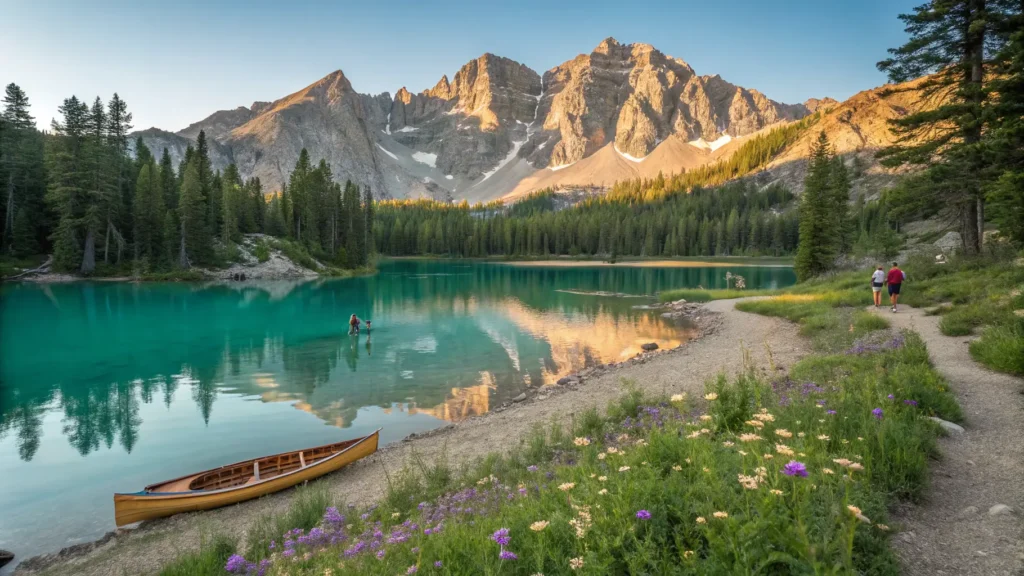
- The water is usable. The Lakes Basin — Lake Mary, Lake George, Twin Lakes — is thawed and ready for paddling, fishing, and brave swimming.
- The events calendar is genuinely packed. Mammoth JazzFest, the Reggae Festival, Villagefest, the Unbound Chamber Music Festival, the Kids Fishing Festival, beach volleyball at Shady Rest, XC mountain bike races — dates shift year to year, but there’s rarely a July weekend without something on.
August is a fair rival, and I’d argue it’s slightly quieter, but July has the freshest feel. Meadows are still green, wildflowers are typically blooming in the subalpine areas, and creeks are running strong with snowmelt. By late August things have browned off a bit. If you want the Sierra at its most alive, July is your month.
Hiking When Everything Is Finally Open
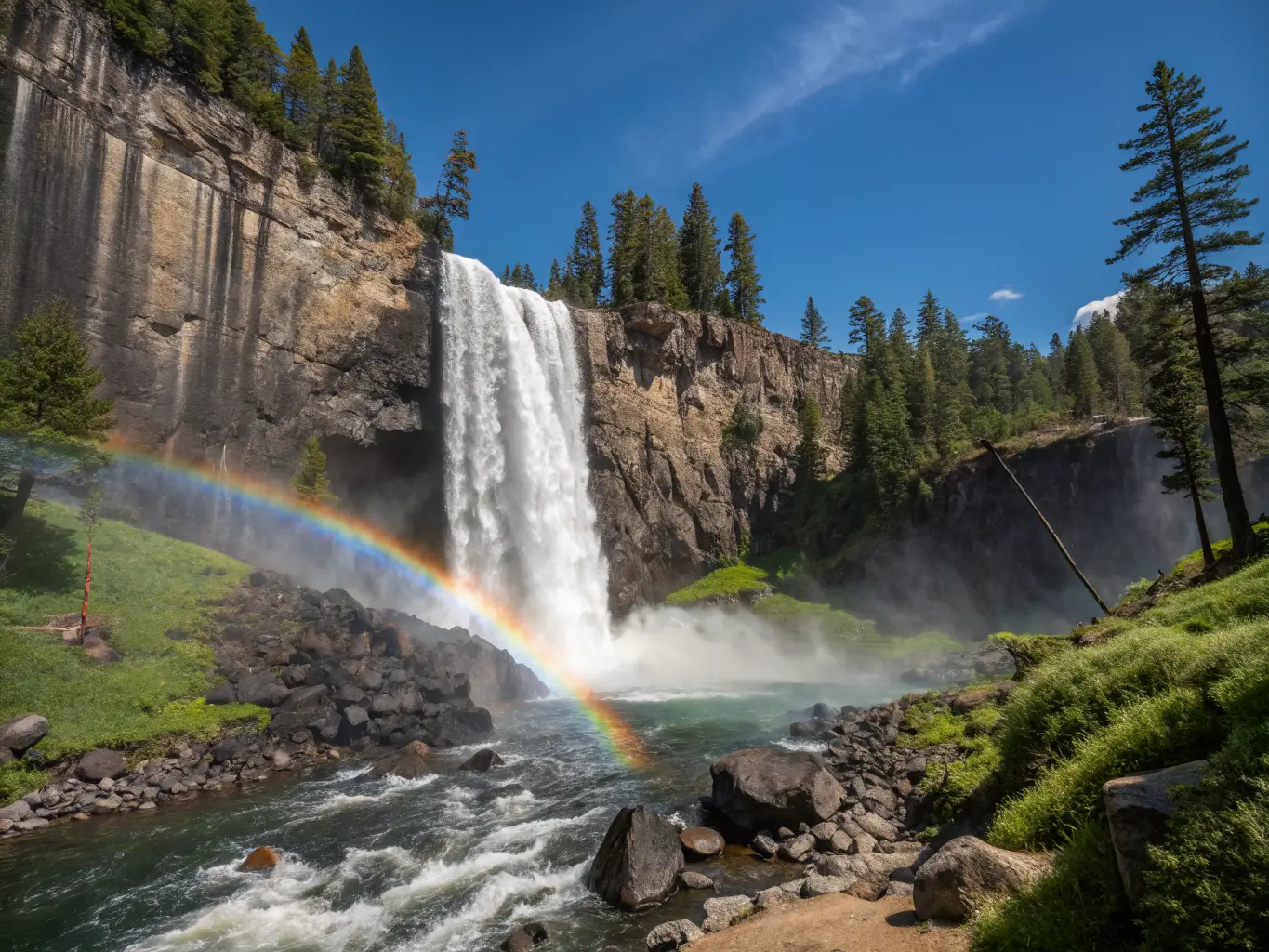
This is the main event. Start with the classics: the shuttle-accessed trail to Devils Postpile, those strange hexagonal basalt columns that look engineered rather than geological, and the continuation down to Rainbow Falls, which is at its best in July light around midday when the mist actually throws rainbows. Note that you’ll likely be taking the mandatory shuttle from the Mammoth side during peak hours — mildly annoying, but it keeps the narrow road from becoming a car park.
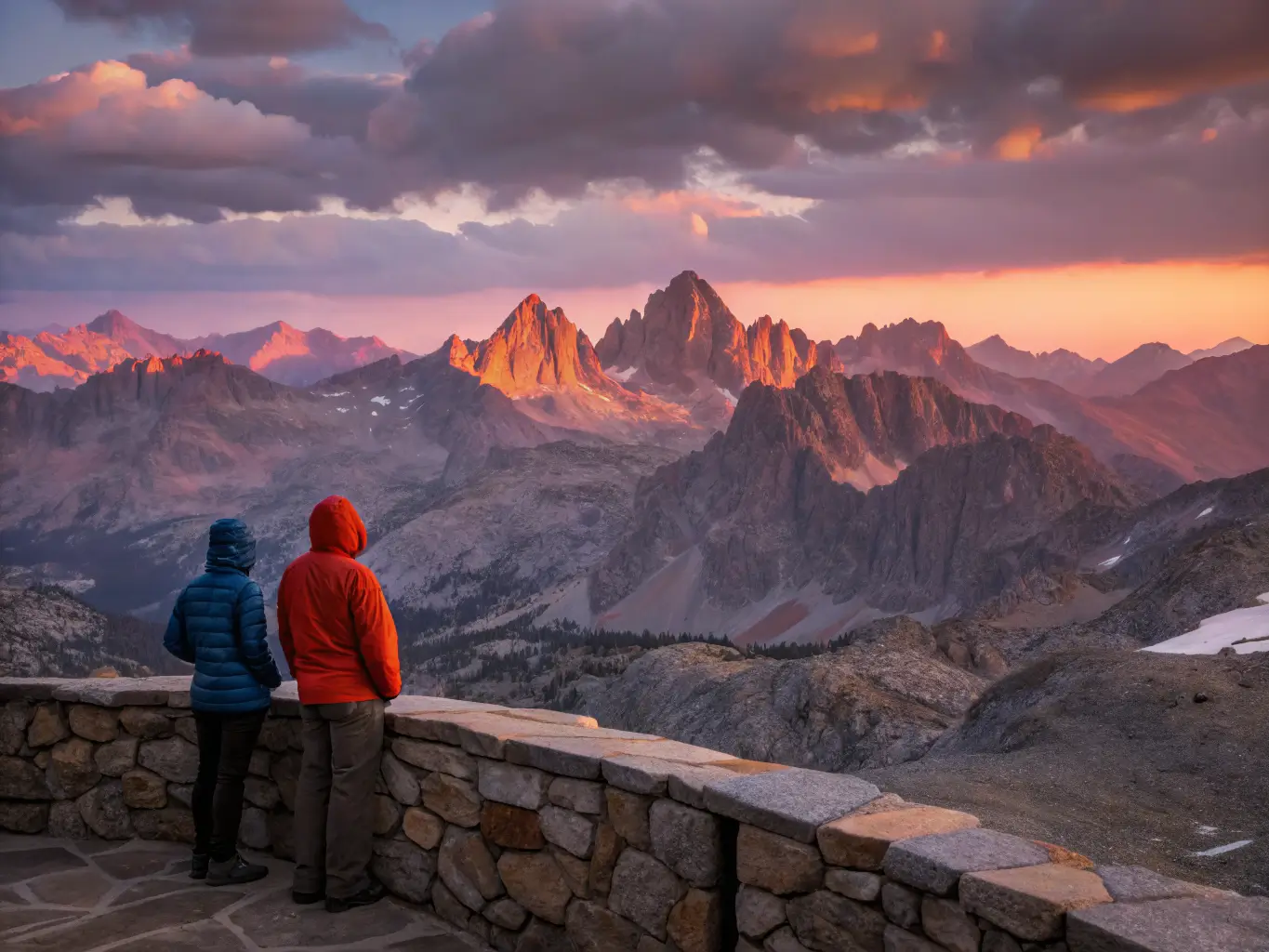
The Lakes Basin is the other obvious anchor. Loops around Lake Mary and Lake George, the short climb to Crystal Lake, the walk along Twin Lakes — none of it is hard, all of it is lovely, and most of it works for kids. For a near-zero-effort payoff, drive up to Minaret Vista for one of the best views in the entire range. Go at sunset. Bring that fleece.
Backpackers get the real prize. Once the snow clears, multi-day routes into the Ansel Adams and John Muir Wildernesses open up properly, and July gives you long days, dry weather, and running water sources. Permits go quickly for the popular trailheads, so sort those well in advance rather than hoping for walk-ups.
The Lakes Basin: Paddling, Fishing, and Cold-Water Bravery
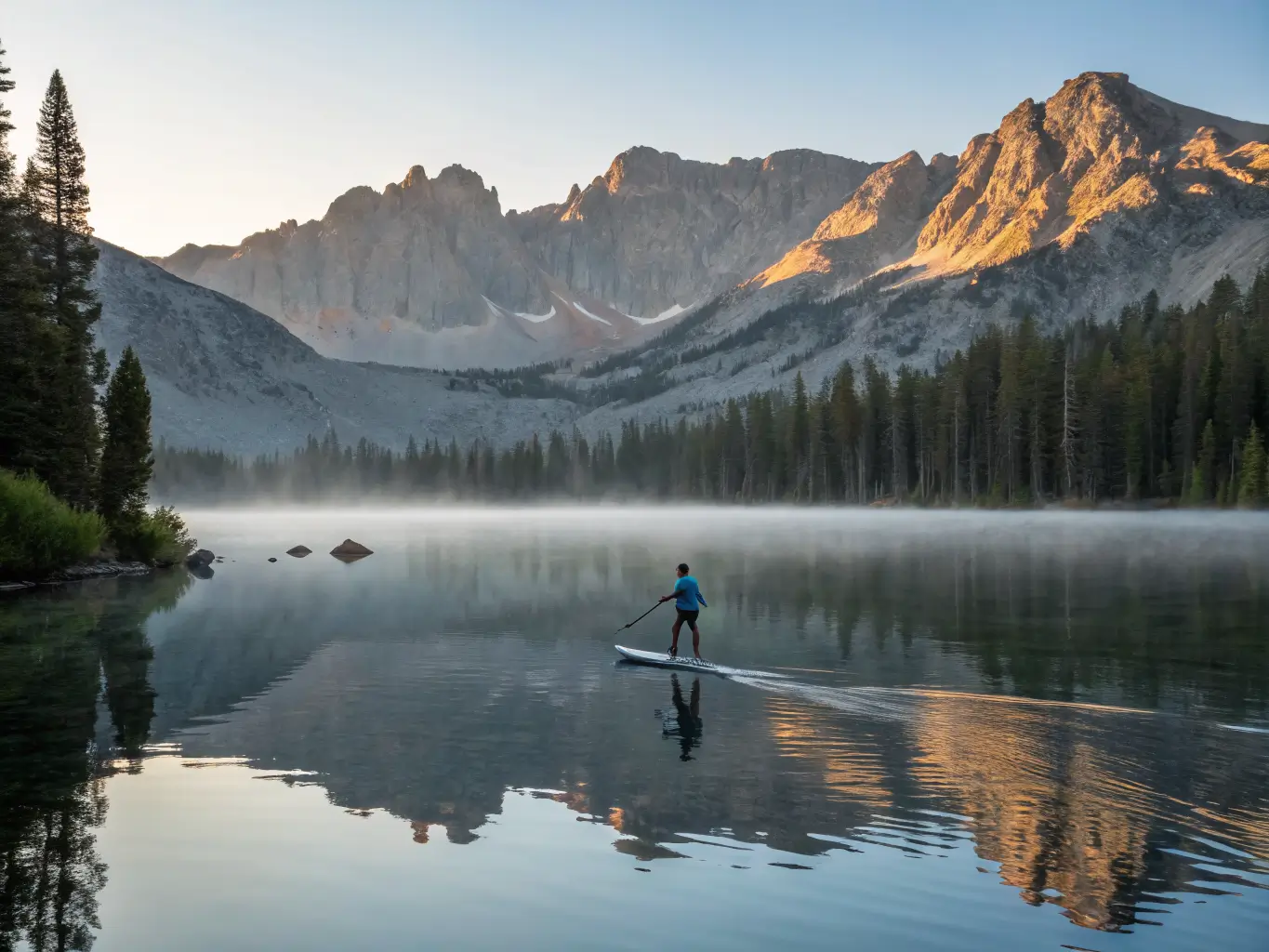
On a warm July afternoon there’s no better place to be than on the water. Kayaks, canoes, and paddleboards all work beautifully on Lake Mary and Lake George — the water is usually glassy in the morning before the afternoon breeze picks up, so paddle early if you want mirror reflections of the Crystal Crag. Pokonobe Marina on Lake Mary rents small craft if you haven’t hauled your own up the hill, which honestly most people shouldn’t bother doing for a short trip.
Fishing is arguably the region’s signature summer pastime, and July is prime time. Twin Lakes, Lake Mary, and Lake George all hold healthy trout populations, the water is fully open, and conditions stay stable for weeks at a stretch. The town leans into it too — the Kids Fishing Festival in July is a proper family event, and a lovely low-stakes way to get children hooked, so to speak.
As for swimming: yes, you can, and no, it’s not warm. These are alpine lakes fed by snowmelt. On a hot afternoon a quick plunge is genuinely refreshing, but this is dip territory rather than lap-swimming territory, and anyone promising you balmy water is either lying or from Scotland.
Mountain Biking on the Big Hill
When the lifts stop carrying skiers, they start carrying bikes, and the Mammoth Mountain Bike Park runs at full tilt through July with lift-served downhill and cross-country trails across every skill level. If you’ve never done lift-served riding before, it’s a strange luxury — all descent, no grinding climbs — though I’d gently suggest renting proper protective gear and starting on the green flow trails, because the mountain’s reputation for chewing up overconfident riders is well earned.
Related links
Free things to do in Mammoth Lakes
Away from the lift lines, the community XC races are worth a look even if you’re just spectating — they typically run from the Main Lodge and finish near the Earthquake Fault, over distances of roughly 6.7 to 10.3 miles, and the atmosphere is friendly rather than cut-throat. Road cyclists and gravel riders do well here too. The scenic mountain roads and endless fire roads make for brilliant riding, provided you respect the altitude and carry more water than your legs think you need.
Camping, Gondolas, and Hot Springs After Dark
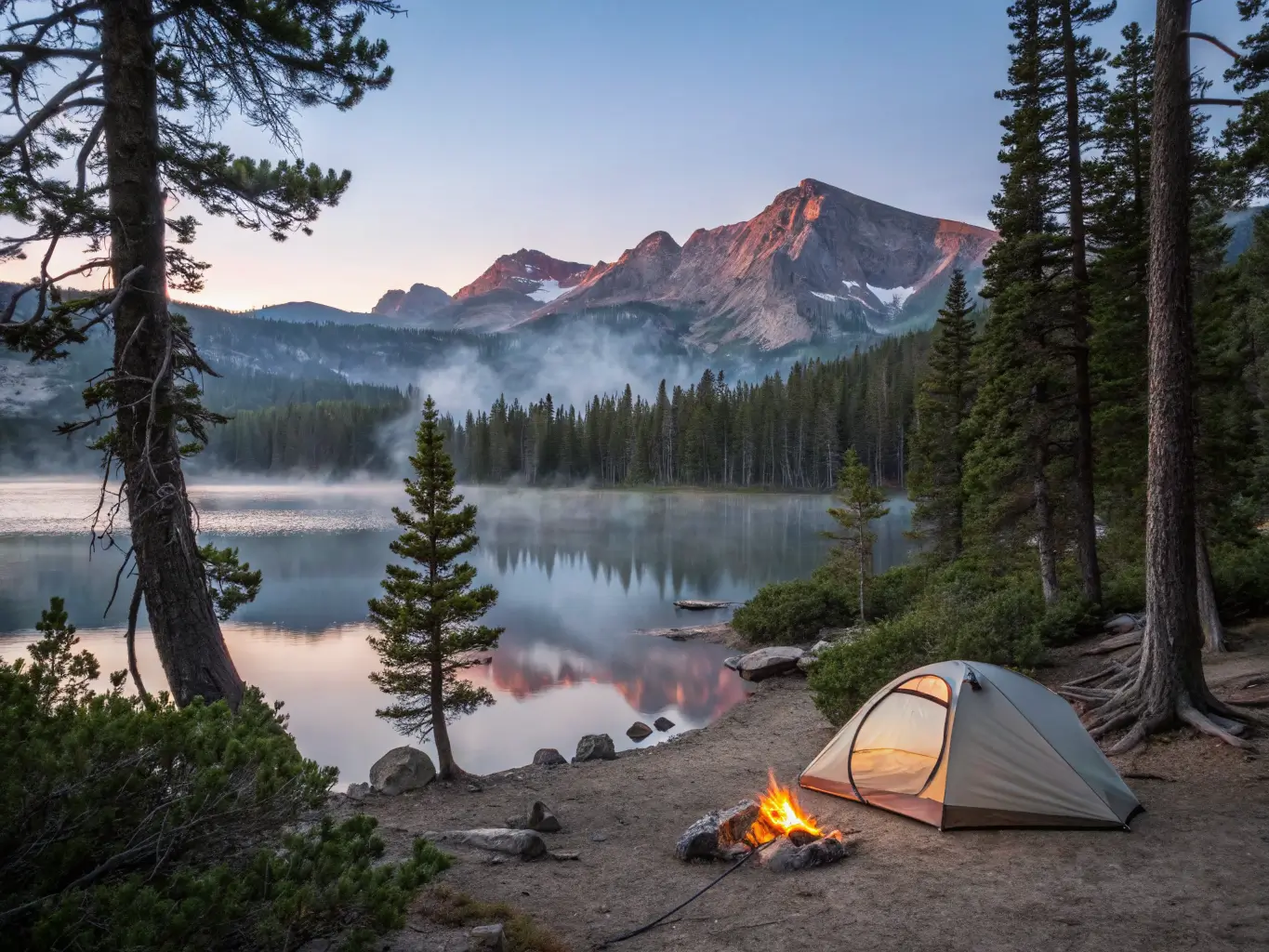
July is the prime month for camping in Mammoth, full stop. The established campgrounds around Lake Mary, Twin Lakes, and Convict Lake fill fast, and I do mean fast — if you’re targeting a July weekend, book the moment reservations open rather than a few weeks out. Warm dry days, cold clear nights, long evenings: it’s tent-and-RV heaven, provided you’ve learnt from my sleeping bag mistake. Backcountry campers get the freedom of the high country once the snow’s gone, and a July night above 10,000 feet with no light pollution is one of the great free experiences in California.
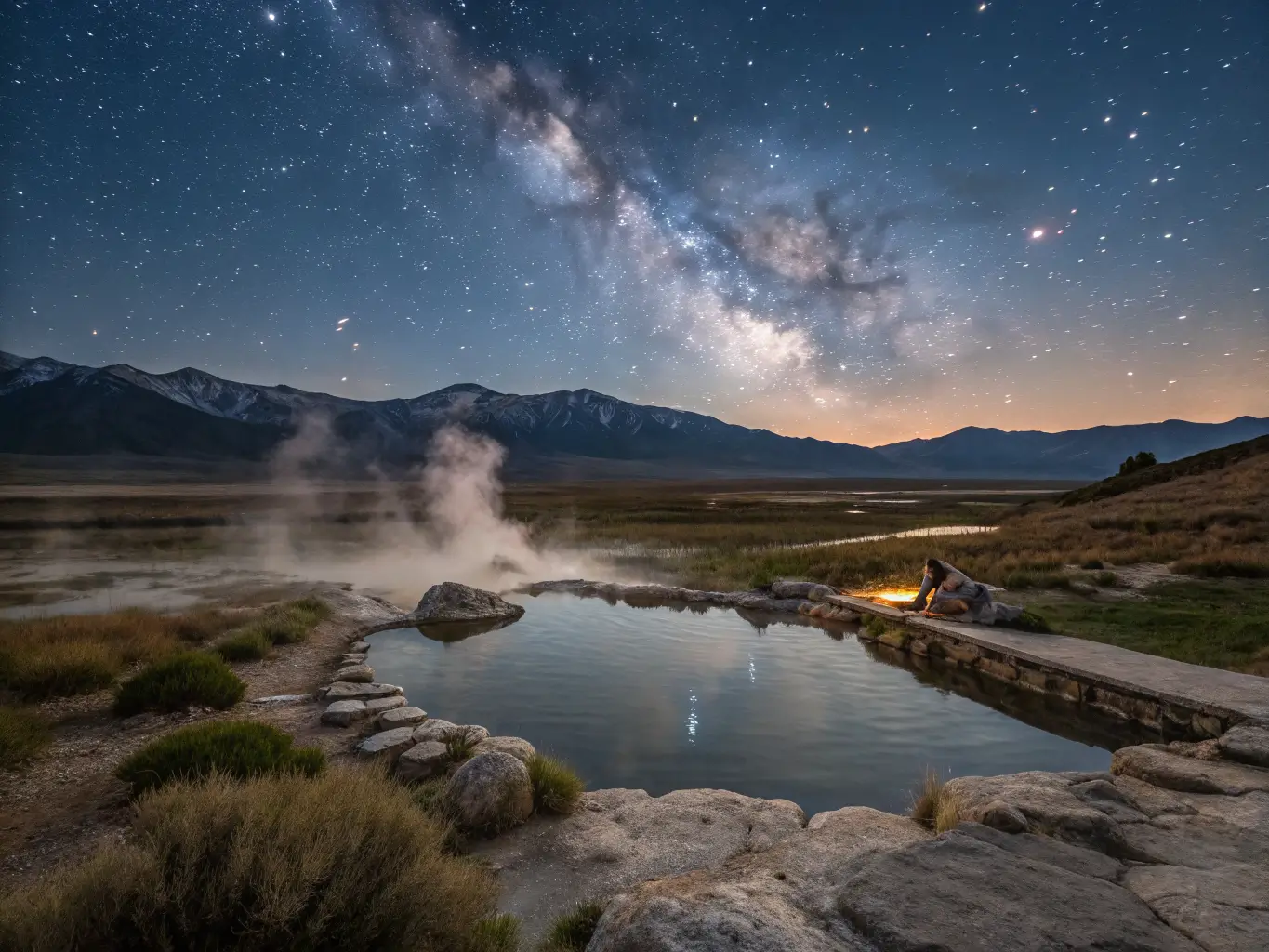
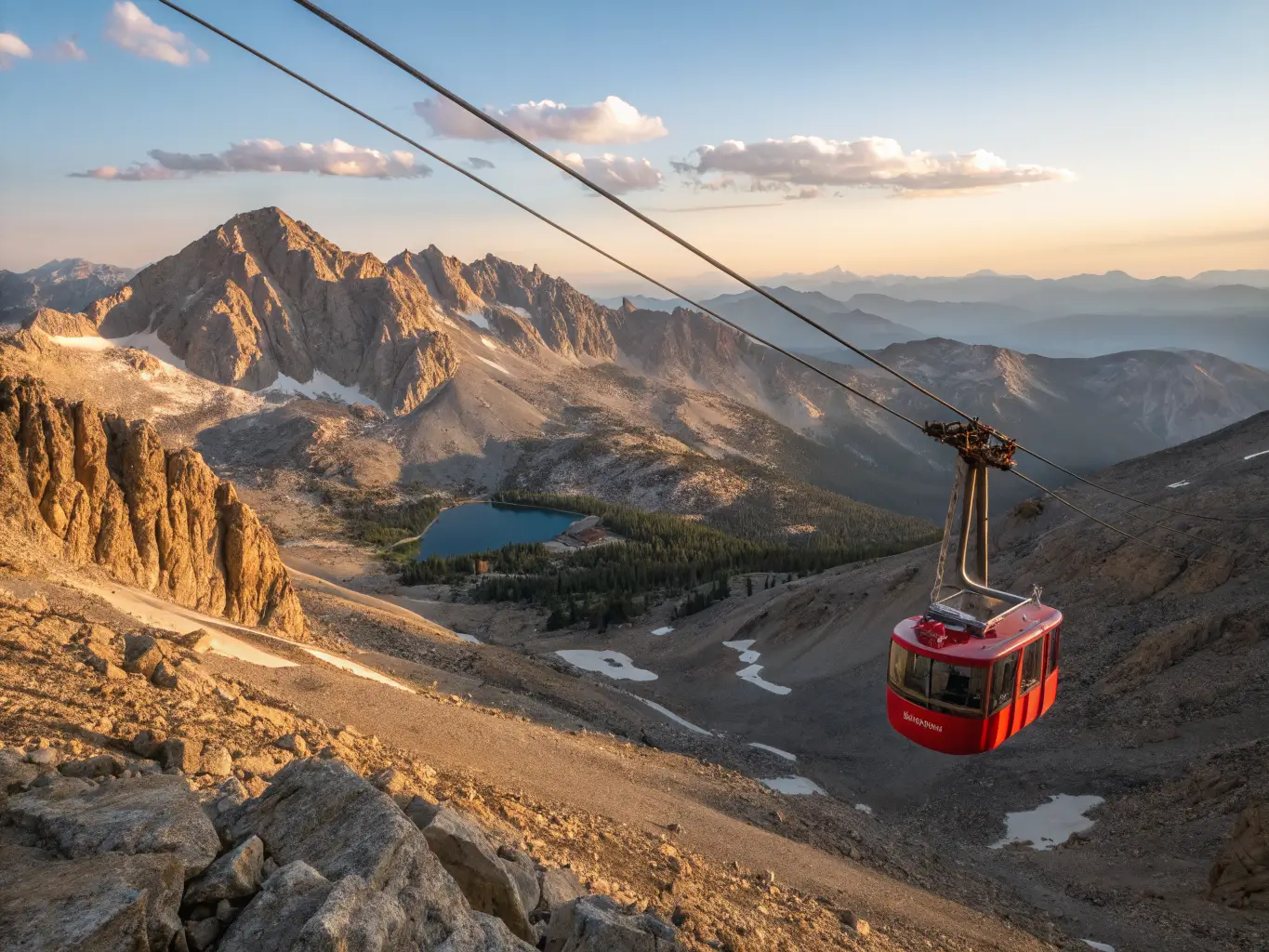
For lower-effort scenery, the Mammoth Mountain Gondola runs through summer and delivers you to panoramic views of the Minarets and the whole Eastern Sierra without a single step of climbing. And then there are the hot springs. Wild Willy’s, out on the volcanic tableland east of town, is the famous one, and July evenings are precisely what it was made for — the air cools into the 50s, the water stays hot, and the stars come out in ridiculous numbers. Go on a weeknight if you want any semblance of quiet.
The Festival Calendar Is Genuinely Good
I touched on this earlier, but it deserves its own moment because July in Mammoth has a proper cultural pulse for a town of its size. The music alone spans JazzFest, the Reggae Festival, Villagefest in the Village itself, and the Unbound Chamber Music Festival, which brings genuinely accomplished classical musicians to the mountains. Late July bleeds into the Festival of Beers & Bluesapalooza, which is exactly what it sounds like and exactly as enjoyable.
On the sporting side you’ll find beach volleyball at Shady Rest Park, slow-pitch softball tournaments across consecutive weekends, and Rhiannon’s Pickleball Tournament at the local complex. Parks & Rec runs youth camps — mountain biking, nature exploration — and in some years there are free pool days at Whitmore Pool, which is a nice touch. There are even full moon sound baths if that’s your sort of thing. It isn’t particularly mine, but I appreciate a town where it’s an option. Check dates before you travel, because they shift year to year, but the odds of landing on a dead weekend are close to nil.
The Honest Trade-Offs
I promised you the truth, so here it is. July is peak season, and peak season behaves like peak season. Lodging prices climb, popular campgrounds book out, and the shuttle queue for Devils Postpile on a Saturday morning can test your patience. Families on school holidays make up a big chunk of the crowd, which is lovely if you have kids and mildly wearing if you don’t.
The sun is the other serious consideration. Extreme UV at altitude burns people faster than they expect, every single year. The cold nights catch out campers, the occasional afternoon thunderstorm catches out ridge-walkers, and July also marks the start of regional fire season, so it’s worth checking air quality and fire conditions before committing to a specific week. None of these are reasons not to come. They’re reasons to plan like an adult.
How to Prepare: Packing, Altitude, and Timing
Layers are everything. Short sleeves for warm daytime hiking, a fleece and warm jacket for evenings, and a light rain shell for the odd shower. Add high-SPF sunscreen, a proper sun hat, sunglasses, sturdy hiking shoes, and trekking poles if you’re heading up anything steep. If you’re camping, a sleeping bag rated for near-freezing and a decent insulated pad are non-negotiable.
On altitude: if you live at sea level, take the first day easy. A friend of mine flew in from San Diego a couple of summers ago and insisted on hiking to Crystal Lake the same afternoon; she spent that evening on the sofa with a headache and a large bottle of water, feeling cheated. Give yourself a gentle first day — the Lakes Basin loop, the gondola, an early night — and hydrate constantly, because the combination of low humidity and thin air dries you out far quicker than you’ll notice.
Logistically, this is a drive-in destination via Highway 395, and July roads are reliably clear. Once in town, the summer shuttles to Devils Postpile and other busy areas are your friend. Book lodging well in advance, and if Mammoth itself is full or eye-wateringly priced, look at June Lake, Crowley Lake, or Bishop — all within easy striking distance and often cheaper.
The daily rhythm that works best: hike early when it’s cool and the trails are quiet, save the water and the gondola for warm afternoons, and give your evenings to hot springs, dinner, and whatever festival happens to be on. For details on what to expect weather-wise in July, see Average Weather in July in Mammoth Lakes. For a fuller list of activities, check out Things to Do in Mammoth Lakes Summer.
Quick Answers to the Questions Everyone Asks
Will there still be snow?
Almost none on the trails you’ll actually use. Isolated patches can linger at the very highest elevations after big snow winters, but by July the popular routes are clear.
Do I need a jacket?
Yes. Every evening. This is the single most repeated piece of advice for good reason.
Is it crowded?
It’s peak season, but the crowds disperse across an enormous outdoor area. Start early and you’ll barely notice them on the trails.
Can I combine it with Yosemite?
Absolutely — Tioga Pass is typically open by July, and pairing Mammoth with Yosemite, Mono Lake, or the June Lake Loop makes for a superb Eastern Sierra road trip.
If you take one thing from all of this, make it the booking calendar. The experience of Mammoth Lakes in July is only as good as your planning — reserve your campsite or condo the day bookings open, sort wilderness permits months ahead, and pack for two seasons in one day. Do that, and you’ll get the Sierra at its absolute peak: green meadows, thawed lakes, long light, and a town that’s fully awake. Skip the planning and you’ll spend your trip circling car parks. I know which version I’d choose.
Related pages:
Mammoth Lakes in April
Mammoth Lakes in March
Mammoth Lakes in February
Mammoth Lakes in January
Mammoth Lakes in November