Mammoth Lakes in June is the trip I recommend most often when friends ask about the Eastern Sierra, and I usually get the same worried follow-up: will there still be snow everywhere, or has everything melted and turned into peak-season chaos? The honest answer is neither. June sits in that sweet spot between winter’s leftovers and full summer crowds, and if you plan around a few quirks — cold nights, the odd lingering snowfield — you’ll get some of the best conditions the mountains offer all year.
Why June Works So Well
The town sits at roughly 7,800 feet, which changes everything about how the seasons behave. Down in the valley it might feel like summer arrived in April, but up here June is the transition month. Snow is still melting off the higher trails early on, lakes are full to the brim with runoff, and by the end of the month most of the classic summer activities are open for business.
What makes June genuinely special is the combination. You get warm, dry days and long daylight without the July crowds that clog trailhead parking by 8am. The meadows are greening up, wildflowers are starting, and the peaks still carry snow in the couloirs, which frankly makes every photo look better. September gets similar praise from locals, but September doesn’t have fourteen and a half hours of daylight.
The June Lake Loop, twenty minutes up US-395, is very much part of the deal too. More on that shortly, because I’d argue it’s non-negotiable.
What the Weather Actually Does in June
Daytime highs in town typically land somewhere between 68 and 78°F, with early June on the cooler end and the last week feeling properly summery. It’s dry, sunny weather — you’ve got roughly an 80% chance of a sunny day, and the whole month averages well under an inch of rain spread across just a couple of days.
Now the part people underestimate: nights. Lows in town sit around 40–50°F, and at elevation or in exposed campgrounds it can dip near or below freezing even in late June. I’ve watched people arrive in shorts and flip-flops, book a campsite, and then make an emergency run to the Vons for blankets. High-altitude desert physics doesn’t care that it’s technically summer.
A few other things worth knowing:
- Wind is a factor. Afternoons are often breezy, especially on the lakes and along exposed ridgelines. It’s rarely a problem, but a paddleboard session at 3pm feels very different from one at 9am.
- Humidity is low — around 49% on average — so you’ll dry out fast and drink more water than you expect.
- UV is intense. Between the altitude, the long days, and reflective snow patches, you can burn badly in an hour. Sunscreen isn’t optional here.
Sunrise comes early, around 5:30am, and sunset stretches past 8:15pm. That’s a huge amount of usable day. You can hike in the morning, nap through the windy bit, and still have hours of golden light for a lake paddle before dinner.
One caveat before you plan around perfect skies: brief afternoon thunderstorms do happen, and early in the month a cold system can still dust the higher elevations with snow. It’s uncommon, but the mountains don’t read the brochure.
Hiking in June — What’s Open and What’s Not
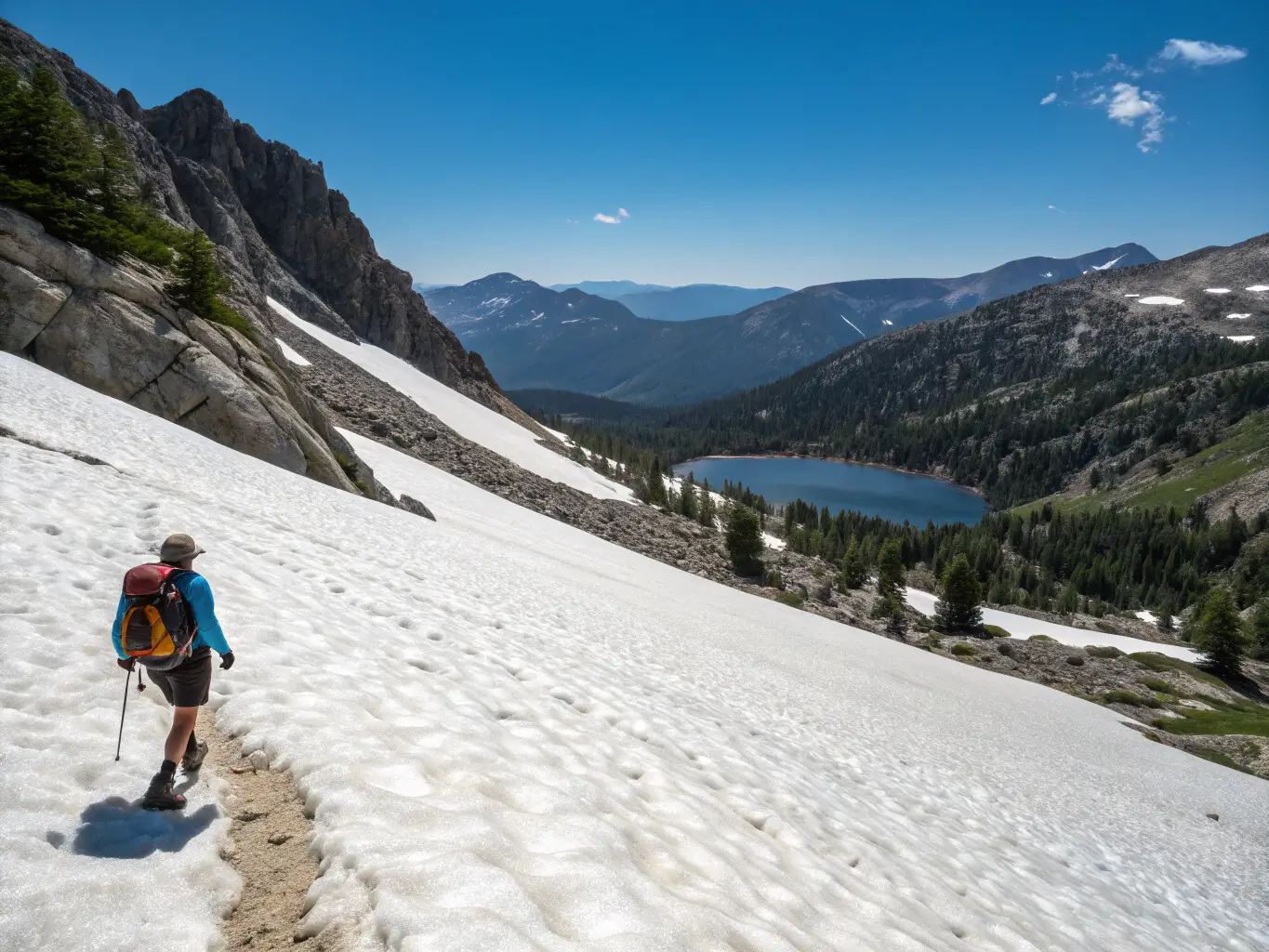
This is where the snow year matters. After a big winter, higher trails can hold snowfields well into June; after a lean one, nearly everything is clear by mid-month. The lake-level trails and lower ridges around town are generally in good shape throughout June, and by the last week most popular routes are essentially snow-free. Alpine passes are the wild card, so check recent trail reports rather than trusting a blog post from three summers ago.
Devils Postpile and Rainbow Falls
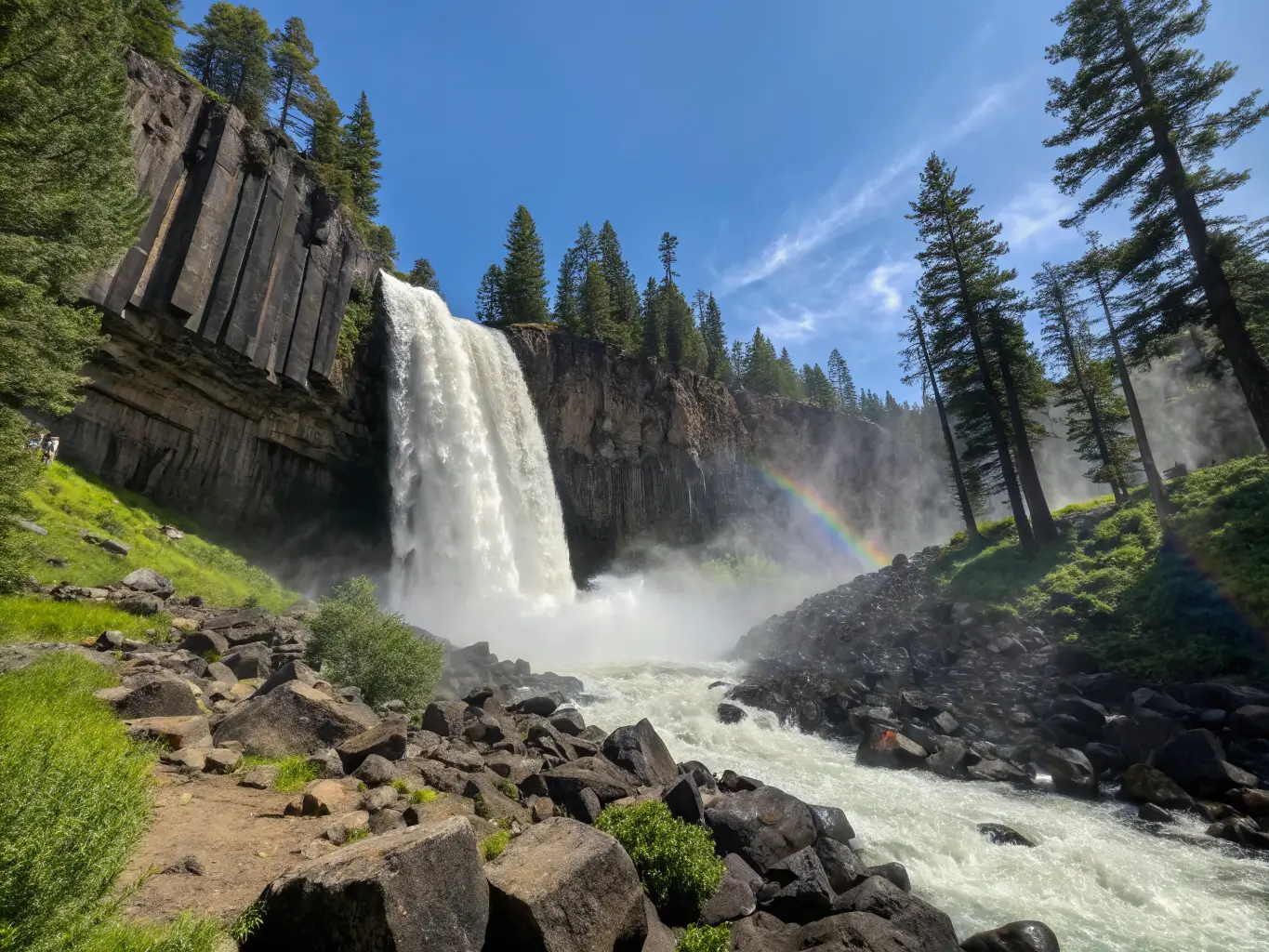
Devils Postpile and Rainbow Falls is the headline hike, and it deserves the reputation. The basalt columns are genuinely strange to stand under, and Rainbow Falls in June is pumping with snowmelt. You’ll typically access it via the shuttle from Mammoth once summer operations start — mildly annoying, but it keeps the narrow road from becoming a car park, and honestly the shuttle is the easier option anyway.
Rush Creek and Early-Season Picks
Over on the June Lake Loop, the Rush Creek trail to Horsetail Falls is my pick for early season. It gains elevation quickly, the views open up fast, and the waterfall is at its loudest in June. Several other trails branch off the loop if you want quieter options.
I made the classic early-June mistake a few years back on a trail above Silver Lake. Left the trailhead at half nine in a t-shirt because it was already warm in the car park, hit a north-facing slope around 9,500 feet, and spent twenty minutes post-holing through knee-deep sun-cupped snow with no traction and increasingly wet trainers. The weather was flawless — bright blue, barely a breeze — which somehow made it more embarrassing. Now I throw microspikes in the pack for anything high before the third week of June, and I’ve never once regretted the extra weight.
The June Lake Loop and Getting on the Water
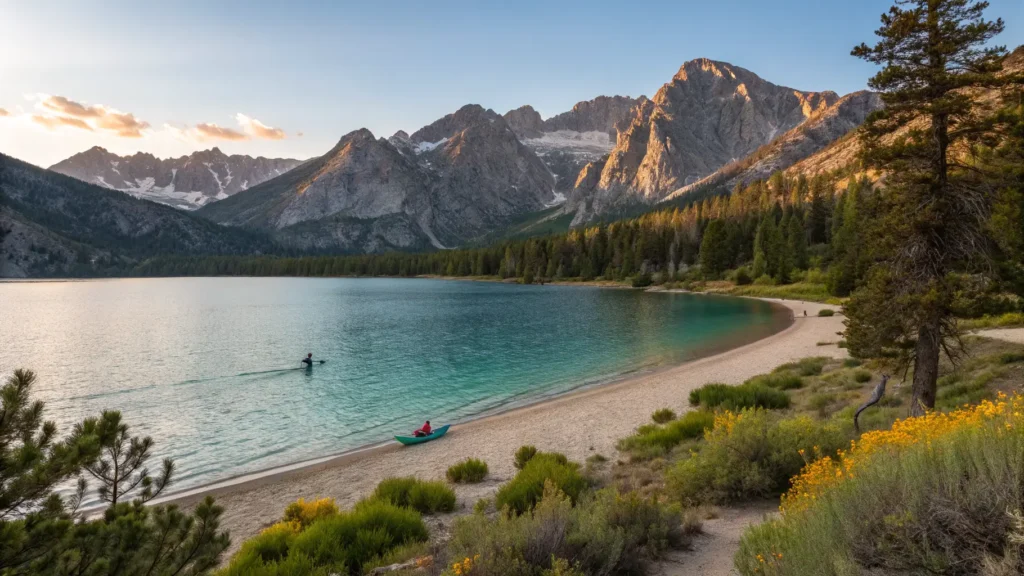
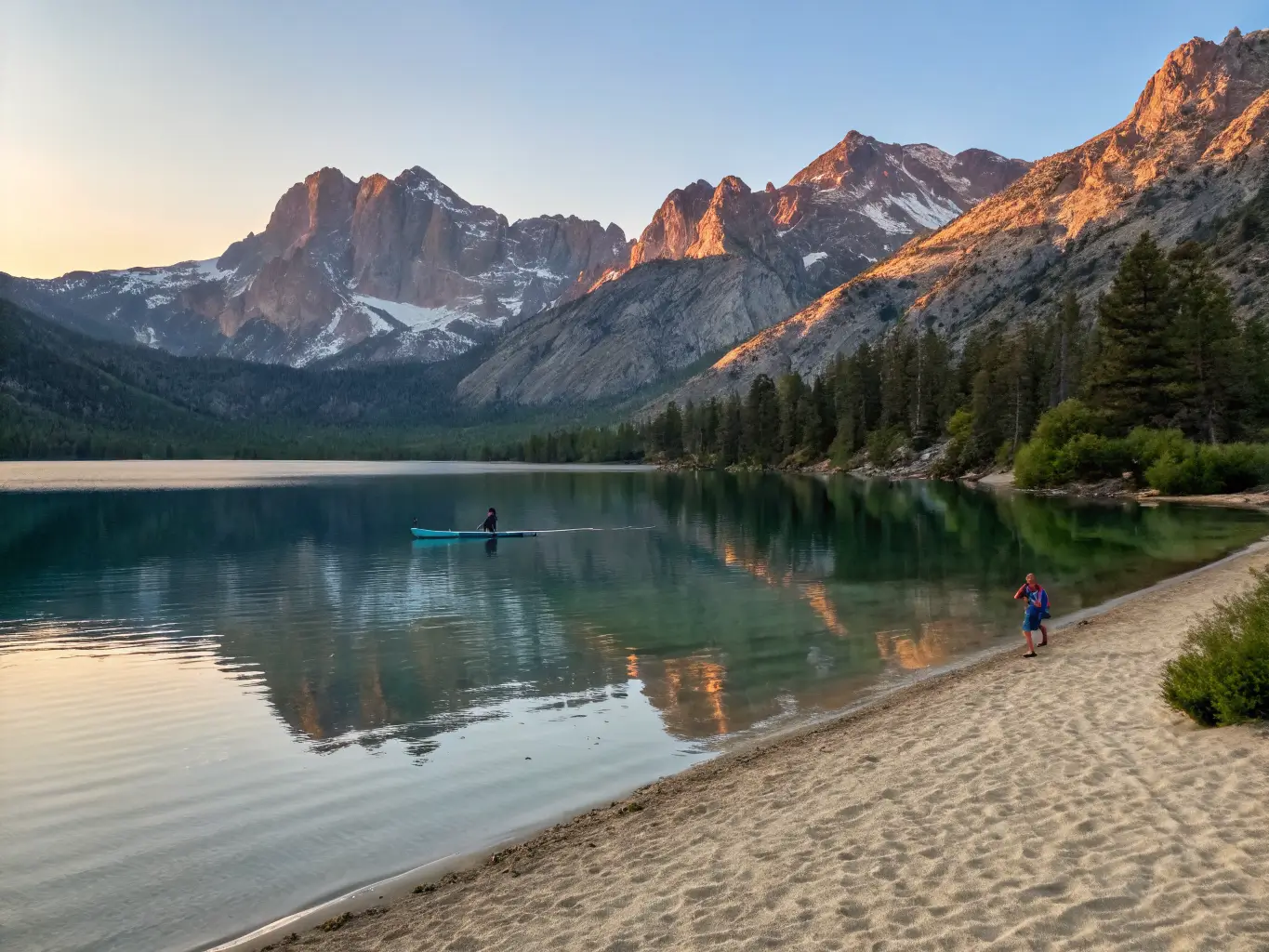
The June Lake Loop is a 16-mile scenic drive off US-395 that strings together four lakes — June, Gull, Silver, and Grant — beneath some seriously dramatic granite. Even if you never leave the car it’s worth the detour, but you should leave the car.
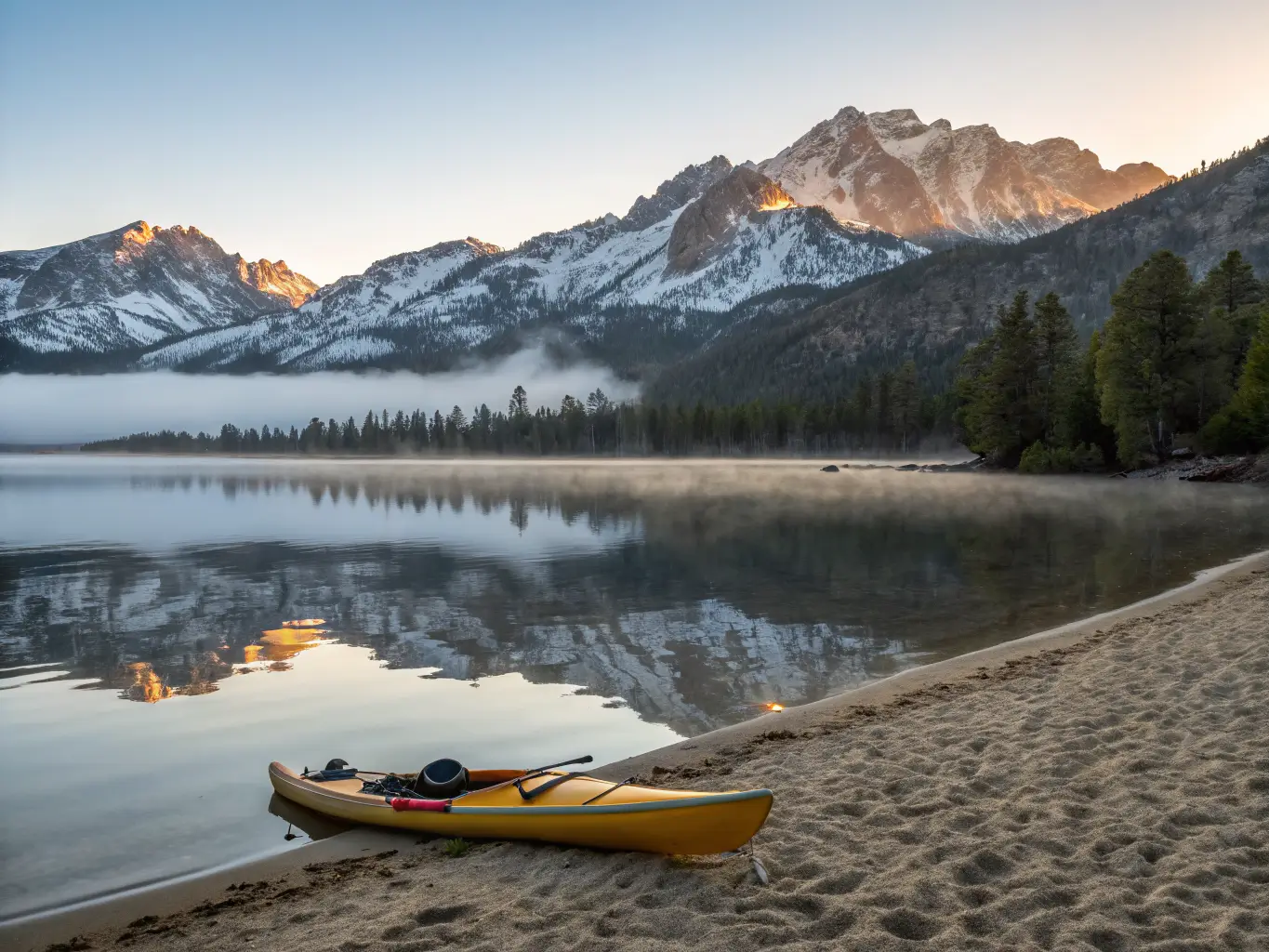
June Lake itself is the big one, around 320 acres, and it has something rare in the Eastern Sierra: an actual beach. The shallow water along the sandy stretch warms up noticeably more than the deep mountain lakes, which makes it the region’s best legitimate beach day. Expect a day-use parking fee of around $10, and know that “warms up” is relative — the lake proper runs cold, somewhere near 58°F in early summer. Kids will splash happily in the shallows. Adults tend to wade in to mid-thigh, reconsider their choices, and retreat to a towel.
For getting properly out on the water:
- Kayak and paddleboard rentals run around $30 an hour from local outfits like Mammoth Kayaks & Paddleboards, generally first-come, first-served — another argument for morning starts.
- Pontoon boats can be rented at June Lake if you’d rather fish or cruise without paddling.
- Go early. The lakes are glass at 8am and choppy by mid-afternoon once the wind picks up.
Anglers do well along the loop in June, too — Silver Lake in particular has a reputation for consistent trout fishing, and the cold, oxygen-rich runoff keeps fish active through the early season.
Related links
For more ideas on activities and timing, see free things to do in Mammoth Lakes and learn how conditions compare later in the season with Mammoth Lakes in August.
Up the Mountain: Gondola, Bikes, and the Adventure Center
Back in town, Mammoth Mountain itself doesn’t shut down when the lifts stop spinning for skiers. The gondola to the summit runs through summer and gives you an 11,000-foot panorama for the price of a ticket and zero effort — worth doing at least once, especially early in the month when the surrounding peaks still wear snow. It’s also a sneaky way to feel the altitude before you commit to a big hike, because the top is noticeably thinner air than town.
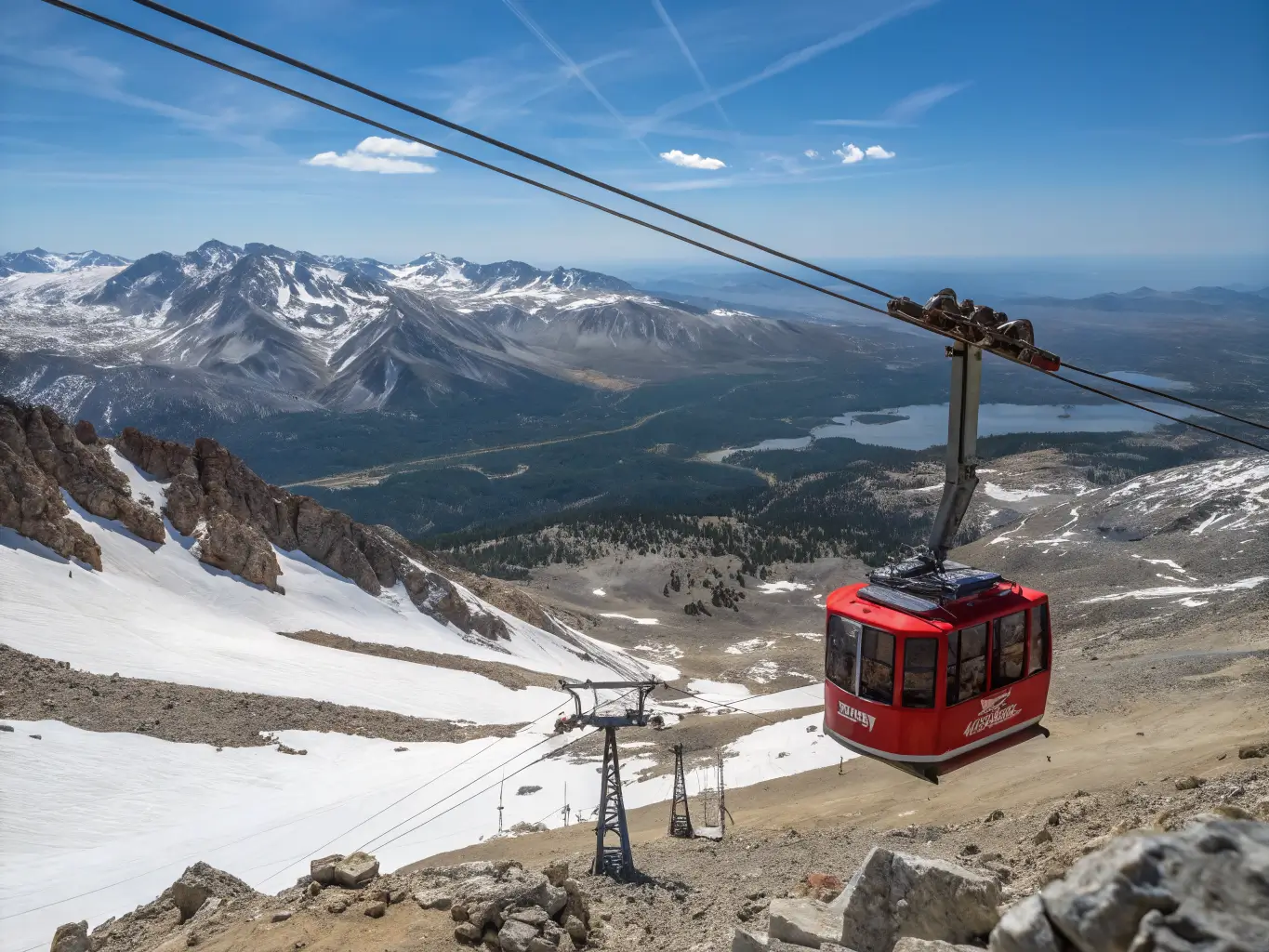
The Adventure Center at the base area is the family fallback: zip lines, a climbing wall, kid-friendly bits and pieces. It’s not why you come to Mammoth, but on a windy afternoon when the lakes have gone choppy, it earns its keep.
Mountain biking is the more interesting story in June, and the answer depends entirely on the snow year. After a lean winter, a good chunk of the bike park’s trails are rideable by mid-month; after a heavy one, the upper mountain opens in stages and you’re mostly on lower trails until July. If riding is the main reason for your trip, late June is the safer bet, and check the park’s trail status page rather than guessing. For broader timing advice, see resources like Best Time to Go to Mammoth Lakes.
Camping in June — Book It or Regret It
Here’s the uncomfortable truth: the campgrounds around Mammoth and June Lake are among the most sought-after in the Eastern Sierra, and June is when everyone wants them. Group sites in particular go months ahead. If you’re planning a family trip for a June weekend and you haven’t booked by early spring, you’re going to be refreshing the reservation site hoping for cancellations.
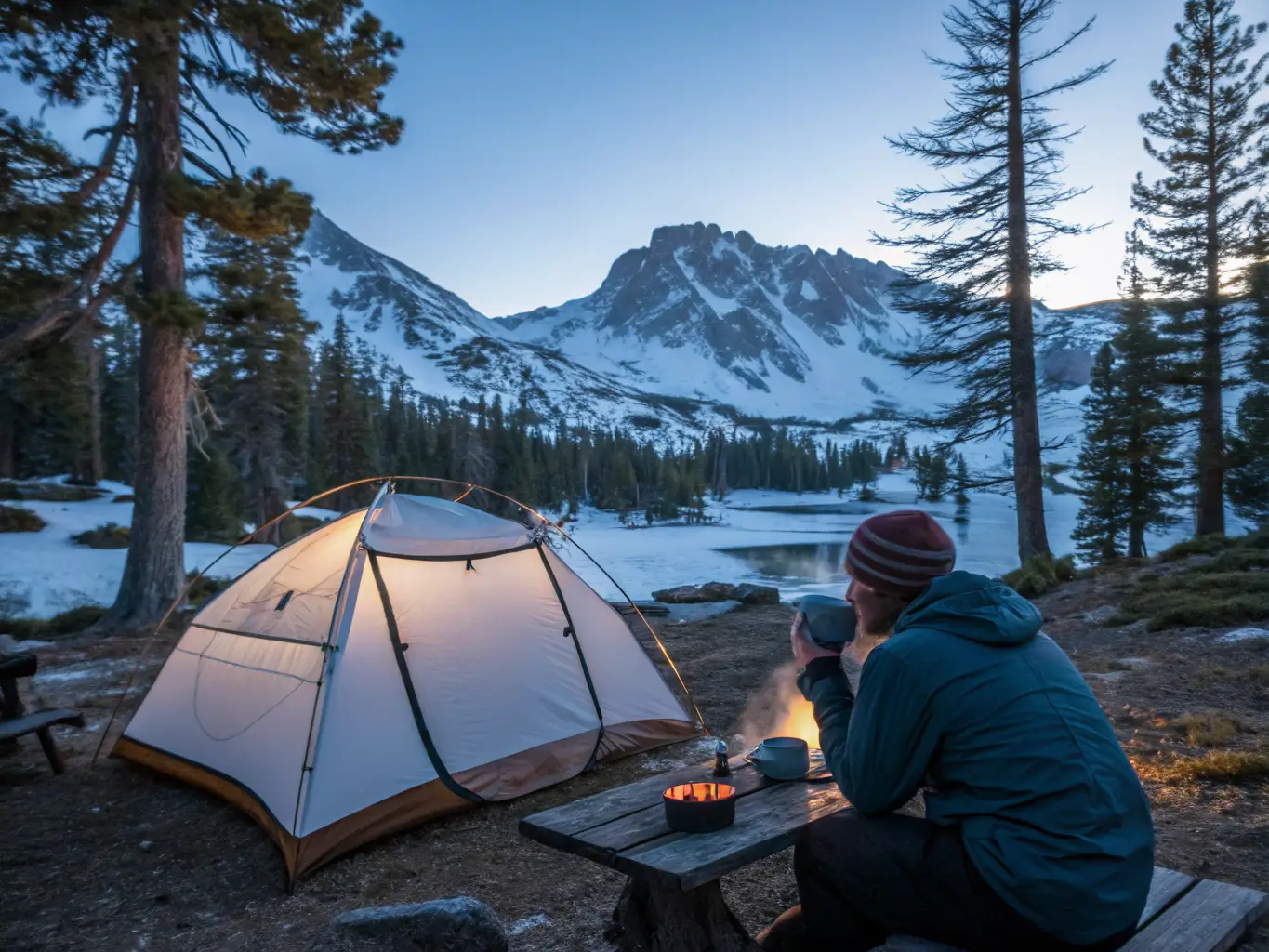
The other wrinkle is snow. Some years the higher campgrounds still have drifts across the tent pads in early June; other years they’re bone dry and open early. There’s no way to know in October when you’re booking, so my approach is to book the lower-elevation option and treat anything higher as a bonus if conditions allow.
And take the cold nights seriously. A sleeping bag rated to freezing or below isn’t overkill in June — it’s the minimum. I spent one mid-June night at a campground near Gull Lake in a bag I’d optimistically rated as “three-season,” wearing every layer I’d brought including a beanie, listening to my mate in the next tent sleep soundly in his proper winter bag. By 3am I was sitting in the car with the engine running. The daytime had been 75°F and glorious, which is precisely how June lulls people into that mistake.
What to Pack
The whole packing philosophy for Mammoth in June comes down to one word: layers. You’ll experience a 35-degree swing between afternoon and pre-dawn most days, so you want light base layers, a mid-layer fleece, and a genuinely warm jacket for evenings. Gloves and a warm hat feel absurd to pack in June and completely sensible at a campsite at 6am.
Beyond that, sun protection is the non-negotiable — sunscreen, proper sunglasses, and a brimmed hat, because the UV at this elevation will punish you faster than anywhere at sea level. A wind-resistant shell earns its place for exposed ridges and afternoons on the water. Sturdy hiking shoes over trainers, microspikes if you’re going high before late June (see my Silver Lake humiliation above), and a lightweight rain shell just in case an afternoon storm materialises. If you’re renting kayaks, a dry bag for your phone is a fiver well spent.
Crowds, Logistics, and a Few Practical Notes
June is the start of peak season but not the peak itself. Weekends get busy; weekdays are genuinely relaxed, especially early in the month before schools everywhere let out. The single best crowd-avoidance tactic costs nothing: start early. Trailhead car parks that are chaos at 10am are half empty at 7:30, and you get the still water and soft light as a bonus.
US-395 is your artery for everything, with well-signed turnoffs for the June Lake Loop and the road up to the Mammoth Lakes Basin. The Devils Postpile shuttle handles that valley in summer, and I’d expect the general direction of travel — more parking fees, more shuttle requirements, possibly more reservation systems at popular spots — to continue as the area gets busier. The $10 beach parking at June Lake is a taste of that. Mildly irritating, but the alternative is gridlock, so I’ve made my peace with it.
One health note that catches people out: the altitude. If you’re coming from sea level, take the first day easy, drink more water than feels necessary, and don’t schedule your biggest hike for the morning you arrive. A dull headache on day one is common and usually resolves; charging up a 10,000-foot trail before you’ve acclimatised is how you turn a good trip into a miserable one.
The Honest Trade-offs
For balance, the case against June: if you want guaranteed access to every high alpine pass and every bike park trail, July and August are more reliable. Early June after a big winter can genuinely limit your options above 10,000 feet. Nights are cold enough to ruin a badly planned camping trip, and the afternoon wind can flatten your lake plans if you sleep in. None of that outweighs the upside for me — fewer people, roaring waterfalls, wildflowers starting, snow still on the peaks for every photo — but it’s worth knowing what you’re trading.
It’s also why June has become such a popular month for weddings and elopements out here. Warm-but-not-hot days, long golden hours, snow-dusted backdrops, and photographers who don’t have to fight August crowds for the classic lake shots. If that’s your plan, book vendors even further ahead than campsites. For more perspective on timing, you might also consult guides like When is the Best Time to Visit Mammoth Lakes.
Quick Answers to the Usual Questions
Will there be snow? In town, almost none by mid-June. Up high and on shaded slopes, possibly plenty, depending on the winter. Check current conditions, not averages.
Can I swim? Yes, at the June Lake beach, where the shallows warm up enough to be pleasant. The deep lakes stay cold enough to make you gasp all summer.
Do I need reservations? For campgrounds, absolutely, and well ahead. For lodging, book June weekends early; weekdays are more forgiving.
What if the weather turns? Have a flexible day in your plan. A rare afternoon storm or windy spell is an inconvenience, not a trip-ruiner, if you’ve kept one indoor or low-commitment option in reserve.
The Bottom Line
If I could only give one piece of advice about Mammoth Lakes in June, it would be this: aim for the third or fourth week if you want maximum trail access, or the first two weeks if you want waterfalls at full volume and the quietest trails — then book your campsite or lodging the moment you’ve picked dates, because that’s the one part of this trip that punishes procrastination. Pack the warm sleeping bag you think you won’t need, throw microspikes in anyway, and get to the water by 8am. The mountains will handle the rest.
Related Month Guides
Explore more month-specific guides: Mammoth Lakes in January, Mammoth Lakes in February, Mammoth Lakes in March, Mammoth Lakes in April, Mammoth Lakes in November.