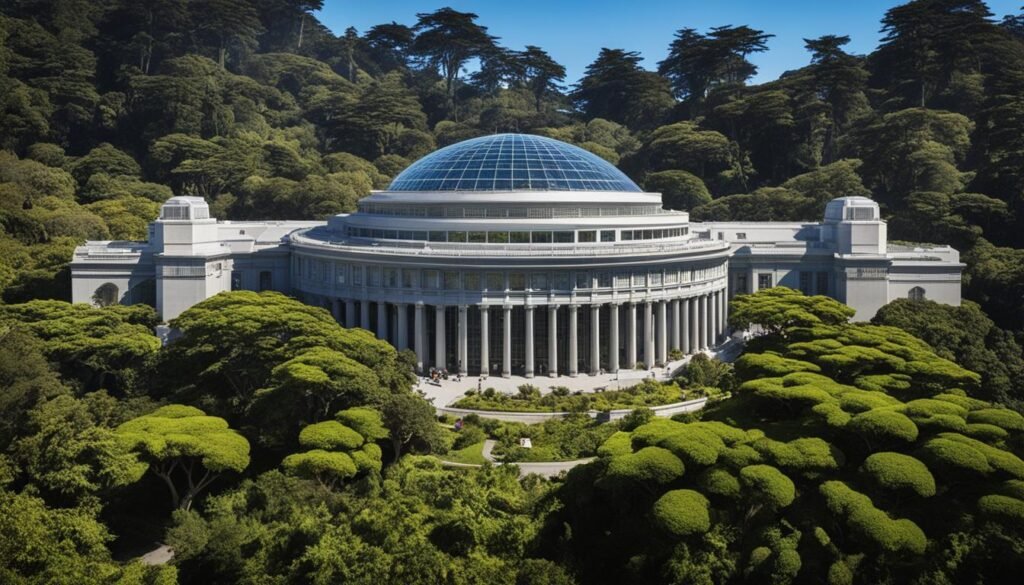
The California Academy of Sciences, in Golden Gate Park, is one of the few museums that combines an aquarium, a planetarium, and a natural history museum under one living roof. It is a strong half-to-full-day stop in San Francisco, especially with kids, but the layout is unusual enough that a little planning helps.
What’s Inside
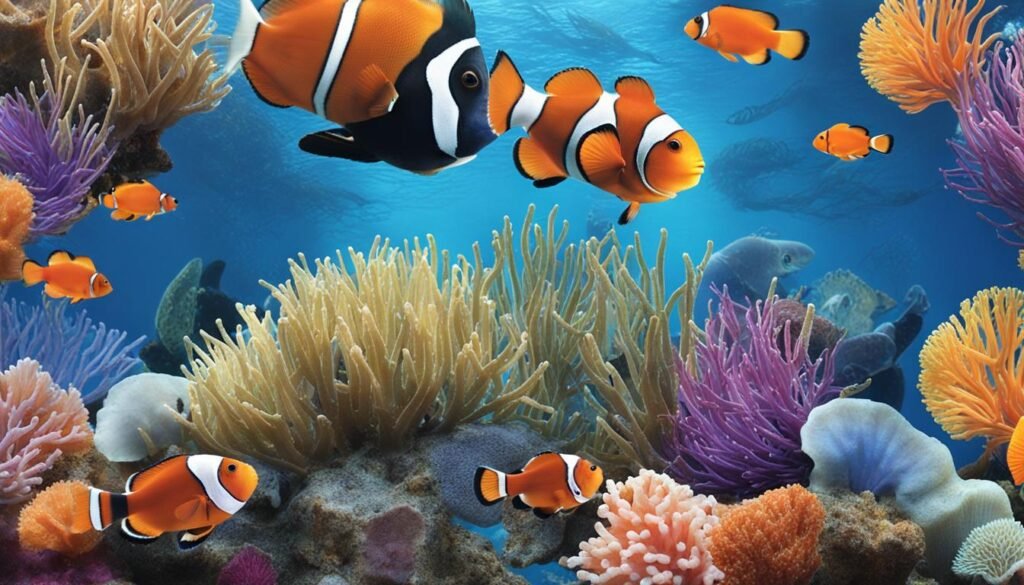
- Steinhart Aquarium – roughly 40,000 animals across about 900 species, including the Philippine Coral Reef tank and a jellyfish gallery.
- Osher Rainforest – a four-story tropical rainforest inside a 90-foot glass dome, with free-flying birds and butterflies.
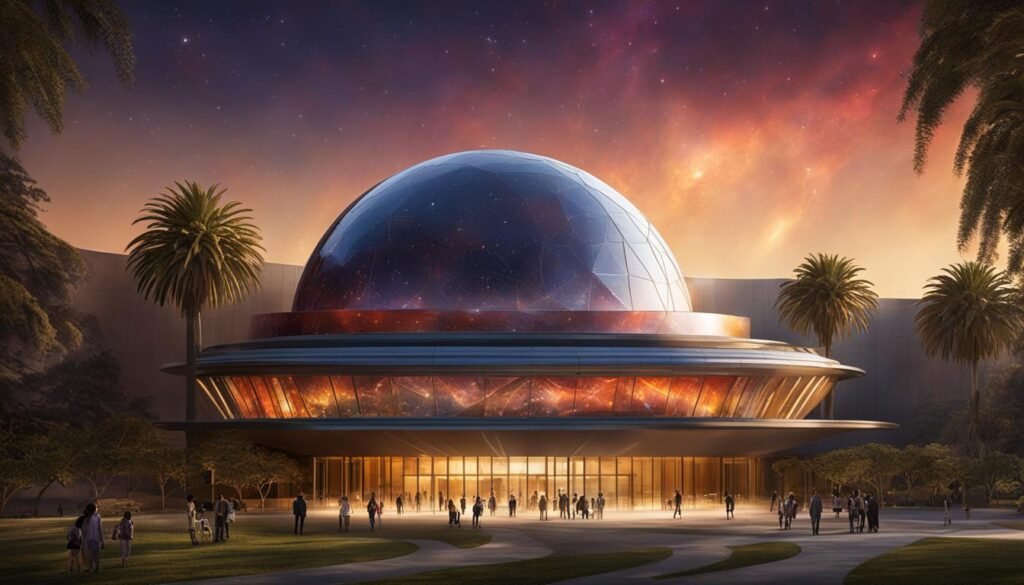
- Morrison Planetarium – a 75-foot dome with daily shows on the current universe program.
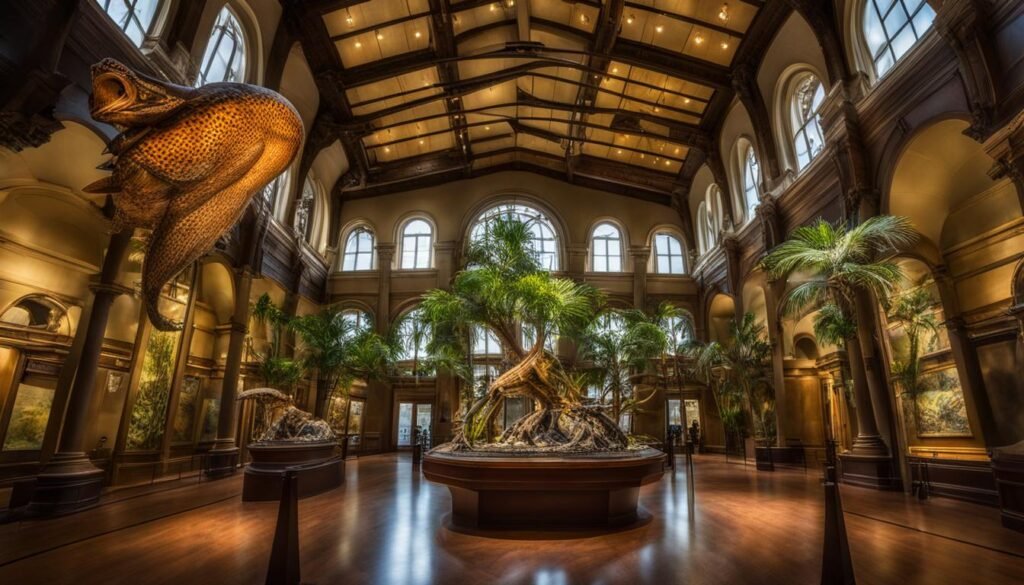
- Kimball Natural History Museum – African Hall, the Shake House earthquake simulator, and geology exhibits.
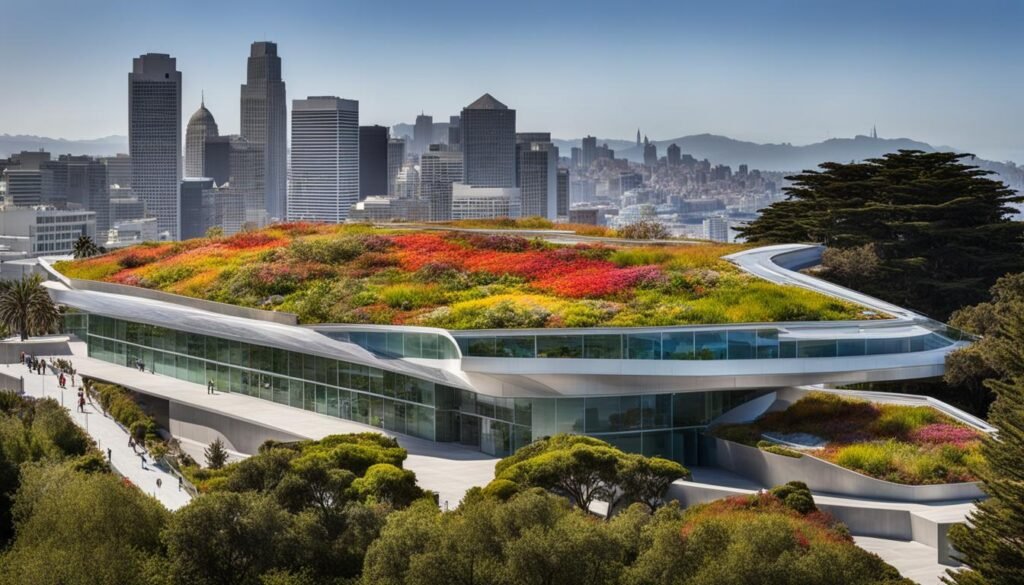
- Living Roof – a 2.5-acre planted roof you can walk onto, with city views.
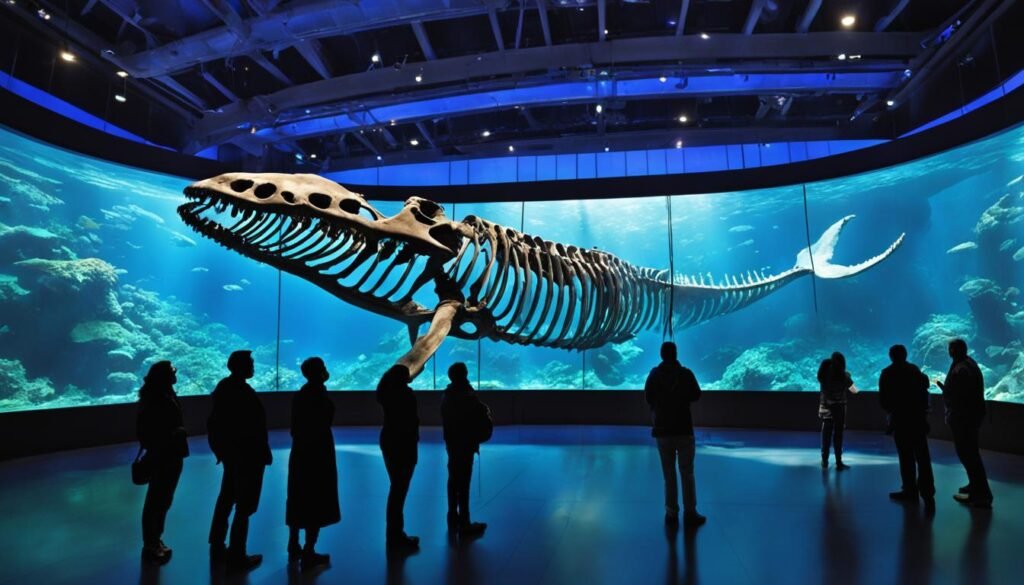
- Color of Life and rotating special exhibits (e.g., Whales: Giants of the Deep) round out the floors.
General admission includes all of it — the aquarium and planetarium are not separate tickets — though planetarium shows run on a schedule, so check showtimes when you arrive.

Steinhart Aquarium
The aquarium is the busiest part of the building, and the Philippine Coral Reef tank is the centerpiece — a walk-around reef with a tunnel view. The jellyfish gallery and the penguin feeding are reliable hits. Daily dive shows and feedings are posted at the entrance; timing your visit around one of them adds context. Because it is included in general entry, there is no separate ticket to buy.
Osher Rainforest
The dome is warm and humid by design, and the path spirals up through four levels of canopy. It is a genuine immersive exhibit, but it can be a bottleneck on busy days — mornings are calmer. If you are sensitive to heat or confined spaces, know that it is a closed, tropical environment.
Morrison Planetarium
The planetarium rotates its featured show, so what you see depends on the date. Seats fill for popular times; the front desk posts the schedule. Shows are included, but they are timed, so plan around them rather than fitting them in last minute.
Kimball Natural History Museum
The African Hall dioramas are the classic draw, and the Shake House lets you feel a simulated earthquake — a fitting exhibit in a seismically active state. The geology displays cover plate tectonics and local fault systems. This wing is also the easiest place to step back from crowds.
Living Roof and Practical Details
The Living Roof is reachable by elevator and ramp and offers a quiet contrast to the busy floors below. Visitor basics:
- Hours – generally 9:30 a.m. to 5:00 p.m. daily, closed Thanksgiving and Christmas; members get some early-access mornings.
- Tickets – buy online in advance; on-site dining is available and outside food is restricted inside.
- Strollers – allowed; the building is stroller-navigable though elevators get busy.
Because it is one of the most popular museums in the city, afternoon crowds are real — arriving at opening is the simplest way to see the aquarium and rainforest without a wait.
Conclusion
The California Academy of Sciences is worth a dedicated visit, not a drop-by. Prioritize the planetarium showtime when you arrive, do the rainforest and aquarium before the midday rush, and use the Kimball wing as your crowd break. Buy tickets online, arrive near opening, and check the day’s show and feeding schedule at the desk. If you only have a few hours, the aquarium, rainforest dome, and one planetarium show cover the highlights; the rest is bonus.