
Arizona is a neighbor worth a separate trip, and for a California-based traveler it is the easy desert-and-canyon state a half-day’s drive or a short flight from the major metros. The headline stops are the Grand Canyon, Sedona, Phoenix, and Monument Valley, and they are far apart, so this is a road-trip state, not a one-base stay. Here is what each actually offers.
The Grand Canyon
The canyon the Colorado River cut over millions of years, the state’s defining sight. The South Rim is open year-round, with the lookouts along Desert View Drive and the Rim Trail, plus Tusayan and the train from Williams. The North Rim is higher, cooler, and closed in winter (roughly mid-October to mid-May). Grand Canyon West, on Hualapai land, is where the glass Skywalk sits, a separate operator and fee from the national park. A helicopter flight from the South Rim or Las Vegas is the common “see it from above” option. Book lodging and the train well ahead in season.

Sedona
The red-rock town two hours north of Phoenix, built around the Schnebly Hill sandstone formations. It is a hiking and mountain-biking hub (Cathedral Rock, Devil’s Bridge, the Bell Rock loop) and an arts town, with galleries along Highway 179 and Uptown. The “vortex” and New Age side is real local culture, with shops and practitioners around it. Nearby, the Montezuma Castle and Tuzigoot ruins are the Sinagua dwellings worth a stop. Go in spring or fall; summer is hot, winter is mild.

Phoenix
The state capital in the Sonoran Desert, a spread-out metro with the most big-city amenities. Old Town Scottsdale is the shopping and dining core; the Heard Museum is the serious Native American art and history institution; Taliesin West is Frank Lloyd Wright’s winter campus and studio, now a tour site. The metro has 200+ golf courses and desert preserves (Camelback, South Mountain) with city hiking. It is also the launch point for day trips: Jerome and Bisbee (historic mining towns), Montezuma Castle, and up to the Grand Canyon. Summer is dangerously hot, so the season is fall through spring.
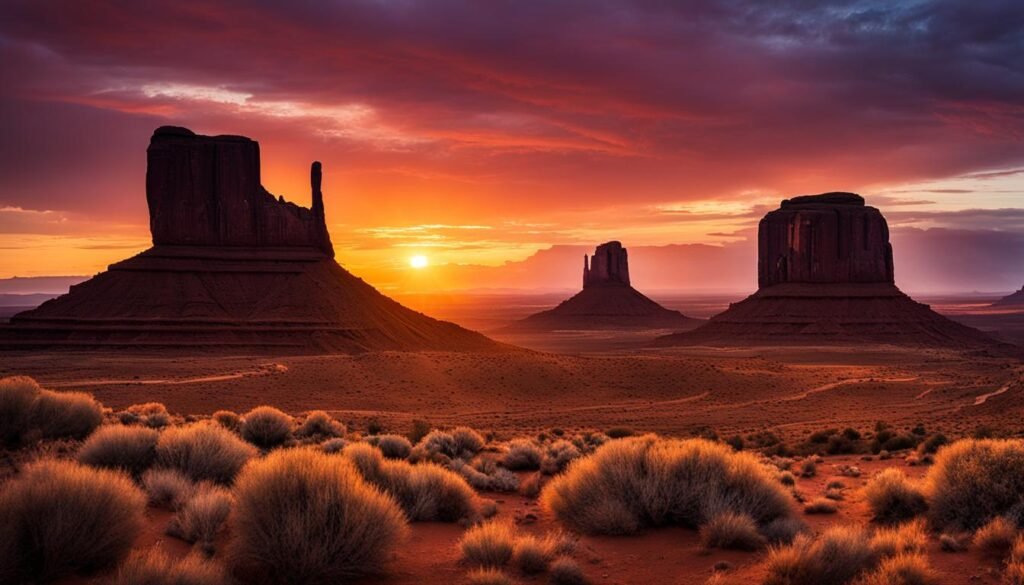
Monument Valley
The sandstone buttes on the Arizona-Utah line, inside the Navajo Nation, best seen from the Monument Valley Navajo Tribal Park (a separate entrance fee and rules from the national parks). You can drive the 17-mile loop road on your own or take a Navajo-guided tour into areas the loop does not reach; the guided tours are the way to see the back country and hear the history. It is remote, hot in summer, and a long drive from anywhere, so pair it with Page, AZ or Moab, UT.
Planning tips
- Distances. Phoenix to the Grand Canyon South Rim is ~3.5 hours; Sedona is 2 hours north of Phoenix; Monument Valley is 4+ hours from Flagstaff. Plan by region.
- Season. Fall-spring for the low desert (Phoenix, Sedona); the Grand Canyon is busy spring-fall and snowy in winter at the rims.
- Reservations. South Rim lodging, the train, and Monument Valley tours book out; the Skywalk needs the West Rim operator.
- On tribal land. The Navajo Nation has its own entry fees, hours, and photography rules; respect them.
Final Thoughts
Arizona is a road trip, so the useful plan is to base in Phoenix or Flagstaff and radiate out, devoting a full day each to the Grand Canyon and Monument Valley and a half-day to Sedona’s trails and galleries. Book the rim lodging and any guided tour before you go, travel in the cool season for the desert stops, and remember that the Tribal Park and the West Rim are separate operators with their own fees. It is a different state from California, so treat it as its own trip rather than a day extension.