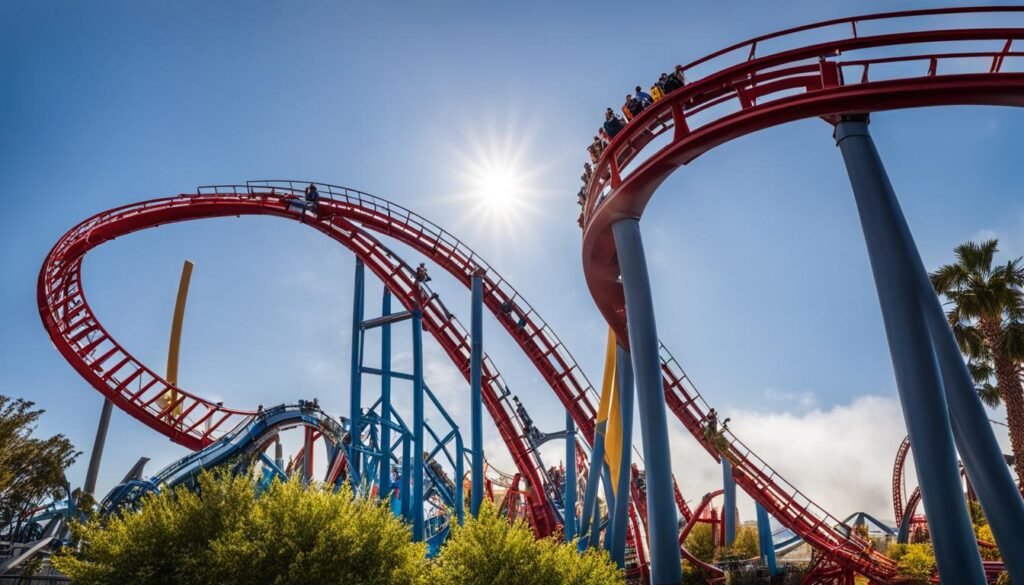
Sacramento’s core attractions sit close together, in and around the grid of downtown and the riverfront, which makes a two- or three-day visit easy to plan on foot plus a short walk or rideshare. The standouts are the railroad museum, the Old Sacramento waterfront, the Capitol, and the Crocker, with Sutter’s Fort a short distance east. Below is what each one actually offers, plus the practical details (admission, hours) worth knowing before you go.
California State Railroad Museum
The Railroad Museum is the anchor of Old Sacramento and one of the best of its kind anywhere. Inside are restored steam locomotives and passenger cars from the 1860s through the mid-1900s, set on walk-through tracks, with exhibits on the transcontinental railroad and how rail opened California. Docents run guided tours, and there are hands-on displays where you can try operating replica controls. It is a strong pick for families and for anyone interested in how the state was built.

Plan for it: Admission is charged (check the museum’s site for the current adult/child rate), and it is typically open daily except major holidays. Give it two hours. It sits at the north end of Old Sacramento, so pair it with a walk through the district afterward.
Old Sacramento
Old Sacramento is the historic riverfront district, a National Historic Landmark with buildings from the 1850s and 1860s Gold Rush era, wooden sidewalks and cobblestone streets included. Beyond the railroad museum, it holds the Sacramento History Museum, the Old Sacramento Schoolhouse, riverboat excursions in season, and a stretch of shops and restaurants. It reads as touristy in spots, but the waterfront setting and the preserved architecture are the real draw, and it is free to walk.
Plan for it: The district itself has no admission; individual museums and boat tours charge. Parking is easier in the garages just off the district than on the street. The Big Four Bridge and the river levee are worth a few minutes if the weather is good.
California State Capitol Museum
The Capitol building, in Capitol Park a few blocks east of the riverfront, houses both the working seat of state government and a museum in its restored historic wings. The museum covers California’s political history and the building’s construction, with period-furnished rooms and the chance to stand in the old Senate and Assembly chambers. Guided tours are free and run on a schedule; when the legislature is in session you can also watch from the galleries.
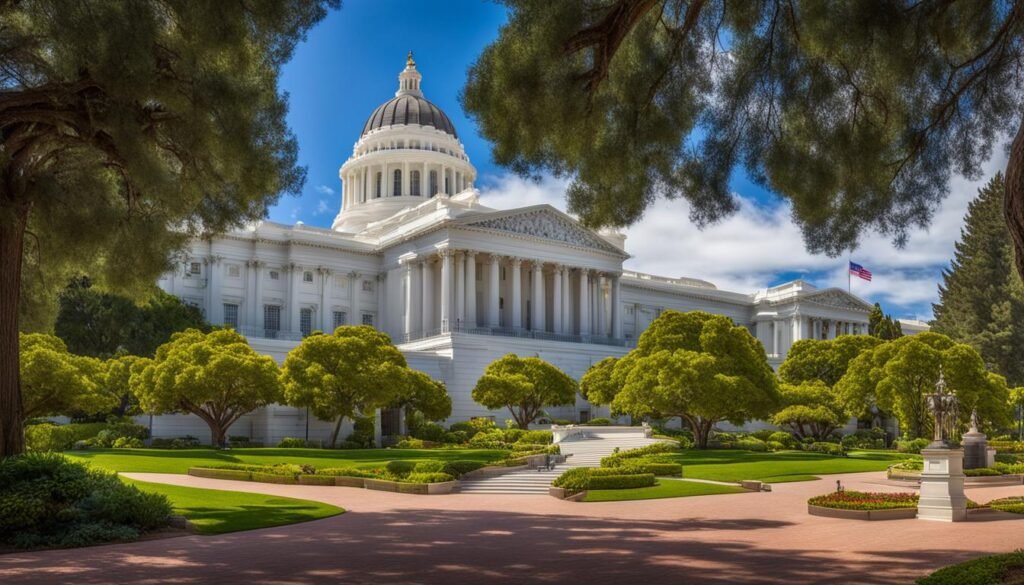
Plan for it: Museum admission and tours are free. Hours are weekdays for tours; the building is a working government office, so security screening is standard and some areas close on weekends or holidays. The surrounding Capitol Park, with its themed gardens and tree collections, is open and free.
Crocker Art Museum
The Crocker is Sacramento’s main art museum, with a permanent collection that spans Californian and European work from the Gold Rush period to today, plus a steady rotation of temporary shows. The original 1870s mansion is joined to a modern wing, so the building itself covers both ends of the timeline. It suits a slower visit than the history sites, an hour or two depending on the exhibits up.
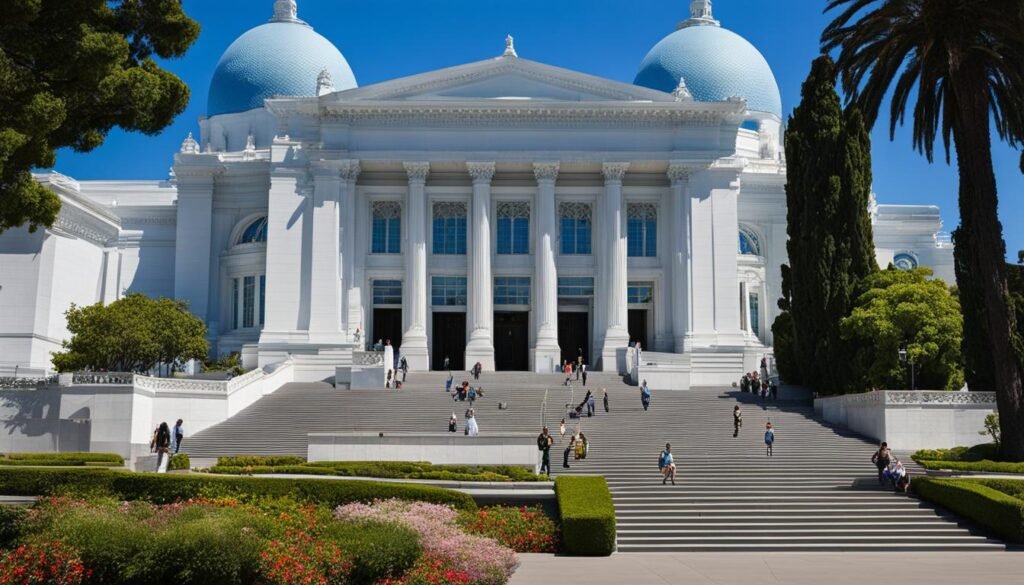
Plan for it: Admission is charged, with discounts for students and seniors and free or reduced days at times; confirm the current schedule on the museum’s site. It is a short walk or drive east of downtown, near the convention center.
Sutter’s Fort State Historic Park
Often missed on first-pass lists, Sutter’s Fort is the 1840s settlers’ outpost that predates the city, about a mile east of the Capitol. The adobe walls enclose reconstructed rooms, a blacksmith shop, and exhibits on the overland emigrant trail. It is compact and about an hour, a good counterpoint to the grander museums and a direct link to the Gold Rush story Old Sacramento is built around.
Plan for it: State-park admission is charged; hours are typically Wednesday through Sunday. Check the park’s page before going, as state historic parks shift schedules and occasionally close for maintenance.
Takeaway
Each of these is within a short ride of the others, so a realistic plan is the Railroad Museum and Old Sacramento in one outing, the Capitol and Sutter’s Fort the next, and the Crocker on its own. Confirm admission and hours on each venue’s official site the week you travel, since they change; the district and Capitol Park are free to wander regardless. If you only have a day, the Railroad Museum plus a walk through Old Sacramento gives the clearest sense of the city.