California is a big state, so a single “things to do” list has to be a sampler, not a directory. The stops below are real, visit-able, and spread across the regions, from San Diego beaches to the desert parks, with notes on what each actually offers and when to go. Use it to pick a region, then plan the detail.
Watch a coast sunset
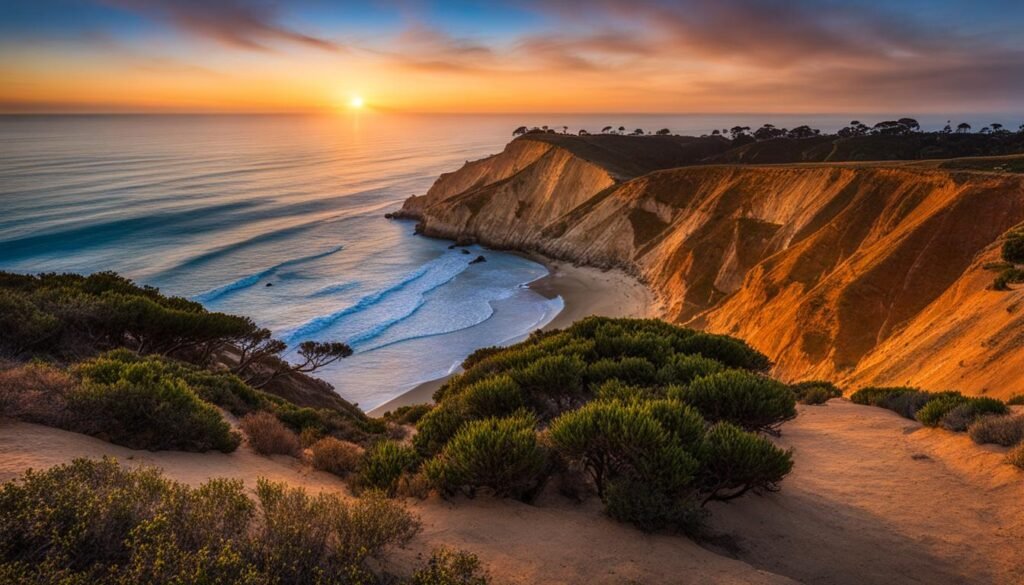
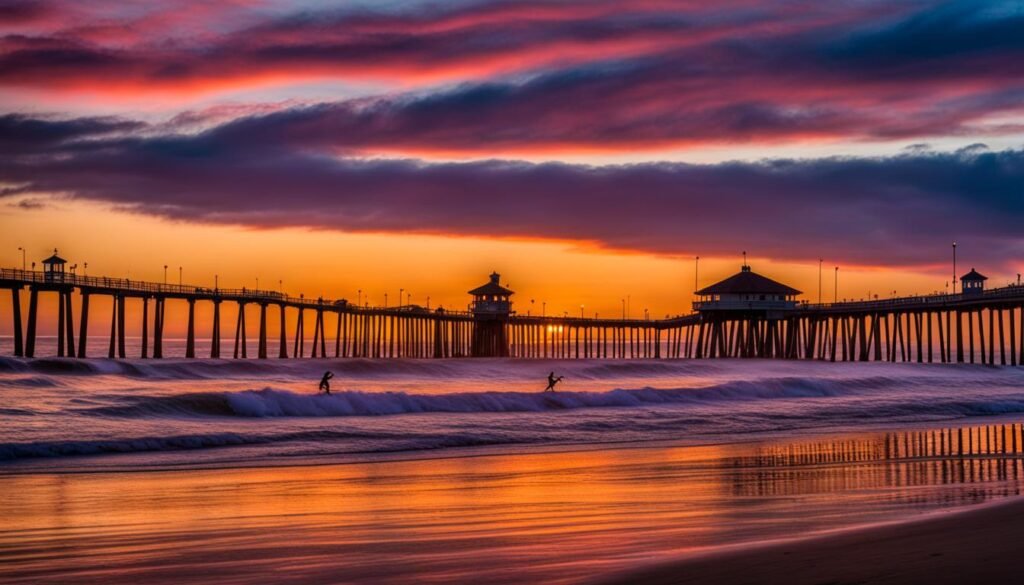
The Pacific sunset is the easy, free activity. Good public-viewing beaches include Santa Monica, Huntington Beach, and La Jolla Cove; the cliffs at Sunset Cliffs in Ocean Beach (San Diego) are the bluff-top version above the water. Arrive 30 minutes before the listed sunset time, bring layers (the coast cools fast), and note that “fire rings” for bonfires are only at designated beaches and often first-come.

Balboa Park, San Diego
The 1,200-acre park in central San Diego with the San Diego Zoo, 17 museums (the Museum of Art, the Natural History Museum, the Fleet Science Center), and the Botanical Building with its lily pond. The Spanish Colonial architecture is the backdrop; pick two or three museums rather than trying all of them. Wear good shoes, it is a lot of ground.

Ocean Beach and Torrey Pines, San Diego
Ocean Beach is the laid-back San Diego beach town with the 1,900-ft pier, Newport Avenue shops, and a surf break; Sunset Cliffs is the park just south with the coastal bluff trails. Torrey Pines State Natural Reserve is the clifftop hike north of La Jolla with the rare Torrey pines and ocean views; it is an easy trail but gets hot, so go early with water. Both are free; Torrey Pines charges for parking.

Surf at Huntington Beach
“Surf City USA” in Orange County, with a pier, a wide beach, and a surf culture; the US Open of Surfing is the summer event. Beginners can rent and take lessons; the waves are manageable but the crowds are not. The pier and the main beach are the public core; parking fills on summer weekends.
Death Valley: Badwater and Zabriskie Point
Badwater Basin is the salt flat at 282 ft below sea level, the lowest point in the U.S., best in cool season (Oct-April); carry more water than you think. Zabriskie Point is the eroded-badlands overlook near Furnace Creek, the classic sunrise/sunset stop, a short walk from the lot. Both are in Death Valley National Park, which spans the CA-NV line.

Colorado River at The Needles
The California-Arizona border town of Needles, where the Colorado River makes a warm-water recreation stop, Pirate Cove Resort among them, with camping, swimming, and fishing. It is hot (often the hottest spot in the state in summer) and remote, so it is a shoulder-season river trip, not a winter one.

Joshua Tree National Park
The desert park where the Mojave and Colorado deserts meet, known for the namesake Joshua trees, boulder piles (the rock-climbing draw), and dark night skies. Keys View is the panorama over the Coachella Valley. Go Oct-May; summer is dangerously hot. The park is busy on spring weekends, so weekdays are better, and you need a pass.
Planning tips
- Region, not list. These are hours apart; cluster by San Diego, the OC/LA coast, or the deserts.
- Season. Coast is year-round; deserts are cool-season only.
- Reservations. The zoo, Pirate Cove, and Joshua Tree (in peak) need planning; the beaches and overlooks do not.
Final Thoughts
California’s list is really several regional lists, so the useful move is to pick the region (San Diego, the coast, or the desert) and build a day around one or two of the above, not all of them. Go early for the desert and the popular overlooks, carry water everywhere, and check parking and pass requirements before you drive. The beaches and the sunset are free and flexible; the parks (Balboa, Death Valley, Joshua Tree) need a plan and a date. None of these is obscure, so the value is in the timing and the logistics, not the discovery.