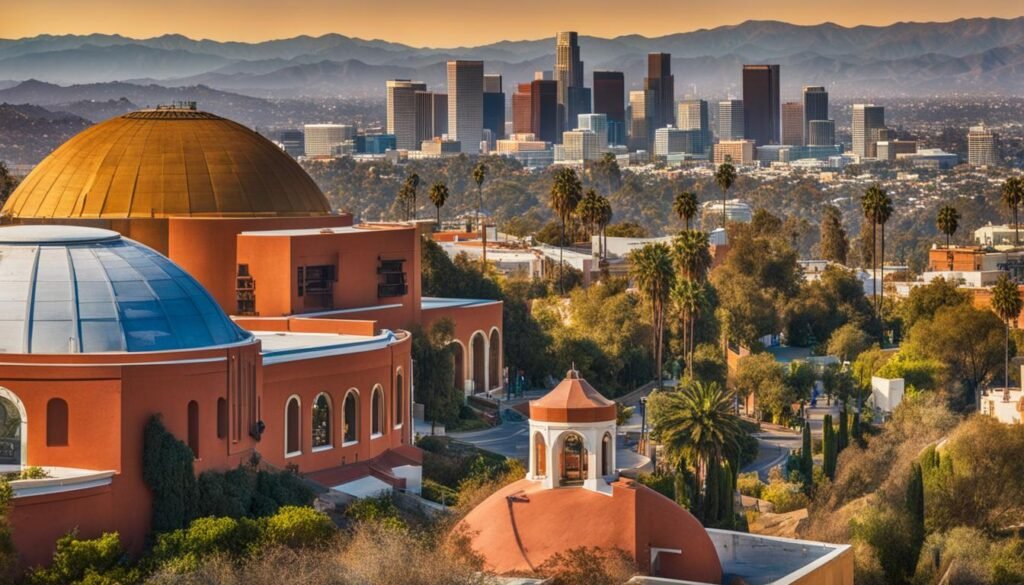
San Jose sits at the southern end of San Francisco Bay, about 50 miles south of San Francisco and 380 miles north of Los Angeles, in the flat Santa Clara Valley between the Santa Cruz Mountains to the west and the Diablo Range to the east. It is the largest city in Northern California by population (about 1 million) and the urban core of Silicon Valley. If you are planning a visit or a move, the practical thing to know is that the city is spread out and car-dependent, so where you stay matters more than the mile count.
The basics: county, region, and how to get there
San Jose is the seat of Santa Clara County, which also includes Cupertino, Sunnyvale, Mountain View, and Santa Clara. It is the third-largest city in California (after Los Angeles and San Diego) and around the 12th largest in the U.S. The coordinates are roughly 37.33°N, 121.89°W.
Getting there: Mineta San Jose International (SJC) is the in-city airport, about 10 minutes from downtown; SFO is the larger option 40 miles north. By car, I-880 runs north to Oakland, I-280 curves up the peninsula to San Francisco, I-680 heads northeast toward Pleasanton, and US-101 is the main north-south spine through the valley. Caltrain connects San Jose to San Francisco; VTA runs local light rail and buses. Zip codes run 95101 through 95196.
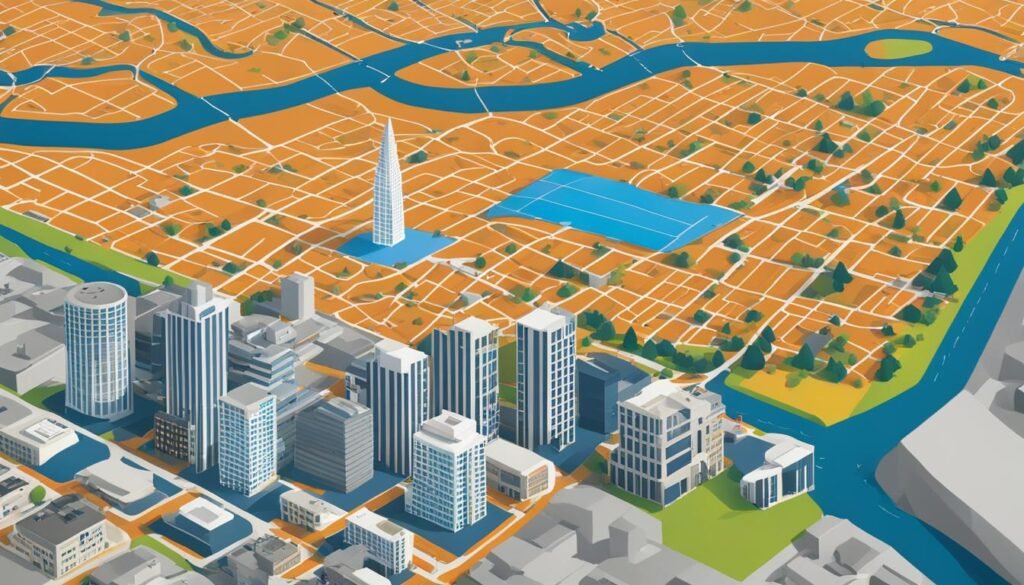
What the city actually is
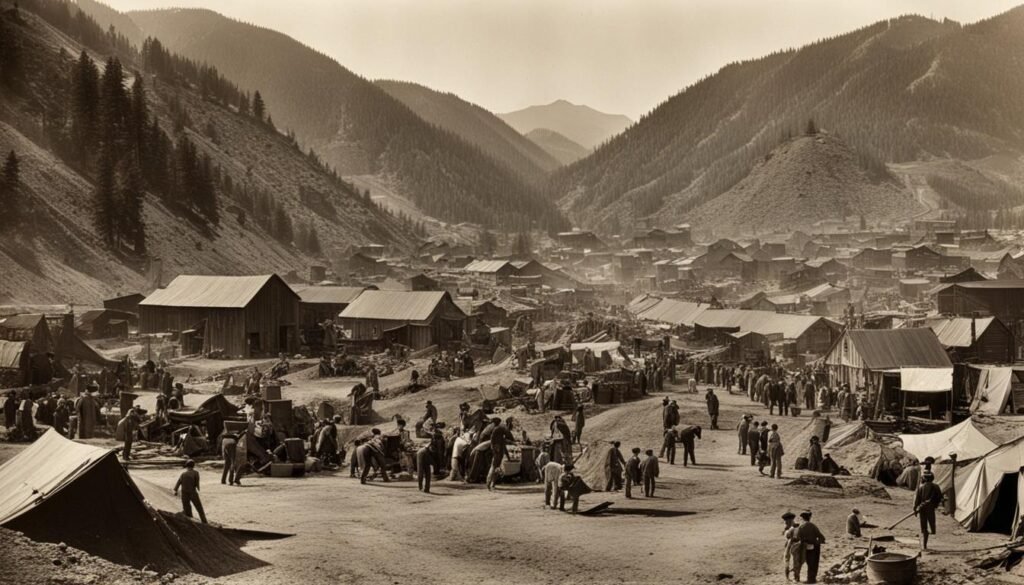
San Jose calls itself the “Capital of Silicon Valley,” and the label fits: it is home to the headquarters or large campuses of Cisco, Adobe, PayPal, and eBay, plus a dense web of smaller tech firms and venture capital. That is why the cost of living is high and the job market is engineering-heavy. The city is also older than its skyline suggests, it was founded in 1777 as Pueblo de San José de Guadalupe and was California’s first chartered city in 1850, before it became an orchard town and then a tech hub after 1960.

Weather and when to go
San Jose has a mild Mediterranean climate: warm, dry summers (high 70s to low 80s°F) and cool, wet winters (mid-50s to low 60s°F). It gets sunshine most of the year, with rain concentrated from November through March. The “June Gloom” coastal fog usually stays west in Santa Cruz, so San Jose stays clearer and warmer than San Francisco, a point worth knowing if you are choosing between the two.
Neighborhoods worth knowing
- Downtown / SoFA District – the urban core, with the SAP Center, the California Theatre, and the bars and restaurants.
- Santana Row and Westfield Valley Fair – the shopping-and-dining hub on the west side.
- Willow Glen – tree-lined streets and a small-town-feeling downtown.
- Japantown – one of three remaining Japantowns in the U.S., with restaurants and the annual Obon festival.
- Almaden Valley – southern, hilly, near the old Quicksilver mining park.
Final Thoughts
San Jose is easy to locate and harder to navigate, so the useful next step is to pick a base by what you came for, then check the 101 and 880 commute times before you book, because traffic, not distance, decides your day. If you want the Silicon Valley experience, stay west near Santana Row; for the civic core, downtown. The city rewards a plan more than a wander.