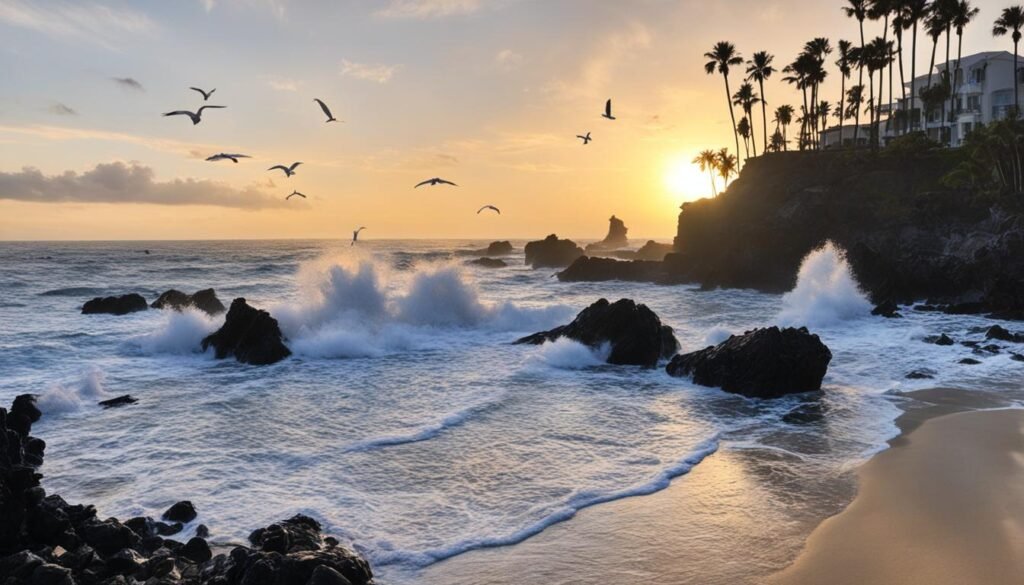
The Sea of Cortez, also called the Gulf of California, is the body of water between the Baja California peninsula and mainland Mexico. It runs about 700 miles from the border area near Mexicali down to Cabo San Lucas at the peninsula’s tip. For California travelers it matters because the closest stretch, around San Felipe, is a long day’s drive from the Southern California border, and the whole gulf is one of the most wildlife-rich marine areas on the Pacific coast of North America.
Marine life
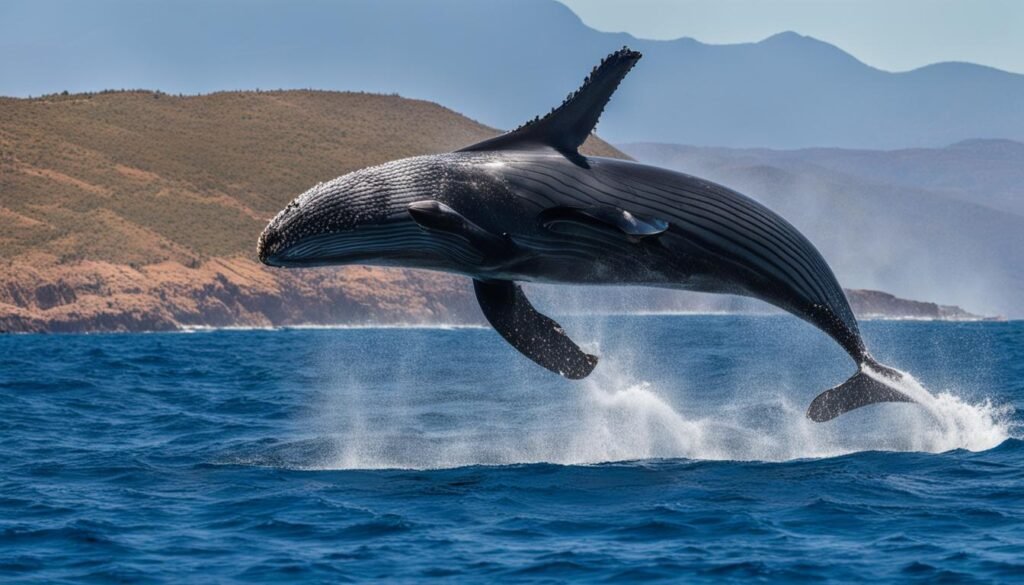
The gulf holds a dense mix of species: tropical fish on the reefs, sea lions and dolphins year-round, and whales in season. Humpbacks pass through in winter and spring, and it is one of the few places where you can see vaquita (the smallest and most endangered porpoise, though numbers are now critically low). Whale sharks gather near La Paz in winter. Jacques Cousteau called it the “Aquarium of the World,” a name that stuck because of the density of life in a relatively small sea.
UNESCO status
The islands of the gulf, not the water itself, are a UNESCO World Heritage Site (the “Islands and Protected Areas of the Gulf of California”), and large parts are a Mexican biosphere reserve. That designation is why the fishing and tourism are, in theory, managed to protect the habitat; in practice, illegal fishing (especially nets that catch vaquita) remains a problem worth knowing about before you book a wildlife trip.
What to do
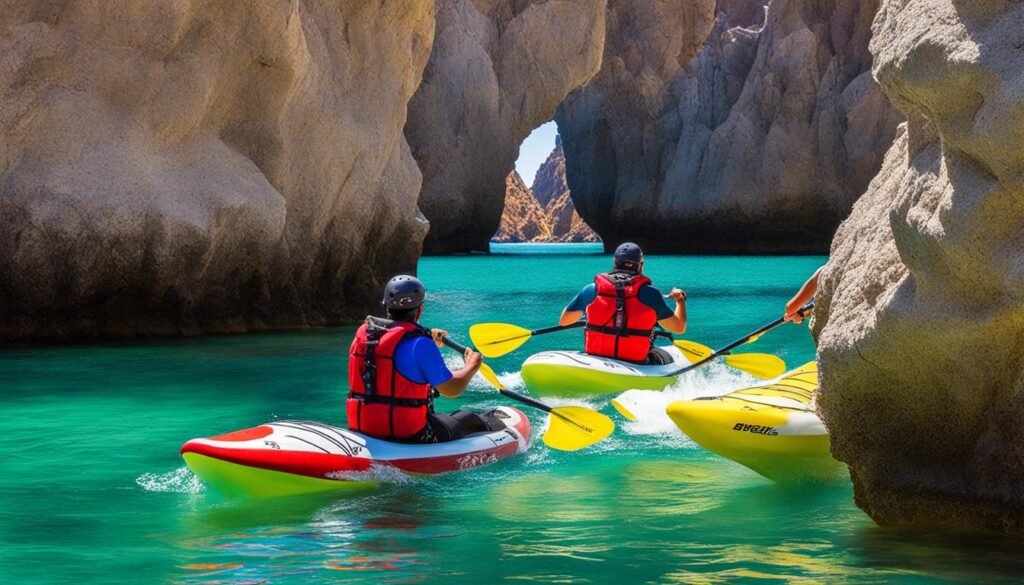
The main activities are snorkeling and scuba diving (the water is warm and clear in the sheltered bays), kayaking and paddleboarding, and whale-watching by boat. Cabo San Lucas, at the tip, is the party-and-resort hub with nightlife and easy beach access. La Paz, a few hours north on the same coast, is the calmer gateway city, with a palm-lined malecón, a fresh-seafood scene, and Playa Balandra, a shallow turquoise bay that is the standout beach nearby.
Takeaway
It is a Mexican destination, about a full day’s drive from San Diego to the nearest launch points, so plan it as a border-crossing trip with the right paperwork, not a day trip. Go for the wildlife (whales in winter, whale sharks near La Paz in late fall and winter, sea lions year-round), and book tours through operators you can verify. Check the current entry and vehicle-insurance rules before you drive, and confirm whale and turtle seasons, since they shift by month.