Sonoma County is bigger than the town of Sonoma — it runs from the town north through Healdsburg and Sebastopol to the Russian River and the coast. It is wine, redwoods, and a slower pace than Napa, with more to do outdoors. This covers the county, not just the plaza.
Food and Wine
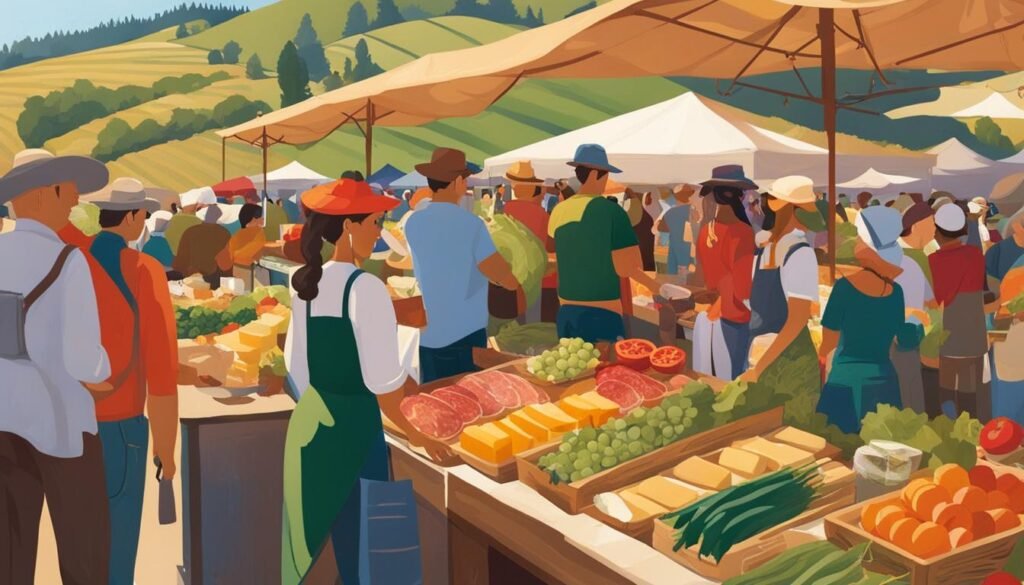
The county has 400-plus wineries — bigger names like Buena Vista (oldest in the state), Chateau St. Jean, Rodney Strong, Francis Ford Coppola, and Domaine Carneros, plus hundreds of small producers. Food tours and wine-and-food festivals run through the year; the dining leans farm-to-table. Book tastings ahead on weekends and in harvest (fall).
Outdoors
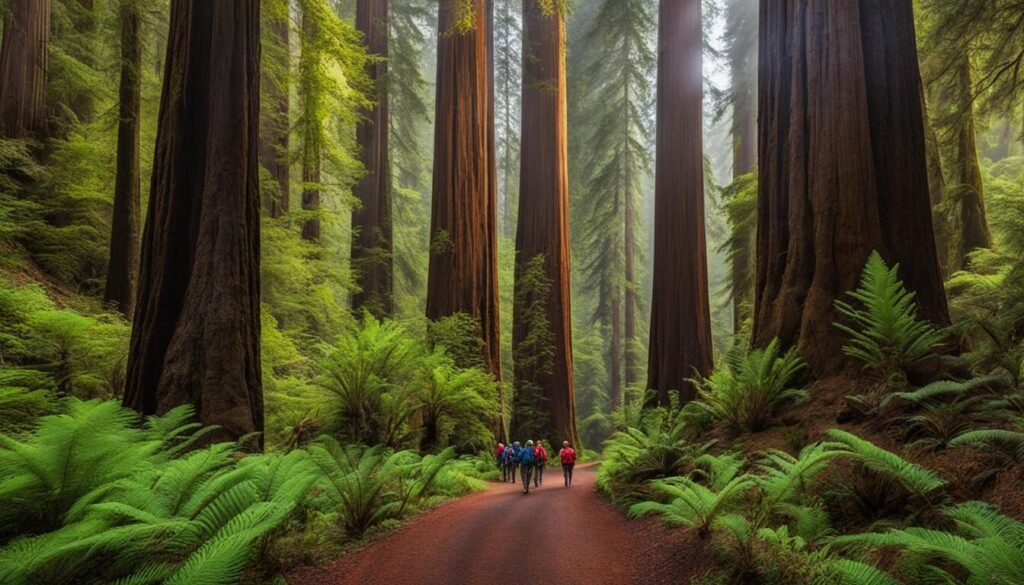
- Hiking — Jack London State Historic Park, Sugarloaf Ridge, and Armstrong Redwoods (old-growth coast redwoods near Guerneville).
- Biking — the flat valley roads and the vineyard loops; the Sonoma Coast is hillier.
- Kayaking — the Russian River and the coastline.
- Ziplining and hot-air ballooning — commercial outfitters operate in the valley; balloon rides at sunrise are the classic splurge.
History
- Sonoma State Historic Park — the plaza site of the Bear Flag Revolt and the Mission San Francisco Solano.
- Fort Ross — the Russian-era trading outpost on the coast (early 1800s), with reconstructed buildings.
- Petaluma — a preserved Victorian downtown, good for a walk and a meal.
- Jack London State Historic Park — the author’s former home and grounds near Glen Ellen.
Wine Tasting

With 425-plus wineries, the move is to pick a corner — the Sonoma Valley, the Russian River, or Healdsburg — and do three or four tastings rather than chasing the whole county. Spring and fall are the comfortable seasons; winter is quiet and green.
Conclusion
Sonoma County rewards a few days, not a few hours. Base in the town of Sonoma or Healdsburg, do a wine corner, and add one park and one coast stop (Bodega Bay or the Russian River). It is less polished and less expensive than Napa, and the redwoods and coast are the difference-makers. Check tasting times and road conditions before you go.