How can you create a lush, vibrant outdoor space in a region known for its dry climate and water restrictions? California homeowners often face unique challenges when it comes to landscaping, but with the right approach, your yard can flourish. Discover 29 California Landscaping Ideas for a Lush Outdoor Space that will help you transform your garden into a thriving oasis. From drought-resistant plants to innovative design techniques, these ideas offer practical solutions to enhance your home’s exterior while embracing the natural beauty of California.
1. Southern California Xeriscape

This California landscaping design conserves water by utilizing drought-tolerant plants like succulents and native shrubs, making it perfect for Southern California’s dry climate. Xeriscaping minimizes the need for irrigation and maintenance, reducing water usage and promoting sustainability. The use of gravel and stone in place of grass adds a modern aesthetic while also providing practical benefits. Accent features such as decorative rocks and solar-powered lighting enhance the natural beauty without the need for excessive water. This landscaping style not only conserves resources but also creates a visually appealing, low-maintenance outdoor space.
This is the kind of front yard that stops dog walkers mid-stride—it’s proof that ‘low water’ never has to mean ‘low impact’ when you commit to sculptural plants and natural stone.
2. Bay Area Eco-Friendly Gardens

Eco-friendly gardens in the Bay Area focus on sustainability and environmental preservation, utilizing native plants that thrive in the local climate without extra resources. These gardens often incorporate rainwater harvesting systems and composting setups to enhance soil fertility and reduce waste. The design encourages biodiversity by providing habitats for local wildlife, including birds, bees, and butterflies. Using organic mulches and avoiding chemical pesticides supports a healthy, eco-conscious outdoor environment. Bay Area eco-friendly gardens are ideal for homeowners looking to reduce their ecological footprint while enjoying beautiful, natural surroundings.
This is the kind of garden that rewards slow mornings—coffee in hand, wandering the shaded path as light shifts through the leaves. It feels discovered rather than designed.
👑 Get The Look
3. Central Valley Orchard Design

Central Valley orchard designs are optimized for the region’s fertile soil and warm climate, ideal for growing a variety of fruit trees, from almonds to citrus. This type of California landscaping combines productivity with aesthetics, arranging trees in patterns that maximize sun exposure and air circulation. Underplanting with groundcovers and flowers can enhance soil health and reduce erosion. The orchards can also serve as beautiful outdoor living spaces, with paths and benches for enjoying the natural bounty. It’s a perfect blend of form and function, providing both fresh produce and a tranquil retreat.
There’s something deeply grounding about walking a grass path between fruit-laden branches at golden hour—it turns a working orchard into your private sanctuary.
🛒 Get The Look
4. Napa Valley Vineyard Aesthetics

Napa Valley vineyard aesthetics in California landscaping focus on the picturesque arrangement of vine rows that follow the natural contours of the landscape. This design maximizes sun exposure and drainage, crucial for producing high-quality grapes. The addition of rose bushes at the end of vine rows not only adds beauty but also serves as an early indicator of potential plant health issues. Lavender and other aromatic herbs are often planted to enhance biodiversity and control pests naturally. Vineyard landscapes are not only functional but also offer scenic beauty, making them a popular choice for enhancing property value and aesthetic appeal.
This is the kind of space that slows you down—there’s something deeply grounding about sitting under your own grape canopy with nothing but hills ahead and good company beside you.
5. High Desert Cactus Gardens

High desert cactus gardens are tailored to withstand the extreme temperatures and low water availability of California’s desert regions. This California landscaping style utilizes a variety of cacti and other succulents that require minimal maintenance and water, ideal for desert living. Rock gardens and sand beds complement the sparse beauty of the cacti, while providing excellent drainage needed by these plants. Bold geometric designs and paths lined with native rocks create a visually striking contrast against the soft textures of the desert sand. Cactus gardens are a practical and stunning option for desert homeowners looking to embrace the natural landscape.
This space feels like intentional refuge—where the harshness of the desert is filtered through glass and stone into something you actually want to step into barefoot at dusk.
6. Coastal Dune Restoration Landscaping

Coastal dune restoration in California landscaping focuses on stabilizing sand dunes using native coastal plants like beach grass and lupine. This ecological approach prevents erosion and protects shoreline properties while supporting local wildlife habitats. The strategic planting of these hardy species helps to maintain the natural landscape and biodiversity of California’s coastlines. By mimicking natural dune formations, this landscaping style not only preserves the environment but also provides a resilient barrier against coastal storms. It’s an essential practice for sustainable coastal management and aesthetic beachside enjoyment.
There’s something deeply satisfying about watching a restored dune system come alive—this approach lets your shoreline do the heavy lifting while you enjoy the view.
7. Sierra Nevada Alpine Gardens

Sierra Nevada alpine gardens feature plants that are hardy enough to withstand the harsh mountainous conditions and rocky soils typical of high elevations. This style of California landscaping often includes native wildflowers and shrubs that provide year-round interest and help to anchor the soil. By incorporating stone pathways and rustic wooden elements, these gardens blend seamlessly into the natural landscape. Alpine gardens are perfect for mountain homes, offering low-maintenance beauty that echoes the wild character of the Sierra Nevada.
This is the garden that makes you want to slow down—there’s something deeply grounding about hearing water move over stone while surrounded by blooms that fought to survive at altitude.
8. Los Angeles Rooftop Retreats

In the urban environment of Los Angeles, rooftop retreats offer a private escape with spectacular city views. This California landscaping design maximizes limited space by incorporating container gardens, vertical plant walls, and multi-functional furniture. Drought-tolerant plants and succulents are popular choices, reducing water use while maintaining a lush appearance. Rooftop gardens can also include elements like fire pits and outdoor kitchens, making them perfect for entertainment and relaxation.
This space feels like you’ve stolen a private lounge from a boutique hotel—it’s the kind of rooftop where you’d actually want to host instead of just posting about it.
9. San Diego Tropical Oasis

A tropical oasis in San Diego makes the most of the mild climate to include lush, leafy plants and large, colorful flowers that thrive year-round. This style of California landscaping creates a resort-like atmosphere with palm trees, bamboo, and water features like ponds or waterfalls. Shaded seating areas and hammocks enhance the relaxation factor, turning the garden into a daily vacation spot. Using plants with different textures and heights adds depth and interest to the tropical landscape.
This is the backyard that makes you cancel dinner plans—there’s something about hearing water trickle while koi glide past that turns a Tuesday into a staycation.
10. Mediterranean-Inspired Estates

Mediterranean-inspired landscaping is popular in California due to its similar climate, featuring olive trees, lavender, and climbing vines. This style incorporates terracotta pots, stone pathways, and water elements like fountains or small reflecting pools, which add to the European charm. Shaded pergolas with climbing plants provide relief from the sun while offering a romantic dining or lounging area. These estates often use warm, earthy colors in their design, reflecting the natural tones of the Mediterranean landscape.
This courtyard whispers of slow afternoons with wine and nowhere to be—it’s the kind of space that makes you want to linger just to hear the fountain trickle.
👑 Get The Look
11. Modern Minimalist Yards

Modern minimalist yards in California use clean lines and a restrained palette of materials to create a serene and orderly outdoor space. These landscapes often feature geometric planting beds, minimalist water features, and a limited color scheme focused on greens and whites. Hardscaping with concrete or minimalist decking provides structure without overwhelming the plants. This style is especially suitable for contemporary homes, emphasizing architectural details through simplicity and balance.
This sunken fire pit setup transforms a sloped yard into an intimate gathering spot where you’re literally grounded in the landscape—perfect for those long California evenings when you want to feel tucked away without leaving home.
12. Santa Barbara Mission-Style Gardens

Santa Barbara mission-style gardens reflect the historic architecture of the area with elements such as adobe walls, terracotta tiles, and iron gates. Plantings are typically lush, with an emphasis on fragrant herbs like rosemary and lavender, alongside citrus trees and climbing bougainvillea. This style often incorporates small courtyards with central water features, providing a peaceful retreat. The use of native plants and materials ensures these gardens are both beautiful and sustainable.
This courtyard feels like stepping into old California—there’s something deeply grounding about the warm terracotta underfoot and the hum of bees in lavender that makes evening wine taste better here.
13. Urban Edible Gardens

Urban edible gardens in California combine practicality with aesthetics, allowing city dwellers to grow their own fruits, vegetables, and herbs. These gardens use raised beds, container gardens, and vertical planters to maximize space efficiency. Integrating edible plants with ornamental ones not only optimizes land use but also creates a visually appealing landscape. Companion planting can enhance plant health and yields, making these gardens both productive and attractive.
This is the garden that finally justifies your Saturday farmers market habit—rows of crimson tomatoes and sugar pumpkins you actually grew yourself, with that golden-hour glow hitting the string lights just right.
14. Water-Wise Landscaping
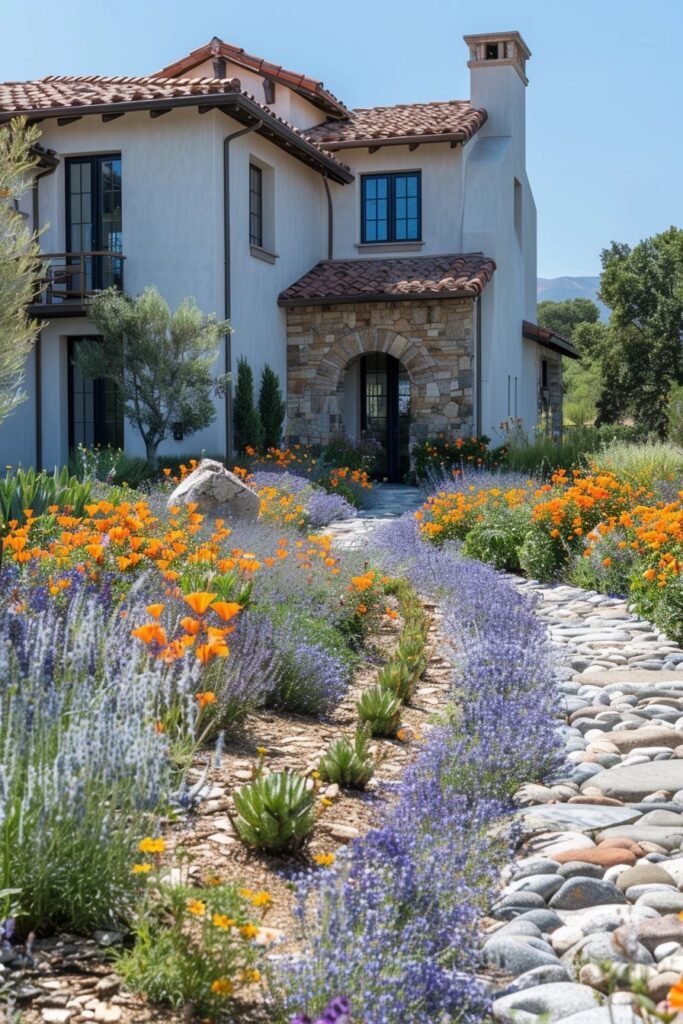
Water-wise landscaping is essential in California, utilizing drought-tolerant plants and efficient irrigation systems to conserve water. Techniques like mulching, and the use of drip irrigation, help reduce evaporation and water runoff. Landscapes designed under this theme often feature rock gardens, native grasses, and perennials that require minimal hydration. These designs not only save water but also reduce maintenance needs and costs.
This front yard feels like a confident embrace of California’s natural beauty rather than fighting it—there’s something deeply satisfying about a garden that thrives on neglect once established.
✅ Get The Look
15. Native California Plant Gardens

Native California plant gardens emphasize the use of species that are indigenous to the region, supporting local ecosystems and requiring fewer resources. These gardens often include wildflowers, native shrubs, and grasses that attract local wildlife such as birds and butterflies. Using native plants helps maintain the natural biodiversity and resilience of the area’s ecosystems. These landscapes typically need less fertilizer and are more resistant to local pests.
This garden feels like a love letter to California’s golden hills—there’s something deeply satisfying about a landscape that thrives on neglect and still stops traffic.
16. Wildflower Meadows of Northern California
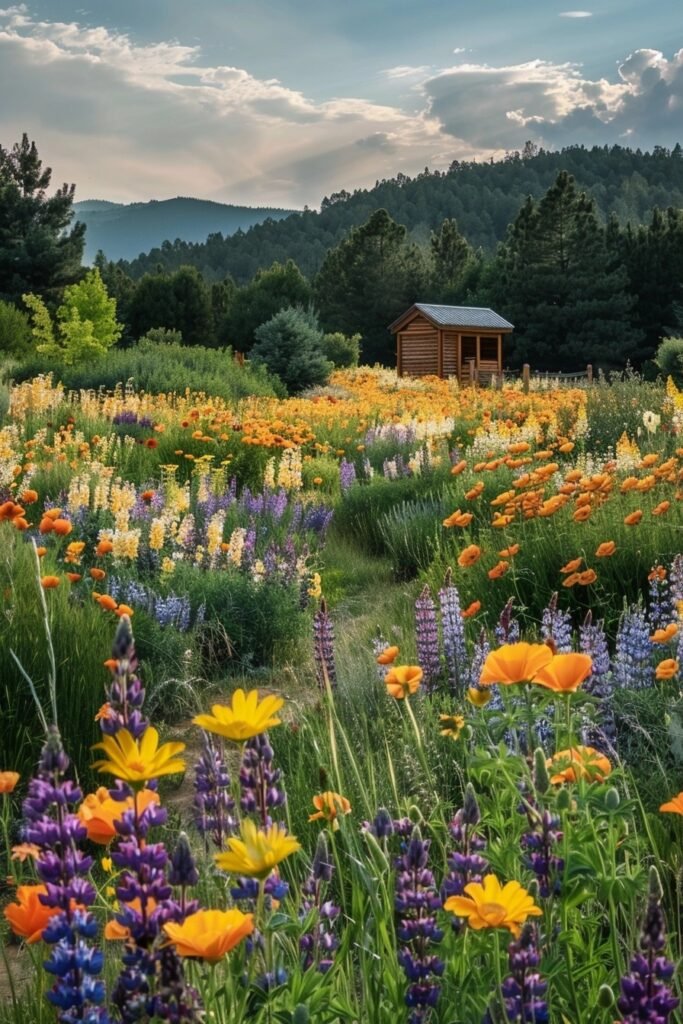
Wildflower meadows are a beautiful and eco-friendly addition to Northern California landscapes, providing a vibrant tapestry of colors through the seasons. These meadows are low-maintenance and attract a variety of pollinators, enhancing local biodiversity. Planting a mix of native wildflowers can help create a resilient and self-sustaining ecosystem. This type of landscaping offers a natural, informal style that can serve as a focal point or a complementary feature in larger garden designs.
There’s something deeply restorative about a space that asks nothing of you except to witness it—this meadow feels like permission to slow down and let the world grow a little wild.
17. Palm Springs Resort-Style Landscapes

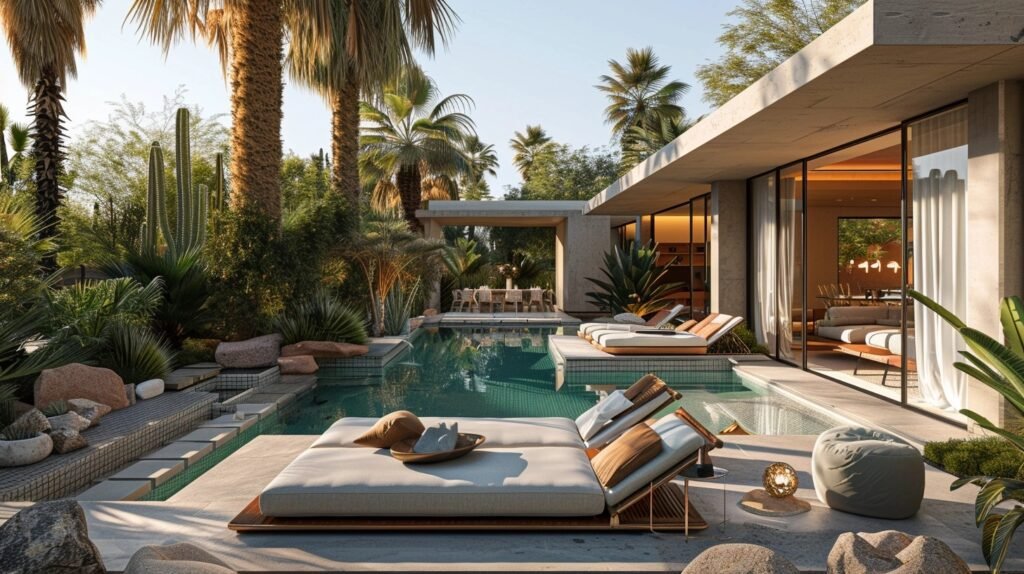
Resort-style landscapes in Palm Springs incorporate luxurious elements like sculpted topiaries, expansive lawns, and elegant palm trees, creating a glamorous outdoor setting. Water features, like large pools and cascading waterfalls, add a refreshing touch to the arid environment. These landscapes are designed for entertainment and relaxation, with spacious patios and outdoor kitchens. Using heat-tolerant plants and shaded structures ensures that the garden is enjoyable even on the hottest days.
This is the backyard that makes you cancel dinner plans—there’s something about that stone glow at dusk that feels like permanent vacation mode.
18. California Cottage Gardens

California cottage gardens blend informal design with a variety of plants, including colorful perennials, flowering shrubs, and climbing vines. The style often incorporates charming pathways and rustic wooden fences that evoke a quaint, cozy feel. These gardens are densely planted, creating a lush, abundant look that invites wildlife and provides a serene escape. Cottage gardens in California can be adapted to local conditions using drought-tolerant plants and mulching to conserve moisture.
This garden feels like stumbling onto a secret—there’s something deeply personal about a path so packed with blooms you have to brush past them, making every walk to the door feel like an event.
19. Urban Green Roof Gardens

Urban green roof gardens represent a revolutionary approach in California landscaping, turning underutilized rooftop spaces into vibrant, green oases amidst the concrete jungle. These gardens are not only aesthetically pleasing but also environmentally beneficial, providing insulation, reducing urban heat, and improving air quality in densely populated areas. They utilize lightweight soil and drought-tolerant plants to create sustainable ecosystems that require minimal maintenance. Such designs can include recreational areas, vegetable gardens, and even small trees, transforming roofs into functional living spaces. Urban green roof gardens are ideal for California’s climate, offering residents a private escape or a communal gathering spot high above the city streets.
This is the kind of space that makes you want to pour a drink at golden hour and actually stay outside—the integrated lighting means the garden transforms rather than disappears when the sun drops below those distant towers.
20. Fire-Resistant Landscaping

In fire-prone areas of California, fire-resistant landscaping is critical to protecting property. This design approach uses materials and plants that are less likely to ignite, such as gravel, stone, and fire-resistant plant species like rockrose, ice plant, and aloe. Strategic placement of these elements, such as creating defensible spaces around structures, can significantly reduce fire risks. Incorporating irrigation systems that can dampen the area during high fire risk periods further enhances safety.
This front courtyard feels like a sun-drenched escape where the gravel crunches underfoot and the clay roof glows at golden hour—proof that safety-minded design can still feel soulful.
21. Contemporary Zen Gardens

Contemporary Zen gardens fuse traditional Japanese garden elements with modern design, creating a tranquil retreat in California homes. These gardens use minimalist aesthetics, emphasizing clean lines and balanced compositions. Features like sand rakes, smooth stones, and small water features promote calm and contemplation. Planting is typically sparse, with carefully chosen specimens that emphasize form and texture. This style is perfect for those seeking a peaceful, meditative space in their garden.
This is the garden you wander into with your morning coffee when the world feels too loud—the raked gravel practically demands you slow down and breathe.
22. Low Maintenance Front Yards

Low maintenance front yards are ideal for California homeowners who want curb appeal without extensive upkeep. These designs often use drought-tolerant landscaping, artificial turf, and perennial plants that require minimal care. Decorative paving and mulching can reduce the need for regular watering and weeding. Strategic plant selection and placement can create visual interest and structure throughout the year.
This is the yard that greets you after a long commute—clean lines, zero guilt about water waste, and just enough color to feel alive without demanding your weekend.
23. Natural Swimming Ponds

Natural swimming ponds are an eco-friendly alternative to traditional pools, blending seamlessly with the California landscape. These features use plants and natural processes to filter the water, creating a clean and healthy swimming environment without chemicals. The surrounding landscaping can include wetland plants that enhance the filtration process and attract wildlife, creating a vibrant ecosystem. Natural swimming ponds are not only functional but also beautiful, enhancing the aesthetic of any garden.
There’s something almost meditative about wading into water that doesn’t smell like chlorine—this is the kind of backyard that makes you cancel weekend plans without regret.
24. Coastal Bluff Gardens
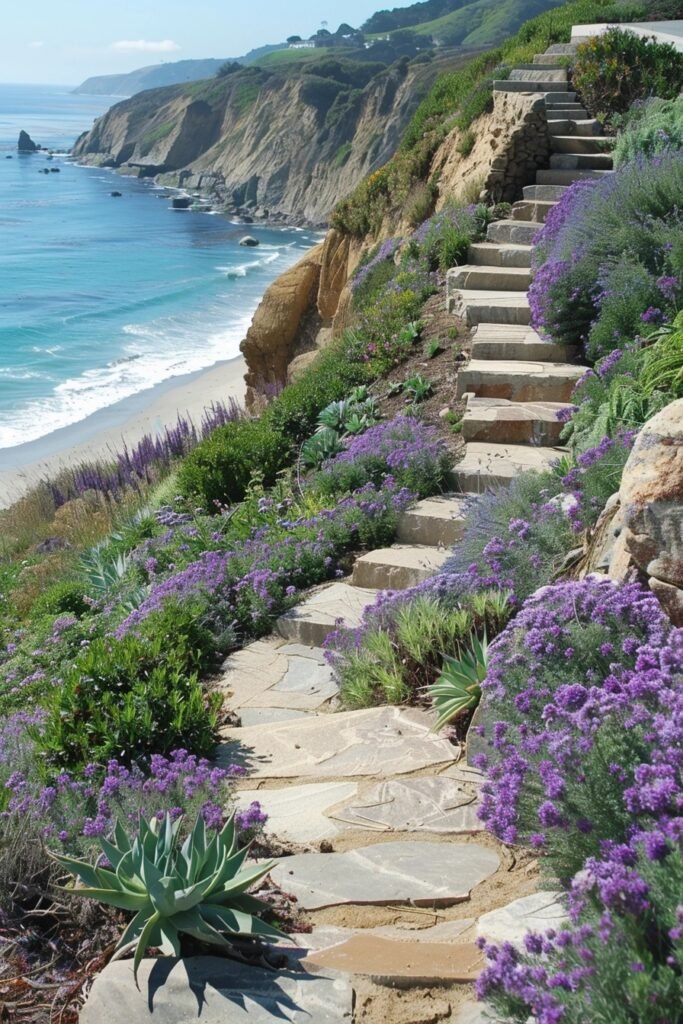
Coastal bluff gardens are specifically designed to withstand the harsh conditions of California’s seaside cliffs, making them a unique and vital component of California landscaping. These gardens utilize native, salt-tolerant plants that can thrive in windy and sandy conditions, stabilizing the soil and reducing erosion. The deep-rooted vegetation helps to anchor the ground, protecting the bluffs from the eroding forces of rain and ocean spray. This landscaping style not only secures the terrain but also enhances the natural beauty of the coastline, creating scenic views that complement the ocean backdrop. Aesthetically, coastal bluff gardens blend seamlessly with the rugged coastal environment, preserving the natural character of the shoreline.
There’s something meditative about this path—it feels like the garden is letting you in on a secret, winding down to where the land meets the sea.
25. Hillside Terracing Solutions
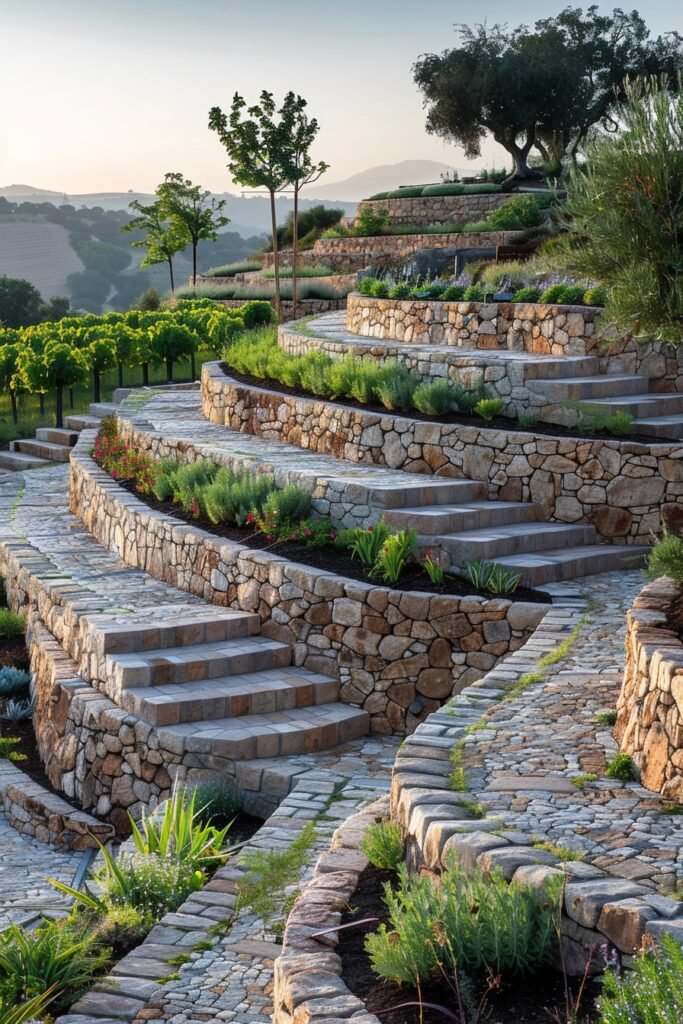
Hillside terracing can transform steep slopes into usable garden space, preventing soil erosion and providing areas for planting in California landscapes. Terraces can be built with retaining walls of stone or concrete, which can be planted with ground covers and shrubs to stabilize the soil. This technique not only maximizes space on sloping properties but also creates visually appealing garden levels. Planting drought-tolerant species on terraces can further reduce maintenance and water use.
This terraced slope feels like a discovery with every step down—it’s the kind of landscape that makes you want to wander slowly with a glass of wine at sunset.
26. Wildlife-Friendly Gardens

Wildlife-friendly gardens in California are designed to attract and support local fauna, such as birds, butterflies, and bees. These gardens use a variety of native plants that provide food and habitat for wildlife. Features like bird baths, nesting boxes, and butterfly gardens can enhance the garden’s appeal to different species. The use of organic gardening practices ensures a safe environment for wildlife visitors.
This is the kind of garden that rewards patience—plant it once with the right natives, and the wildlife does the decorating for you every single season.
27. Beachfront Erosion Control Landscaping

Beachfront erosion control landscaping uses plants and structured elements to protect coastal properties from erosion. Techniques like planting deep-rooted grasses and shrubs can stabilize sand and soil, while barriers made from natural materials like boulders or wooden groynes can help reduce the impact of waves. This type of landscaping not only protects property but also preserves the natural beauty of the beachfront.
There’s something grounding about a house that meets the land on its own terms—this path feels discovered rather than imposed, like the structure grew here alongside the dunes.
🔔 Get The Look
28. Suburban Orchard and Vegetable Gardens

Transform your California suburban yard into a productive orchard and vegetable garden, combining aesthetics with functionality. Raised beds can be used for vegetables, herbs, and flowers, while fruit trees can be trained along fences or as stand-alone features. This approach allows homeowners to produce fresh, organic produce right in their backyards. Companion planting can enhance both the beauty and the productivity of the garden.
There’s something deeply satisfying about stepping outside to clip fresh herbs for dinner, and this layout proves you don’t need acreage to grow serious food—just smart vertical organization and that gorgeous cedar warmth against all that green life.
29. Drought-Tolerant Color Pops

Drought-tolerant color pops in California landscaping use vibrant, low-water plants to create visually striking displays. Plants like California poppy, lavender, and various succulents can provide bursts of color without requiring extensive watering. These plants not only add aesthetic value but also help conserve water—a crucial consideration in California’s dry climate. Incorporating these plants into rock gardens or along pathways can enhance the visual impact while keeping maintenance low.
This terrace feels like the sweet spot between intentional design and wild California beauty—those poppies look almost accidental, which is exactly the point.
Conclusion
Creating a lush outdoor space in California is entirely achievable with the right approach and thoughtful planning. By exploring these 29 California Landscaping Ideas for a Lush Outdoor Space, you can transform your garden into a vibrant and thriving oasis. From selecting drought-resistant plants to incorporating innovative design elements, these ideas provide practical and inspiring solutions tailored to California’s unique climate. Embrace these landscaping tips to enhance your home’s exterior, making it a beautiful and inviting retreat that reflects the natural beauty of the Golden State. Let your outdoor space become a testament to creativity and sustainability, offering you and your family a lush sanctuary to enjoy year-round.