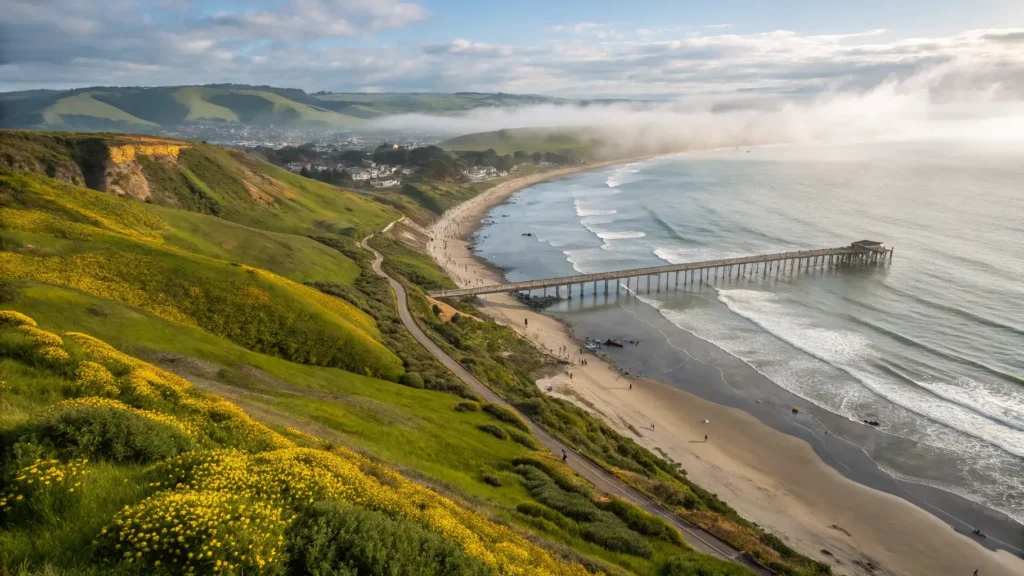
I logged August days in Mammoth Lakes where the high country stays in the 70s and the lakes are clear for a swim. The wildflowers fade by now, but the trails are dry and the shuttle makes the valley easy to reach.
Here’s the thing most travel blogs won’t tell you straight: August in Mammoth Lakes is genuinely one of the best months to visit anywhere in California. But only if you know what you’re walking into.
So what’s the actual weather like? How cold does it really get at night? And what on earth should you pack?
Let me break it all down.
The August Temperature Swing That Shocks First-Time Visitors
The daytime highs in Mammoth Lakes during August sit comfortably between 76-79°F (24-26°C). That’s warm enough for a T-shirt but cool enough that you won’t be dripping with sweat on a trail.
Sounds perfect, right? It is. Until the sun drops.
Nighttime lows average between 44-51°F (7-11°C). That’s a temperature swing of nearly 30°F in a single day.
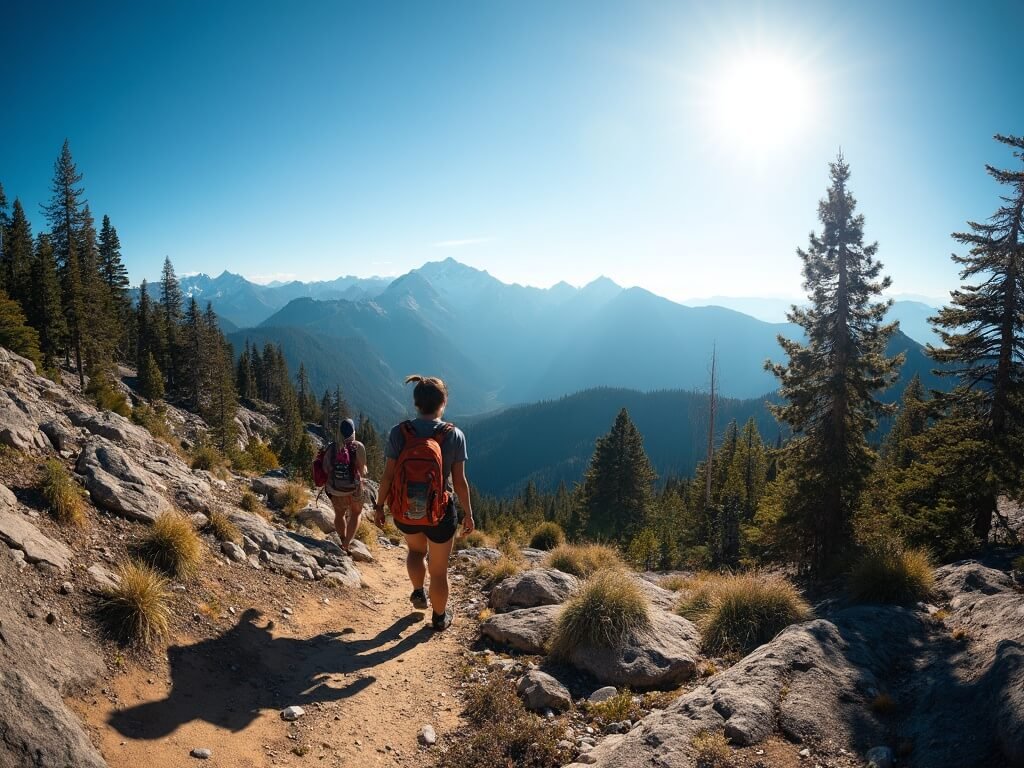
I remember my first August trip to Mammoth Lakes back in 2019. I’d checked the daytime forecast, saw 78°F, and packed like I was heading to a beach holiday. By 9 PM, I was sitting outside a restaurant on Main Street wearing every piece of clothing I’d brought, layered ridiculously on top of each other. A local at the next table just laughed and said, “First time?” Lesson learned the hard way.
Here’s how August temperatures break down across the month:
- Early August: Slightly warmer, closer to 79°F during the day
- Mid-August: Temperatures start tapering off gradually
- Late August: Daytime highs dip closer to 76°F as autumn creeps in
For context, August runs cooler than July but significantly warmer than the brutal December months. It’s that sweet spot where the Sierra Nevada feels alive without punishing you.
Key takeaway: Pack for summer days and autumn evenings. Seriously.
Why Mammoth Lakes August Rainfall Is Almost a Non-Issue
Here’s a stat that should make any holiday planner smile.
The average chance of rain on any given August day in Mammoth Lakes? Just 8%.
Across the entire month, you’re looking at roughly two days of rainfall total. That’s it.
Compared to spring months where snowmelt and storms can disrupt plans, August is remarkably dry and stable. Humidity levels stay low too, which is directly tied to the town’s elevation (more on that in a moment).
What does this mean practically?
- You probably won’t need a full waterproof jacket
- Afternoon thunderstorms are rare but not impossible
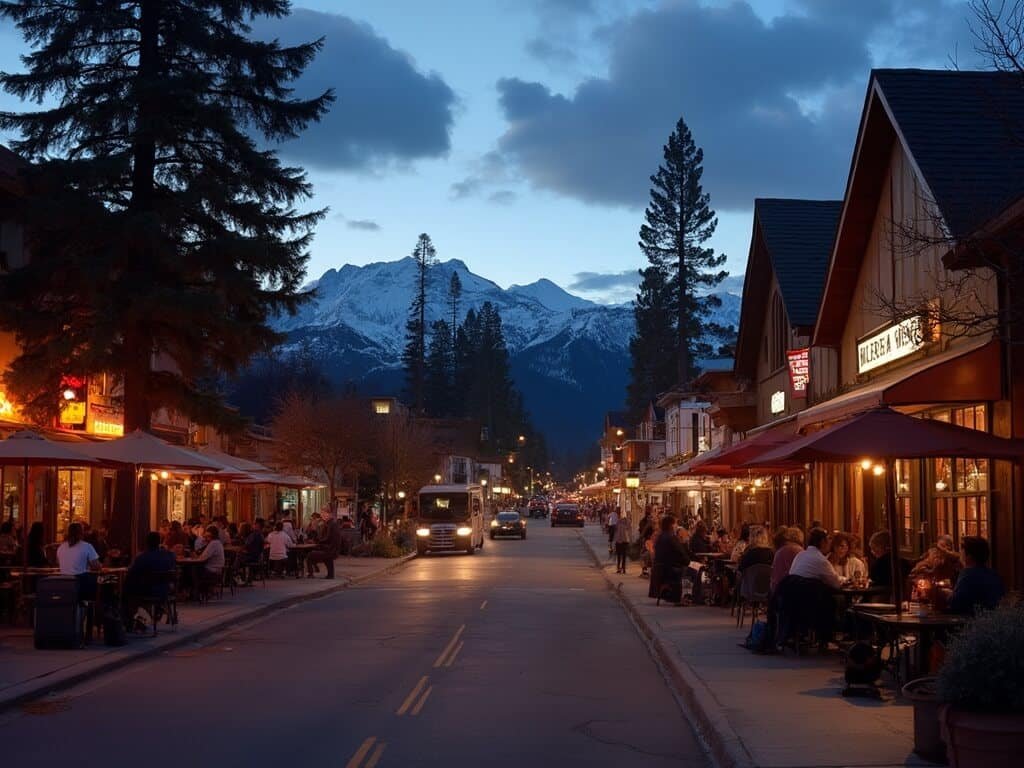
- Trails stay dry and accessible throughout the month
- Outdoor plans rarely get cancelled
The dryness is actually one of August’s biggest selling points. You can plan a full week of activities and reasonably expect every single day to cooperate.
That said, I’d still chuck a lightweight packable rain shell into your bag. Mountain weather can always surprise you, and a 10-minute alpine shower at elevation hits differently than drizzle at sea level.
Key takeaway: August is one of the driest months of the year. Plan confidently.
13.6 Hours of Daylight: Your Secret Weapon for Mammoth Lakes Summer Activities
Most people overlook daylight hours when planning a trip. Big mistake.
In August, Mammoth Lakes averages 13.6 hours of daylight per day.
- Sunrise: approximately 6:10 AM
- Sunset: approximately 7:47 PM
That’s a massive window for activities. Early risers can hit trails before crowds arrive. Evening adventurers still have golden light well past 7 PM.
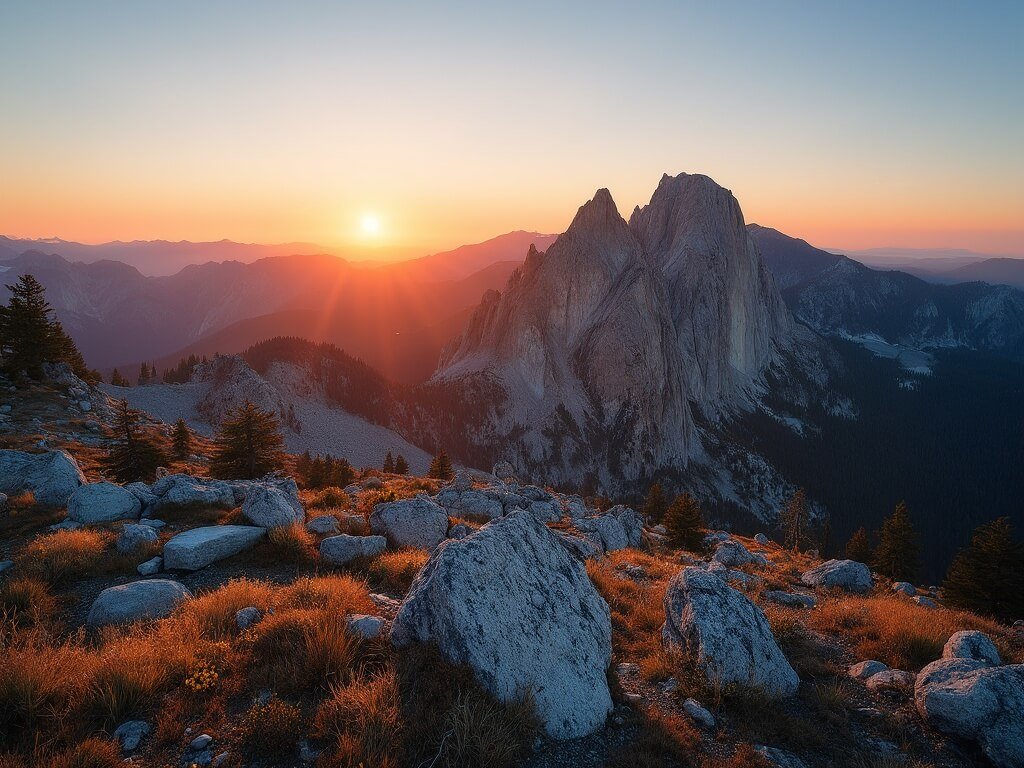
Ever tried catching sunset at Minaret Vista with nearly 14 hours of daylight behind you? It changes how you structure your entire day.
You’re not rushing. You’re not cramming activities into a tiny window. You’ve got time, and that changes the whole feel of a trip.
Key takeaway: August daylight gives you maximum flexibility for outdoor plans.
The Elevation Factor Nobody Talks About (But Everyone Feels)
Mammoth Lakes sits at 7,874 feet elevation. That’s nearly 1.5 miles above sea level.
This single fact explains almost everything about the town’s August climate:
- Why it’s cooler than the rest of California: While Los Angeles bakes at 90°F+, Mammoth sits comfortably in the mid-70s
- Why humidity is virtually non-existent: Moisture doesn’t hang around at this altitude
- Why the sun feels more intense: Less atmosphere filtering UV rays means you burn faster, even when temperatures feel mild
- Why nights plummet in temperature: High-elevation locations radiate heat rapidly after sunset
The elevation also affects your body. If you’re arriving from sea level, you might notice shortness of breath during strenuous hikes, mild headaches, or quicker fatigue. Hydration isn’t optional here — it’s essential.
According to data from the NASA MERRA-2 reanalysis project, which uses historical averages collected between 2010 and 2020, Mammoth Lakes consistently records some of the clearest sky conditions in the Sierra Nevada during August. Overcast or mostly cloudy conditions occur only about 13% of the time.
That means roughly 87% of August offers clear or mostly clear skies. For photographers, hikers, and anyone who simply wants reliable weather, those numbers are hard to beat.
Key takeaway: Elevation drives everything — cooler temps, dry air, intense sun, and spectacular clarity.
What to Pack for Mammoth Lakes in August (Without Overpacking)
Packing for Mammoth Lakes in August isn’t complicated once you understand the temperature variability. But get it wrong and you’ll either be uncomfortable or buying overpriced fleeces from gift shops.
Daytime Essentials
- Lightweight T-shirts and breathable tops
- Comfortable hiking trousers or shorts
- Sturdy walking shoes or hiking boots
- High-SPF sunscreen (UV intensity at nearly 8,000 feet is no joke)
- Sunglasses with UV protection
- A wide-brimmed hat
Evening Must-Haves
- A proper insulated jacket or fleece for temperatures dropping into the 40s
- Long trousers
- Warm socks (your feet will thank you)
- A lightweight beanie if you run cold
Weather-Specific Items
- A packable rain shell — just in case
- Lip balm with SPF (dry air plus elevation destroys lips)
- A reusable water bottle (hydration at altitude is critical)
Notice what’s missing? Umbrellas. Heavy raincoats. Winter boots.
You don’t need them. August in Mammoth is about smart layering, not heavy packing.
The golden rule: dress for summer at noon, dress for autumn at 9 PM. If you follow that, you’ll be comfortable around the clock.
Key takeaway: Layers are everything. Pack light but pack smart, and never skip sun protection at altitude.
Clear Skies and Comfortable Temps: Why August Might Be the Best Time to Be Outdoors in Mammoth Lakes
So we’ve covered the numbers. Mid-70s during the day. Low 40s to low 50s at night. Barely any rain. Nearly 14 hours of daylight. Clear skies almost 90% of the time.
What does all of that actually add up to?
It adds up to what might be the single best month for outdoor recreation in the entire Eastern Sierra.
With those conditions, the activity window is enormous. You can comfortably be outside from early morning until well past sunset without worrying about weather disruptions.
And that’s where things get really interesting — because what you can actually do in Mammoth Lakes during August deserves its own deep dive.
For more travel insights, check out our guide to free things to do in Mammoth Lakes or explore how Lake Tahoe in August compares.
The August Activities That Make Mammoth Lakes Worth Every Mile of the Drive
Let’s get specific.
Because knowing the weather is great, but knowing what to do with that weather is what separates a good trip from one you’ll talk about for years.
Hiking When the Mountains Actually Let You In
August is peak hiking season in the Eastern Sierra, and it’s not even close.
Most high-elevation trails that were buried under snowpack in June and still patchy in July are finally fully accessible by August.
We’re talking about trails above 10,000 feet that only have a reliable two-to-three-month window each year.
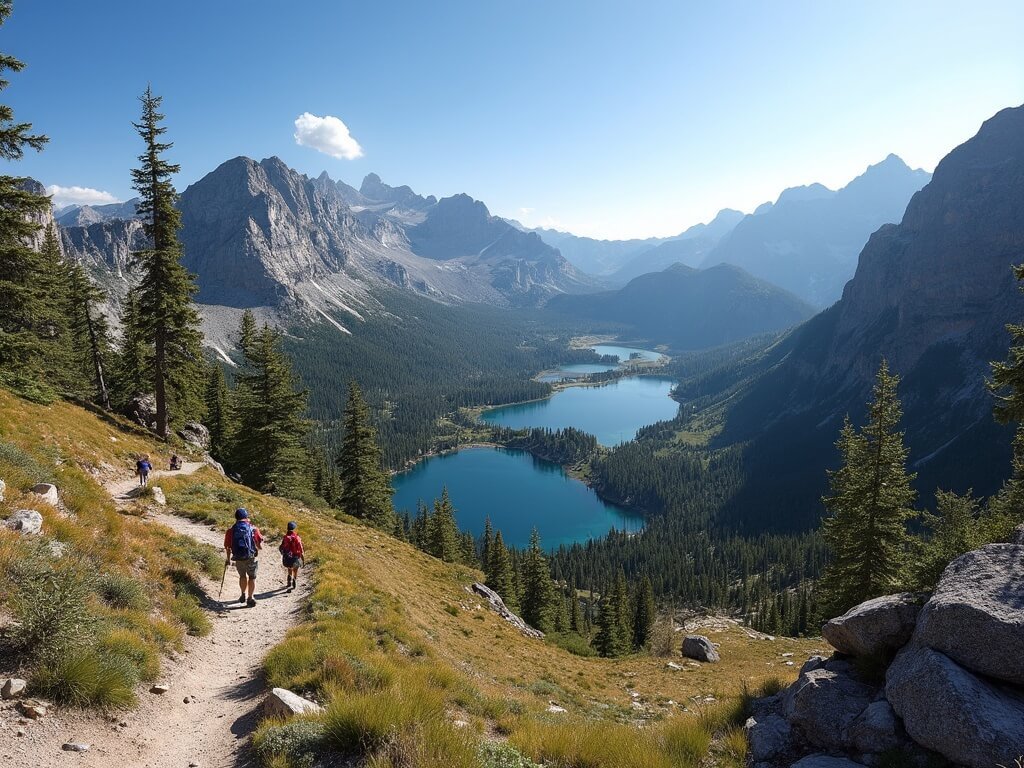
Some standouts:
- Duck Pass Trail — a moderate 10-mile round trip that takes you past multiple alpine lakes
- Crystal Lake via Lake George — shorter, steeper, and absolutely worth the quad burn
- Devils Postpile and Rainbow Falls — a geological spectacle you won’t find anywhere else in California
- The Mammoth Crest — for experienced hikers who want panoramic views that feel almost illegal
With daytime temps in the mid-70s, you’re hiking in near-perfect thermal comfort.
No heat exhaustion risk like lower-elevation desert trails.
No frozen fingers like spring attempts.
Start early, though.
Not because of weather, but because trailhead parking fills up fast in August.
By 8:30 AM on weekends, the popular lots are done.
I learned that lesson at Horseshoe Lake in August 2021.
Arrived at 9 AM feeling smug about being “early.”
Parked half a mile down the road.
Now I set an alarm for 5:45 AM and never complain about it.
Key takeaway: August opens up the highest trails. Get there early or get creative with your parking strategy.
Water-Based Recreation That Actually Feels Refreshing (Not Freezing)
Here’s something people don’t realise about Mammoth Lakes in summer.
The lakes are still cold.
Alpine lakes fed by snowmelt don’t warm up to bathtub temperature just because it’s August.
But they are swimmable.
Surface temperatures in the shallower lakes typically reach the low-to-mid 60s°F by August — bracing but manageable on a 78°F afternoon.
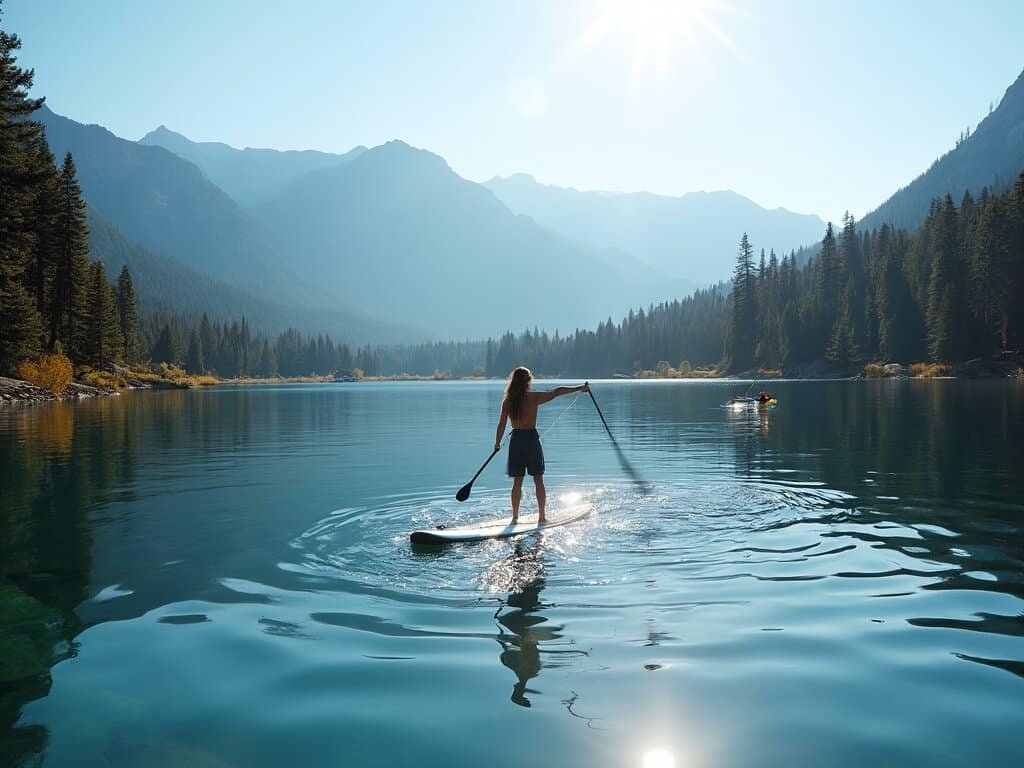
Popular water activities include:
- Kayaking and stand-up paddleboarding on Lake Mary, Lake Mamie, and Twin Lakes
- Fishing — August is prime season for rainbow and brown trout throughout the lakes basin
- Swimming at Horseshoe Lake (the warmest of the bunch, and free parking if you’re early enough)
- Canoeing on Lake Mary for something slower and more scenic
The combination of warm air, cold water, and virtually zero wind on most August mornings creates glassy lake conditions that paddleboarders dream about.
Rentals are available at multiple locations around the lakes basin, so you don’t need to haul gear.
Key takeaway: The lakes are accessible, the water is refreshing, and August conditions make it all work beautifully.
Evening Outdoor Events You’d Miss If You Left Too Early
Remember those 13.6 hours of daylight?
They create an evening window between roughly 6 PM and 8 PM that’s pure gold.
The air cools to the mid-60s.
The light goes soft and amber.
The crowds thin out.
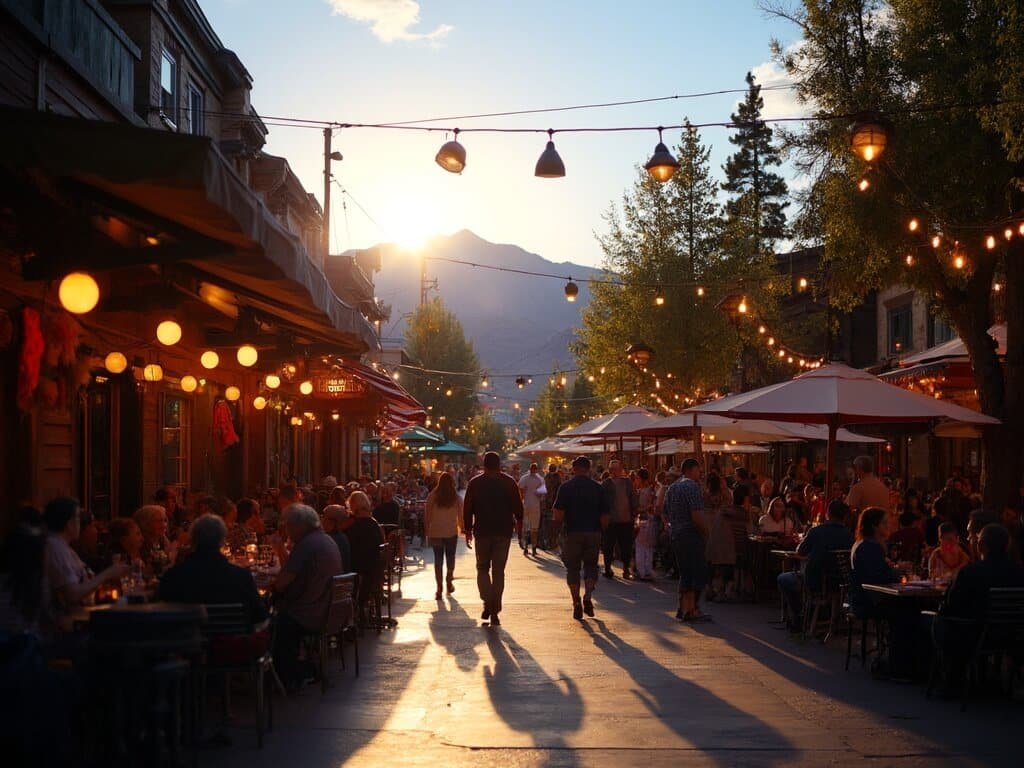
This is when Mammoth Lakes shifts from adventure mode to atmosphere mode.
August evenings are perfect for:
- Outdoor dining along Main Street and at The Village at Mammoth
- Live music events that pop up throughout peak summer season
- Sunset photography from Minaret Vista or the Mammoth Mountain gondola
- Stargazing later in the evening — that 87% clear-sky rate means exceptional visibility once full darkness hits
The town leans into its summer energy in August.
Farmers markets, art walks, community events — they all cluster in this window because the weather cooperates so consistently.
Just bring that jacket.
By 8:30 PM, you’ll want it.
Key takeaway: Don’t retreat indoors at sunset. August evenings in Mammoth are half the experience.
August vs. Every Other Month: The Honest Comparison
People always ask me: is August really the best month to visit Mammoth Lakes?
Here’s my honest breakdown.
- Daytime highs: August 76-79°F | July 78-82°F | June 70-76°F | December 35-40°F
- Nighttime lows: August 44-51°F | July 47-53°F | June 35-44°F | December 15-22°F
- Rain probability: August 8% | July 10% | June 5% | December Snow dominant
- Trail access: August Full | July Mostly full | June Partial (snow) | December Winter only
- Crowds: August High | July Highest | June Moderate | December High (ski)
- Daylight hours: August 13.6 | July 14.5 | June 14.8 | December 9.5
July is marginally warmer and has slightly more daylight.
But it also draws the biggest crowds and occasionally still has lingering snow on the highest passes.
June offers fewer visitors but unpredictable trail conditions — I’ve been turned back from Duck Pass in mid-June by waist-deep snow.
December is a completely different animal.
Skiing paradise, but a different trip entirely.
August hits the sweet spot.
Trails are fully open, weather is stable, temperatures are comfortable, and while crowds exist, they start thinning after the first week as families prepare for school.
Late August specifically — that last week and a half — might be the single most underrated travel window in the entire Sierra Nevada.
Slightly cooler days, noticeably fewer people, and autumn colours just starting to tease at the edges.
Key takeaway: August competes with July for the top spot and arguably wins on trail access and crowd balance, especially late in the month.
Yosemite Village in August | Big Sur in August | Monterey in August | Pismo Beach in August | Lake Tahoe in July
The Data Behind the Claims (Because Vibes Aren’t Evidence)
I’ve thrown around a lot of numbers in this piece.
Here’s where they come from, because you deserve to know.
The primary climate data referenced throughout draws from the NASA MERRA-2 modern-era retrospective analysis project.
This isn’t someone’s weather blog or a single station’s readings.
It’s a satellite-informed reanalysis dataset that combines observed weather station data with atmospheric modelling to produce consistent, gap-free climate records.
The historical averages cited cover the period from 2010 to 2020, providing a recent and relevant baseline rather than decades-old data that may not reflect current conditions.
Additionally, local weather station networks throughout the Eastern Sierra contribute ground-truth measurements that validate the satellite-derived data.
Why does this matter?
Because when I tell you August has an 8% rain probability and 87% clear skies, those aren’t rough guesses.
They’re derived from over a decade of systematic observation and analysis.
Travel planning based on solid data beats travel planning based on a Reddit comment from 2016.
Key takeaway: The climate data here is sourced from NASA-backed reanalysis and verified weather station networks, covering 2010-2020.
The One Thing That Ties It All Together
Step back for a moment and look at the full picture.
Daytime temperatures that let you hike comfortably without overheating.
Nighttime lows that make sleeping with the windows open feel like a luxury.
Rain that barely shows up.
Skies that stay clear almost nine days out of ten.
Nearly 14 hours of daylight to fill however you want.
An elevation that keeps humidity off your skin and puts you above the Central Valley haze.
That’s not just good weather.
That’s a near-perfect setup for the kind of trip where everything just works.
No scrambling for indoor backup plans.
No checking radar apps every hour.
No lost days to storms.
You show up, you layer appropriately, you hydrate, and you have one of the best outdoor weeks California can offer.
I’ve visited Mammoth Lakes in every season over the past five years.
Winter is magical if you ski.
Spring is unpredictable.
Autumn is stunning but fleeting.
But August?
August is the month where the mountains feel like they were designed for you to enjoy them.
The only real mistake you can make is showing up without understanding the temperature swing, the elevation effects, and the packing basics — all of which you now have locked down.
So the next time someone asks you when to visit the Eastern Sierra, you’ll know exactly what to tell them.
Mammoth Lakes in August is warm by day and cool at night, the best window for hiking and the lakes. Book lodging early since summer is the busy season here.