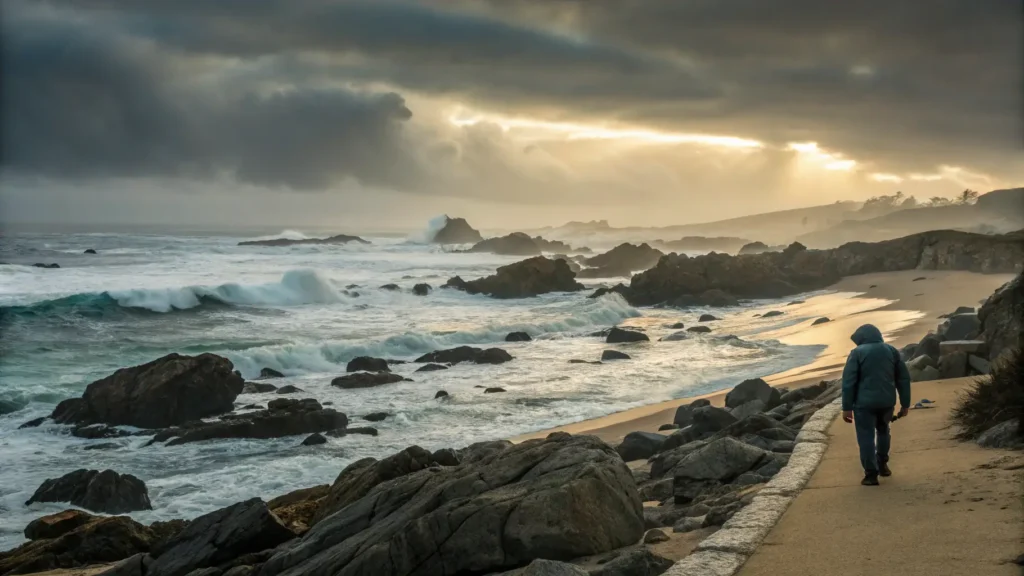
I have seen November in Mammoth Lakes bring the first snow to the peaks and quiet trails in the basin. The village slows before the ski crowds arrive, which makes it one of the calmer months to visit.
So what’s November in Mammoth Lakes actually like? Is it worth visiting? And what do you genuinely need to know before you go?
Let me break it all down.
The November Temperature Drop Nobody Warns You About
Here’s the thing about Mammoth Lakes temperatures in November — they shift dramatically as the month progresses.
At the start of November, you’re looking at daytime highs around 53°F (12°C). Not bad, right? Almost pleasant in the sunshine.
But by month’s end, those highs have tumbled to roughly 42°F (6°C). That’s an 11-degree drop in just 30 days.
The lows tell an even colder story. Overnight temperatures hover around 27°F (-3°C) throughout the month. That’s well below freezing.
Your average November day in Mammoth Lakes looks something like this:
- Daytime high: 48°F (9°C)
- Overnight low: 27°F (-3°C)
- Conditions: Cold, breezy, and increasingly overcast
That daily swing of over 20°F is what trips people up. You step outside at midday thinking it’s manageable, then the sun dips and suddenly your fingers are numb.
I learned this the hard way a few years back. I’d driven up from Los Angeles for a long weekend in mid-November, packed what I thought was sensible gear, and spent the first evening shivering outside a restaurant because I’d left my proper thermal layer in the car. The daytime had been genuinely comfortable — maybe 50°F with some sun breaking through. By 6pm it felt like a completely different place. That temperature plunge after sunset is no joke.
Key takeaway: Don’t plan for one temperature. Plan for two completely different climates in the same day.
Rain, Snow, or Both? November Precipitation in Mammoth Lakes Explained
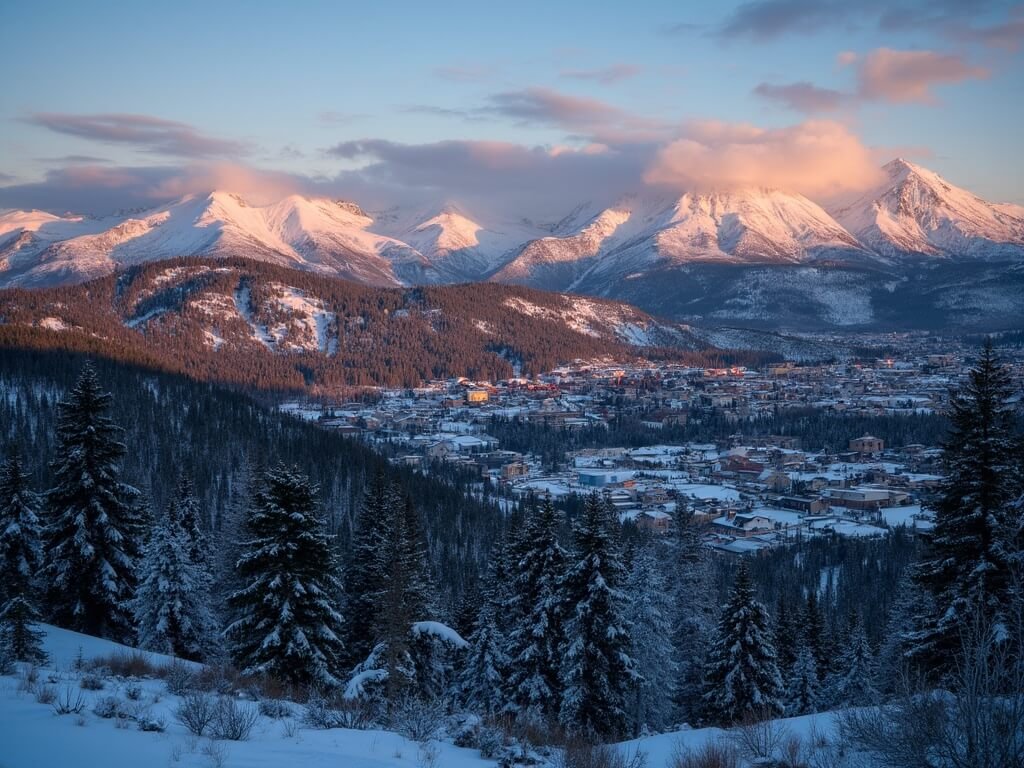
November is when Mammoth Lakes starts its transition from the drier autumn months into its famously snowy winter.
The precipitation numbers look modest on paper:
- Average precipitation: Around 2mm
- Wet days: Approximately 5 throughout the month
But those numbers are deceptive.
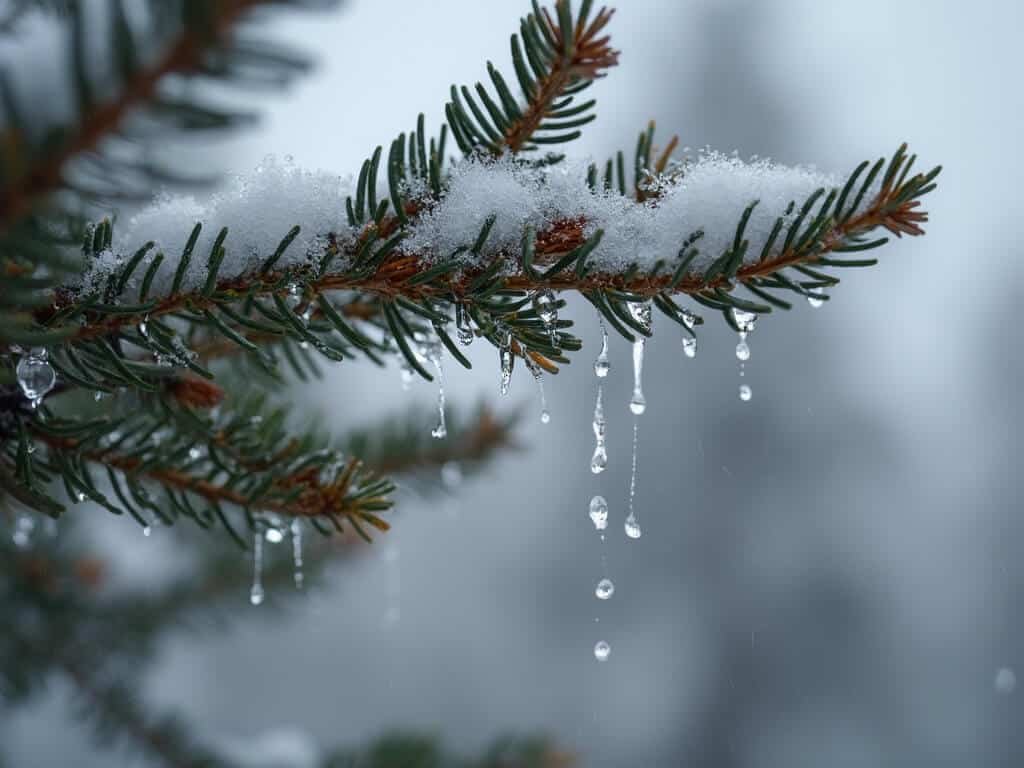
What makes November unique is the type of precipitation you get. Early in the month, you might see light rain showers. By the second half, that rain increasingly turns to snow as temperatures drop.
This is the month where the Sierra Nevada mountains begin their seasonal shift from dry to snowy. It’s not the heavy dumps you’ll see in December and January, but it’s the opening act.
Some years, November barely produces a flake. Other years, an early storm system rolls through and blankets the town. Mountain weather at nearly 8,000 feet of elevation is inherently unpredictable.
The real takeaway? Expect variability. Check the forecast before you leave, but also pack as if the forecast might be wrong — because at this altitude, it often is.
Why Mammoth Lakes Feels Colder Than the Thermometer Says
Numbers on a weather app don’t tell the full story here. And that’s because of two factors most visitors overlook.
The Altitude Factor
Mammoth Lakes sits at 7,874 feet (2,399 metres) above sea level. That’s higher than many European ski resorts and nearly a mile and a half above the ocean.
At this elevation, several things happen:
- Wind chill bites harder. November brings predominantly breezy conditions, and wind at altitude feels significantly colder than the same temperature at sea level.
- The air is thinner. Less atmospheric insulation means heat escapes faster — from the ground and from your body.
- Solar radiation is stronger. This sounds counterintuitive, but the thinner atmosphere filters less UV. You can get sunburnt while feeling cold. Wild, I know.
The Cloud Cover Problem
November skies in Mammoth Lakes trend towards overcast or mostly cloudy. When the clouds roll in, you lose that solar warmth that makes crisp mountain air feel pleasant. Grey skies plus breeze plus altitude equals a wind chill that cuts right through inadequate clothing.
And then there’s the daylight situation. November is when daylight saving time ends, which means sunset arrives noticeably earlier. You’re losing usable daylight at both ends of the day. Less sun means less natural warmth and fewer hours to enjoy outdoor activities.
Key takeaway: The “feels like” temperature in Mammoth Lakes is almost always lower than the actual reading. Plan accordingly.
November Is the Season Between Seasons (And That’s Actually Brilliant)
Most people think of Mammoth Lakes as either a summer hiking destination or a winter ski resort. November fits neatly into neither category — and that’s precisely what makes it interesting.
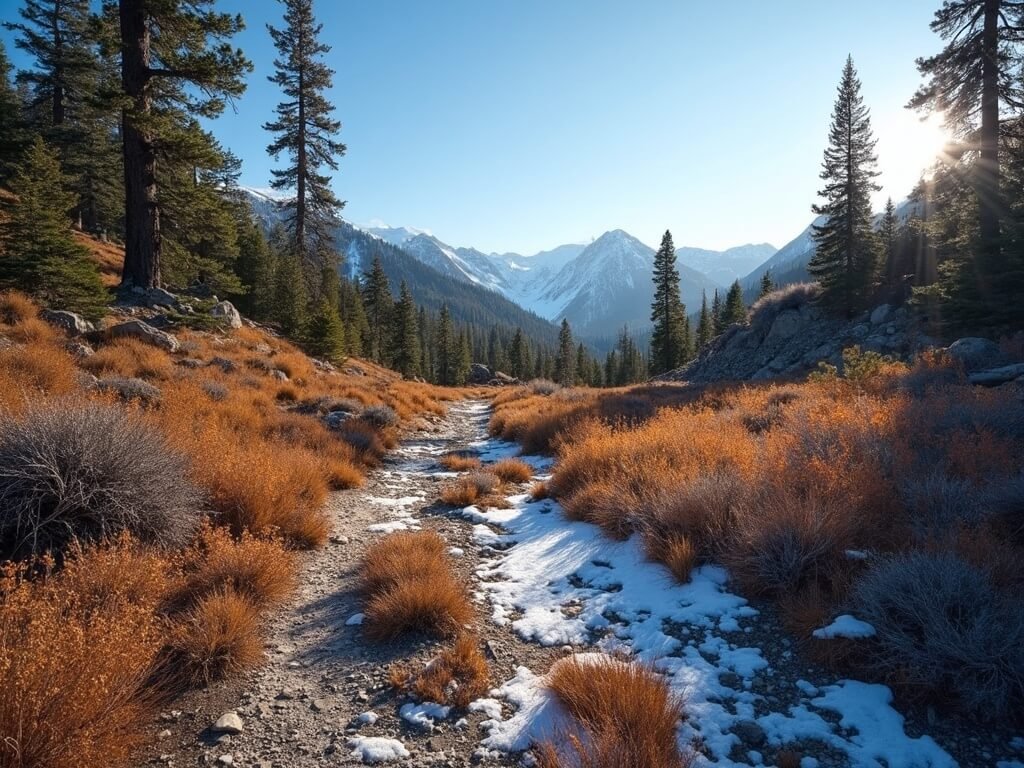
This is a genuine transitional month. The growing season has ended. The landscape is shifting from autumn’s last colours into early winter’s first frost. Weather can swing from a surprisingly warm afternoon to a properly cold evening within hours.
But here’s what most travel guides won’t tell you: this shoulder season has real advantages.
- Fewer crowds. Peak summer and peak ski season draw the masses. November? Comparatively quiet.
- Better pricing. Accommodation rates during the late-autumn shoulder season are typically lower than peak periods.
- Unique scenery. The mix of lingering autumn tones and early snow creates landscapes you simply won’t see in July or February.
Compared to the months either side:
| Month | Average High | Conditions |
|---|---|---|
| October | 55-60°F | Mild autumn |
| November | 42-53°F | Cold, transitional |
| December | Below 40°F | Full winter |
November sits in that sweet spot — cold enough to feel properly mountainous, but not yet buried in the deep winter snow that makes some areas inaccessible.
The temperature decline from September and October’s comfortable 60-70°F range is noticeable, though. You’re not strolling around in a t-shirt anymore.
Key takeaway: November offers a quieter, more affordable Mammoth Lakes experience — if you come prepared for the cold.
What to Pack for Mammoth Lakes in November (Without Overpacking)
Right, let’s get practical. I’ve seen people turn up with either far too little or an absurd amount of gear. Neither is ideal.
The secret is layering. With temperature swings of 20°F+ in a single day, you need flexibility, not bulk.
Your Essential November Packing List:
Base layers:
- Thermal top and bottoms (merino wool is brilliant)
- Moisture-wicking fabrics next to skin
Mid layers:
- Fleece or insulated jacket
- Something you can easily remove when the midday sun warms things up
Outer layer:
- Light windbreaker at minimum
- Waterproof shell if snow is forecast
Accessories (don’t skip these):
- Sunscreen — SPF 30 minimum. At nearly 8,000 feet, UV radiation is roughly 25% stronger than at sea level. Your skin doesn’t care that it’s cold outside.
- Sunglasses — Glare off early snow is intense
- Hat — Warmth and sun protection in one
- Comfortable walking shoes — Waterproof options are wise given potential snow or wet ground
- Compact umbrella — For those rain-to-snow transition days
The sunscreen point deserves extra emphasis. High altitude sun exposure is a genuine safety consideration that most November visitors completely ignore. You can absolutely get a sunburn on a 45°F day in Mammoth Lakes. The thinner atmosphere at this elevation lets more ultraviolet radiation through, and if there’s fresh snow on the ground, the reflection amplifies it further.
Key takeaway: Layer up, protect your skin, and pack for both 50°F sunshine and 27°F frost. Because you’ll likely experience both.
Shorter Days, Bigger Decisions: How Daylight Shapes Your November Trip
One thing that genuinely affects your Mammoth Lakes November experience is how quickly daylight disappears.
When daylight saving time ends in early November, sunset lurches earlier. By mid-November, you’re losing light well before 5pm. That fundamentally changes how you plan your days.
Morning activities need an earlier start. Afternoon hikes need to wrap up sooner than you’d expect. And any outdoor photography you’re hoping for benefits from understanding the shifting light angles — the lower November sun creates dramatic shadows and golden tones, but the window for that magic light shrinks with each passing week.
The breezy, overcast conditions that dominate November also mean that clear-sky days become genuinely precious. When one arrives, drop everything and get outside.
With all this in mind about weather, packing, and timing, there’s still the question of what you can actually do in Mammoth Lakes during this transitional month — and how to make the most of those shorter, colder days.
For more seasonal contrast, check out Mammoth Lakes in August to see how summer differs from this cold shoulder season.
And if you’re looking to save some money on your trip, here’s a helpful guide to free things to do in Mammoth Lakes any time of year.
The Activities Nobody Talks About (And the Ones That Actually Work in November)
Let’s be honest.
November in Mammoth Lakes isn’t going to give you the same experience as a July hiking trip or a February powder day.
But that doesn’t mean there’s nothing to do.
It means you need to think differently.
Outdoor Activities That Work
Hiking — with caveats.
Lower elevation trails are still accessible in early November, though conditions change weekly.
The key is starting early.
With sunset creeping towards 4:45pm by late November, a midday trailhead arrival leaves you rushed and potentially navigating back in fading light.
Aim to be on the trail by 9am, and you’ll have a comfortable window.
Some trails may already have ice or early snow patches.
Waterproof boots with decent grip aren’t optional — they’re essential.
And always tell someone your planned route.
Mountain conditions at this time of year shift fast, and mobile signal in the backcountry is unreliable at best.
Early season snow activities.
Some years, Mammoth Mountain opens for skiing in November.
It depends entirely on snowfall, and opening dates vary wildly year to year.
When it does open early, you get something rare — fresh runs with minimal crowds.
Worth checking the resort’s snow reports in the weeks before your trip. (See Best Time to Visit Mammoth Lakes for timing context.)
Photography and sightseeing.
This is where November genuinely shines.
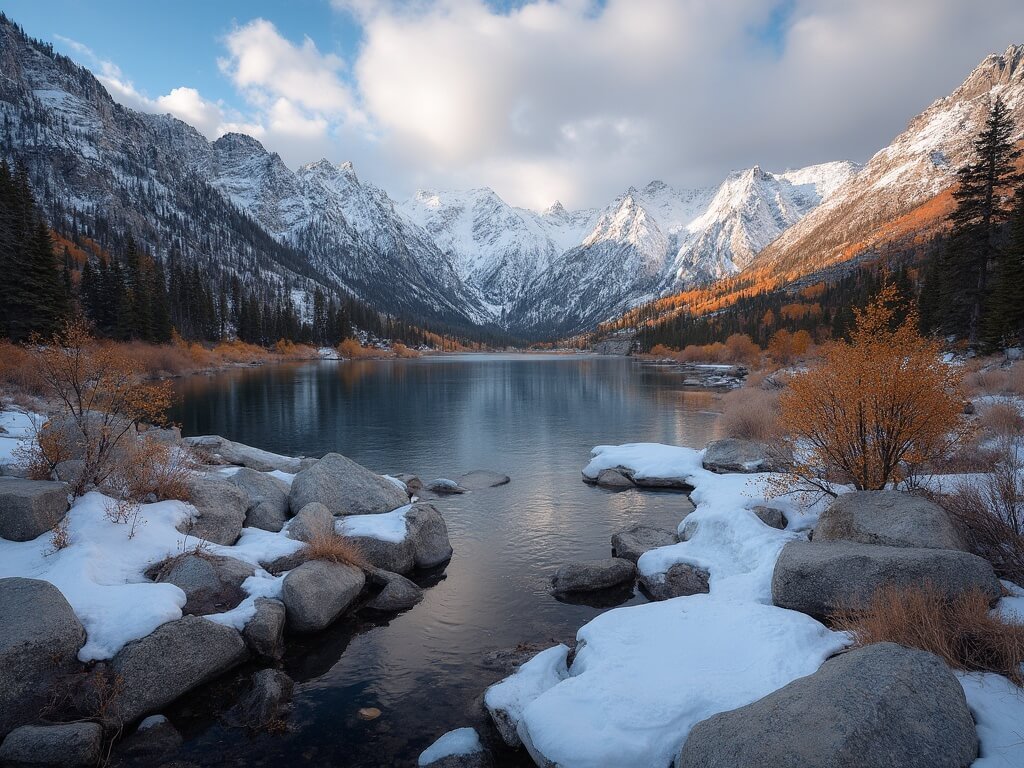
The combination of early snow dusting the peaks, lingering autumn colour at lower elevations, and that low-angle November sunlight creates scenes you won’t find in any other month.
The dramatic shadows and golden light I mentioned earlier?
Photographers travel specifically for this.
Convict Lake and the views along the June Lake Loop are particularly stunning during this transitional period.
Indoor and Town Activities
When the weather turns properly cold or a storm rolls through, Mammoth Lakes town itself has enough to keep you occupied.
-
Local breweries and restaurants operate year-round — great for warming up after a short stroll or a chilly afternoon (see related ideas at Free Things to Do in Mammoth Lakes).
-
The Village at Mammoth has shopping and dining
-
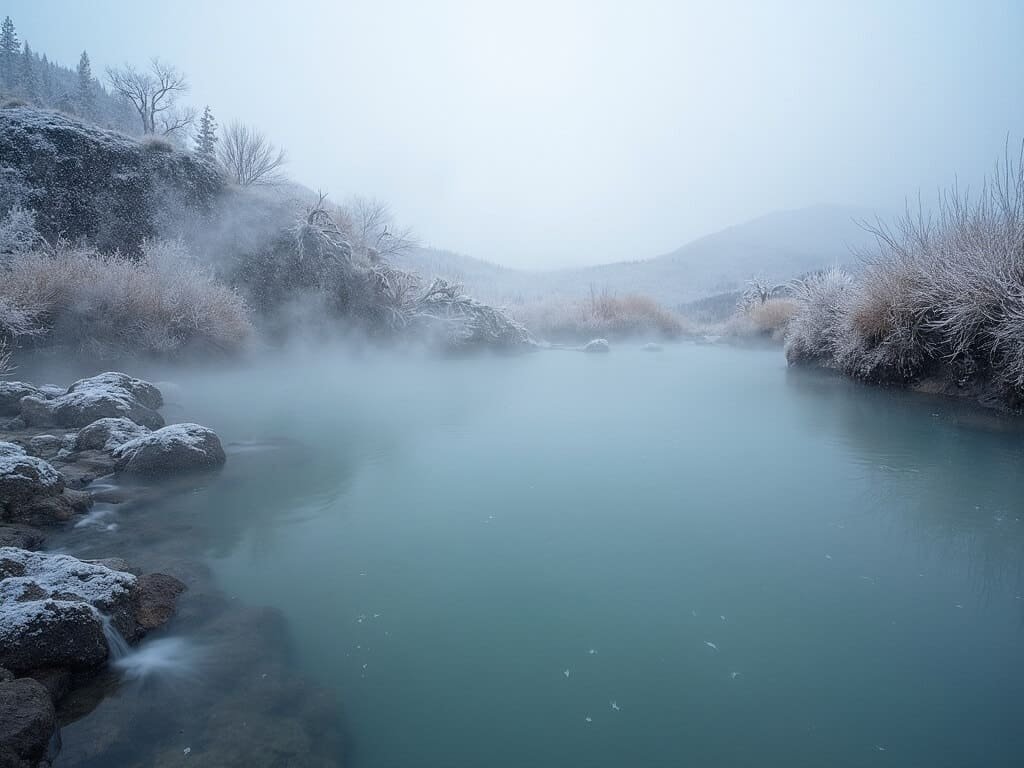
Hot springs in the area offer a brilliant contrast to the cold air (there’s nothing quite like sitting in naturally heated water while snow falls around you)
I spent one particularly grey November afternoon at a hot spring just outside town.
The air temperature was probably 35°F, light snow was drifting down, and the water was somewhere around 100°F.
It was one of those experiences that sounds almost too picturesque to be real, but it’s completely accessible and free at several natural springs in the area.
That single afternoon justified the entire trip.
Key takeaway: November activities require flexibility and earlier starts, but the experiences you get — quieter trails, potential early skiing, stunning photography — are genuinely worth the trade-offs.
The Safety Stuff That Isn’t Glamorous But Might Save Your Trip
I’m not going to lecture you.
But a few November-specific safety points are worth knowing because they’re the things that turn a great trip into a miserable one.
Altitude Awareness
At 7,874 feet, your body is working harder than normal.
If you’re coming from sea level — Los Angeles, San Francisco, the coast — you’ll likely notice it.
Symptoms of mild altitude discomfort include:
- Headache
- Fatigue that seems disproportionate to your activity level
- Slight breathlessness during exertion
None of this is dangerous for most people, but it does mean:
- Hydrate more than you think you need to. The dry mountain air plus altitude pulls moisture from you faster.
- Don’t overdo it on day one. Give your body 24 hours to adjust before attempting anything strenuous.
- Alcohol hits differently at altitude. That second glass of wine at dinner will feel like a third or fourth.
Road Conditions
November is when mountain roads start getting tricky.
Highway 395 is the main artery into Mammoth Lakes, and while it’s well-maintained, early season storms can create icy patches — especially on the 203 heading into town from the highway.
Carry chains even if the forecast looks clear.
California chain control laws can activate without much warning during November storms, and if you don’t have them, you’re not getting through.
The Sun Protection Thing (Yes, Again)
I mentioned it in the packing section, but it bears repeating because it’s the single most underestimated risk in November.
The combination of high altitude UV exposure, reflective snow, and the false sense of security that cold weather creates means people get burnt.
Apply sunscreen to your face, ears, and neck every morning.
Reapply if you’re spending extended time outdoors.
Key takeaway: Altitude, road conditions, and UV exposure are the three things most likely to disrupt your November trip. None are difficult to manage — if you know about them in advance.
How November Stacks Up Against Every Other Month (The Honest Comparison)
Should you visit Mammoth Lakes in November instead of another month?
That depends entirely on what you want.
Here’s the straightforward comparison:
| Factor | Summer (Jun-Aug) | Early Fall (Sep-Oct) | November | Winter (Dec-Mar) |
|---|---|---|---|---|
| Crowds | Heavy | Moderate | Light | Heavy (weekends) |
| Pricing | Peak | Moderate | Lower | Peak |
| Temperature | 65-80°F | 55-70°F | 42-53°F | 25-38°F |
| Precipitation | Minimal | Low | Low-Moderate | High (snow) |
| Trail Access | Full | Full | Partial | Limited |
| Ski Availability | None | None | Possible | Full |
November’s unique position becomes clear in that table.
It’s warmer than full winter but cold enough to feel properly alpine.
It’s drier than December through March but wetter than the summer drought.
And crucially, it’s quieter and cheaper than both peak summer and peak ski season.
The trade-off is uncertainty.
You might get a glorious week of cold, clear skies with early snow on the peaks.
You might get a storm that keeps you indoors for two days.
November demands flexibility in a way that July simply doesn’t.
Key takeaway: November is objectively the best value month to visit Mammoth Lakes — but only if you’re comfortable with unpredictable conditions and shorter days. (For contrasts with high-summer conditions, see Mammoth Lakes in August and for comparisons to other shoulder-season California destinations see Lake Tahoe in November.)
The Environmental Picture: What’s Actually Happening to the Landscape
Understanding what’s occurring in the natural environment during November adds context to your visit — and frankly makes it more interesting.
The Ground Is Shutting Down
November falls completely outside the growing season in Mammoth Lakes.
Plant life has gone dormant.
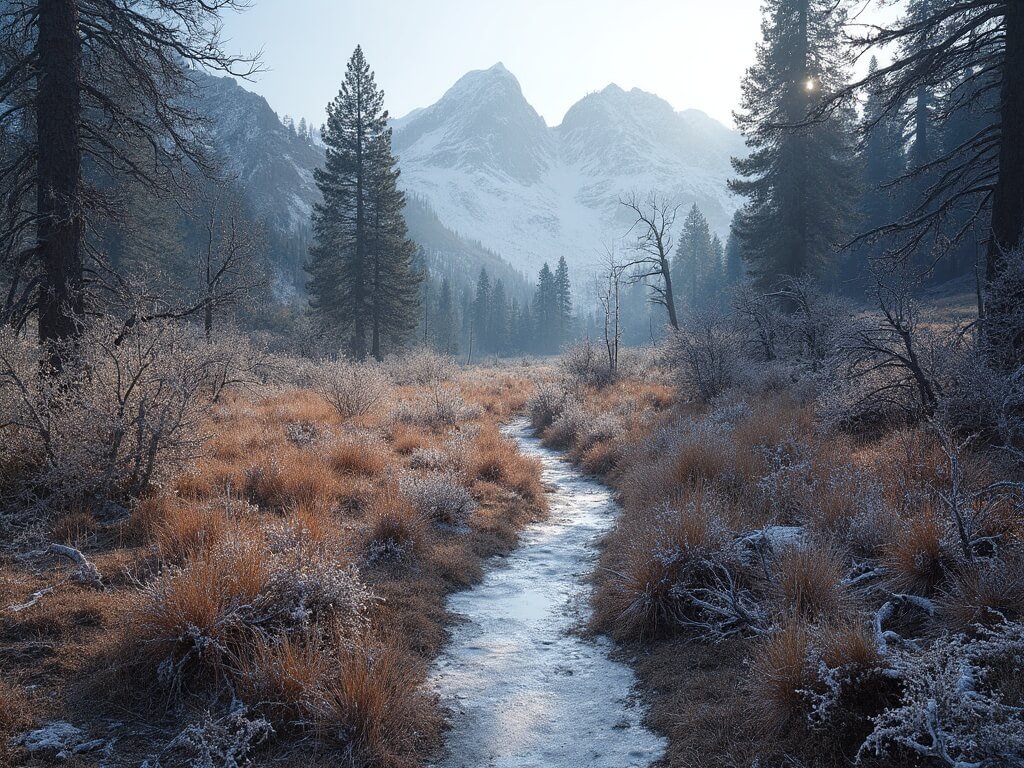
The meadows that were wildflower carpets in July are now brown and frost-covered.
Deciduous trees have dropped their leaves.
But this bareness has its own beauty.
You see the bones of the landscape — the granite formations, the creek beds, the structural shapes of the mountains — in ways that summer vegetation conceals.
Snow Is Beginning Its Work
The first snowfalls of November start what will become Mammoth’s legendary snowpack.
The Sierra Nevada relies on this accumulated winter snow as a critical water source for California.
What begins as a light dusting in November builds into feet of snow by February and March.
When you see those first flakes falling in November, you’re watching the opening chapter of a process that ultimately feeds rivers, reservoirs, and millions of people downstream.
Wildlife Shifts
Many animals in the Mammoth Lakes area are either migrating, hibernating, or significantly reducing their activity by November.
You’re less likely to spot the deer, marmots, and bears that are common summer sightings.
But birds of prey become more visible against bare trees and open skies, and the quiet of the shoulder season means any wildlife you do encounter feels more intimate.
Key takeaway: November’s landscape is stark and beautiful in a way that’s completely different from the postcard-perfect summer. It rewards attention.
Your November Trip Planning Checklist (The Practical Bit)
Everything above distils into a few concrete planning steps.
Before you book:
-
Check Mammoth Mountain’s early season opening status if skiing matters to you
-
Look at long-range weather forecasts, but hold them loosely — mountain weather at this altitude changes
-
Book accommodation early enough to get shoulder season rates, but check cancellation policies given weather uncertainty
For more thinking about seasonal timing and why autumn can be special in the region, consider reading Why Fall is the Best Time to Visit Mammoth Lakes.
Before you drive up:
-
Pack layered clothing (thermals, fleece, windproof shell)
-
Throw tyre chains in the boot — even if the sky is blue when you leave home
-
Load up on sunscreen, sunglasses, and a warm hat
While you’re there:
-
Start outdoor activities early to maximise daylight
-
Stay flexible — if a clear day arrives, prioritise outdoor time over indoor plans
-
Hydrate aggressively, especially in the first 24 hours
-
Check road conditions daily if you’re planning drives to surrounding areas
What to expect:
-
Daytime temperatures between 42-53°F depending on the week
-
Overnight lows around 27°F — proper frost
-
Breezy, often overcast conditions
-
Possible rain early in the month, possible snow later
-
Fewer people, lower prices, and a landscape in transition
The Month Most People Skip Is the Month Worth Trying
Mammoth Lakes in November isn’t for everyone.
It’s cold, it’s unpredictable, and it lacks the obvious draw of either peak summer or full ski season.
But that’s exactly the point.
The people who visit during this transitional window get something the peak-season crowds never will — a quieter, more atmospheric version of one of California’s most beautiful mountain towns.
Early snow on granite peaks.
Hot springs in the cold.
Sunsets that arrive early but burn with that low, amber intensity that only November delivers.
You just have to come prepared.
Layer up, protect your skin, stay flexible with your plans, and embrace the fact that you’re visiting a place caught between two seasons.
That in-between space is where the best experiences hide.
And now you know exactly what to expect from Mammoth Lakes in November.
Related and Further Reading
- Mammoth Lakes in August
- Free Things to Do in Mammoth Lakes
- Lake Tahoe in November
- Yosemite Village in November
- Monterey in November
Mammoth Lakes in November is the shoulder before ski season, with cold days and early snow. Dress in layers, and check road conditions since the pass can see ice.