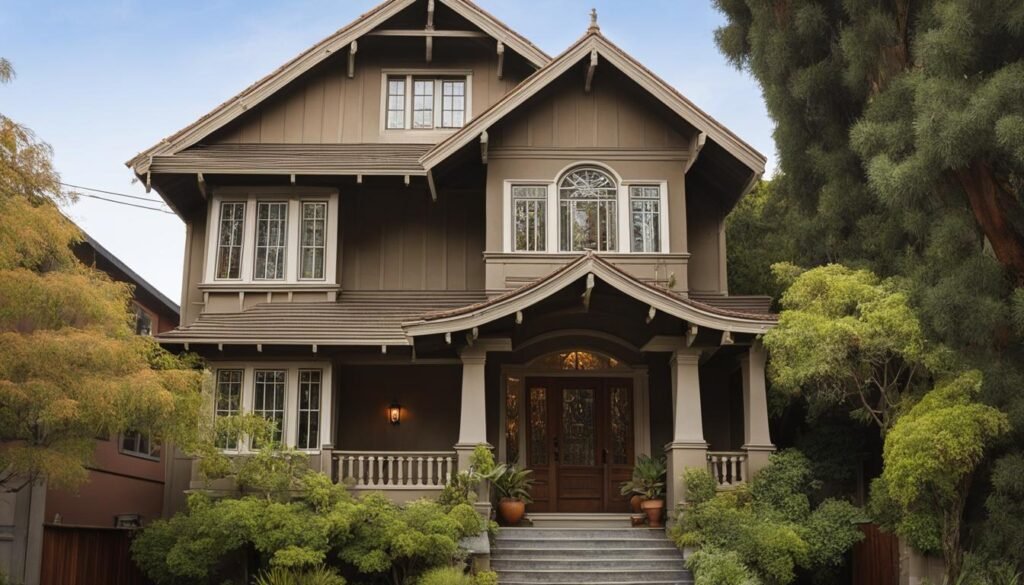
Ventura sits on a stretch of coastline between Los Angeles and Santa Barbara, and its housing market reflects that location. Homes within walking distance of the beach in Pierpont and the downtown core carry a premium, while the inland neighborhoods and the wider Ventura County sprawl offer more house for the money. If you are searching for homes for sale in Ventura, the first thing to understand is that “Ventura” covers very different price tiers depending on which side of Highway 101 you are on, plus a few location-specific rules that do not apply inland.
What the Ventura market actually looks like
Ventura is smaller and quieter than its neighbor to the south, and that is the appeal for many buyers. Inventory here is limited compared with the Inland Empire or the Central Valley, so homes, especially anything updated or close to the water, tend to move quickly when priced right. Two California-specific realities shape every Ventura purchase and are worth factoring in before you make an offer:
- Insurance: Wildfire, earthquake, and flood coverage can be difficult or expensive to secure in parts of Ventura County. Get an insurance quote during your due diligence, not after escrow, because a property you cannot insure is a property you cannot finance.
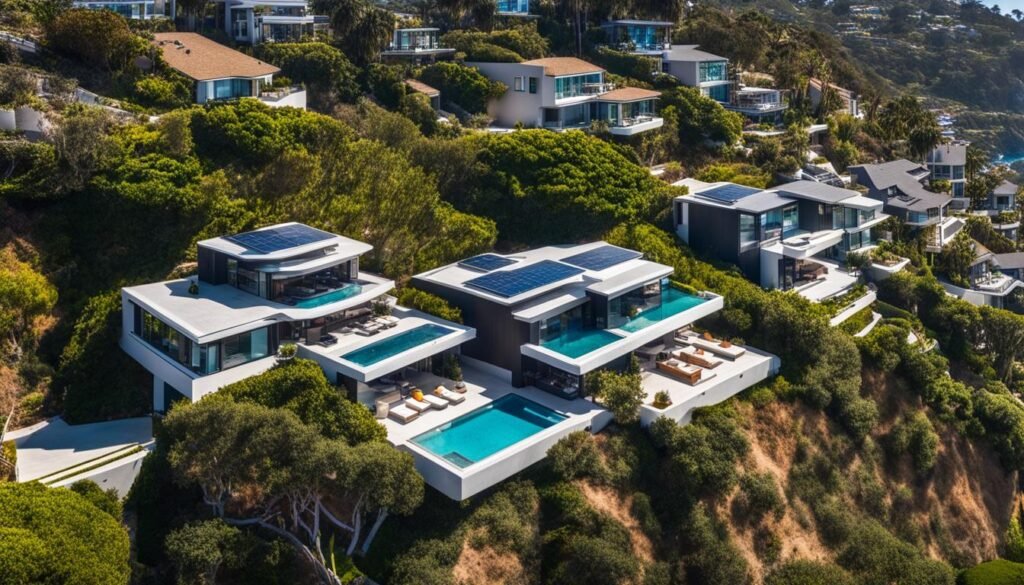
- Coastal and hillside rules: Some beachfront and hillside properties fall under California Coastal Commission or local overlay zones, which can restrict additions, fencing, and even exterior changes. If you plan to remodel, check the permitting path before you commit.
Neighborhoods worth knowing
Ventura’s neighborhoods differ enough that the right one depends on whether you want walkability, lot size, or school proximity.
- Downtown Ventura: Walkable to shops, the historic mission, and the train station, with a mix of older cottages, condos, and some new infill. Best for buyers who want to leave the car parked.
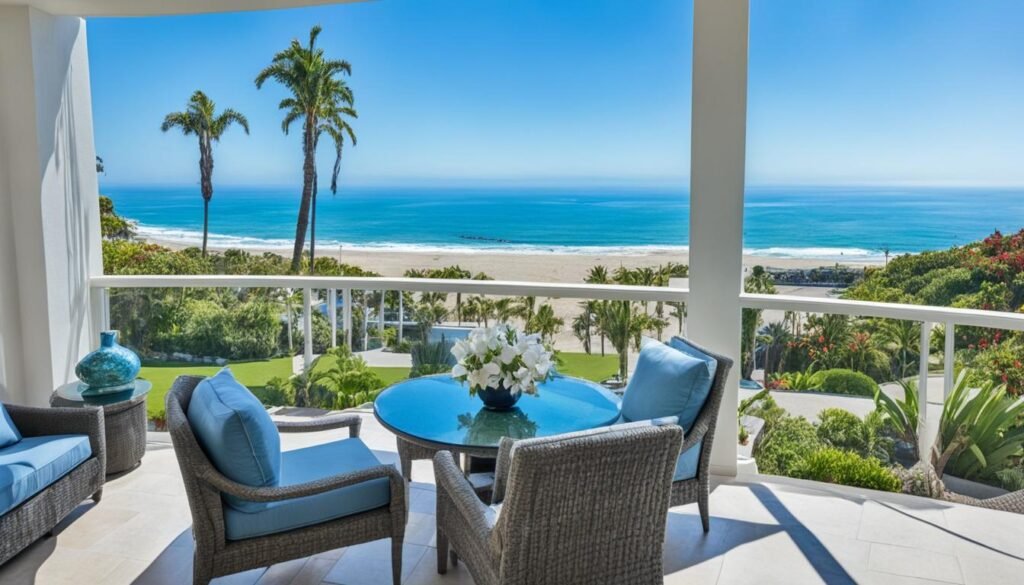
- Pierpont: The beach-adjacent neighborhood east of the pier, with cottages and larger homes a short walk from the sand. Expect to pay for location; many homes are older and have been remodeled.
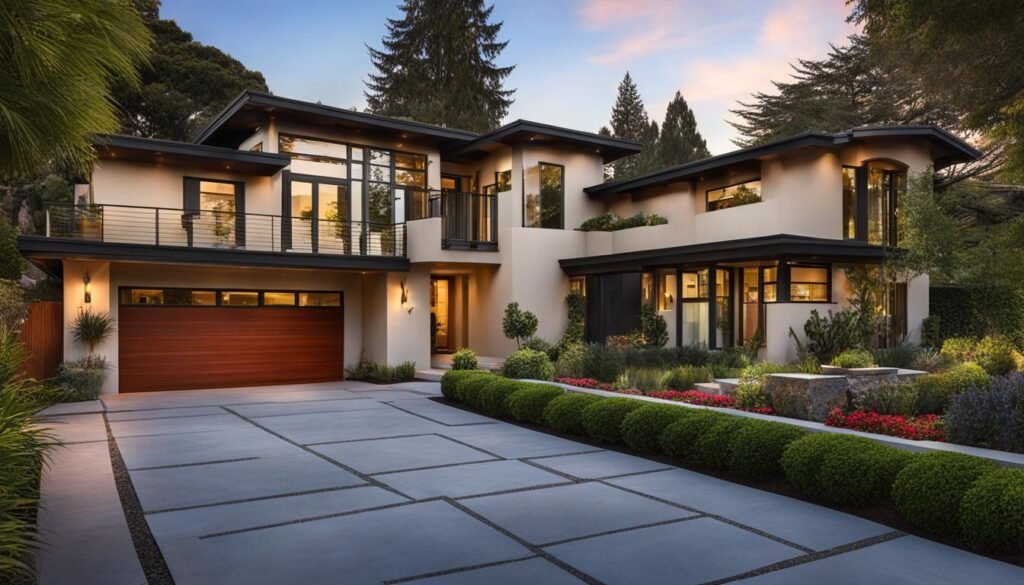
- Montalvo: An established, family-oriented area with larger lots and a quiet feel, close to Montalvo Arts Center. Popular with buyers who want space without leaving the city.
- Midtown and West Ventura: The grid east and north of downtown, with postwar homes, good school access, and more moderate prices than the coast.
- Outlying areas (Santa Paula, Fillmore, Camarillo): If Ventura proper stretches the budget, these neighboring communities offer more house and a different commute trade-off.
Practical steps when buying in Ventura
- Get pre-approved, not just pre-qualified. A lender letter tied to a real credit check carries weight in a tight market.
- Work with an agent who knows the specific neighborhood. Gate access, HOA rules in planned communities, and coastal-zone limits vary block to block; a generalist will miss them.
- Run the true monthly cost. Add property tax (about 1% of purchase price, plus any bonded indebtedness), HOA dues if applicable, insurance, and commute fuel or train costs to Los Angeles.
- Plan the commute. Ventura is roughly 60 to 90 minutes from much of Los Angeles by car, and the 101 backs up at peak. Some buyers commute by Metrolink or Amtrak instead; check the schedule against your work hours.
- Inspect before you waive. Older coastal homes can hide moisture, foundation, or septic issues. A thorough inspection protects you more than a low list price helps.
Final Thoughts
Ventura rewards buyers who decide what they actually want, walkable beach life or a larger inland lot, before they start touring. Confirm insurance and the commute early, because those two factors eliminate more homes than price does. If you are ready to look, get pre-approved and talk to a local agent who can show you the difference between a Pierpont cottage and a Montalvo family home in person.