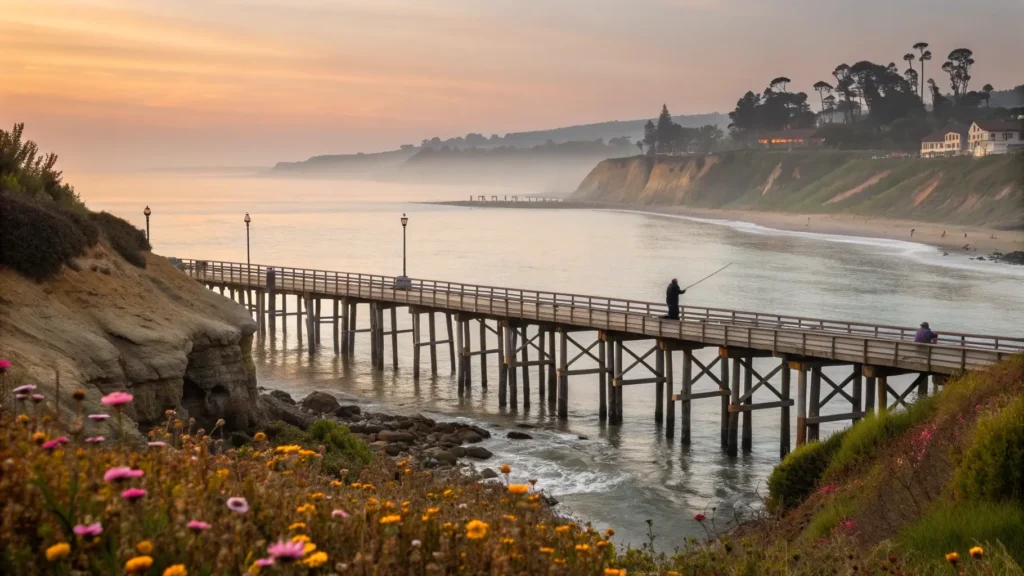
Pismo Beach in March offers something most California coastal towns can’t deliver during spring: genuine peace without sacrificing perfect weather.
I’m talking about the sweet spot where winter tourists have packed up and summer crowds haven’t arrived yet.
You get the beach practically to yourself.
But here’s what most travel guides won’t tell you about visiting this Central Coast gem in March.
The Weather Truth: It’s Not What You’d Expect
Most people assume March weather in coastal California means cold, dreary days.
Wrong.
Pismo Beach sits in this microclimate pocket where temperatures hover between 46°F and 66°F, with average highs hitting a comfortable 63°F and lows around 48°F.
That’s jumper weather, not parka weather.
The Pacific Ocean moderates everything, keeping conditions mild when inland areas still feel properly wintery.
Here’s the breakdown:
- Daily high: 63°F (17°C)
- Daily low: 48°F (9°C)
- Rain probability: Just 17% on any given day
- When it does rain: Light showers averaging 0.48 inches
- Daylight hours: 11.9 hours (sunrise at 6:47 AM, sunset at 6:42 PM)
The breezy conditions everyone mentions?
They’re real, but they’re not the aggressive winds that slam you in winter.
Think gentle ocean breeze that makes walking the pier actually pleasant rather than a battle against nature.
I spent a week here last March and only needed a light windcheater over a long-sleeve shirt for most days.
One afternoon I got caught in a brief shower near the pier, but it lasted maybe 20 minutes before the sun broke through again.
Pack layers, not heavy coats.
The key takeaway: March weather in Pismo Beach is forgiving, especially compared to what you’d face further north in San Francisco or south in Los Angeles.
Why Monarch Butterflies Make March Magic (Before They Disappear)
Here’s something that genuinely surprised me about visiting Pismo Beach in March.
The monarch butterflies.
Most people associate monarch migration with autumn, when thousands of these orange-and-black beauties cluster in eucalyptus groves along the California coast.
But March catches the tail end of their stay before they begin their journey north.
The Monarch Butterfly Grove at 400 S Dolliver Street becomes this quiet sanctuary where you can witness one of nature’s most impressive phenomena before the season ends.

Early March offers your best chance.
By late March, many have already begun their migration, but you might still spot stragglers preparing for their journey.
What makes this experience special isn’t just seeing the butterflies.
It’s the educational aspect most visitors overlook.
Rangers and volunteers explain the complete lifecycle, from egg to caterpillar to chrysalis to butterfly, and the multi-generational migration pattern that brings them back to the same trees year after year.
The grove offers:
- Free admission (though donations support conservation)
- Peaceful walking paths
- Information boards explaining migration patterns
- Early morning visits for best viewing (butterflies are less active)
The serene environment itself—towering eucalyptus trees creating a canopy overhead, the sound of waves in the distance—creates this meditative atmosphere that shopping district tourism can’t replicate.
I watched a father explain to his young daughter how the butterfly she was looking at might be the great-great-grandchild of one he’d seen in the same spot years ago.
That’s the kind of moment that makes March special.
Quick reality check: If you’re visiting late March, call ahead to confirm butterflies are still present, as migration timing shifts based on weather patterns.
The Pier Experience: Why 6:30 PM Changes Everything
Pismo Beach Pier isn’t unique because it’s a pier.
California has dozens of them.
What makes it remarkable in March is the combination of factors that align during this specific month.
First, the sunset.
At approximately 6:42 PM, the sun drops into the Pacific, painting the sky in those Instagram-worthy orange and pink hues everyone chases but rarely finds.
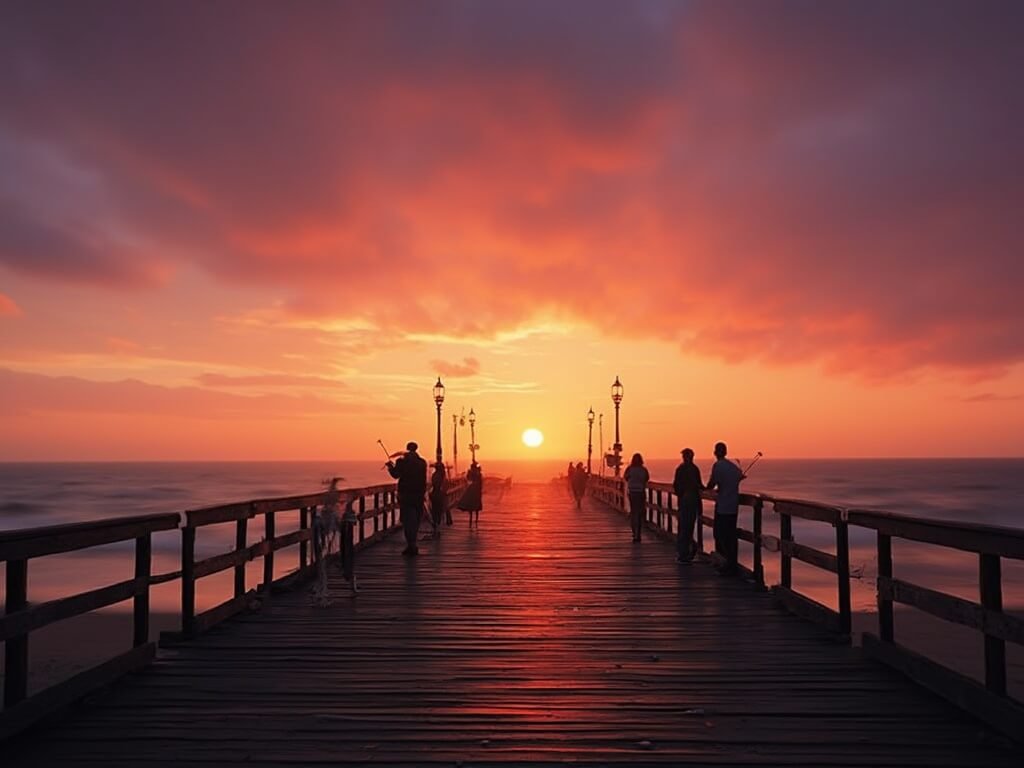
March offers crystal-clear skies more often than the foggy summer months, meaning your sunset photography actually works.
Second, the fishing.
March marks the beginning of several fishing seasons, and locals crowd the pier with rods before tourist season explodes.
You don’t need a fishing licence to fish from public piers in California, which means you can join in or simply watch the daily catch come up.
I’m not a fisherman, but watching a grandfather teach his grandson how to bait a hook whilst the sun set behind them felt like stepping into a Californian postcard.
Third, the crowds—or lack thereof.
Summer sees the pier packed shoulder-to-shoulder with tourists snapping selfies and blocking every vantage point.
March?
You can actually lean against the railing, breathe, and experience the space as it was meant to be experienced.
Pro moves for the pier:
- Arrive around 6:00 PM for optimal sunset positioning
- Bring a jumper (it gets breezy as the sun drops)
- Walk the full length (1,200 feet) to the end for unobstructed views
- Chat with fishermen—they’ll share local knowledge tourists never hear
The panoramic Pacific Ocean views extend for miles in every direction.
On clear March days, you can see the coastline curve both north and south, giving you this perspective of just how vast and wild California’s coast truly is.
Bottom line: The pier in March delivers what summer can’t—space, clarity, and genuine connection to the place rather than fighting crowds for it.
Shell Beach’s Secret: The Tide Pools Nobody Mentions
Shell Beach sits just south of Pismo Beach proper, and most visitors drive right past it.
Huge mistake.
March creates ideal conditions for tide pool exploration because of lower tides and calmer seas compared to winter’s aggressive wave action.
The rocky cliffs and coastal formations create these protected pools where marine life thrives, completely visible when the tide recedes.
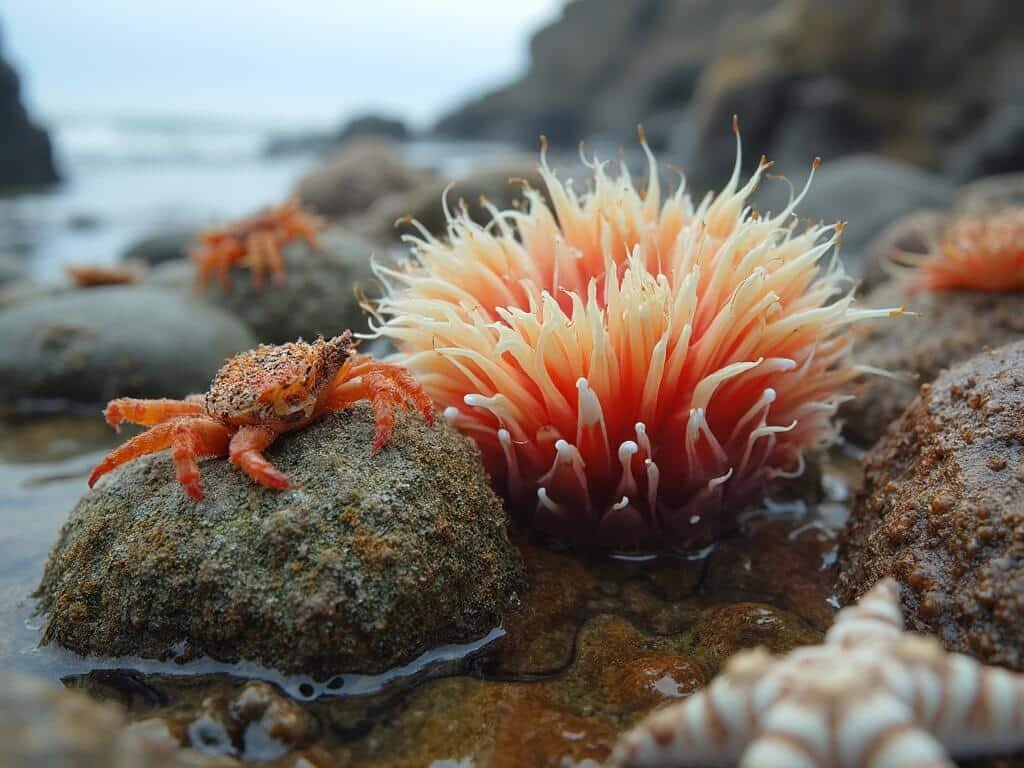
What you’ll spot:
- Sea anemones waving their tentacles
- Hermit crabs scuttling between rocks
- Sea stars (never call them starfish around marine biologists) clinging to rocks
- Small fish trapped temporarily in pools
- Sea urchins tucked into crevices
The accessibility makes Shell Beach special.
You don’t need to be an experienced tidepool explorer or rock scrambler to reach the good spots.
Families with young children navigate it easily, though sturdy footwear is non-negotiable.
I watched a couple in their seventies carefully picking their way across the rocks, stopping every few steps to examine something new.
The woman kept pulling out a small identification guide, matching what they found to pictures in the book.
That’s the energy Shell Beach encourages—curiosity over conquest.
Critical timing note: Check tide charts before visiting.
Low tide exposes the best pools, whilst high tide covers everything and makes the rocks dangerous.
March typically offers morning low tides around 7:00-9:00 AM and afternoon low tides around 3:00-5:00 PM, but this varies daily.
The rocky cliffs also provide dramatic photography opportunities that Pismo’s main sandy beach can’t match.
The contrast between jagged rocks, vibrant tide pool life, and the endless blue Pacific creates compositions that feel more Big Sur than typical beach town.
Essential rules:
- Look but don’t touch (oils from human hands harm marine life)
- Never remove anything from tide pools (it’s illegal and ecologically damaging)
- Watch for waves (rogue waves can catch distracted explorers)
- Wear shoes with grip (wet rocks are treacherous)
Shell Beach rewards the observant visitor who slows down rather than rushing through for a quick photo.
Pismo Preserve: The 11-Mile Secret Most Tourists Miss
Whilst everyone clusters on the beach, Pismo Preserve sits inland, offering over 11 miles of trail systems that showcase an entirely different side of the area.
March hiking conditions here are genuinely perfect.
The winter rains have greened everything up, wildflowers begin their bloom, and temperatures sit in that ideal range where you’re warm enough whilst moving but not overheating on uphill sections.
The preserve delivers breathtaking coastline views from elevation, giving you this bird’s-eye perspective of the beaches you might have walked earlier.
But the trails themselves—winding through coastal sage scrub, oak woodlands, and grasslands—create this meditative hiking experience that feels worlds away from the beach scene.
Trail difficulty ranges from:
- Easy coastal overlook walks (1-2 miles)
- Moderate loop trails (3-5 miles)
- Challenging backcountry routes (6+ miles)
The “less crowded in March” factor can’t be overstated.
Summer weekends see car parks fill up and trails get congested with hikers, trail runners, and mountain bikers all competing for space.
March weekdays?
You might go hours seeing only a handful of other people.
I hiked the East Cuesta Ridge Trail on a Tuesday morning in March and encountered exactly three other hikers in four hours.
The solitude allowed for wildlife spotting that crowds would have scared away—two deer, a red-tailed hawk, and what I’m fairly certain was a bobcat, though it disappeared before I could confirm.
What to bring:
- More water than you think you need (the preserve is exposed in sections)
- Sun protection (March sun still burns)
- Trail map or downloaded GPS route (phone signal is patchy)
- Layers (temperature drops in shaded canyons)
The preserve also offers hidden coves accessible via certain trails, giving you these semi-private beach experiences that feel like personal discoveries.
These aren’t the maintained, lifeguard-patrolled beaches.
These are rugged, wild stretches where the only footprints might be yours and the shorebirds’.
Trail etiquette reminder: The preserve allows hiking, mountain biking on designated trails, and horseback riding, so stay alert and share the path respectfully.
The combination of coastal views, diverse terrain, and genuine solitude makes Pismo Preserve the antidote to typical beach town tourism, and March offers the ideal window to experience it before heat and crowds arrive.
Related Reads
Avila Hot Springs: The Thermal Experience That Redefines March Relaxation
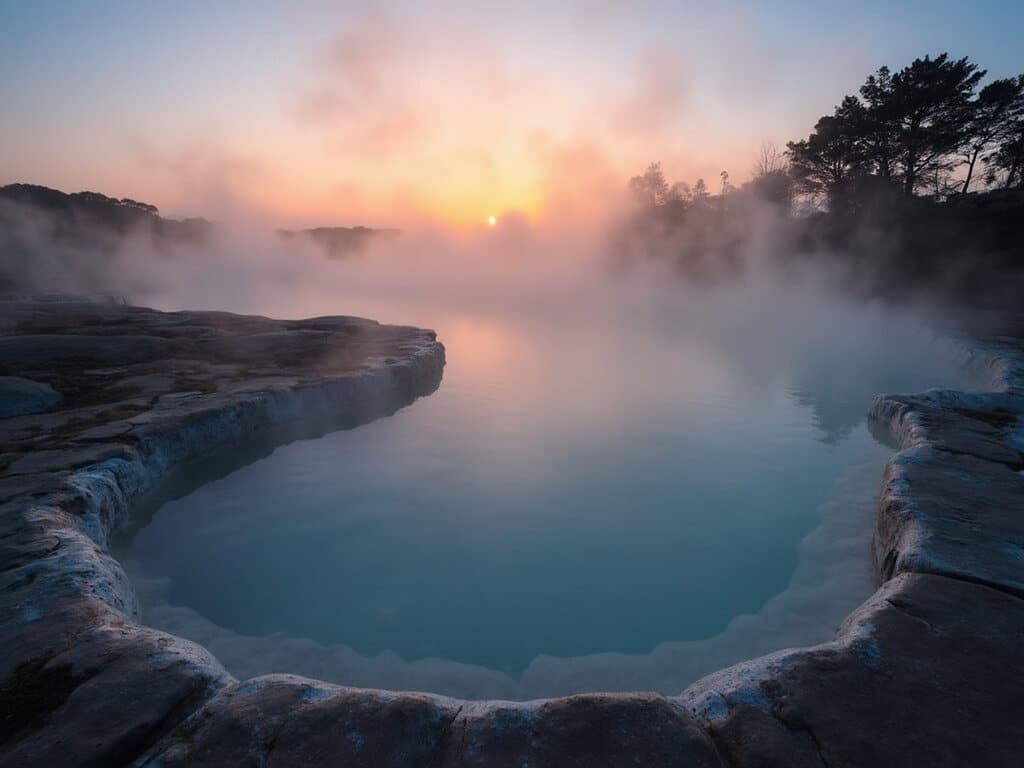
Ten minutes north of Pismo Beach sits Avila Hot Springs, and March transforms this natural mineral hot springs from pleasant amenity to essential experience.
The cooler March temperatures—those 48°F evenings—create the perfect contrast for soaking in 102°F mineral water. Your body experiences this incredible sensation where the top of your head feels the crisp ocean breeze whilst everything below your neck luxuriates in heated therapeutic water.
Summer visits don’t deliver that same dramatic temperature contrast. You’re already warm, sometimes uncomfortably so, making hot springs feel excessive rather than restorative.
March positions hot springs as the reward after a day of coastal hiking or beach exploration when your muscles have worked and the evening chill starts creeping in.
The facility offers:
- Multiple hot spring pools at varying temperatures (98°F to 104°F)
- Heated swimming pool for those wanting movement without extreme heat
- Private soaking tubs for couples or small groups
- Day-use access (no overnight stay required)
- Full spa services including massage and body treatments
The mineral content—primarily calcium, magnesium, and sulphur—provides legitimate therapeutic benefits beyond simple relaxation. Athletes use mineral springs for muscle recovery. People with arthritis find temporary relief from joint pain. The magnesium absorption through skin promotes better sleep, which I can personally confirm.
Practical considerations:
- Day passes run roughly $25-30 for adults (check current pricing)
- Arrive before 6:00 PM to avoid evening crowds
- Bring your own towel or rent one on-site
- No alcohol permitted in pool areas (strictly enforced)
- Children allowed but some pools have age restrictions
The setting itself enhances the experience. March weather patterns make fog occurrence more frequent than summer months. One evening, I watched the fog completely envelop the facility within fifteen minutes, creating an otherworldly experience.
For more ideas on what to do in the area, check out 14 things to do in Pismo Beach in March.
Pismo State Beach: Why The “Main” Beach Isn’t Actually Main
Pismo State Beach extends far beyond the central stretch most visitors experience. The state beach system encompasses miles of coastline, including beach areas, dunes, campgrounds, and habitat protection zones.
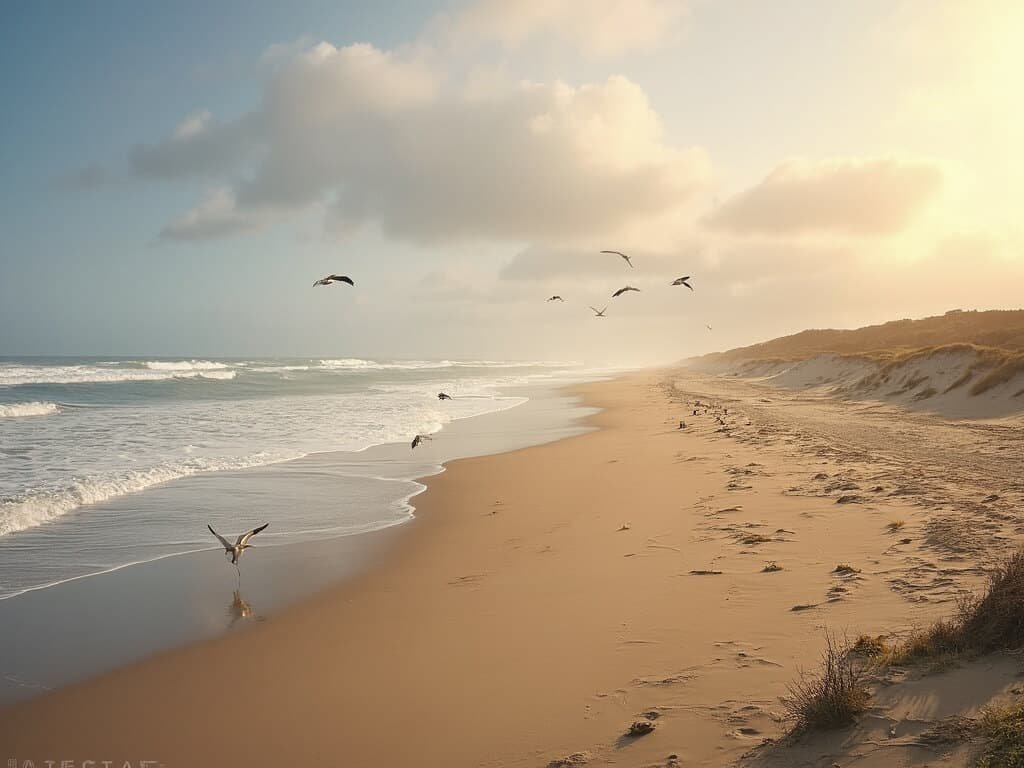
Lesser-known sections include:
- Oceano Dunes – One of few California beaches allowing vehicle access to sand
- Monarch Dunes – Protected habitat area with boardwalk access
- North Beach Campground – Beachfront camping with direct sand access
- Pier Avenue Beach – The tourist-heavy section most people assume is “everything”
March beachcombing becomes genuinely productive along these extended beaches because winter storms churn up the ocean floor, depositing shells, sand dollars, and other treasures. Early morning walks—taking advantage of that 6:47 AM sunrise—give you first access to beach treasures.
The Pismo Beach March weather averages show why this time of year is ideal for birdwatching and beach exploration.
The Food Situation: What Works (And What Doesn’t) In March
Pismo Beach dining revolves around seafood, and March brings specific availability that summer doesn’t match. Peak seafood in March includes Dungeness crab, fresh rockfish, black cod, and local clams.
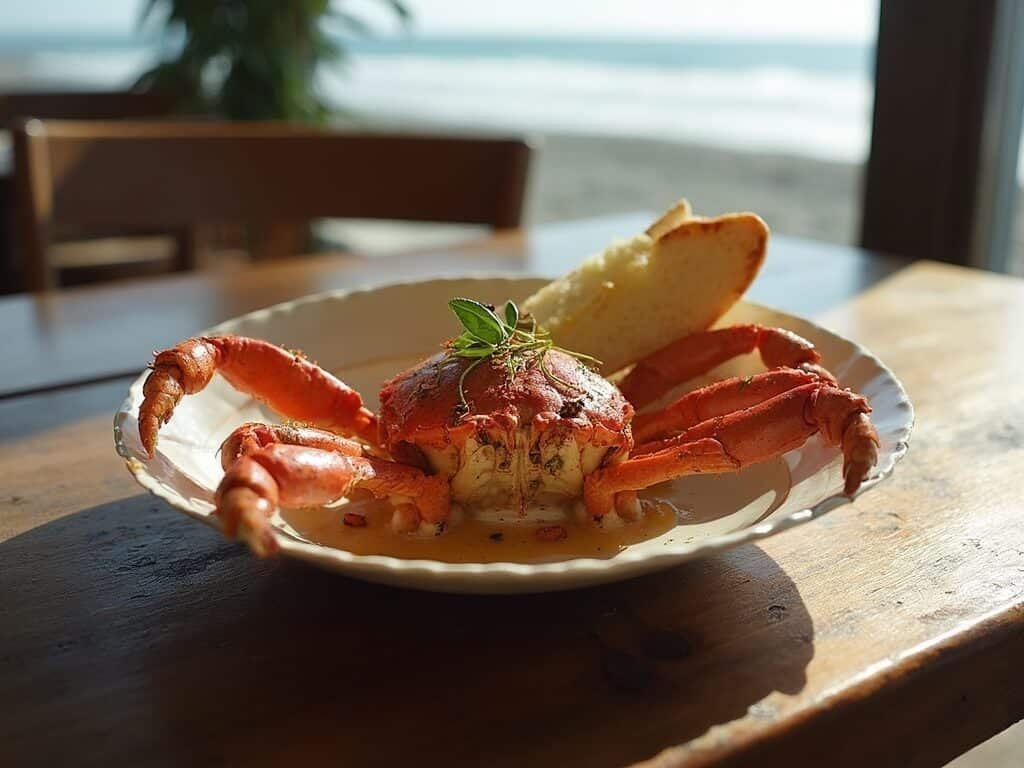
Splash Cafe is a local institution famous for clam chowder served in a sourdough bread bowl. March means you’re getting your chowder without the summer queues.
Other dining highlights:
- Cracked Crab – Casual seafood with harbor views
- Ventana Grill – Upscale option for special occasions
- Old West Cinnamon Rolls – Breakfast institution
- Giuseppe’s Cucina Italiana – Excellent non-seafood option
What doesn’t work in March: rooftop cocktail bars (too windy), beach-adjacent outdoor dining (too breezy), and many food trucks may not operate full hours.
Getting Around: The Transportation Reality Nobody Explains Properly
Pismo Beach is small enough to walk but large enough to need transport beyond the central zone. Accessing nearby spots like Avila Hot Springs, Shell Beach, or Pismo Preserve trailheads requires a car or bike.
Renting a car is the most realistic option, especially since March rental rates are lower than summer, and Highway 101 offers a scenic, uncongested drive.
What To Pack: The Specific Items That Make March Work
March in Pismo Beach demands a strategic layering approach due to temperature fluctuations.
Clothing essentials:
- Long-sleeves, fleece or sweater, windbreaker
- Swimsuit for hot springs
- Comfortable shoes and sandals
Must-have gear:
- Tide chart app, SPF lip balm, reusable water bottle
- Binoculars for birdwatching
- Camera or smartphone with storage for photos
Events And Seasonal Highlights: The March-Specific Experiences
March is not event-heavy, but that’s a benefit for many. You’ll enjoy:
- Wildflower emergence in local hills
- Whale migration sightings from shore or boat
- Fewer crowds, especially early in the month
Best Practices: The Details That Separate Good Visits From Great Ones
March gives you flexibility. Booking hot springs and popular restaurants a day or two in advance is usually enough. Arrive early in the week for a quieter experience, and plan 2-3 activities with room for spontaneity to account for windy or cool weather shifts.
Talk to locals—they often provide the best tips. Know that safety in March requires awareness of cold water and possible trail mud after rain.
The Verdict: Who Pismo Beach In March Actually Serves Best
Perfect for:
- Nature lovers, photographers, birdwatchers
- Couples and solo travelers seeking reflection
- Families wanting calm, safe beach experiences
Not ideal if you expect:
- Warm water swimming
- Active nightlife
- Urban shopping or luxury experiences
Pismo Beach in March is about authenticity over perfection, discovery over luxury, and deep presence over rigid planning. If that speaks to you, this is your month.
Related Reads
- Santa Cruz in September
- Santa Monica in March
- California in March
- Morro Bay
- Free Things to Do in Morro Bay