I walked through Yosemite Village in December when the valley can get a dusting of snow and the falls slow to a trickle. The roads stay open, but the mornings are cold enough that I pack gloves even for a short walk.
I’m going to be straight with you: visiting Yosemite in winter isn’t the same trip you’d take in July.
It’s better in ways you wouldn’t predict, and trickier in others you need to know about before you arrive.
The Weather Reality Nobody Warns You About (Until You’re Already There)
Here’s what catches most people off guard: December isn’t just “a bit chilly.”
Yosemite receives a staggering 95% of its annual precipitation between November and May.
That means when it snows in December, it really snows.
The valley floor sits at 3,966 feet, which puts it in this sweet spot where temperatures hover cold enough for snow, but not so brutal that you can’t enjoy being outside.
Most days, you’ll wake up to temperatures well below freezing, then watch them climb just enough by afternoon to make hiking comfortable.
The unpredictability is the real challenge.
One day might bring bluebird skies with pristine snow.
The next could dump another foot whilst you’re trying to drive Highway 41.
What this means for your plans:
- Pack for extreme cold, even if the forecast looks mild
- Check road conditions every single morning
- Have backup indoor activities ready (the Ansel Adams Gallery is brilliant)
- Don’t commit to rigid daily schedules
The precipitation pattern creates what I call the “winter lottery” effect.
You might arrive to find perfect conditions, or you might spend two days watching snow fall.
Both experiences have their charm, but only if you’re mentally prepared for either.
Why the Crowds Disappear (And Why That Changes Everything)
Summer Yosemite sees about 5 million visitors squeeze into the valley.
December Yosemite?
You can stand at the base of Yosemite Falls and have the place to yourself for solid 10-minute stretches.
I experienced this firsthand on a Tuesday morning in mid-December.
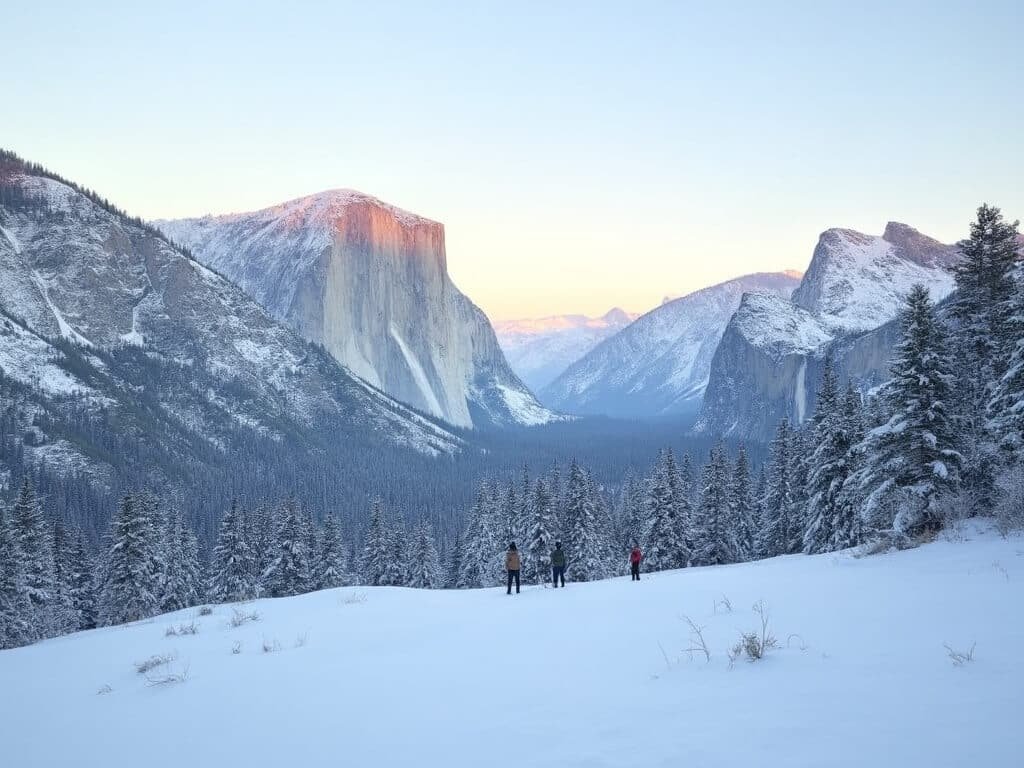
Walked out to Cook’s Meadow Loop at sunrise, and counted exactly three other people during the entire one-mile circuit.
Three people.
In Yosemite.
Looking at Half Dome covered in fresh powder with alpenglow lighting up the granite.
The absence of crowds fundamentally changes how you experience the park.
You’re not jockeying for parking spots.
You’re not timing your photos to avoid other tourists in frame.
You’re not standing in line for 20 minutes to use the loo.
The crowd advantage breaks down to:
- Spontaneous parking at popular trailheads
- Zero wait times at park facilities
- Peaceful contemplation of iconic views
- Better wildlife spotting (animals emerge when humans retreat)
- Authentic wilderness feeling even in the valley
But here’s the trade-off: fewer crowds also means reduced services.
Some facilities close.
Ranger programmes scale back.
Shuttle services run less frequently.
The solitude comes at the cost of convenience, which feels like a fair exchange if you’re the type who values experience over amenity.
The Ice Skating Secret That’s Been Running Since 1928
Most people don’t realise Curry Village has been operating an outdoor ice skating rink since 1928.
Nearly a century of people strapping on skates beneath Half Dome.
This isn’t some tourist trap add-on.
It’s a genuine piece of Yosemite winter tradition.
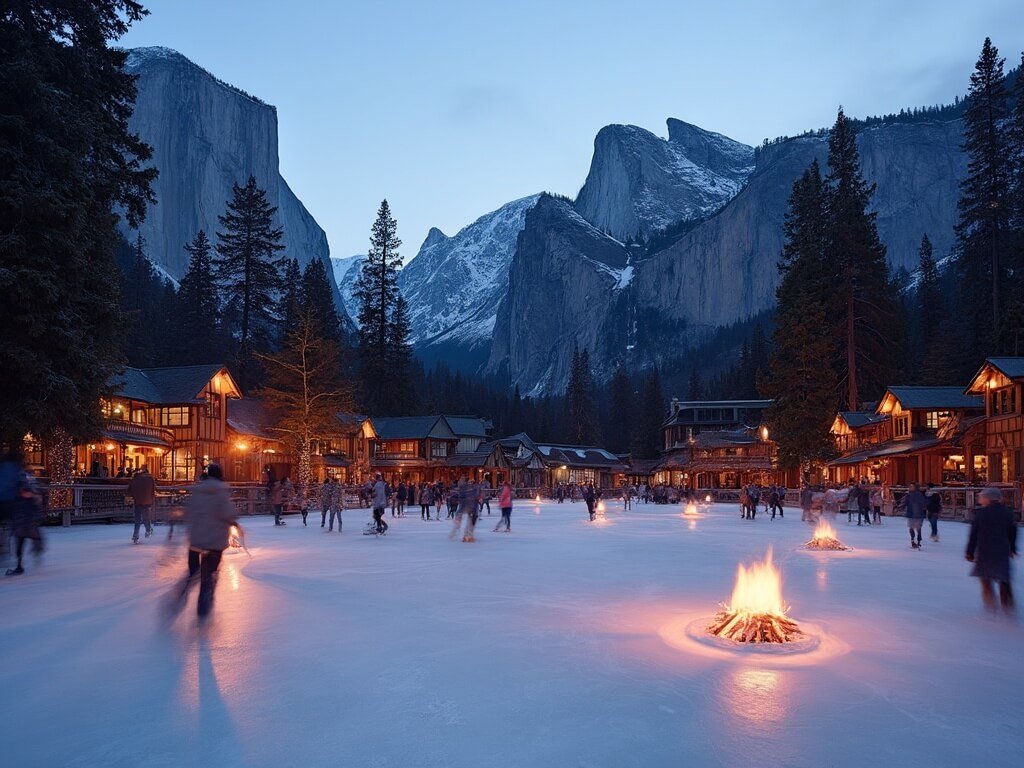
The rink sits in full view of Half Dome and Glacier Point, which means you’re literally skating with some of North America’s most dramatic granite formations as your backdrop.
They keep fire pits burning around the edges where you can warm your hands between sessions.
Hot chocolate flows freely.
Operating details you need:
- Runs mid-November through early March (weather dependent)
- Multiple sessions throughout the day and evening
- Skate rentals available on-site
- Gets busy during holiday weeks but otherwise quiet
- Evening sessions under lights create magical atmosphere
If you’re travelling with kids or non-hikers, this becomes your ace in the hole.
It’s an activity that works for virtually any fitness level and doesn’t require driving anywhere or dealing with trail conditions.
There’s also a lesser-known alternative at Tenaya Lodge, which operates an 80×40-foot covered outdoor rink in a pine forest setting.
It’s outside the park boundaries but offers a cosier, more intimate skating experience if Curry Village feels too busy.
Where You Can Actually Ski Without Leaving the Park
Badger Pass Ski Area opens mid-December and runs through mid-April, making it California’s oldest operating ski resort.
But here’s what makes it different from every other ski hill you’ve visited: it’s genuinely designed for families and beginners.
Five lifts service terrain that ranges from proper beginner greens to a handful of black diamond runs that’ll challenge intermediate skiers.
Nothing here will impress hardcore skiers used to Mammoth or Tahoe.
That’s precisely the point.
Badger Pass specialises in:
- First-time skiers and snowboarders
- Families with young children
- Cross-country skiing access
- Snow tubing and sledding
- Relaxed, low-pressure atmosphere
The ski school here has a reputation for being exceptionally patient and thorough.
If you’ve got kids who’ve never skied before, or you’re a beginner yourself, this is arguably the best place in California to learn.
The real hidden gem at Badger Pass isn’t the downhill skiing at all.
It’s the groomed cross-country ski trails that head toward Glacier Point.
Miles of marked winter routes cut through pristine forest, offering high-elevation viewpoints without the crowds or cost of downhill tickets.
The Hiking Equation: What’s Possible vs What’s Enjoyable
December hiking in Yosemite requires recalibrating your expectations.
The trails don’t close.
They just get significantly more challenging and require different gear.
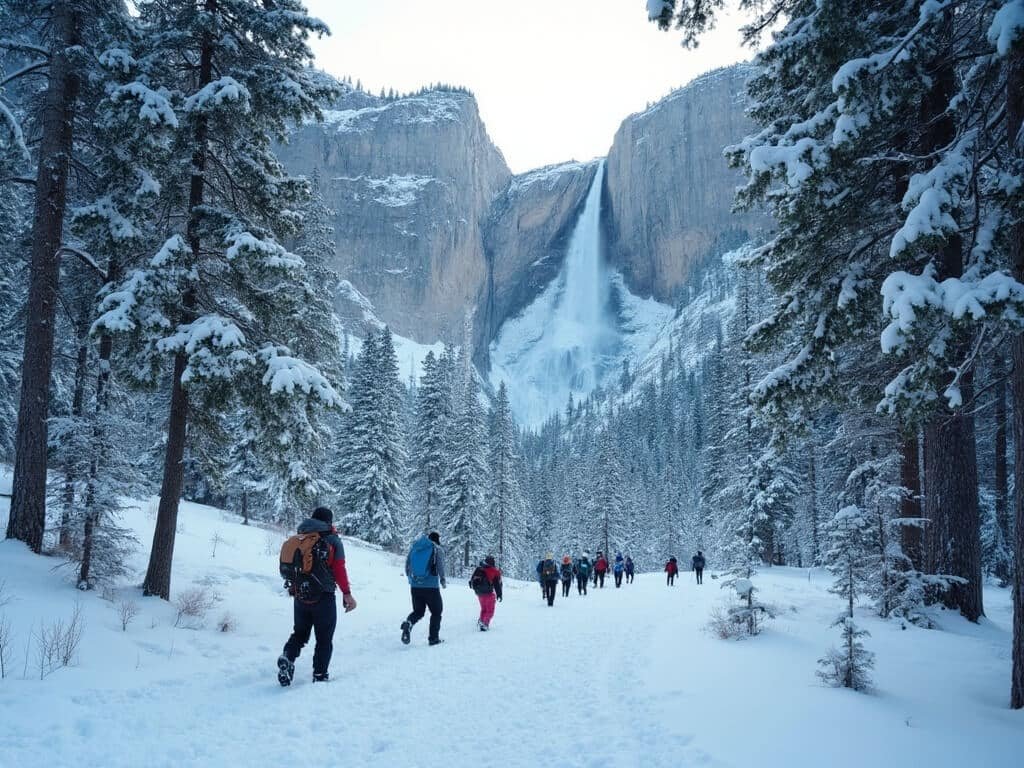
Valley floor hikes remain accessible:
Cook’s Meadow Loop stays my top recommendation for December visitors.
One mile, completely flat, open year-round.
You’ll walk on snow-packed paths with views of Yosemite Falls, Half Dome, and snow-covered meadows that look like something from a Christmas card.
Dogs on leash are even permitted, which is rare in national parks.
Lower Yosemite Falls Trail gets paved and maintained, though snow and ice coverage varies.
The “Lower Falls View” spur gives you gorgeous snowy waterfall perspectives without serious elevation gain or technical difficulty.
Moderate trails get complicated:
Mirror Lake Trail runs two miles out-and-back to Half Dome’s base.
Beautiful in winter, but you’ll likely need snowshoes or cross-country skis.
The Tuolumne Grove walk takes you through nearly two dozen mature giant sequoias, but again, expect to need proper winter equipment.
Higher elevation routes require serious preparation:
Dewey Point Trail offers spectacular valley views via a 7-mile snowshoe route.
This isn’t for casual hikers.
You need proper snowshoes, winter navigation skills, and realistic fitness assessment.
Essential gear for December hiking:
- Microspikes or crampons for icy sections
- Snowshoes for deeper snow (rentals available)
- Waterproof boots rated for cold temperatures
- Multiple insulating layers you can adjust
- Trekking poles for stability
- Headlamp (days are short)
Snow Play Areas That Don’t Require Special Skills
Not everyone wants to ski or snowshoe.
Sometimes you just want to slide down a hill and throw snowballs.
Crane Flat Snow Play Area sits off Highway 120 as a designated sledding location.
The park service ploughs the campground roads for vehicle access, but you’ll need to bring your own sledding gear.
Goat Meadow Snow Play Area offers a slightly more developed option off Highway 41 between Fish Camp and the South Entrance.
What to bring for snow play:
- Sleds, tubes, or saucers
- Extra gloves (they will get soaked)
- Waterproof everything
- Thermos of hot drinks
- Realistic expectations about conditions
Why Badger Pass Matters Even If You Don’t Ski
Badger Pass serves as more than just a ski area.
It functions as the winter activity hub for the entire park.
Badger Pass as your winter base camp:
- Central location for accessing multiple winter activities
- Reliable road access (Highway 41 gets priority ploughing)
- Full-service facilities including food and restrooms
- Equipment rental eliminates need to bring everything
- Staff expertise on current conditions
Marked winter routes maintain reliable snow coverage from mid-December through mid-March, giving you a solid three-month window where these trails work consistently.
You’re trading effort for perspective, which feels like the right equation for winter exploration.
Explore more:
The Photography Opportunities That Only Exist in Winter
December creates photographic conditions in Yosemite that summer visitors never see. Fresh snow blankets granite formations you’ve seen a thousand times in calendar photos, but the winter perspective transforms them completely.
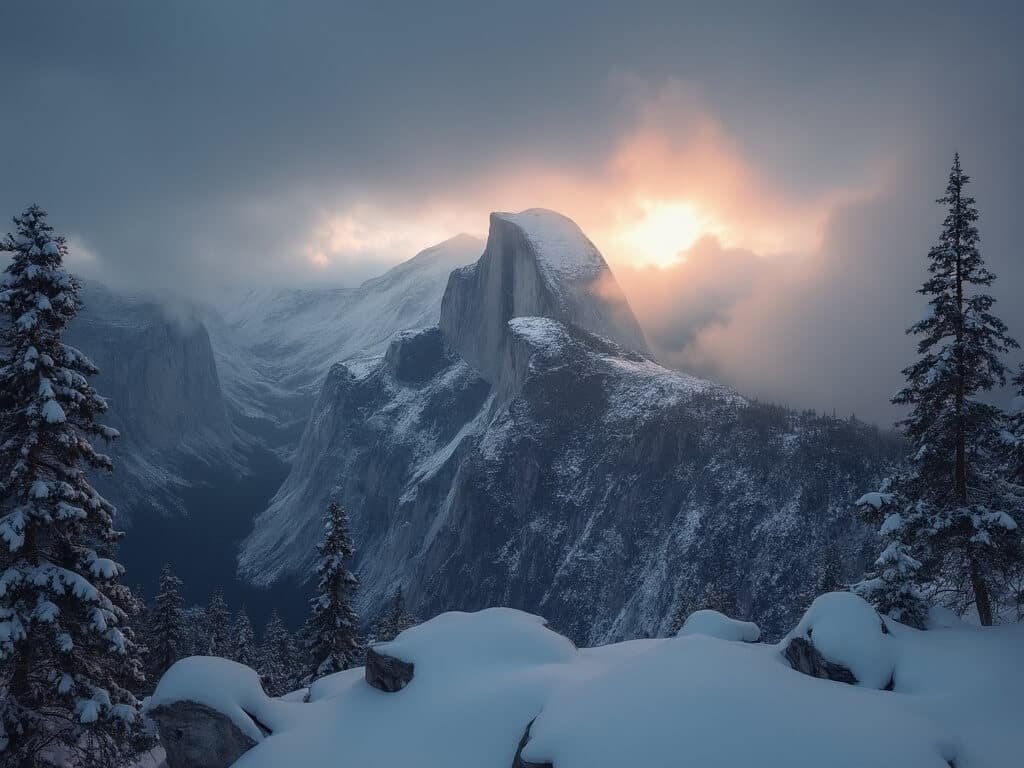
Half Dome against a storm-clearing sky. Yosemite Falls surrounded by ice formations. El Capitan emerging from low-hanging clouds with snow-covered trees in the foreground.
The light behaves differently too. Winter sun stays lower on the horizon, creating longer golden hours and more dramatic shadows across the valley walls. Storm breaks produce those brief, intense moments where sunlight pierces through clouds to illuminate specific features whilst everything else remains in shadow.
Winter-specific photo opportunities:
- Frozen sections of smaller waterfalls creating ice sculptures
- Snow-covered meadows with granite peaks behind them
- Storm systems moving through the valley (dramatic cloud formations)
- Alpenglow on snow-covered peaks (more vibrant than on bare rock)
- Wildlife against snow backgrounds (better contrast and tracking)
- Yosemite Chapel with snow-covered surroundings (Christmas card perfection)
The photographer crowd thins out dramatically in December, making it easier to capture iconic shots from classic viewpoints like Tunnel View or Valley View without long waits. Early morning offers the best combination of fresh snow, golden light, and minimal wind—*but it requires arriving before sunrise*.
Technical tip: Cold weather drains batteries fast. Keep spares in your inside jacket pockets and swap them regularly to avoid missing key shots.
The Accommodations Puzzle and Where to Actually Stay
Yosemite Village accommodations in December operate on a reduced schedule compared to peak season.
Curry Village remains open with heated cabins, putting you near the ice skating rink and valley floor trails. The Ahwahnee (officially Majestic Yosemite Hotel) delivers a grand lodge experience, perfect for a special occasion. Meanwhile, Yosemite Valley Lodge offers standard rooms with practicality and affordability.
Booking realities:
- Reserve 6–12 months ahead for holiday weeks
- Mid-December and January offer better availability
- Check regularly for cancellations
- Consider nearby towns like El Portal or Mariposa as backup
Tenaya Lodge, just outside the South Entrance, provides full-service amenities and a comfortable base—ideal when you want consistent services regardless of weather.
Alternative strategies:
- Stay in Mariposa for budget flexibility
- Book Wawona Hotel for historic charm at lower cost
- Look into Yosemite West private rentals
- Camp at Upper Pines if you’re experienced and equipped
Winter camping demands serious gear. Overnight lows drop well below freezing, and water bottles freeze inside tents. For most, indoor lodging is the smarter call.
The Transportation Reality Nobody Explains Clearly
Getting around Yosemite in December requires more planning than summer visits.
Highway 120 (Tioga Pass) closes after first snowfall. Highway 41 usually stays open and is ploughed first. Highway 140 through El Portal is the most reliable all-season route but is still subject to rockslides.
Chain requirements:
- Can be mandated at any time—even for AWD/4WD
- Rental cars often prohibit chain installation
- Installation services exist but overwhelm during storms
Essential tips:
- Practice chain installation before your trip
- Check road conditions daily
- Triple your normal drive time
- Carry emergency supplies and fill up before entering the park
The valley shuttle runs on a reduced winter schedule, making private vehicles more important. Don’t plan tight timing around buses—build in buffers.
What Weather Forecasts Don’t Tell You About December Timing
December isn’t a monolithic block. Conditions vary dramatically based on timing.
The first two weeks of December often offer the best blend of snow and manageable conditions. Mid-December through New Year brings the most crowds and weather unpredictability. Post-New Year (January 2 onward) is quieter and more stable.
Typical weather patterns:
- Storms arrive in 3–5 day cycles
- Clear days between storms offer the best windows
- First snow usually late November or early December
Monitor forecasts starting five days ahead. The NPS Yosemite page and social media channels like Twitter post real-time updates.
Preparation checklist:
- Check 10-day forecasts before arrival
- Stay flexible with your itinerary
- Pack indoor entertainment
- Have realistic expectations
The Family Activity Equation and Who December Actually Works For
December Yosemite isn’t ideal for every family configuration.
Great for:
- Families with kids 8+
- Adults who enjoy unpredictable adventures
- Quiet seekers and winter-savvy groups
Challenging for:
- Families with very young kids
- People expecting summer-like access
- Visitors without proper gear
Accessible family activities include ice skating and snow play areas, especially when trails are unusable. Badger Pass offers a family-friendly ski and snowshoe scene.
Family success tips:
- Bring real winter clothing
- Set flexible expectations
- Choose lodging with indoor options
- Plan 60% structured, 40% open
The Real Costs Beyond the Park Entrance Fee
December brings different cost structures compared to summer.
Park entrance remains $35 per vehicle for 7 days, but activities can add up:
Sample costs:
- Badger Pass lift tickets: $60–70 adults
- Ice skating: $10–15 per session
- Rentals: $30–50/day
- Ski lessons: $80–120
Budget tips:
- Rent daily instead of bringing gear
- Focus on free activities (photography, hiking)
- Pack own lunches
- Travel mid-week for lower rates
Rough cost ranges:
- Budget trip: $200–400 (3 days)
- Mid-range: $800–1,200
- Comfort-focused: $1,500–2,500+
The Winter Wildlife Experience Nobody Mentions
Wildlife visibility dramatically improves in winter.
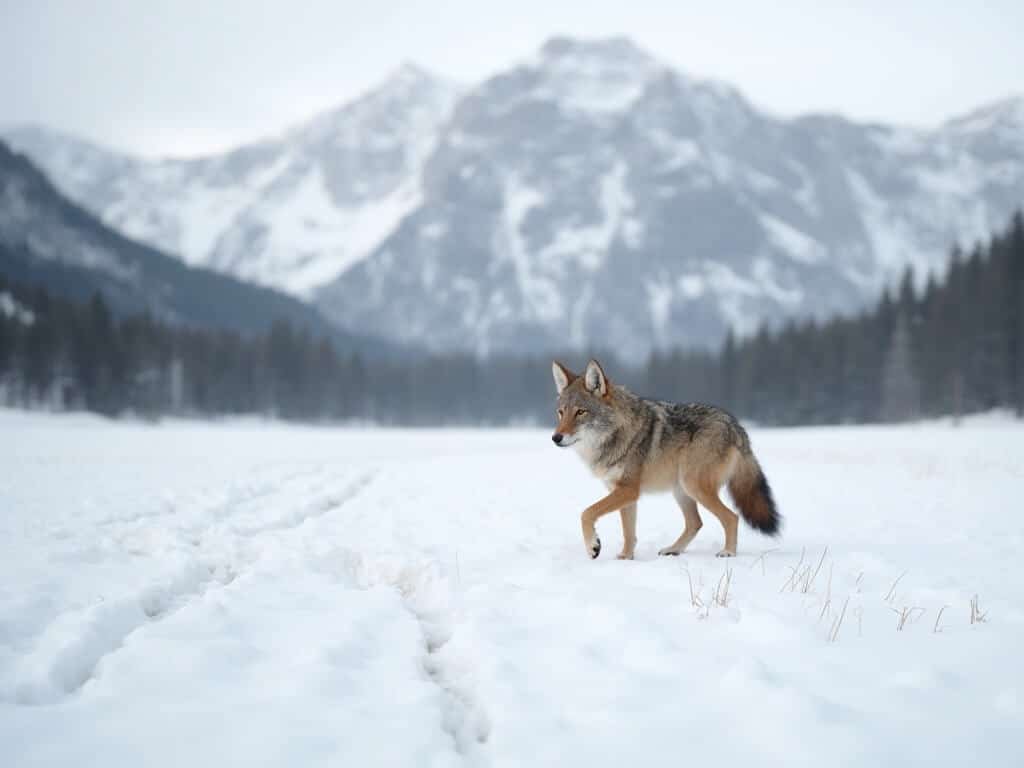
Mule deer, coyotes, and varied bird species become more visible due to snow and quiet conditions. The Merced River becomes a hub for activity.
Wildlife you may see:
- American dippers
- Coyotes
- Steller’s jays
- Bobcats (rare)
- Bald eagles (occasionally)
Viewing tips:
- Go early morning
- Use tracks in snow to follow movement
- Set up near tree lines or unfrozen water
Why Some December Days Feel Magical and Others Feel Miserable
Weather determines everything.
Clear days deliver magic. Storms bring frustration. You won’t know until you arrive.
Key to success: Accept unpredictability.
Strategies:
- Pack indoor entertainment
- Book extra buffer days
- Plan flexible activities
Memorable experiences come from both bluebird skies and stormy solitude. It’s all part of the trade-off.
The Underrated Historic and Cultural Experience
December allows time for Yosemite’s cultural gems.
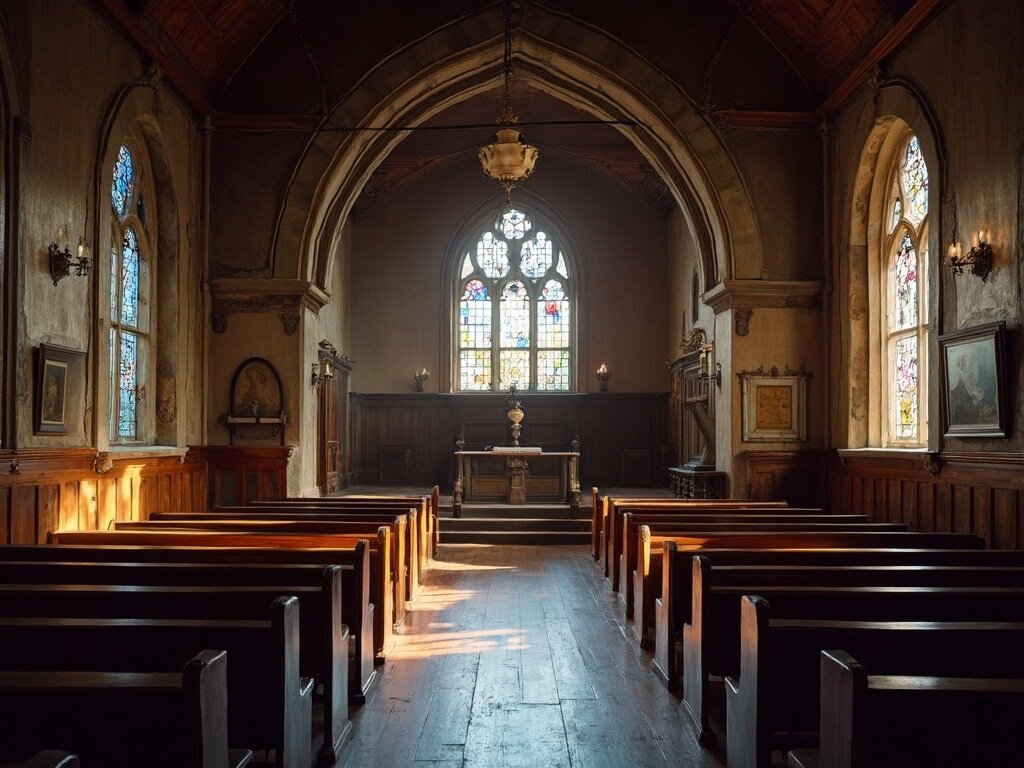
The Ansel Adams Gallery and Yosemite Museum remain open and uncrowded. Watch documentaries, attend ranger talks, and explore the historic Yosemite Chapel.
Why winter cultural experiences shine:
- Indoor refuge during storms
- Deeper appreciation of photography and Native heritage
- Perfect for families needing indoor time
What January Offers That December Doesn’t
January often improves on December—without holiday chaos.
January advantages:
- No crowds after January 2
- Deeper snowpack
- Better accommodation availability
Special tip: The second week of January offers peak winter experience without holiday pricing or crowds.
The Bottom Line Truth About December in Yosemite Village
You’ll love December if:
- You seek solitude and dramatic scenery
- You’re prepared for weather variability
- You’re serious about winter photography
Summer may suit you better if:
- You need predictable access
- Prefer warm-weather hiking
- Avoid winter driving
Every December trip brings unforgettable moments—if you’re willing to embrace the trade-offs. The combination of snow, light, and quiet lets you see Yosemite in a completely different way.
Yosemite Village in December is cold and quiet, with occasional snow in the valley. Dress in layers, and check road conditions before you drive in since ice is possible.