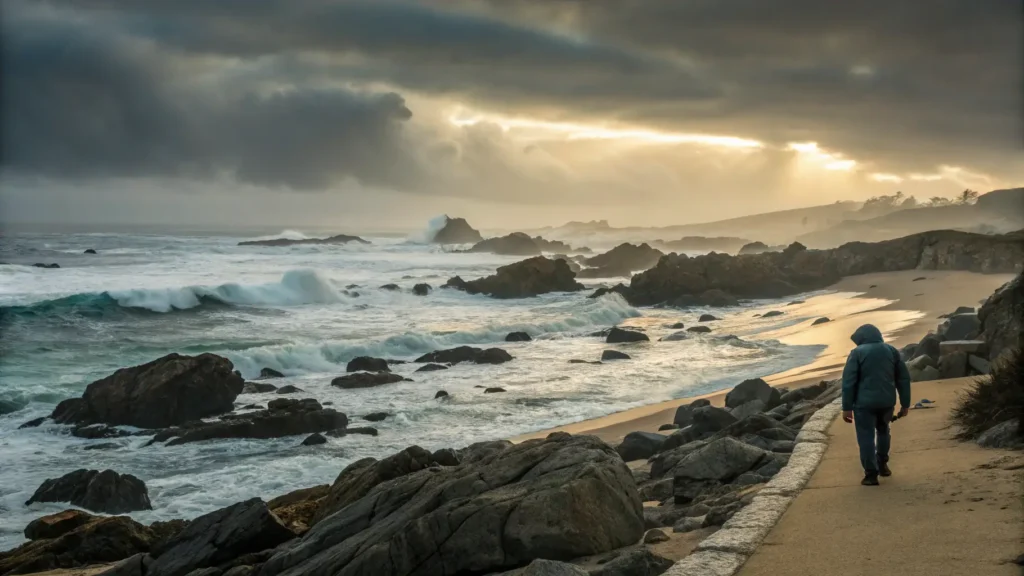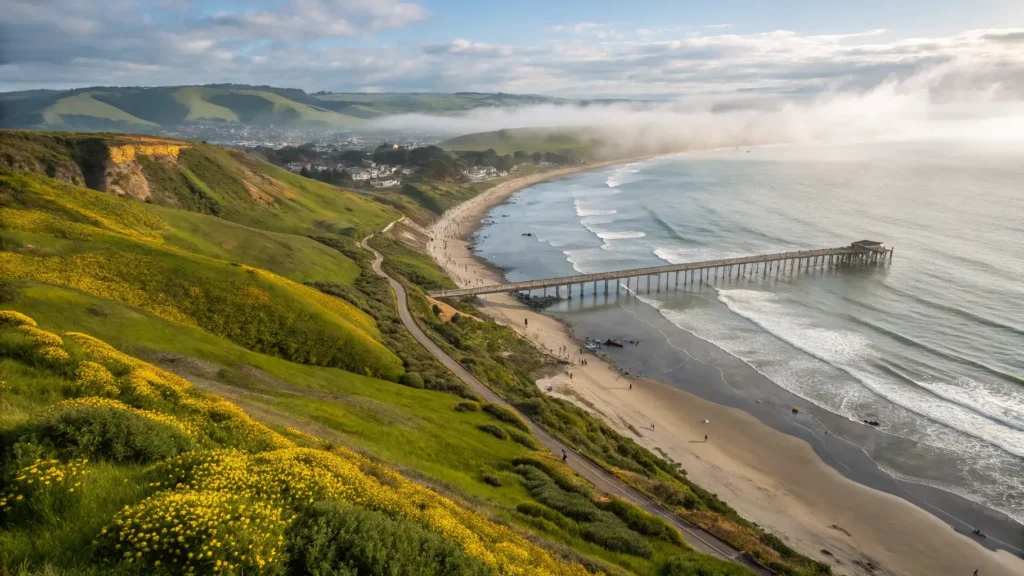
I have spent January in Monterey in a windbreaker most of the day, with highs only reaching the upper 50s. The mornings off the bay felt cool, but the afternoons were mild enough for a walk along the coast without a heavy coat.
You won’t find scorching beach weather or endless sunshine.
What you will find is something far more interesting—a coastal town that reveals its authentic character when the crowds thin out and the Pacific winds carry a bit of bite.
I’ve watched countless travellers arrive underprepared for what January actually delivers here, shivering in their summer shorts whilst locals breeze past in layered waterproofs.
The difference between a miserable trip and a brilliant one comes down to understanding what you’re actually walking into.
The Temperature Reality Nobody Tells You About
Here’s what the weather data won’t capture: 59°F (15°C) feels wildly different on the Monterey coast than it does inland.
Daytime temperatures hover around that mark, with nights dropping to approximately 48°F (9°C).
Sounds mild, right?
Not when you factor in the humidity and ocean breeze that cuts straight through a standard jumper.
I learned this the hard way during my first January visit five years ago.
I’d packed for “California weather” based on some romantic notion that the entire state exists in perpetual sunshine.
By day two, I was buying a proper windbreaker from a bemused shop owner who’d clearly seen this scenario play out a thousand times before.
The temperature ranges throughout the month stay relatively consistent:
- Daytime highs: 56-61°F
- Nighttime lows: 46-49°F
- Coldest periods: Late evening through early morning
- Warmest windows: Midday to early afternoon
That consistency is actually brilliant for planning.
You’re not gambling on wildly fluctuating conditions—you know exactly what you’re working with.
Why January Is the Wettest Month (And Why That Shouldn’t Scare You)
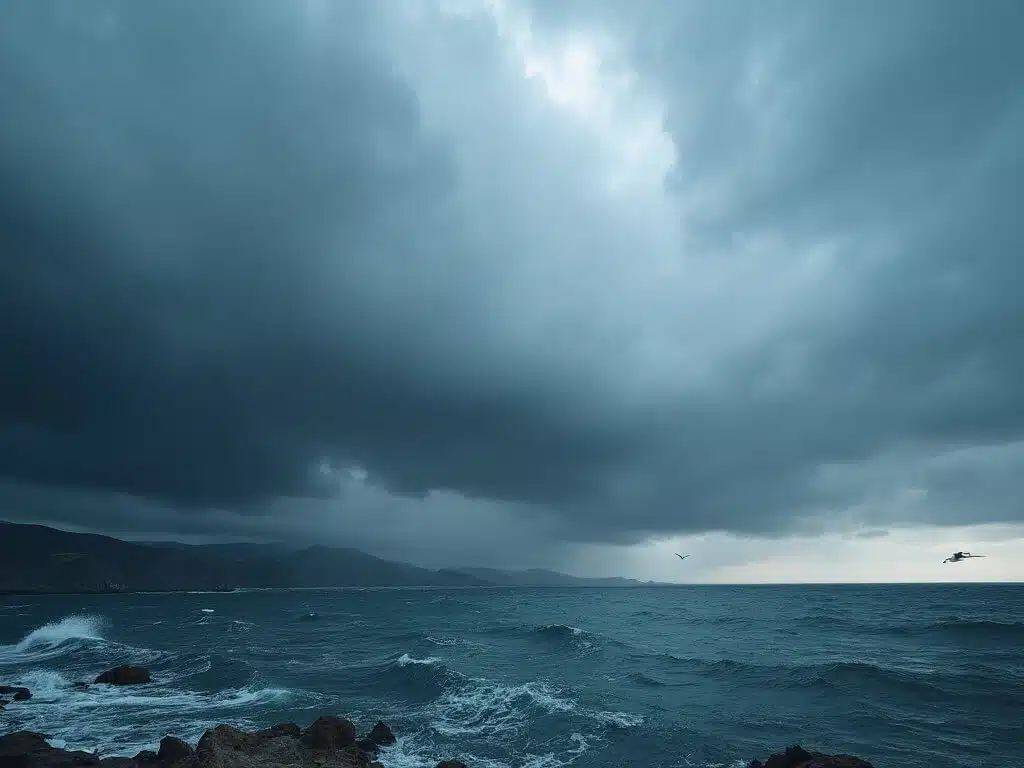
Monterey in January claims the title of wettest month, and the statistics back that up.
You’re looking at a 23% chance of rain on any given day.
That translates to roughly 4 rainy days spread across the month, with each rainfall event dropping about 0.57 inches (14.5 mm).
Total monthly accumulation hits approximately 4.8 inches (121 mm).
But here’s the thing everyone misses: 23% probability means you’ve got a 77% chance of dry weather on any given day.
Those aren’t terrible odds.
The rain typically arrives in short bursts rather than day-long downpours.
Thunderstorms remain rare—they’re possible but represent a small probability.
What you get instead are those characteristically moody coastal showers that roll through, do their thing, and move on.
Smart rain strategy:
- Pack a proper waterproof jacket (not just water-resistant)
- Bring layers that dry quickly
- Plan indoor alternatives for 4-5 days
- Check morning forecasts to time outdoor activities
- Embrace the dramatic storm-watching opportunities
The wetness adds atmosphere that summer visitors never experience.
Storm clouds rolling across Monterey Bay create photography opportunities that fair-weather months simply can’t match.
The Wind Factor Everyone Underestimates
Light breezes dominate January’s wind patterns in Monterey.
They occasionally pick up, but strong winds remain unlikely.
That sounds manageable until you realise these “light breezes” combine with moderate humidity to create a wind-chill effect that makes 59°F feel considerably colder.
This is where your clothing strategy either succeeds or fails spectacularly.
The wind isn’t violent—it’s persistent.
It finds every gap in your layers and exploits it mercilessly.
A windbreaker becomes essential kit, not optional equipment.
I’ve watched people tough it out in just a hoodie, convinced they’ll be fine.
They last about an hour on the waterfront before retreating to cafés, effectively cutting their exploration time in half.
Wind-proof essentials:
- A proper windbreaker as your outer layer
- A mid-layer that provides insulation (fleece or light down)
- A base layer that wicks moisture
- A scarf or neck gaiter for exposed areas
- Gloves for early morning or evening walks
The atmospheric factors in January create that crisp coastal feeling that makes Monterey feel authentically wild rather than tourist-sanitised.
The Daylight Hours Nobody Accounts For
January delivers approximately 10 hours of daylight.
Sunrise happens around 7:17 AM.
Sunset arrives near 5:15 PM.
That shorter daylight window fundamentally changes how you need to structure your days.
Summer visitors have light until 8 PM to squeeze in activities—you don’t have that luxury.
This reality demands better planning.
You can’t afford to faff about over a leisurely late breakfast if you want to maximise outdoor exploration time.
Daylight optimisation strategy:
- Start your day early (proper coffee exists by 7 AM)
- Schedule outdoor activities between 9 AM and 4 PM
- Use mornings for the best light conditions
- Reserve evenings for indoor attractions or dining
- Accept that some things simply won’t fit in a single day
The UV index remains moderate despite shorter days.
Water and sand surfaces amplify UV exposure, so proper sun protection matters.
Broad-spectrum SPF 30+ sunscreen and UV-blocking sunglasses aren’t optional—the winter sun still does damage, even when it doesn’t feel particularly strong.
That 10-hour window actually forces you to be more intentional about your time.
You’ll accomplish more with focused planning than summer visitors manage with their endless twilight hours and resulting complacency.
What the Ocean Temperature Means for Your Plans
The Pacific Ocean maintains temperatures between 53.8-54°F (12-12.1°C) throughout January.
That’s cold.
Properly cold.
Swimming without protection isn’t just uncomfortable—it’s genuinely unsafe for extended periods.
You’re looking at wetsuit-mandatory conditions for any water activities lasting more than a few minutes.
But here’s what that cold water actually creates: incredible clarity for those willing to gear up properly.
The marine life viewing in January rivals any other month precisely because fewer people bother.
Seals, sea otters, and occasional whale sightings happen without crowds of tourists blocking your view.
Water activity reality check:
- Casual swimming: Forget it without a wetsuit
- Surfing: Absolutely possible with proper gear (5/4mm wetsuit minimum)
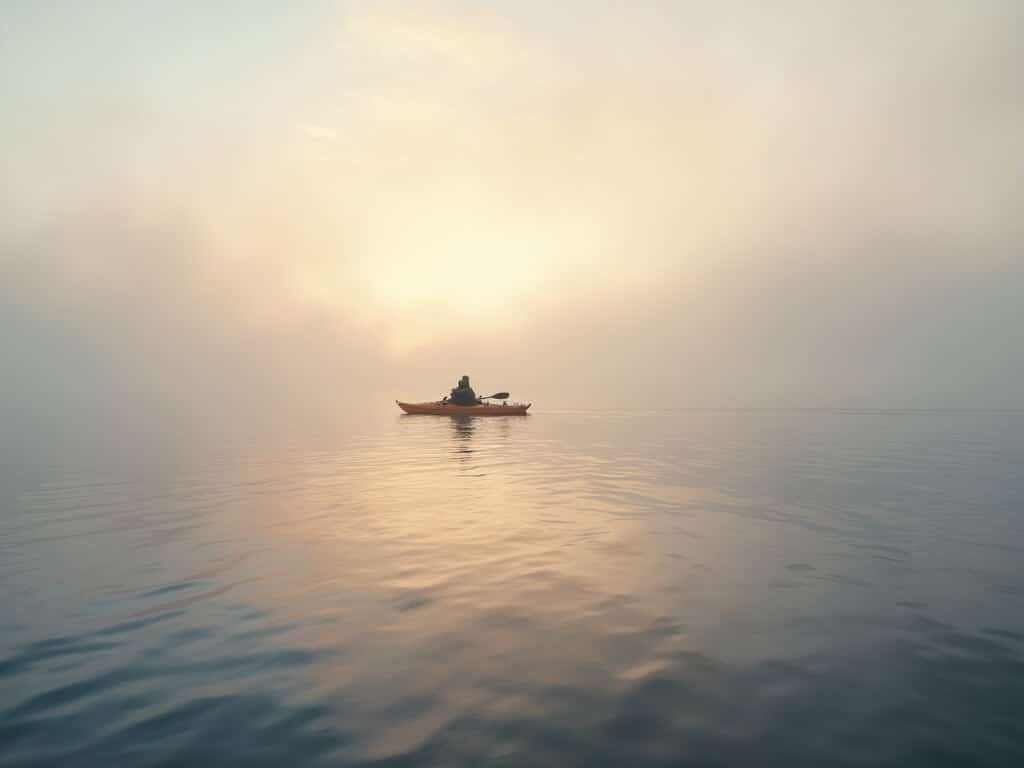
- Kayaking: Viable with dry suit or acceptance you’re staying dry
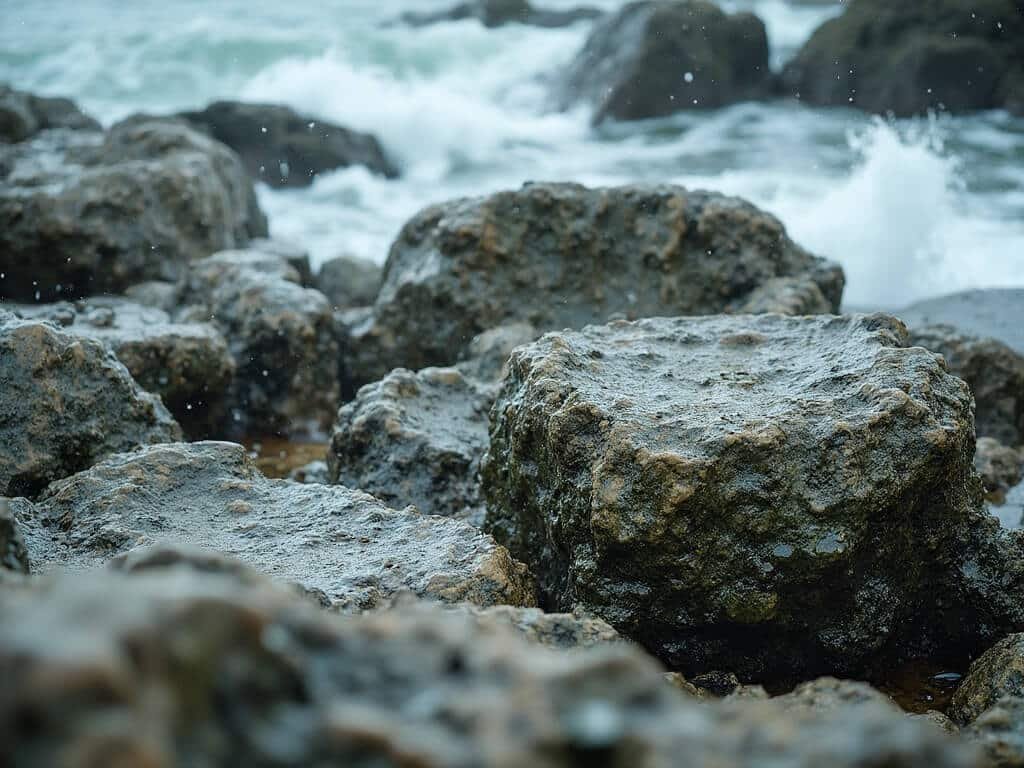
- Tide pooling: Brilliant—just watch your footing on slippery rocks
- Beach walking: Perfect—you’ll have stretches to yourself
The cold ocean temperatures paradoxically make January one of the best months for appreciating Monterey’s coastal character without actually getting in the water.
Your experience shifts from “beach resort” to “wild coastline observation,” which honestly suits the area’s character far better.
How January Stacks Up Against Other Months
Monterey in January ranks among the cooler months, running nearly identical to February—technically the coldest month at matching 59°F/48°F highs and lows.
Compare that to September’s 72°F/57°F, and you’re looking at a genuine 13-degree difference in daytime temperatures.
The moisture levels tell an interesting story too.
December technically claims the wettest crown with a 27% precipitation chance, but January’s 23% keeps it firmly in second place.
Meanwhile, September barely registers at 1% daily precipitation probability.
Seasonal comparison:
- Temperature: 4th coldest month
- Rainfall: 2nd wettest month
- Crowds: Significantly reduced from summer peaks
- Pricing: Lower accommodation rates
- Character: Most authentic local atmosphere
This positioning makes January a strategic sweet spot.
You’re getting near-peak wetness and coolness, but you’re also getting near-minimum tourist density and pricing.
The trade-off makes sense for travellers who value authentic experiences in California during January over guaranteed sunshine.
What this seasonal context reveals is that Monterey in January isn’t trying to be a beach destination.
It’s offering something completely different—a chance to experience a working coastal town in its natural winter state, complete with dramatic weather and the kind of rugged beauty that fair-weather months simply can’t deliver.
If you’re planning a visit, also check out our guide to free things to do in Monterey.
The Layering System That Actually Works (Tested Through Dozens of January Trips)
Most packing guides throw generic clothing lists at you and call it advice.
I’m going to tell you exactly what works based on watching both successes and failures play out on Monterey’s waterfront.
The temperature range from mid-40s at night to low 60s during the day creates a specific challenge: you need clothing that adapts across a 15-degree swing without carrying a suitcase full of options.
The three-layer system that actually functions:
Base layer (worn always):
- Moisture-wicking long-sleeve shirt (not cotton—it stays wet)
- Lightweight thermal if you run cold
- Comfortable jeans or technical pants that handle moisture
Mid layer (add/remove as needed):
- Fleece pullover or light down vest
- This becomes your temperature regulation tool
- Should compress small enough to stuff in a daypack
Outer layer (wind and rain protection):
- Waterproof jacket with hood (not water-resistant—actually waterproof)
- Breathable fabric to prevent sweat buildup
- Pit zips are brilliant for temperature management
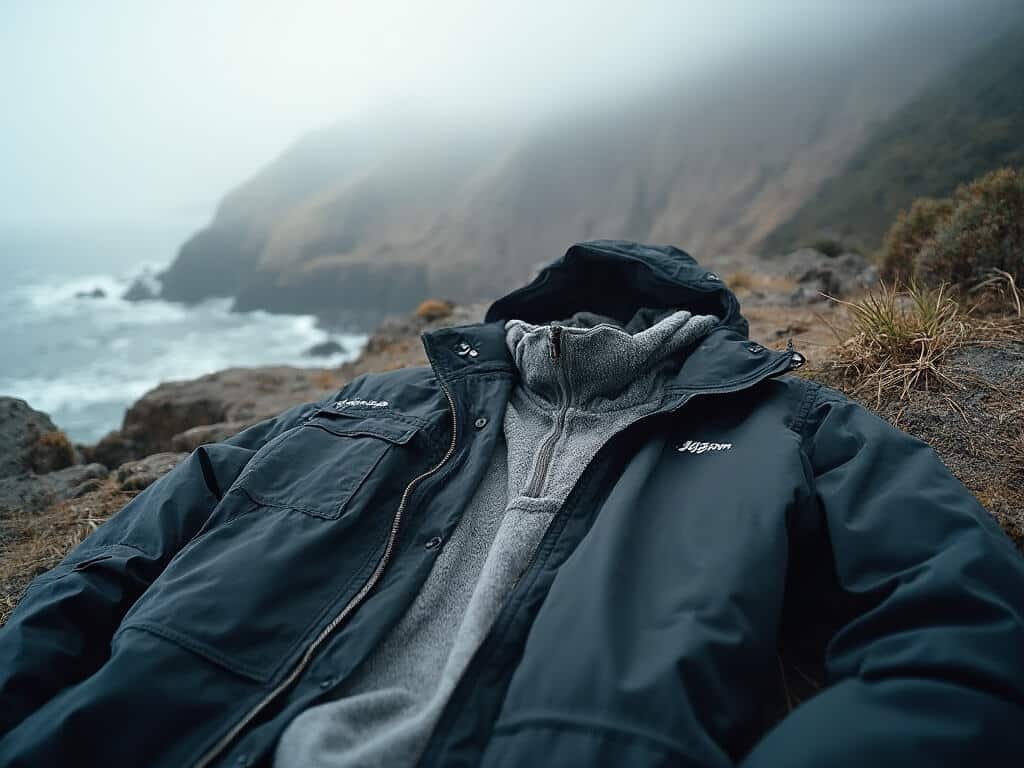
Accessories that matter more than you think:
- Lightweight scarf or buff for neck protection
- Thin gloves for early morning (you’ll look ridiculous without them)
- Beanie or warm hat for evening walks
- Proper walking shoes with grip (those boardwalks get slippery)
The beauty of this system is adaptability.
You’re not committed to being hot or cold—you’re equipped to adjust throughout the day as conditions shift.
I watched a couple last January struggle through three days in inadequate clothing before finally buying proper gear. They spent roughly $200 replacing what they should have packed initially, turning a budget-conscious trip into an expensive lesson.
The packing mistake that ruins trips:
Bringing only heavy winter coats or only light jackets.
January in Monterey demands the ability to layer up and strip down as you move between windy exposed coastline and sheltered downtown areas.
That flexibility transforms your experience from “suffering through the weather” to “adapting to conditions like a local.”
Activities That Actually Get Better in January (Despite What Tourism Boards Tell You)
The tourism industry sells Monterey as a summer destination.
They’re leaving money on the table by ignoring what January uniquely offers.
Wildlife viewing reaches peak conditions:
Grey whales migrate through Monterey Bay from December through March, with January offering prime viewing windows. Sea otters don’t take winter holidays—they’re visible year-round, but you’ll get better viewing opportunities without summer hordes blocking the railings.
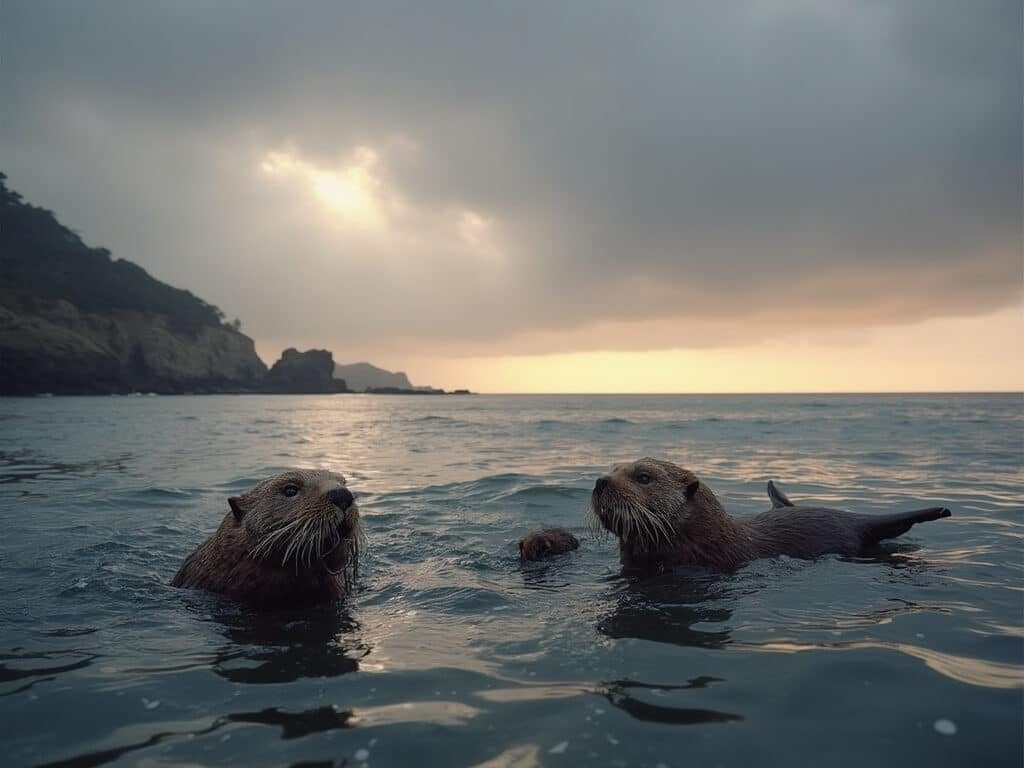
Harbor seals congregate in larger numbers during winter months, particularly around Hopkins Marine Station and various haul-out sites along the coast.
Photography opportunities multiply:
- Dramatic storm clouds create lighting conditions that summer’s flat blue skies simply cannot match
- Morning fog banks roll through with cinematic density
- The lower sun angle during January creates longer golden hour periods
I’ve taken some of my best coastal photographs in January specifically because the weather adds character that perfect conditions would eliminate.
Indoor attractions become actually enjoyable:
The Monterey Bay Aquarium, normally packed shoulder-to-shoulder in summer, becomes navigable in January. The same applies to Cannery Row shops, galleries, and museums—everything breathes easier with reduced visitor numbers.
17-Mile Drive transforms:
Summer brings bumper-to-bumper traffic and crowded overlooks. January delivers the same stunning scenery with a fraction of the vehicles.
Hiking conditions improve for cold-weather enthusiasts:
Point Lobos State Natural Reserve becomes accessible without advance reservations. Trails stay in great condition unless it’s raining, and cooler temps are more hike-friendly.
Wine tasting rooms in nearby Carmel Valley:
January is shoulder season, meaning better service, more attention, and often special pricing. It’s only a 20-minute drive from Monterey.
What doesn’t work well in January:
- Beach lounging
- Outdoor dining on patios
- Swimming without wetsuits
- Long sunset viewing sessions
- Spontaneous outdoor plans without weather backup options
Visit the average weather in Monterey year-round page to better visualize the month-by-month breakdown.
The Accommodation Strategy Nobody Shares (But Should)
January pricing creates opportunities that don’t exist during peak season. Hotels and vacation rentals drop rates significantly—we’re talking 30-50% reductions compared to July or August pricing.
Strategic booking approach:
- Book accommodations with flexible cancellation policies
- Prioritize locations within walking distance of indoor activities
- Choose places with proper heating and insulation
Location considerations that matter more in January:
- Proximity to cafés for morning coffee
- Access to covered parking
- Walking distance to multiple restaurants
- Views that remain appealing in grey weather
I made the mistake of booking a “charming cottage” slightly outside town to save $40 per night. The savings evaporated in Uber costs and frustration. Downtown accommodation delivers exponentially better value in January.
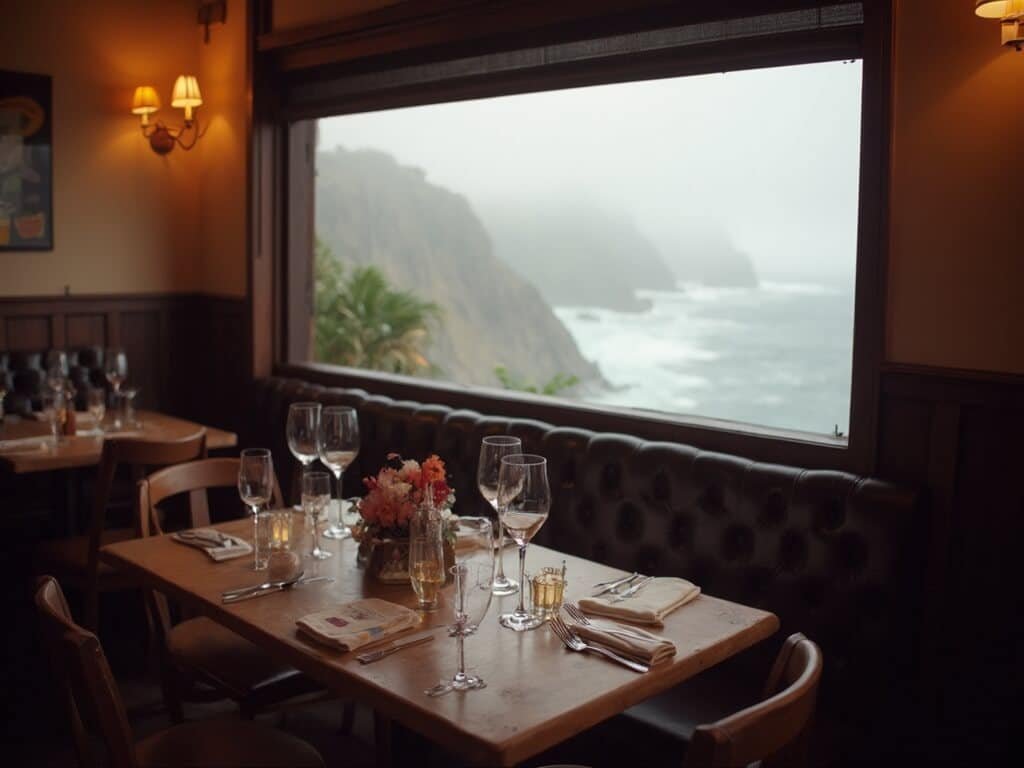
The breakfast question:
Hotels including breakfast provide massive value in January.
Smart accommodation timing:
- Book midweek rather than weekends
- Tuesday through Thursday offers best pricing and lowest crowds
Making the 10-Hour Daylight Window Work For You (Instead of Against You)
That sunrise-to-sunset window from 7:17 AM to 5:15 PM demands structure.
The itinerary framework that maximizes January days:
- 7:00-8:30 AM: Breakfast and departure, best lighting
- 9:00 AM-12:00 PM: Main outdoor objective
- 12:00-1:30 PM: Warm up and regroup over lunch
- 1:30-4:00 PM: Shorter outdoor activities
- 4:00-5:15 PM: Transition indoors
- 5:15 PM onward: Indoor activities and dining
The UV protection paradox:
Despite cool weather, UV exposure remains high. Pack SPF 30+, sunglasses, and wide-brimmed hats.
The Food Scene Advantage Nobody Mentions
January transforms Monterey’s dining landscape. Reservations become walk-in accessible. Service improves. Menus shift to seasonal specials.
Why the dining scene improves off-season:
- More attentive service
- Consistent food quality
- Local seafood remains fresh
- Chefs experiment with winter menus
Strategic dining considerations:
- Reserve 6:00-6:30 PM spots
- Stay within walking distance of your accommodation
- Choose warm, well-insulated restaurants
Backup dining plans:
- Identify second options in advance
- Stock easy food at your accommodation
- Use delivery options on heavy rain days
What the Weather Data Doesn’t Tell You (But Your Trip Depends On)
Microclimates create wild variations:
Temps vary 5-15 degrees between coastal spots and inland zones like Carmel Valley.
The marine layer reality:
Morning fog brings dampness that feels colder than temps suggest. Dress accordingly.
Wind patterns shift:
- Calmer mornings
- Wind builds in afternoons
- Evenings stay chilly due to humidity
Rain arrives in patterns:
Often in short bursts. Use hourly forecasts to dodge it intelligently.
Ocean conditions influence everything:
Expect cooler temps and dramatic swells. High tides can restrict access.
Weather app limitations:
Use marine and multiple forecasts for a full picture.
Humidity factor:
Wicking layers become essential. Fog-soaked cotton remains wet and cold.
The Honest Truth About Whether January Is Worth It
January works brilliantly if you:
- Value authentic, uncrowded experiences
- Appreciate nature and wildlife
- Don’t mind structured planning
Fails miserably if you:
- Expect summer beach vibes
- Don’t prepare for cold and wet conditions
- Want spontaneous outdoor freedom
Expectation alignment is key.
Monterey in January is a dramatically different experience from summer. And that’s a good thing—if you’re prepared.
Budget travelers take note:
Lower rates on lodging, flights, and activities make January a hidden gem month.
Your January Monterey Game Plan (If You Decide It’s Right for You)
- Eight weeks before: Book flex lodging, research indoor options
- Four weeks before: Confirm clothing and shoe readiness
- One week before: Adjust itinerary to forecast
- Day of arrival: Get local updates, grocery run, rest
- Daily routine: Start by 9 AM, carry layers, end by 4:30 PM
Packing checklist essentials:
- ☐ Waterproof jacket
- ☐ Fleece/down mid-layer
- ☐ Moisture-wicking base layers
- ☐ Walking shoes with grip
- ☐ Gloves, beanie, scarf
- ☐ Sunscreen and sunglasses
- ☐ Compact umbrella
Common mistakes to avoid:
- Underestimating wind/humidity effects
- Booking remote lodging to save a little
- Wearing cotton base layers
The Bottom Line on Monterey in January
January in Monterey isn’t a lesser version of summer—it’s a different destination entirely. It rewards preparation, realistic expectations, and a willingness to embrace winter’s raw coastal beauty.
Just pack the damn waterproof jacket.
Monterey in January is mild and occasionally rainy, with highs in the upper 50s. It is a calm month for the coastline, with comfortable afternoons for walking the path.