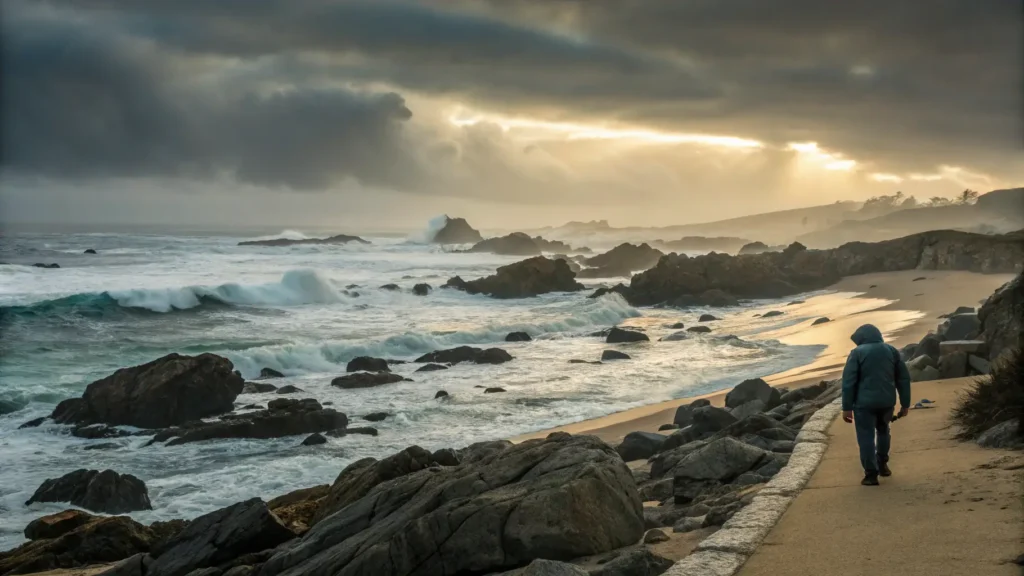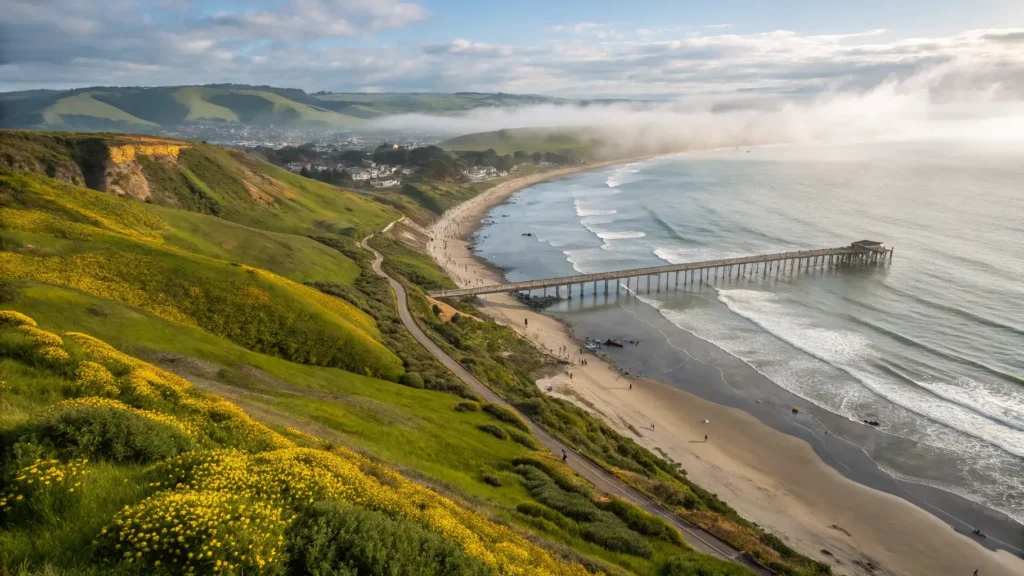
I visited Monterey in March and found the afternoons mild enough for a light jacket while the mornings still needed a layer. Highs reached the low 60s, and the rain tapered off enough for longer walks past the old cannery row.
You’re probably googling “Monterey March weather” right now, wondering if you should book that trip or wait until summer.
I get it.
March doesn’t scream “beach holiday” like July does.
But here’s the thing: March in Monterey is actually one of the most underrated times to visit, as long as you know what you’re walking into.
The Weather Reality Check That’ll Save Your Trip
Let me be blunt about Monterey’s March weather.
You’re looking at daytime highs around 60-61°F and nighttime lows dropping to 48-49°F.
That’s cardie weather during the day and proper jacket weather once the sun dips.
The ocean breeze makes everything feel about five degrees cooler than the thermometer suggests.
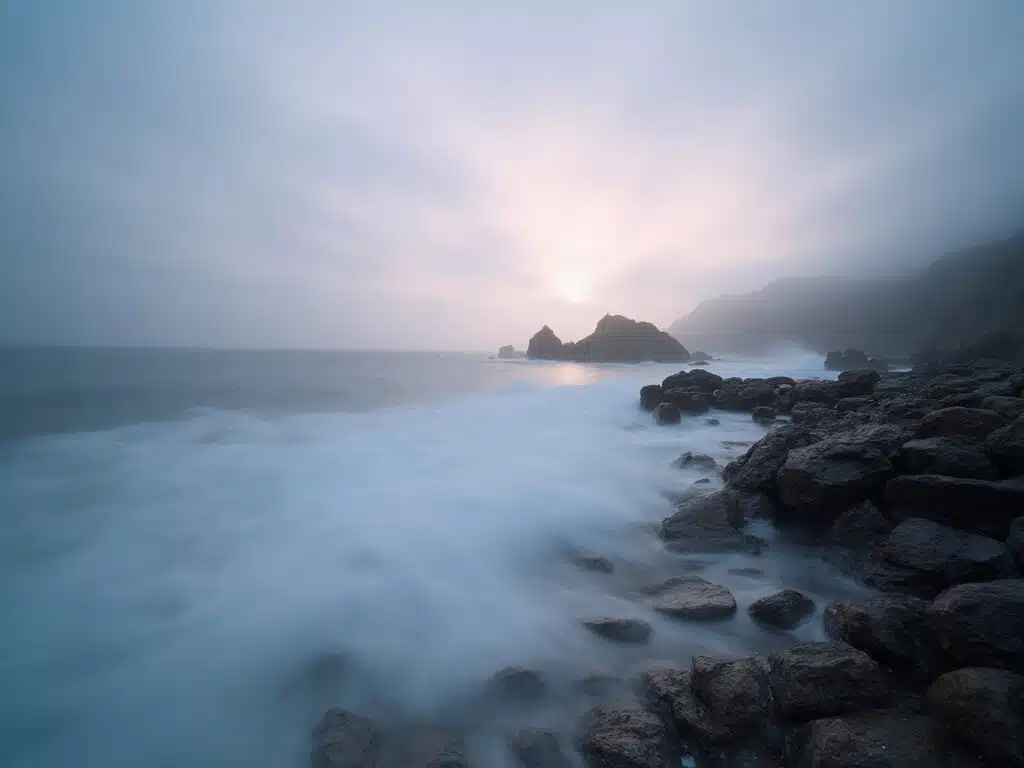
March sits right at the tail end of the rainy season, which means you’ve got a 24% chance of rain on any given day.
That’s roughly one in four days.
The month typically sees about 3.5 inches of total rainfall spread across five rainy days.
But here’s what the weather websites don’t tell you: early March and late March feel like completely different seasons.
Early March (1st-15th):
- Cooler temperatures averaging 58°F
- Higher chance of rain
- More winter-like conditions
- Fewer crowds
Late March (16th-31st):
- Warmer temps pushing toward mid-60s
- Drier conditions
- Spring finally showing up
- Slightly busier attractions
The daylight situation is pretty solid though.
You’ve got nearly 12 hours of daylight to work with, from sunrise around 6:52 AM to sunset at 6:47 PM.
That’s plenty of time to explore without feeling rushed.
Key takeaway: March is transitional, which means wildly unpredictable. You might get gorgeous sunny days or grey drizzly ones. Sometimes both in the same afternoon.
Why Your Packing List Is Probably Wrong
Most people either overpack or show up completely unprepared for Monterey in March.
I learned this the hard way three years ago when I visited in mid-March wearing a light jumper and trainers, thinking “California = warm weather.”
Spent the first evening shivering on Cannery Row whilst my partner smugly wore the jacket I’d mocked her for bringing.
Never making that mistake again.
Here’s what actually works:
The Layer System (this is non-negotiable):
- Base layer: light long-sleeve shirt or thermal
- Mid layer: fleece or chunky knit jumper
- Outer layer: windproof jacket (not just wind-resistant, properly windproof)
- Waterproof shell: packable rain jacket that doesn’t take up half your suitcase
The bits everyone forgets:
- Scarf or neck warmer (that coastal wind is sneaky)
- Beanie or hat for morning/evening walks
- Sunglasses (yes, even if it’s cloudy)
- SPF 30+ sunscreen (UV index is moderate but still there)
Footwear reality:
Forget sandals. Forget flimsy trainers.
You need proper walking shoes with decent grip and water resistance.
The coastal paths get damp from morning fog even when it hasn’t rained.
Plus you’ll be walking way more than you think.
The temperature swing from day to night is about 12-13 degrees.
That means comfortable at 2 PM and properly cold by 8 PM.
Layers aren’t optional, they’re survival gear.
One more thing: that breeze off Monterey Bay isn’t a gentle sea breeze.
It’s a proper wind that cuts through thin fabrics like they’re not even there.
Your “light jacket” from home probably won’t cut it.
The Secret Sweet Spot That Changes Everything
Right now you’re probably thinking March sounds a bit rubbish for a beach town.
Wrong.
March is when Monterey sheds its tourist skin and shows you what locals actually love about living here.
The weather uncertainty keeps away the summer crowds, which means:
- You can actually get dinner reservations without booking weeks ahead
- Cannery Row is walkable without playing human dodgems
- The Monterey Bay Aquarium isn’t packed with school groups (they usually hit in April-May)
- Hotel prices haven’t hit their summer peak yet
But here’s the real magic: wildlife.
March sits right in the middle of grey whale migration season.
These massive creatures are heading north from Baja California to Alaska, and they pass right by Monterey’s coastline.
You don’t need a boat tour (though they’re brilliant if you want one).
You can spot whale spouts from various coastal viewpoints on clear days.
The elephant seals are still hanging about too.
March is breeding season at places like Año Nuevo, which means you’ll see massive bulls fighting for territory and adorable pups learning to swim.
It’s proper nature documentary stuff happening right in front of you.
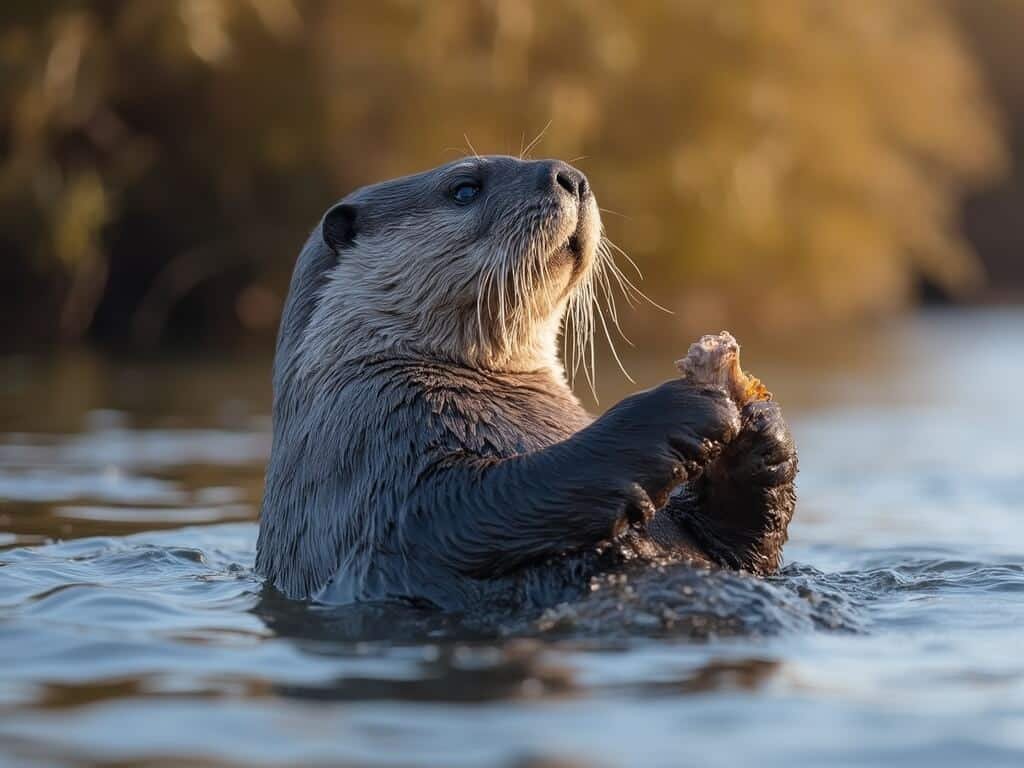
Sea otters don’t care what month it is.
They’re out there year-round, floating on their backs, cracking shellfish on their bellies, being unreasonably cute.
Moss Landing is particularly brilliant for otter spotting in March.
What’s actually happening in Monterey during March:
- Spring festivals start ramping up toward month’s end
- Outdoor markets begin their seasonal schedules
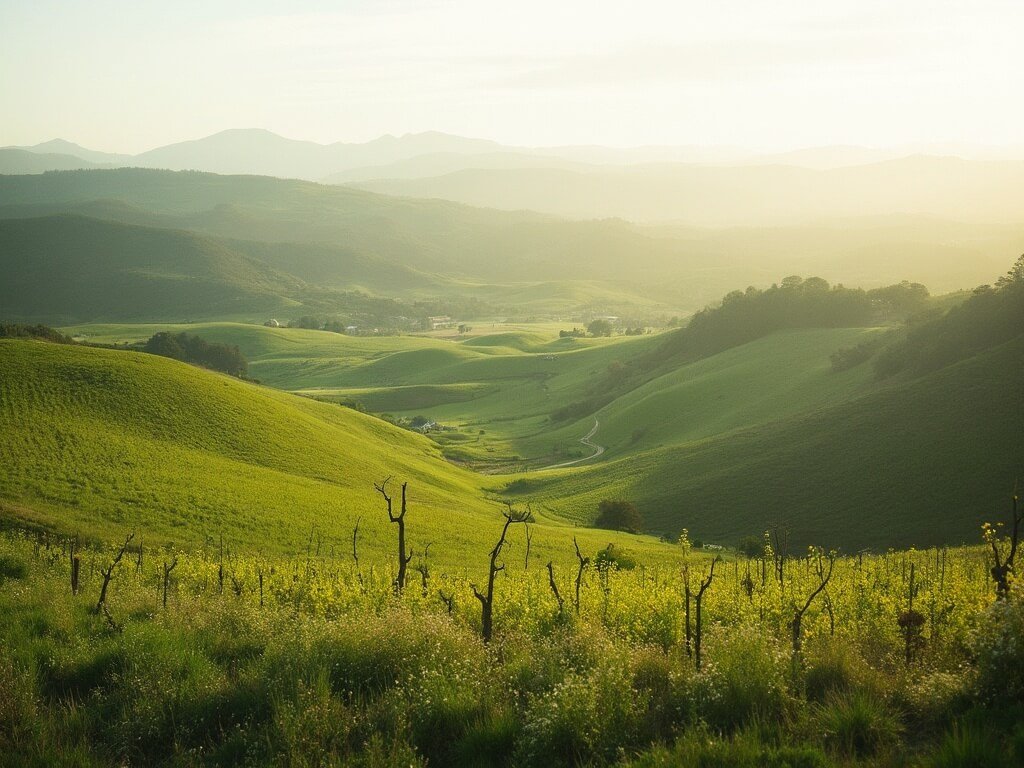
- Hiking trails are lush and green (but potentially muddy)
- Wine tasting rooms in Carmel Valley are quieter
- Restaurant patios start opening for lunch service
The 11.9 hours of daylight gives you proper time to explore without feeling rushed.
Sunrise comes late enough that you don’t need to be a morning person.
Sunset timing is perfect for that golden hour photography along the coast.
I’ve visited Monterey in both March and July.
July has better weather, sure.
But March has better Monterey.
It’s the difference between visiting a tourist attraction and experiencing an actual place where real people live.
When Exactly Should You Book (And Why It Matters)
Timing your March visit isn’t just about checking a calendar.
If you’re targeting late March (after the 20th), you’re essentially getting early spring conditions with significantly better weather odds.
The rain probability drops.
Temperatures creep up a few degrees.
Outdoor venues start their spring schedules.
But you’ll pay for that privilege.
Accommodation prices start climbing as you get closer to April.
Spring break crowds from nearby California universities begin filtering in.
Early March (before the 15th) is the gamble play:
- Cheapest accommodation rates
- Emptiest attractions
- Most authentic local experience
- But also highest chance of grey, wet days
Mid to late March (15th-31st) is the safer bet:
- Weather trending warmer and drier
- Still cheaper than April onwards
- Spring activities beginning
- Slight uptick in visitors but nothing like summer
Here’s something nobody mentions: March weather in coastal Monterey versus inland areas like Carmel Valley is dramatically different.
Coastal areas stick around 61°F.
Inland spots hit high 60s, sometimes low 70s.
That means if you wake up to grey skies and drizzle on the coast, you can drive 20 minutes inland and find completely different conditions.
It’s like having a weather escape hatch built into your trip.
Weather variability checklist:
- Check the forecast daily, not just before you leave
- Have both indoor and outdoor activity options planned
- Book accommodation with flexible cancellation if possible
- Keep an eye on marine forecasts if you’re planning boat tours
The transitional nature of March means you could experience:
- Warm sunny days that feel like summer arrived early
- Cool grey days that remind you winter just left
- Everything in between, sometimes in the same day
That unpredictability is exactly why March works if you’re flexible.
It filters out the rigid planners who need guaranteed sunshine and leaves room for people who can adapt on the fly.
Planning a March trip to Monterey requires a different mindset than summer travel, where you can reliably count on certain conditions and pack accordingly.
For more on the bigger picture of California in March, check out our full guide here: California in March.
The Activities Nobody’s Talking About (That’ll Make Your Trip)
Everyone hits the same spots in Monterey.
Aquarium. 17-Mile Drive. Cannery Row. Fisherman’s Wharf.
All brilliant, don’t get me wrong.
But they’re also the places where whatever crowds exist in March will congregate.
The real Monterey in March reveals itself in the overlooked corners.
Point Lobos State Natural Reserve becomes something special in March.
The trails are empty compared to summer.
The wildflowers are just starting to emerge.
The clarity after rain makes the turquoise coves look like they’ve been photoshopped.
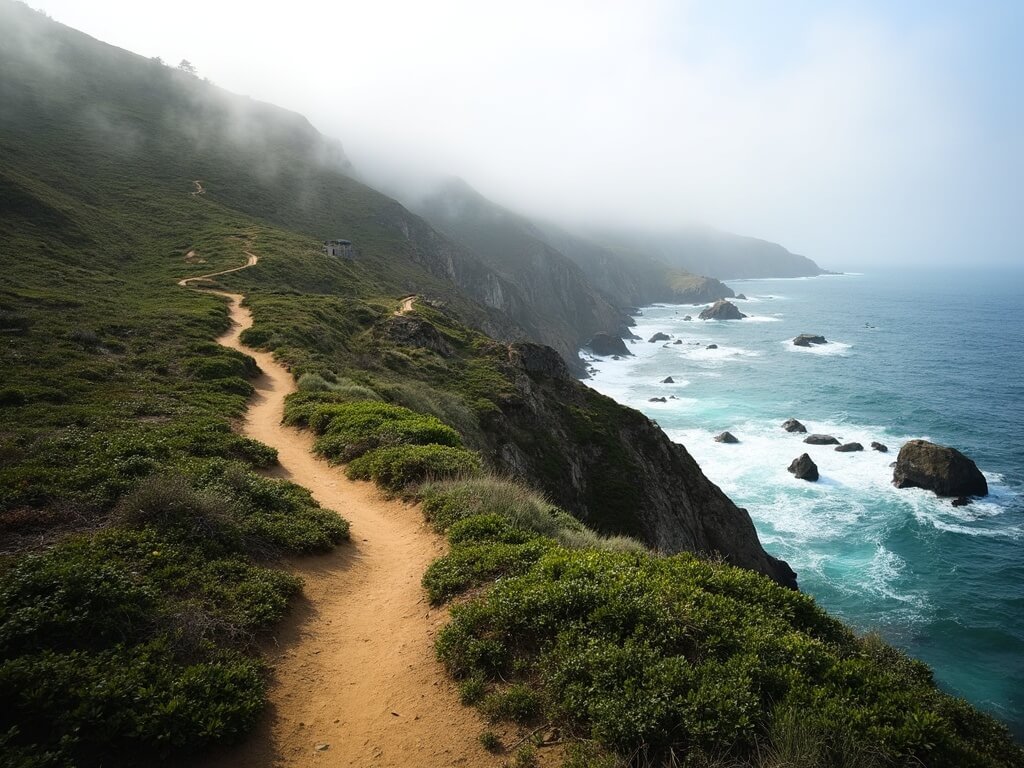
I spent four hours there last March and saw maybe twenty other people total.
Compare that to my July visit where the car park was rammed by 10 AM and the main trails felt like a queue at the post office.
The tide pools along Asilomar State Beach are at their best in March.
Lower spring tides expose sections that stay underwater most of the year.
You’ll find sea stars, anemones, hermit crabs, and if you’re lucky, the occasional octopus hiding in rock crevices.
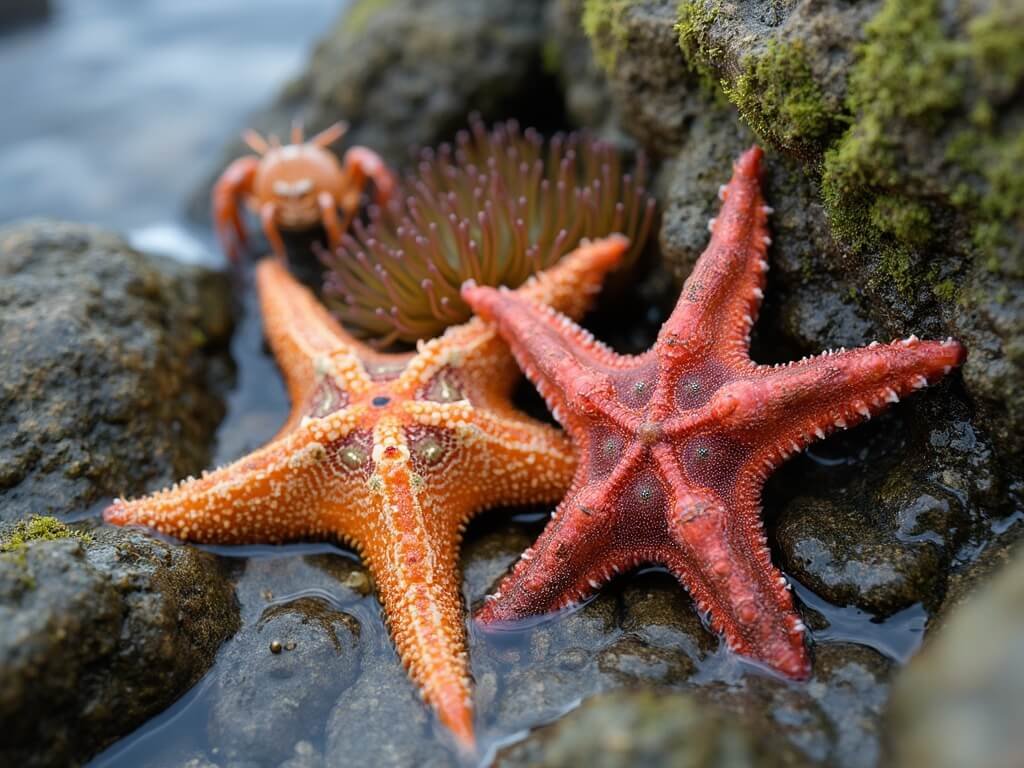
Just check the tide tables first.
Low tide is when you want to go, obviously.
And be respectful – look but don’t touch, and never remove anything.
Wine tasting in Carmel Valley is criminally underrated in March.
The valley sits inland where temperatures run warmer and sunnier than the coast.
Most tasting rooms have outdoor spaces that are actually usable this time of year.
The crowds are minimal because tourists haven’t discovered this is prime season yet.
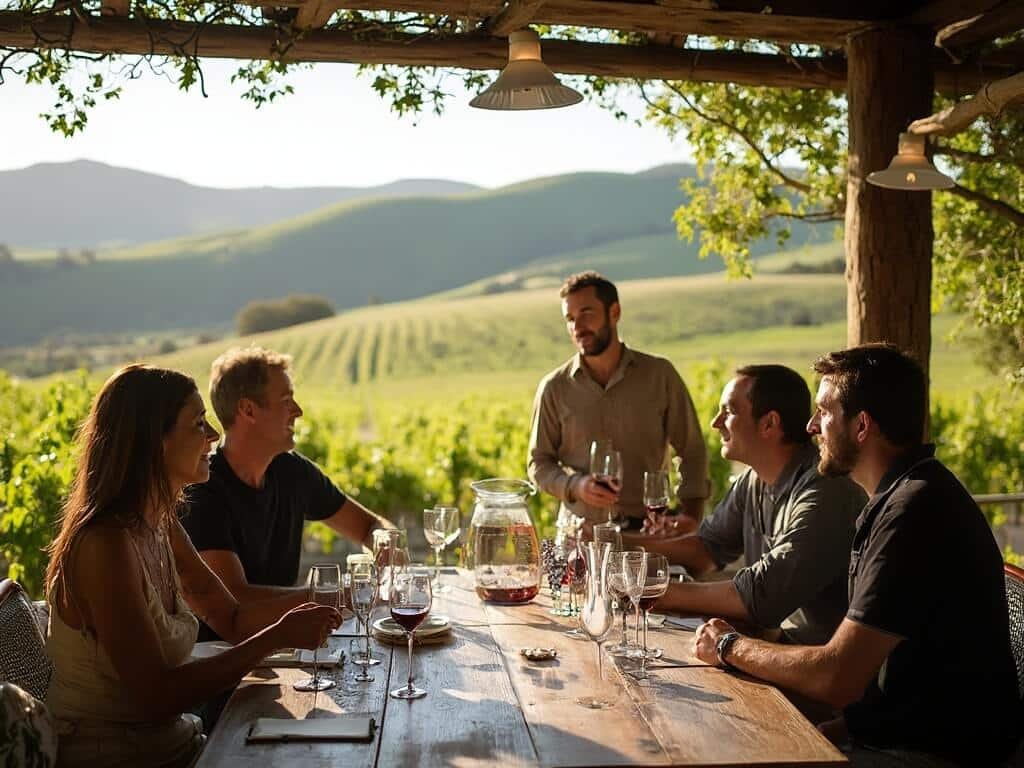
I stumbled into Bernardus Winery one drizzly March afternoon thinking it’d be dead.
Ended up having a private tasting with the winemaker who had time to actually chat because they weren’t slammed.
That doesn’t happen in July.
The lesser-known trails:
- Jack’s Peak County Park: highest point on the Monterey Peninsula, brilliant views when clear
- Garland Ranch Regional Park: 4,500 acres in Carmel Valley, multiple trail options
- Jacks Peak to Skyline Trail: moderate difficulty, wildflowers emerging in March
These trails have something summer trails don’t: mud.
Which sounds rubbish but actually means you’ll have them nearly to yourself.
Fair-weather hikers stay away, leaving the good bits for those willing to get their boots dirty.
The indoor backup plan (because you’ll need one):
- Pacific Grove Museum of Natural History (small but excellent, free admission)
- National Steinbeck Center in Salinas (20 minutes away, worth the drive)
- Monterey Museum of Art (two locations, both quiet in March)
- The various galleries along Cannery Row and downtown Monterey
The key is having a flexible itinerary.
Morning looks grim? Start with museums and galleries.
Sun breaks through at lunch? Pivot to outdoor activities.
Evening turns clear? Hit the coastal trails for sunset.
This adaptability separates good March trips from brilliant ones.
The Food Scene When Nobody’s Looking
March in Monterey does something interesting to the restaurant scene.
The summer tourist prices haven’t kicked in yet.
But the spring ingredient season is starting.
Which means you get better value and seasonal menus that actually mean something.
Dungeness crab season runs through March (it ends in April).
This is when you want to order anything with local crab.
Fresh-caught, sustainable, and at its peak quality.
Artichokes come into season in March.
Castroville, the “Artichoke Center of the World,” is just up the road.
Local restaurants do incredible things with fresh artichokes during this window.
The local abalone farming operations provide year-round supply, but March is when restaurants start featuring it more prominently on spring menus.
Where to eat when it’s actually local (not the tourist traps):
- Monterey’s Fish House
- Passionfish in Pacific Grove
- Crystal Fish in Monterey
- Wild Plum Cafe in Monterey
The farmers markets are just starting their spring schedules in March.
Monterey Peninsula College Farmers Market runs Fridays (weather permitting).
Old Monterey Marketplace starts up late March.
Coffee culture heads-up:
- Alvarado Street Brewery & Grill – Yes, they do coffee
- Monterey Bay Coffee Company – Local beans, great vibes
- Lola’s Market Cafe – Coffee and real food
The restaurants with outdoor seating start opening their patios for lunch service in late March when weather cooperates.
The Money Reality That Changes Your Budget
Let’s talk about what March actually costs compared to other months.
Average price fluctuation (same hotel, same room type):
- January-February: baseline pricing
- March: 10-15% above winter baseline
- April: 25-30% increase from winter
- May-September: 40-60% increase from winter
- October: drops to March levels
- November-December: back to baseline
March sits in this sweet spot where prices have ticked up from winter but haven’t hit the spring/summer surge yet.
The hidden costs people forget:
- Parking
- Attraction entry fees
- Wine tastings
- Boat tours for whale watching
But March offers cost advantages:
– Restaurants have lower demand
– Shoulder-season discounts
– Rental car rates are lower
– Less competition for everything
Budget breakdown for a realistic March trip (per person, 4 nights/5 days):
- Accommodation: £400-500
- Food: £200-300
- Activities: £150-200
- Transport: £100-150
- Miscellaneous: £100
Total: £950-1,250 per person
What Your Accommodation Choice Actually Means
Where you stay in Monterey during March matters more than summer.
Coastal properties: more fog, wind, but walkable
Inland options: warmer, quieter, need a car
The middle ground: more balanced
Accommodation features that matter in March:
- In-room heating
- Coffee maker
- Flexible check-in/check-out
- On-site parking
The Social Reality Most Visitors Miss
March travelers in Monterey are a different breed than summer tourists.
The unexpected March visitor types:
- Wildlife photographers
- Birding enthusiasts
- Wine tourists
- Writers and artists
- Retirees
- Europeans embracing the 60°F air
The Environmental Angle That Actually Matters
Visiting Monterey in March isn’t just about what you get out of it.
It’s about what you’re not taking away.
Learn more about average weather conditions in Monterey during March and use this seasonal weather guide for planning your Monterey trip.
What You Need To Know Before You Book
Checklist before booking:
- Can I be flexible with daily plans?
- Am I comfortable with cooler temperatures and possible rain?
- Do I prefer authentic experiences over guaranteed weather?
- Am I interested in wildlife and nature?
- Is saving money compared to peak season a priority?
The Verdict On Monterey in March
It’s not perfect weather.
It’s not guaranteed sunshine.
It’s not the stereotypical California beach holiday you’ve seen in films.
But it’s real.
Monterey in March is mild and gradually warming. It is a comfortable month for the bay if you start after the cool morning air clears.
- Book accommodation with flexible cancellation
- Pack proper layers and rain gear
- Build flexible daily itineraries
- Research indoor and outdoor options
- Check marine forecasts
- Make restaurant reservations
- Download offline maps
- Bring a good camera
Related Reading:
- Free Things To Do in Monterey
- California in March
- Santa Cruz in March
- Santa Monica in March
- Things To Do in Central California
See also: Find Top Jobs at California – Career Opportunities