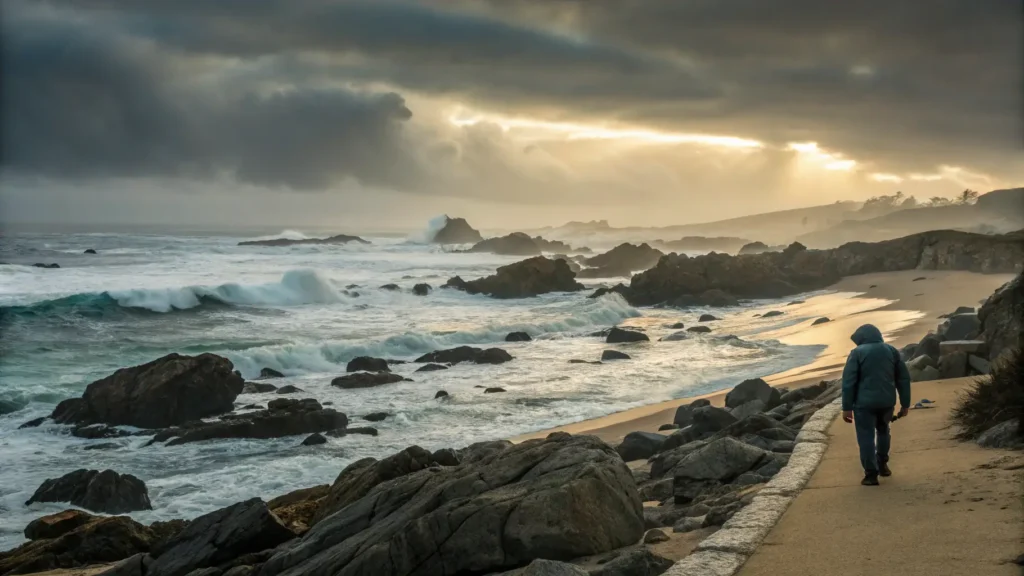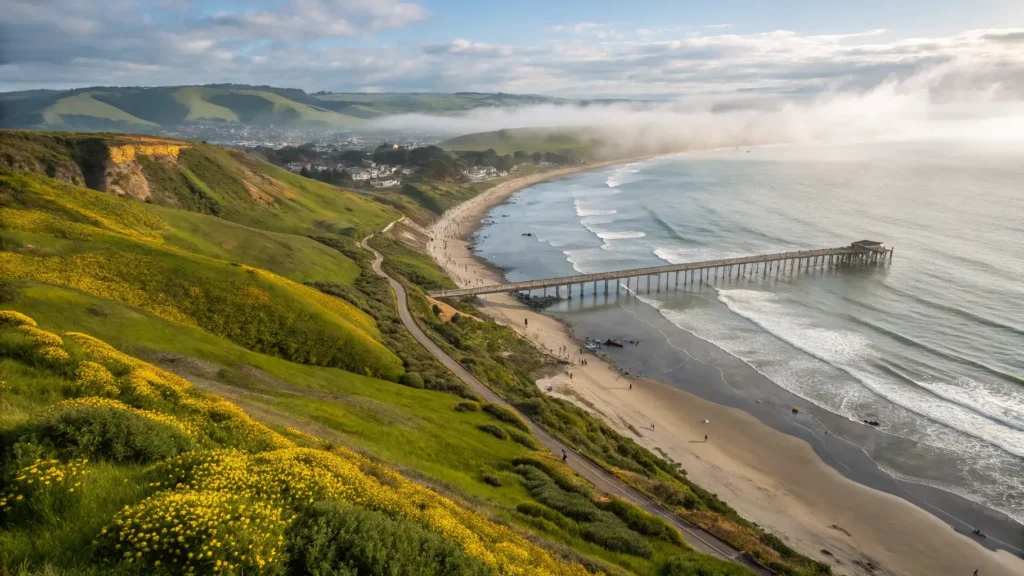
I have found April in Monterey to be one of the most comfortable months, with highs in the mid 60s and more sunny days than not. The marine layer shows up less often than in early spring, which makes the bay views clear.
I learned this the hard way three years ago when I booked a supposedly ‘romantic’ April weekend in Monterey without checking the weather forecast.
Packed nothing but t-shirts and shorts like an absolute muppet.
Spent the first day shivering on Cannery Row until I ducked into a tourist shop and bought an overpriced fleece.
Best accidental purchase ever, because that jacket became my constant companion for the entire trip.

The Temperature Reality Nobody Warns You About
Here’s what you actually need to know about Monterey’s April temperatures.
Daytime highs hover around 62°F (17°C), which sounds pleasant enough on paper.
But here’s the kicker: nighttime temperatures plummet to roughly 49°F (10°C).
That’s a 13-degree swing between lunch and dinner.
What this means for your packing list:
- Light layers are your best friend
- A proper jacket isn’t optional, it’s essential
- Those sandals? Leave them at home
- Bring closed-toe shoes and a light jumper minimum
The weather stays pretty consistent throughout April, though late April does warm up slightly compared to early April.
Don’t expect dramatic day-to-day changes, but do expect that moderately chilly, breezy character that defines the month.
The coastal location means you’re dealing with maritime weather patterns.
The Pacific Ocean acts like a massive air conditioner, keeping temperatures moderate but also adding a persistent coolness that indoor thermometers never quite capture.
Key takeaway: Think British spring weather, not California sunshine. Dress accordingly.
When Rain Actually Matters (And When It Doesn’t)
The rain situation in Monterey during April is honestly pretty manageable.
You’ve got only a 13% chance of rain on any given day, which translates to about 3 rainy days across the entire month.
That’s roughly 39.3mm of total precipitation.
When it does rain, we’re talking light drizzle averaging 0.38 inches per rainfall event.
Not the dramatic thunderstorms you might fear.
Thunderstorms are actually quite unlikely during this period, so you can stop imagining yourself trapped in some dramatic coastal storm scene.
Here’s the comparison that matters:
- December in Monterey? Significantly wetter
- March? Still quite damp
- April? Transitional sweet spot
- May? Even drier at 0.25 to 0.5 inches total
April sits right at that turning point where winter’s wetness fades but summer’s bone-dry conditions haven’t quite arrived.
The spring showers that do occur have a massive upside though.
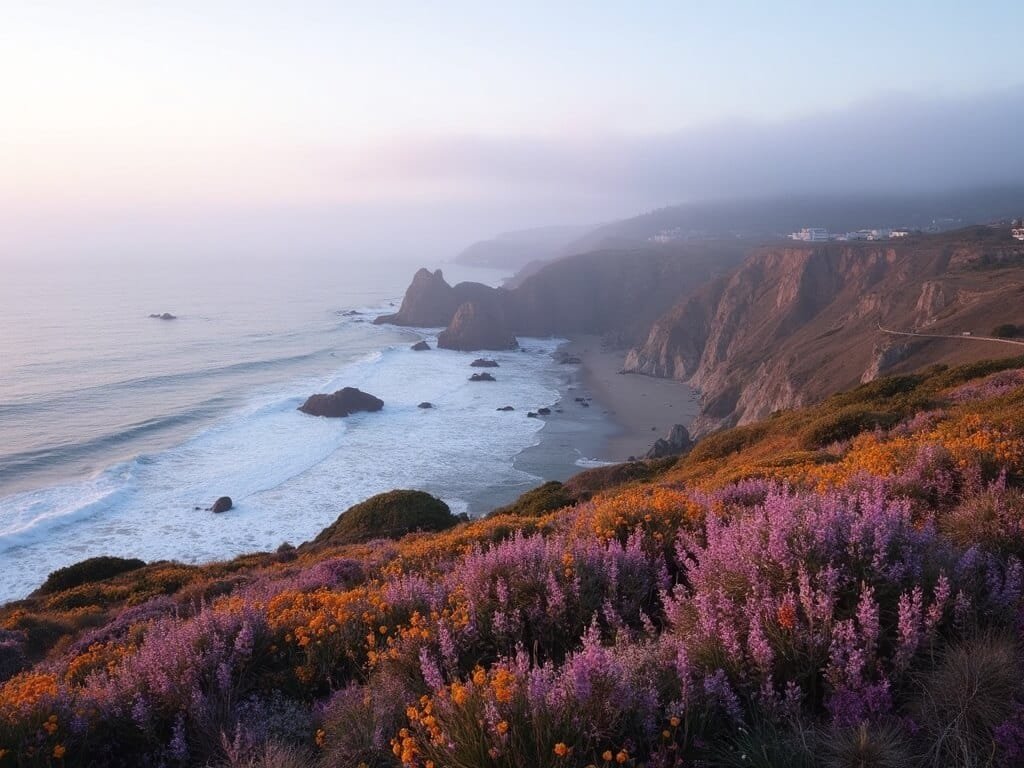
They create absolutely stunning wildflower displays throughout the region’s parks and hiking trails.
Those Instagram-worthy purple lupines and orange California poppies blanketing the hillsides? That’s April rainfall working its magic.
I’ve hiked the same trails in June and April, and honestly, the April version wins every time for sheer visual drama.
Everything’s still green and lush, whereas summer trails can look disappointingly brown and crispy.
Practical rain advice:
- Pack a lightweight waterproof jacket
- Keep an umbrella in your car
- Don’t cancel outdoor plans over forecast drizzle
- Rain boots are overkill unless you’re planning serious muddy hikes
The light precipitation rarely ruins plans but does keep the landscape looking fresh and vibrant.
The Wind Factor Everyone Forgets About
Light breezes are the norm in Monterey during April.
The wind occasionally picks up, but you won’t encounter those aggressive gusts that blow your hat into the ocean or turn your carefully styled hair into a bird’s nest.
What you will notice is how those moderate breezes combine with the 62°F temperatures to create a surprisingly cool sensation.
This isn’t just meteorological nitpicking—it genuinely affects how you experience the weather.
Standing still in the sun at 62°F feels pleasant.
Walking along the waterfront with a 10-15 mph breeze? That feels more like 55°F.
Wind strategies:
- Windbreakers actually live up to their name here
- Outdoor restaurant seating requires proper layering
- Beach time needs more than just swimwear
- Hair ties are non-negotiable for long hair
The consistent air movement is actually one of Monterey’s charms though.
It keeps the air feeling fresh and prevents that stagnant, muggy feeling you get in landlocked locations.
The breeze carries that distinctive ocean scent—salt, kelp, and something indefinably Pacific.
Daylight Hours That Actually Work In Your Favour
April gives you approximately 13.1 hours of daylight to work with.
Sunrise happens around 6:34 AM, sunset near 7:40 PM.
This is brilliant for trip planning because you’re not racing against the clock.
Why this matters more than you think:
- Dinner reservations at 7 PM still have natural light
- Morning activities can start at a civilised hour
- Photography opportunities extend into early evening
- You don’t feel rushed fitting everything in
The extended daylight means you can do a full day at the Monterey Bay Aquarium, grab lunch, drive down to Big Sur for afternoon exploring, and still return before dark.
Try doing that same itinerary in December when sunset hits at 5 PM and you’re navigating Highway 1’s hairpin turns in the dark.
The UV index during April registers as moderate, which people often interpret as “no worries.”
Wrong.
Moderate UV still requires protection, especially given how reflective the ocean and sandy beaches are.
I once spent an entire April day kayaking in Monterey Bay, thought the overcast sky meant I was safe from sunburn, and ended up looking like a lobster.
Clouds don’t block UV rays nearly as much as people think.
Sun protection essentials:
- Broad spectrum SPF 30+ minimum
- Reapply every two hours (yes, really)
- UV-blocking sunglasses aren’t just fashion
- Wide-brimmed hats for extended outdoor time
The cloud cover does vary throughout April, with the fraction of overcast or mostly cloudy days decreasing as the month progresses.
Early April tends cloudier, late April tends clearer.
The Ocean Temperature Reality Check
Monterey’s ocean temperatures in April are… bracing.
Let’s not sugarcoat this.
The Pacific Ocean here doesn’t warm up like the Mediterranean or even Southern California beaches.
We’re talking cold water that makes you gasp when it hits your skin.
For swimming, you’ll want a wetsuit unless you’re one of those hardy souls who regularly does polar plunges.
Most people attempting ocean swimming without proper gear last about 90 seconds before scrambling back to shore.
Water activities breakdown:
- Kayaking: Wetsuit recommended, especially for longer trips
- Surfing: Full wetsuit absolutely essential
- Beach wading: Tolerable but chilly
- Swimming: Only with proper thermal protection
The cold water isn’t a bug, it’s a feature though.
These frigid temperatures are exactly why Monterey Bay has such incredible marine life.
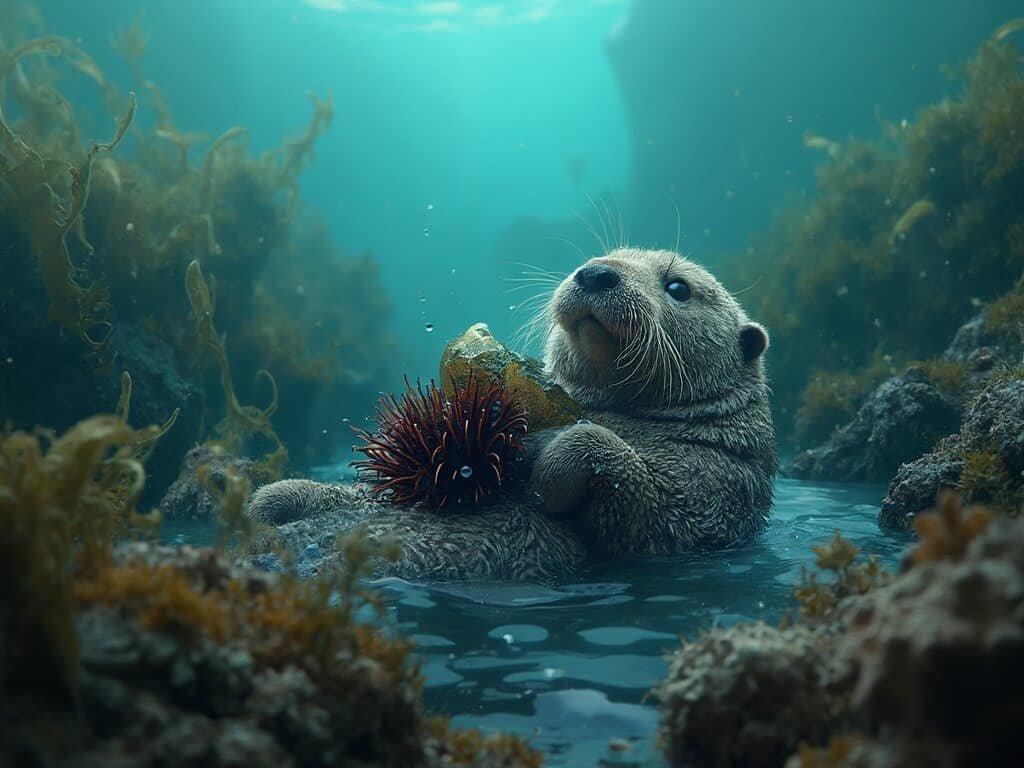
The cold, nutrient-rich waters support everything from sea otters to humpback whales.
When I first saw sea otters floating on their backs in the kelp forests, cracking open sea urchins on their bellies, the water temperature suddenly made perfect sense.
This isn’t a tropical resort ecosystem—it’s a thriving cold-water marine environment that happens to be extraordinarily accessible.
The water temperature does affect humidity and overall comfort levels on land too.
The ocean acts as a natural air conditioner, keeping coastal temperatures moderate but also adding moisture to the air.
Dew points fluctuate throughout the month, though they change more gradually than air temperature.
This creates that distinctive coastal morning fog that often burns off by midday, leaving clear afternoon skies perfect for exploring the shoreline or heading inland to wine country where temperatures run 10-15 degrees warmer.
Explore More:
What The “Growing Season” Actually Means For Your Visit
April falls squarely within Monterey’s growing season, and this isn’t just botanical trivia—it genuinely transforms your experience.
The accumulated growing degree days during April signal active spring development across the entire ecosystem. Plants are pushing out new growth. Wildflowers are exploding into bloom. Everything looks vibrant and alive in a way that summer’s drought-stressed landscape simply can’t match.
What you’ll actually see:
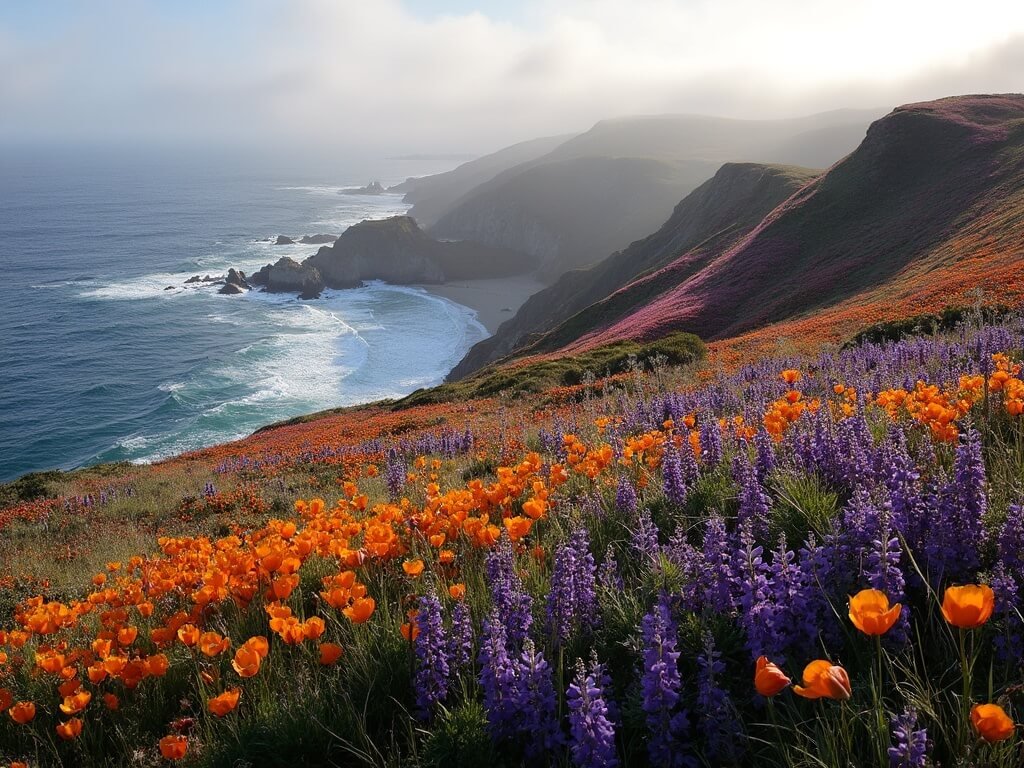
- Hillsides carpeted in purple lupine and orange poppies
- Coastal scrub plants showing fresh green growth
- Trees leafing out with new foliage
- Gardens and parks at peak lushness
Point Lobos State Natural Reserve in April versus August? Two completely different parks.
April gives you those iconic California postcard scenes—dramatic rocky coastline framed by wildflowers, cypress trees against impossibly blue sky, green hills rolling into the distance. August gives you brown hills, sparse vegetation, and that dusty summer look that’s beautiful in its own way but lacks that fresh spring energy.
The spring moisture combined with warming temperatures creates optimal conditions for everything from the Monterey pine forests to the wildflower meadows inland toward Carmel Valley.
I once planned a photography trip specifically for late April after seeing calendar photos of Big Sur in spring. Thought maybe they’d been Photoshopped or taken during some freak bloom year. Nope. That’s just what properly timed spring conditions deliver along this coastline.
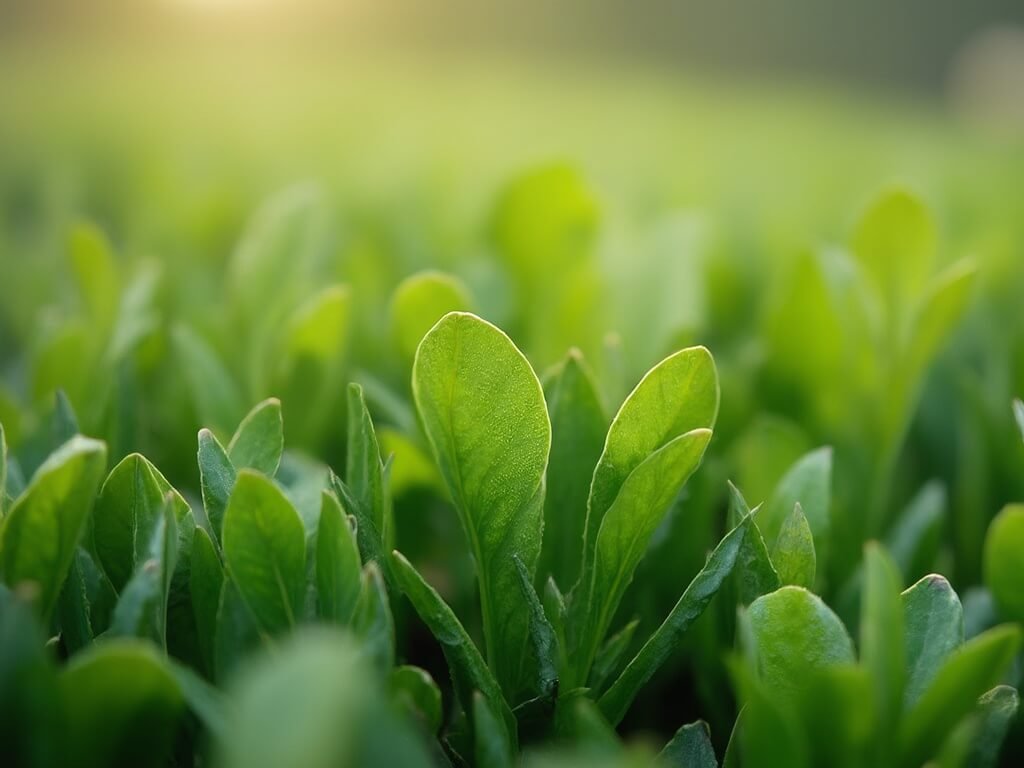
The trails at Garland Ranch Regional Park were so covered in wildflowers I kept stopping every fifty feet to take photos. What I thought would be a quick two-hour hike turned into a five-hour wildflower documentation session.
Hiking considerations:
- Trails can be muddy after spring rains
- Vegetation is still manageable before summer overgrowth
- Wildlife is particularly active during breeding season
- Tick season is starting, so check yourself afterward
The lush conditions also mean you’re dealing with more active wildlife. Ground squirrels are everywhere. Birds are nesting and therefore more visible and vocal. Marine mammals are active in the bay.
Which brings me to an important point about timing—April wildlife viewing rivals summer months without the crushing tourist crowds blocking your view at every scenic overlook.
The Humidity Situation Nobody Talks About
Monterey’s humidity in April does something interesting that affects how the temperature actually feels.
The dew point fluctuates throughout the month, but unlike temperature which swings dramatically between day and night, dew points change more slowly. This creates this consistent underlying moisture level in the air that affects everything from how cold you feel to how your hair behaves.
Practical humidity impacts:
- That 62°F daytime temperature feels cooler than inland 62°F
- Morning fog is common but usually burns off
- Your clothes take longer to dry than you’d expect
- Camera lenses fog up when moving between temperatures
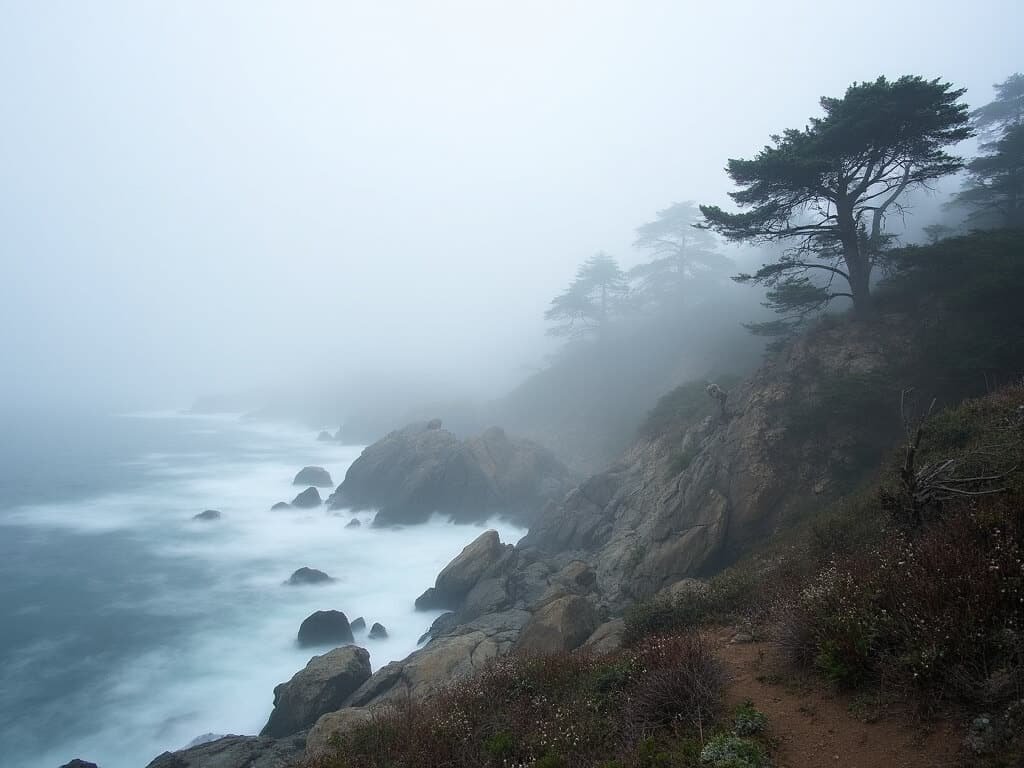
The maritime humidity isn’t oppressive like Gulf Coast summer humidity. It’s more like a persistent dampness that you stop noticing after a day or two.
Your skin will probably thank you for it though. Desert dwellers especially notice how much less moisturizer they need when spending time on the Monterey coast.
Fog strategy:
- Plan beach and coastal activities for afternoon when fog lifts
- Morning is perfect for inland activities (wine tasting, hiking interior trails)
- Don’t freak out if you wake up to grey skies—it’s temporary
- The fog creates dramatic photo opportunities as it rolls over hills
It’s all part of the Monterey weather by the seasons experience.
Why April Crowds (Or Lack Thereof) Change Everything
Here’s the thing nobody tells you about visiting Monterey in April: you’ve dodged basically all the major tourist madness.
Crowd comparison:
- July/August: Shoulder-to-shoulder at major attractions
- June: Getting busy but manageable
- April: Pleasantly populated without being overwhelming
- January/February: Dead quiet but wetter and colder
April gives you that sweet spot where you can actually enjoy attractions without the logistical nightmare of peak season crowds.
For more ideas during this blissfully quiet time, check out free things to do in Monterey.
Hidden April advantages:
- Local festivals and events without tourist mobs
- Actual locals are still visible downtown
- Small businesses have time for personalized service
- Photography opportunities without photobombers in every shot
The Temperature Layering Strategy That Actually Works
After multiple April trips to Monterey, I’ve finally nailed the layering strategy that handles the temperature swings without requiring a steamer trunk of clothing.
The formula:
- Base layer: Long-sleeve breathable shirt
- Mid layer: Light fleece or sweater
- Outer layer: Wind and water-resistant jacket
- Bottom half: Long pants (jeans work fine)
- Feet: Closed-toe shoes with socks
What doesn’t work:
- Shorts as your only bottom option
- T-shirts without a backup layer
- Fashion over function footwear
- Anything you’re not willing to get slightly damp
Microclimates make this even more important. You could start your day in foggy Pacific Grove, hit sunny Carmel Valley by lunch, and wind up in breezy Big Sur by dinner.
What The Weather Data Doesn’t Tell You About Planning
All the temperature charts and precipitation averages in the world can’t capture certain realities about April in Monterey that fundamentally affect trip planning.
Get a clearer sense of spring patterns from the Average Weather in April in Monterey.
The unpredictable elements:
- Fog patterns vary wildly day to day
- Wind can shift from calm to brisk within hours
- Coastal vs. inland conditions differ dramatically
- Microclimates create weather variations within miles
Smart planning approaches:
- Check hyperlocal forecasts for specific areas you’re visiting
- Build flexibility into your itinerary
- Have indoor backup plans ready
- Accept that “flexible layers” isn’t just advice, it’s survival strategy
For more seasonal travel context, explore California in April or check adjacent months like March and May.
The Real Cost Savings Of April Timing
Beyond the obvious hotel and airfare savings from traveling during shoulder season, April timing delivers hidden cost benefits that add up fast.
Where you actually save money:
- Restaurant reservations aren’t demanding premium time slots
- Attraction tickets sometimes offer shoulder season discounts
- Tours and activities have better availability and pricing
- Parking at paid lots is cheaper than summer peak rates
Budget optimization strategies:
- Book directly with hotels for best April rates
- Weekday visits save even more versus weekends
- Package deals become actually worthwhile
- Local businesses offer better value before summer inflation
Why The Weather Actually Enhances The Experience
Here’s my contrarian take: Monterey’s April weather makes the experience better, not worse.
Weather-activity alignment:
- Cool temperatures ideal for hiking without overheating
- Fog creates dramatic coastal photography
- Breezy conditions keep the air fresh along tourist-heavy areas
- Variable conditions make each day feel different
Unexpected weather benefits:
- Wildlife is more active in cooler temperatures
- You’re more comfortable walking long distances
- Food tastes better when you’re not sweating
- Photos have better lighting than harsh summer sun
The Bottom Line On Monterey In April
April delivers the complete Monterey experience at a massive discount with fewer crowds and arguably better conditions for the activities most visitors actually do.
The April trade-off:
- Give up: Perfect beach weather and guaranteed sunshine
- Get back: Half-price costs, minimal crowds, lush green landscapes, dramatic photography conditions, comfortable hiking weather
For more exploration ideas, browse things to do in Central California.
Monterey in April is mild and mostly dry. Plan active outings for midday, when the morning fog has cleared and the temperature is most comfortable.