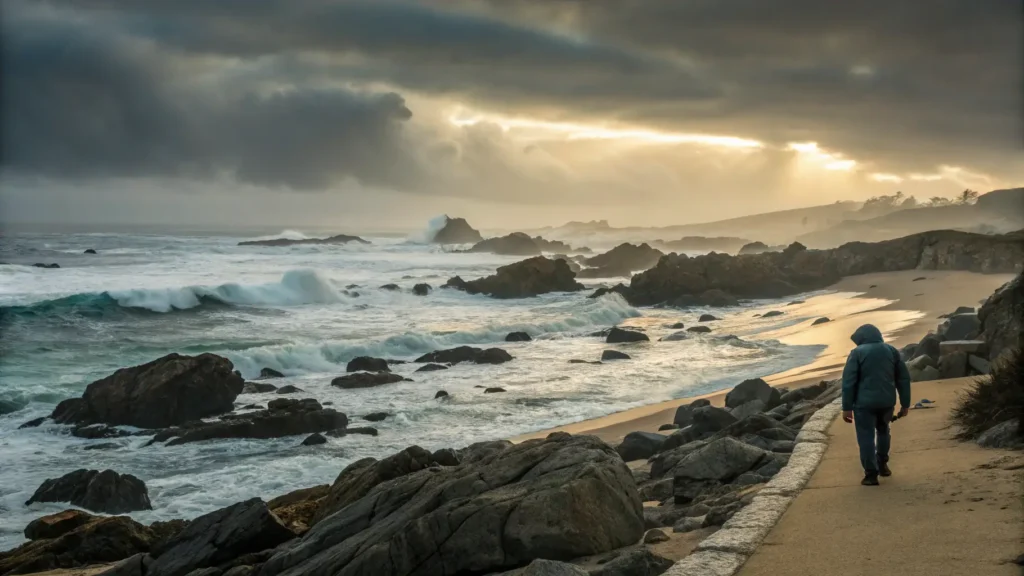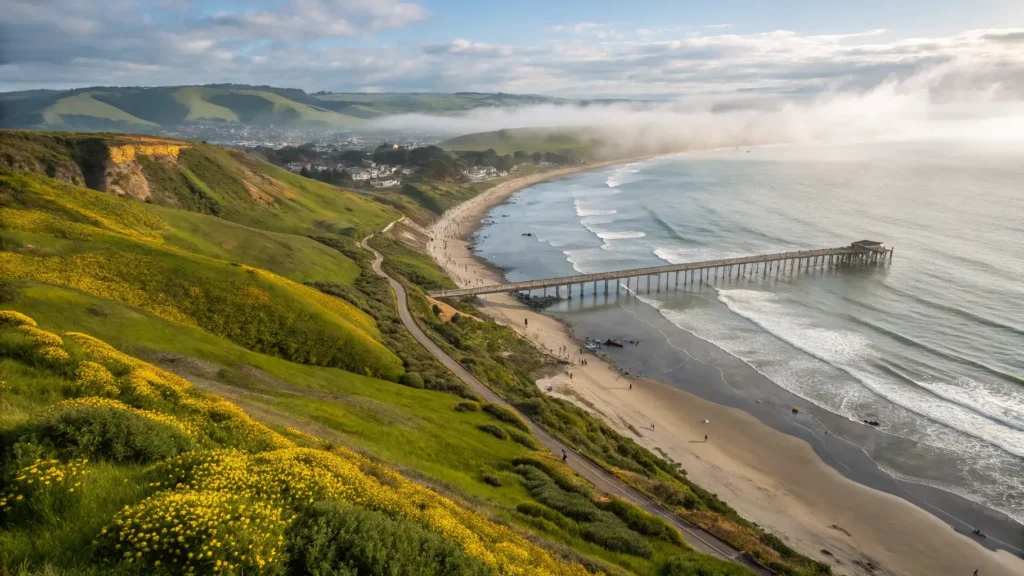
I spent a June in Monterey where the mornings were overcast and the afternoons reached the mid 60s. The pattern repeats almost daily, which locals call June Gloom, and it clears by midday most years.
You’ve probably heard the stories—people arriving in shorts and flip-flops, only to spend their holiday shivering in souvenir sweatshirts.
I made that exact mistake during my first visit.
The forecast showed 65°F and I thought, brilliant, proper beach weather.
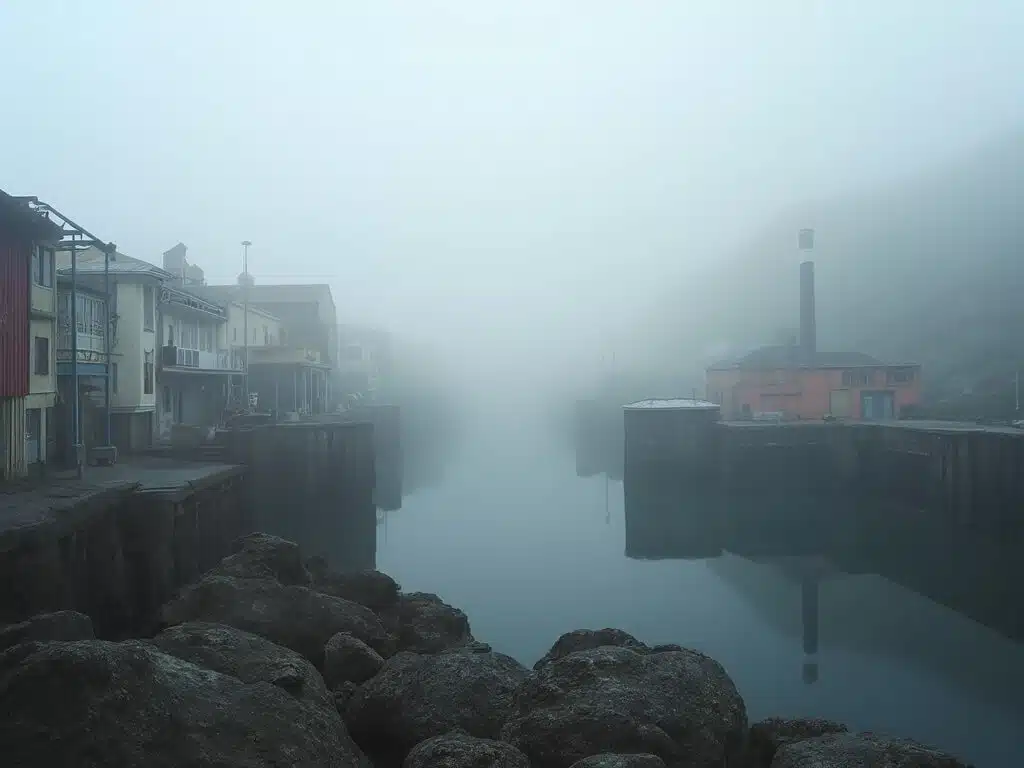
By noon, I was standing on Cannery Row wrapped in a beach towel, watching locals stroll past in fleece jackets.
Here’s what nobody tells you about Monterey’s June weather until you’re already there.
The Temperature Trick That Catches 90% of Visitors Off Guard
Monterey’s June temperatures hover between 53°F and 65°F.
That’s roughly 12°C to 18°C for those of us who think in sensible measurements.
Sounds reasonable, right?
Wrong.
The daily high rarely climbs past 72°F.
The daily low rarely drops below 59°F.
This creates something meteorologists call a “narrow thermal range”—which is fancy talk for “it never gets properly warm.”
Here’s what that actually means for your packing list:
- Mornings: proper jumper weather
- Midday: light jacket territory
- Evening: back to the jumper
- Night: add another layer
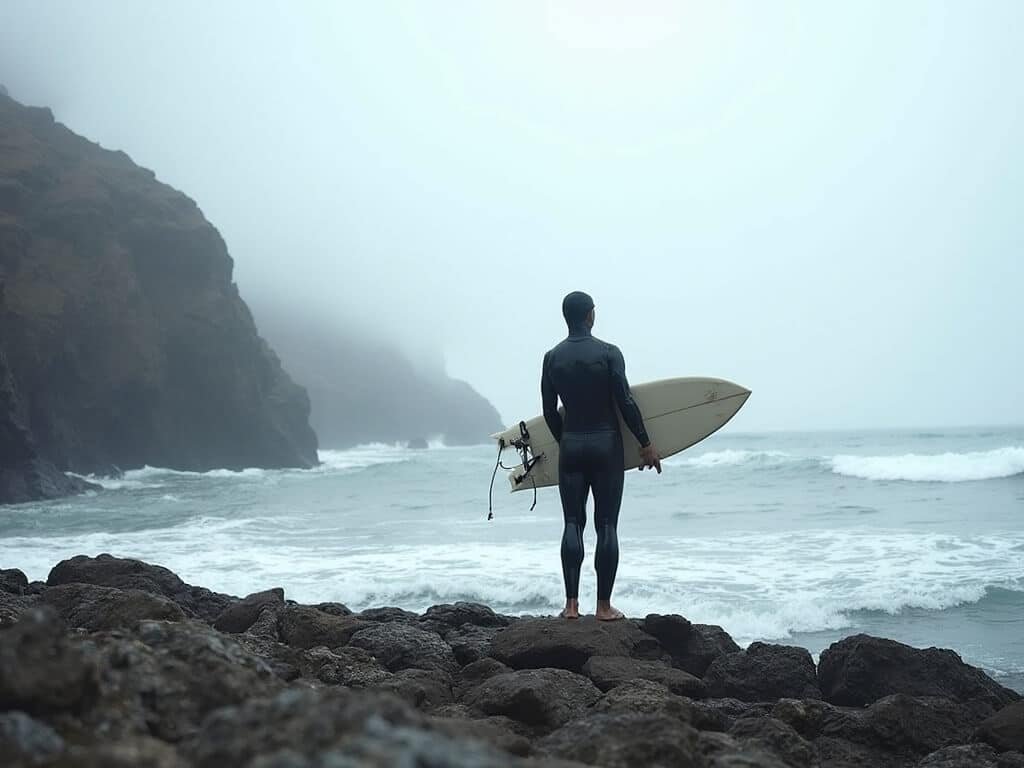
The ocean sits just offshore at a chilly temperature that discourages swimming without a wetsuit.
That Pacific water doesn’t care that it’s technically summer.
The cool California Current keeps the entire coastline refreshingly temperate—or frustratingly cold, depending on your perspective.
I learnt this the hard way when I touched the water at Lovers Point Beach.
My hand went numb in about forty-five seconds.
A local surfer laughed and said, “Yeah, that’s warm for Monterey.”
Why Your Inland Friends Will Hate You (In the Best Way)
Drive thirty minutes inland from Monterey in June and you’ll experience a different planet.
Coastal Monterey: mid-60s.
Carmel Valley: high 70s.
Salinas Valley: pushing 80°F.
This temperature split creates an interesting dynamic.
When the Central Valley bakes at 95°F to 105°F, Monterey becomes California’s air conditioning.
People flee the heat and descend on the coast like refugees seeking asylum from the sun.
The temperature gradient works like this:
- Cannery Row: 64°F, foggy
- Five miles inland: 72°F, partly cloudy
- Fifteen miles inland: 78°F, full sun
- Central Valley: 98°F, questioning life choices
During my second visit, I drove from Monterey to Salinas for lunch.
The temperature gauge in my rental car climbed 15 degrees in twenty minutes.
By the time I reached the restaurant, I’d removed my jacket, turned on the air con, and immediately understood why Monterey locals rarely venture inland during summer.
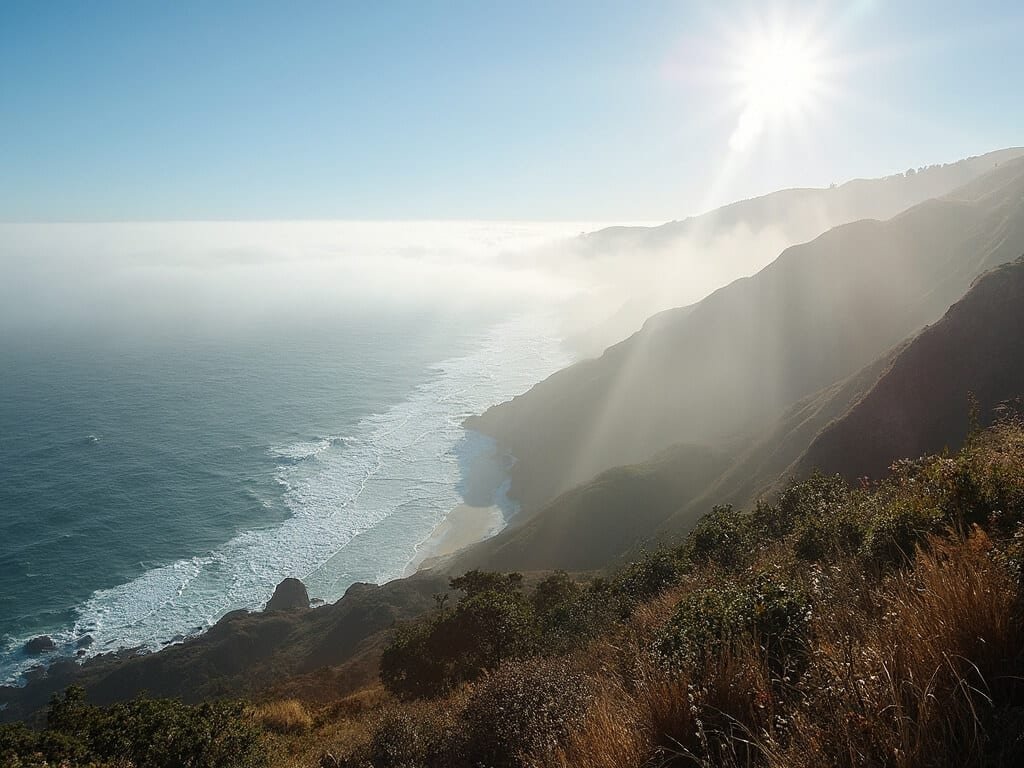
The evening brings another surprise.
Whilst inland areas stay warm well into the night, Monterey’s coastal temps drop back into the high 50s.
That’s jumper-and-long-trousers weather, not sundress-and-sandals weather.
The Fog Nobody Warned You About
June mornings in Monterey start with fog.
Not the romantic, wispy kind you see in films.
Proper, thick, grey fog that rolls in like a wet blanket.
Monterey County averages 267 sunny days per year—about 30% more than the US average of 205 days.
Brilliant, you’re thinking.
But here’s the catch: many June mornings don’t count as “sunny” until 11am or noon.
The fog typically burns off as the day progresses, revealing clear skies underneath.
Sometimes.
Other days, the fog just… stays.
The fog pattern usually looks like:
- 7am: complete grey coverage
- 9am: starting to thin
- 11am: patchy fog, glimpses of blue
- 1pm: mostly clear (on a good day)
- 3pm: fog creeping back in (on a difficult day)
This creates a microclimate effect where coastal areas stay cooler and greyer whilst inland areas bask in sunshine.
Local photographers love it.
Tourists planning beach days, not so much.
I once spent an entire morning at Point Lobos State Reserve waiting for the fog to clear for photographs.
It never did.
The park ranger told me, “June gloom is our version of seasons—we don’t get autumn leaves, we get marine layer.”
The fog also affects humidity levels, keeping everything comfortably moist without feeling sticky.
Your skin won’t dry out like it would in desert climates, but you’ll need that jacket regardless of what the humidity suggests.
When the Sun Actually Decides to Show Up
On days when the fog cooperates, Monterey’s June sunshine is genuinely lovely.
The UV index reaches moderate levels—not the scorching intensity of inland California, but enough to require proper sun cream.
Extended daylight hours give you:
- Sunrise: around 5:45am
- Sunset: around 8:30pm
- Total daylight: roughly 14.5 hours
This creates long, usable days for exploring.
You can start your morning with a coastal walk, spend midday at the aquarium, and still have hours of evening light for dinner on the waterfront.
The solar radiation peaks mid-month, which sounds more threatening than it actually is.
It simply means you’ll want SPF 30 instead of SPF 15, and sunglasses become necessary rather than optional.
I made the mistake of spending six hours at the beach without reapplying sun cream.
The fog had burned off by 10am, and I assumed the mild temperature meant mild sun.
Wrong again.
I spent the next three days looking like a lobster wearing a t-shirt tan.
The moderate UV intensity also makes June ideal for outdoor activities without the oppressive heat that plagues other California destinations.
You won’t finish a hike drenched in sweat.
You won’t need to retreat indoors during peak afternoon hours.
You’ll just need to remember that cool temperatures don’t equal weak sunshine.
The Rain That Never Comes (Probably)
June in Monterey is virtually rain-free.
Precipitation is so rare that locals don’t bother checking forecasts for it.
This contrasts sharply with winter months, when Monterey receives most of its annual rainfall.
By June, the wet season has definitively ended:
- Average June rainfall: essentially zero
- Probability of rain on any given day: negligible
- Number of waterproof jackets you need: zero (for rain, at least)
This makes June brilliant for planning outdoor activities without weather contingencies.
No need to book indoor backup plans.
No need to pack an umbrella.
No need to worry about muddy trails or cancelled boat tours.
The lack of rain also means you’re packing for temperature regulation, not water protection.
During one June visit, I watched a family arrive at their holiday rental across from mine.
They unpacked three large golf umbrellas, multiple raincoats, and what appeared to be enough wet-weather gear for a month in Scotland.
By day three, all of it sat unused in their boot.
The consistent dry weather does create some trade-offs.
The landscape looks more golden-brown than vibrant green by June.
Wildflowers have mostly finished their spring show.
Everything takes on that classic California summer appearance—dried grasses and hardy coastal plants.
But you’ll never cancel plans because of rain, and that’s worth something.
Looking for more tips? Check out our guide to free things to do in Monterey or explore a similar coastal climate with our article on Santa Cruz in June.
The Wildlife Show That Runs on Its Own Schedule
The cool water temperature that makes swimming unpleasant creates something far more valuable — a thriving marine ecosystem that turns Monterey Bay into one of California’s best wildlife viewing destinations.
June sits right in the middle of whale migration season. Gray whales have mostly completed their journey northward, but humpback whales and blue whales arrive to feed in the nutrient-rich waters.
The marine life calendar for June looks like:
- Humpback whales: actively feeding
- Blue whales: beginning to appear
- Dolphins: year-round residents, peak activity
- Sea otters: floating in kelp forests daily
- Harbor seals: hauled out on rocks
- Sea lions: barking at Fisherman’s Wharf
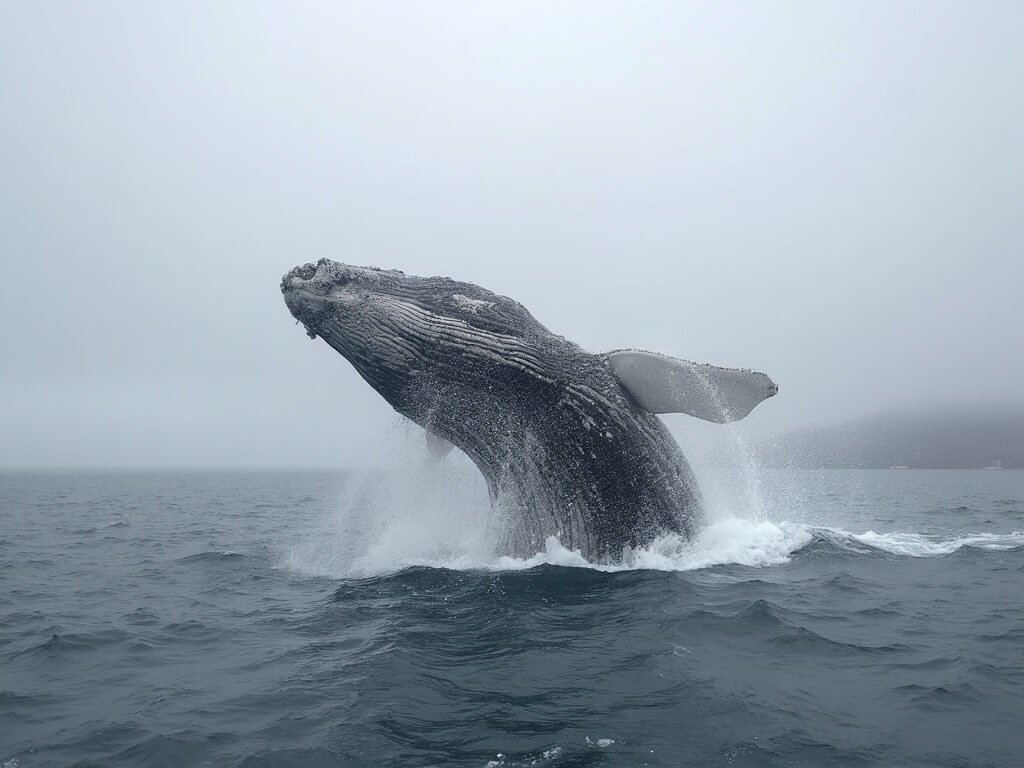
I took a whale watching tour during my third visit to Monterey in early June. The captain explained that the cold California Current creates upwelling—deep, nutrient-rich water rising to the surface. This feeds massive populations of krill and anchovies, which in turn attract whales.
“The cold water you hate?” he said. “That’s exactly why we see thirty whales on a Tuesday morning.”
We saw seventeen humpbacks that day. Three breached fully out of the water. One came close enough that I could see the barnacles on its head. The other tourists complained about the cold wind on deck. I’d learned my lesson—three layers, waterproof jacket, gloves.
While they huddled inside the cabin, I watched a mother and calf surface fifteen feet from the boat.
Tide pools along the coast reach peak accessibility during June’s lower tides. Point Lobos, Asilomar State Beach, and Pacific Grove’s rocky shores become outdoor aquariums. You’ll find sea stars, anemones, hermit crabs, and occasionally small octopi hiding in the rocks.
The moderate temperatures make exploring tide pools comfortable—not too hot, not freezing cold. Just bring shoes with good grip because those rocks are slippery regardless of the season.
The Tourism Surge Nobody Mentions in the Brochures
June marks the official start of peak summer tourism in Monterey. School holidays begin. Families descend on the coast. Hotel prices jump.
This creates a different kind of weather—the human kind.
What peak season actually means:
- Cannery Row: packed shoulder-to-shoulder
- Monterey Bay Aquarium: advance tickets essential
- Restaurant wait times: 45-90 minutes
- Parking: a competitive sport
- Beach access: arrive early or forget it
The contrast between early June and late June is stark. First week: manageable crowds, reasonable prices, available parking. Last week: full-on summer chaos.
I made reservations at a popular seafood restaurant for a Friday evening in late June. The hostess laughed—actually laughed—and said the first availability was Tuesday afternoon, three weeks out.
“June weekends are worse than Christmas,” she explained. “Everyone from the Central Valley drives over when it hits triple digits inland.”
This creates an interesting dynamic with the weather. On brutally hot days inland, Monterey becomes absolutely mobbed. The temperature differential acts like a siren call to heat-weary residents from Fresno, Modesto, and Bakersfield.
The heat-escape pattern works like clockwork:
- Inland temp hits 95°F: Monterey sees increased visitors
- Inland temp hits 100°F: Monterey becomes crowded
- Inland temp hits 105°F: Monterey traffic gridlock
One particularly hot Saturday in mid-June, I gave up trying to find parking near the aquarium. Every lot showed “FULL” signs. Street parking had people circling like sharks. I ended up parking a mile away and walking back—just in time for the fog to roll in.
Planning ahead is crucial. Book accommodations months in advance. Make restaurant reservations when you book your hotel. Buy aquarium tickets online. Plan visits early or late in the day.
Accept that you’re sharing the experience with thousands of others who had the same brilliant idea.
What the Growing Season Tells You About Microclimates
Monterey’s temperate climate creates year-round growing conditions—a rarity in California. It never freezes, so traditional growing season rules don’t apply.
Growing degree days accumulate steadily through June, supporting active plant development.
The plant geography breaks down like:
- Coastal areas: wind-sculpted cypress, succulents, hardy grasses
- Slightly inland: more diverse vegetation, some flowering
- Carmel Valley: lush gardens, vegetable farms, vineyards
- Salinas Valley: massive agricultural operations
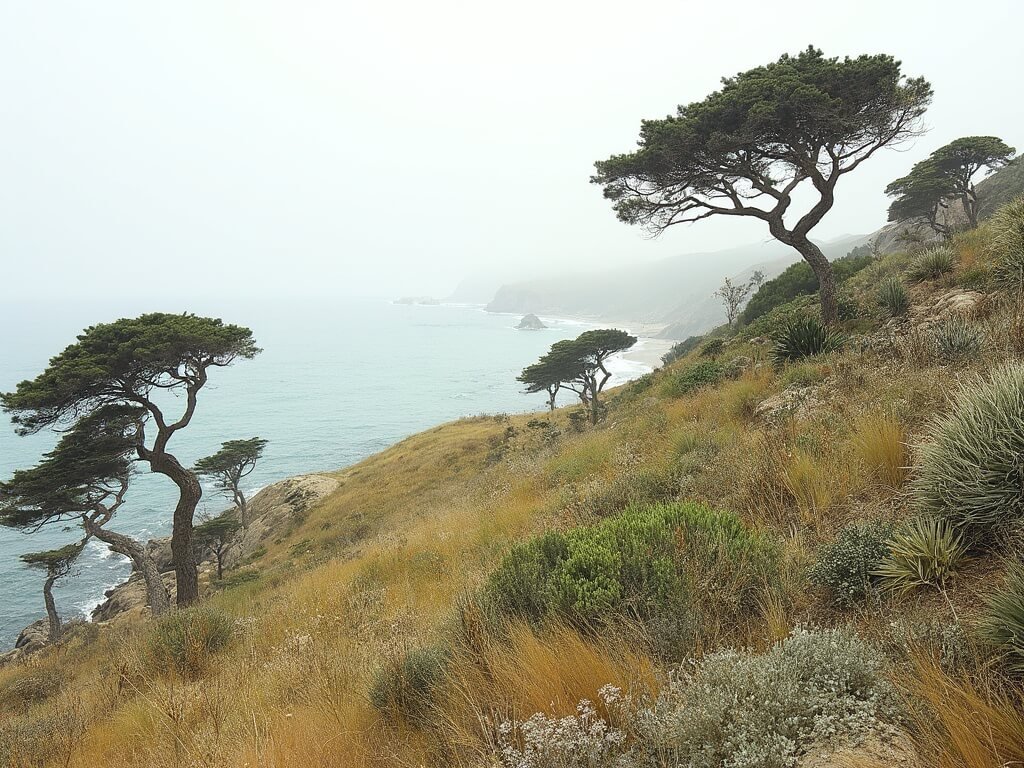
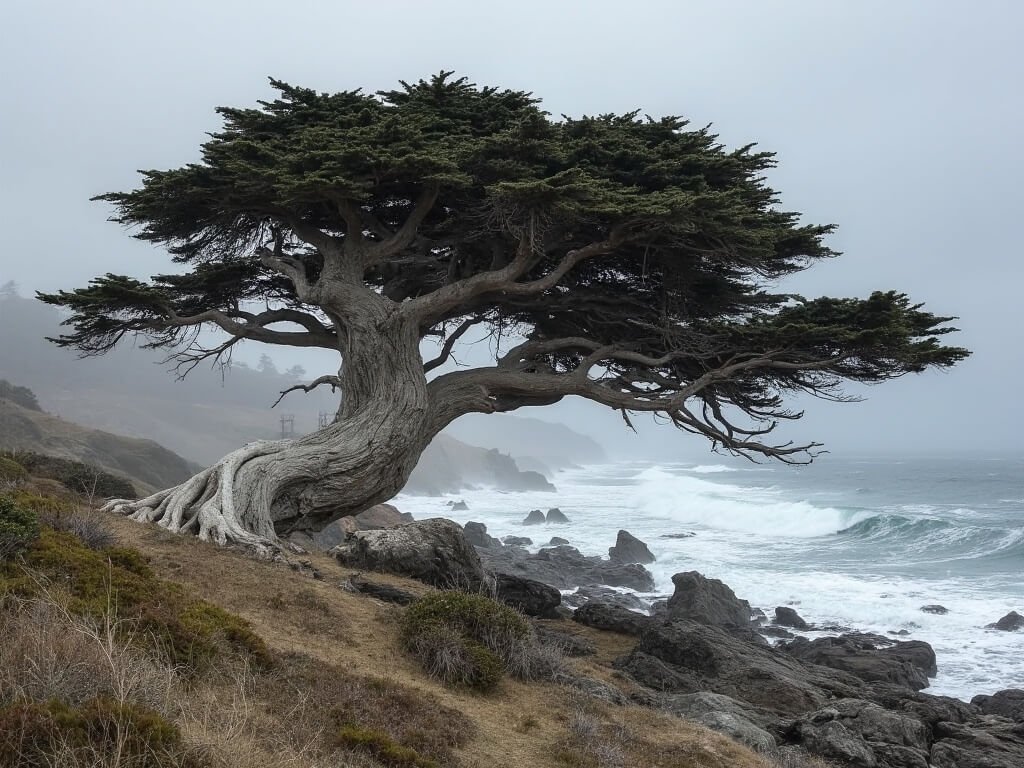
The famous Monterey cypress trees grow naturally in just two places: Point Lobos and Cypress Point. Adapted to ocean wind, salt spray, and cool temps, they look sculptural and dramatic.
The agricultural success inland offers a contrast. Carmel Valley’s vineyards thrive on temperature differentials, while the Salinas Valley earns its “Salad Bowl” nickname with massive lettuce and strawberry output.
The Data Behind the Discomfort
Monterey’s June weather is consistent, supported by 36 years of hourly weather data (1980–2016). Expect mid-60s, morning fog, minimal rain, and moderate sunshine.
Historical weather patterns show remarkable stability. The ocean acts as a buffer, preventing extreme swings.
Interestingly, Valparaíso, Chile has the most similar climate to Monterey—both cities sit on the eastern edge of cold currents and experience persistent marine layers.
Locals dress differently for a reason:
- Base layer: always
- Mid layer: usually
- Outer layer: within reach
- Shorts: rarely
- Flip-flops: never
Tourists are easily spotted—underdressed and buying sweatshirts.
The Activities That Actually Work in These Conditions
Hiking thrives in Monterey’s June climate:
- Point Lobos State Reserve
- Garland Ranch Regional Park
- Carmel River State Beach
- Asilomar Coast Trail
Moderate temperatures mean no need for early starts or heat breaks. I hiked Point Lobos’ perimeter and saw sea otters, seals, pelicans—never broke a sweat.
Cycling is ideal: 17-Mile Drive and Monterey Bay Coastal Trail offer scenic, comfortable riding.
Wine tasting works brilliantly inland where it’s warmer. Visit Carmel Valley for mid-day tastings, then return to the coast by evening.
What doesn’t work:
- Beach swimming
- Sunbathing
- Outdoor dining without layers
- Traditional beach lounging
The Truth About Packing for Monterey’s June Madness
Essential packing list:
- Long trousers
- Jumpers
- Windproof jacket
- Closed-toe shoes
- Layering options
- Sun cream, sunglasses, hat
Leave at home:
- Shorts (except for inland)
- Flip-flops
- Swimsuit (unless brave)
Layering is critical. Start with all three in the morning, shed the jacket midday, and add it back at night. This isn’t excess—it’s survival.
One badly dressed beach family lasted 12 minutes before bailing. I later saw them at In-N-Out, now wearing jeans and jackets.
Why June Monterey Isn’t for Everyone (And Why That’s Fine)
You’ll love it if you:
- Prefer mild weather
- Enjoy wildlife and hiking
- Pack appropriately
- Appreciate dramatic coastlines
You’ll hate it if you:
- Expect beach weather
- Refuse to layer
- Want hot sun and warm water
Frequent visitors understand and embrace the quirks. Many escape inland heat. A Phoenix woman told me: “June in Monterey is my reward—two weeks where I can wear actual clothes and walk outside at noon.”
They’ve developed patterns:
- Stay in Pacific Grove or Carmel
- Book restaurants early
- Visit the aquarium midweek mornings
The Final Word on Whether June Works for Your Plans
Monterey in June delivers:
- Mid-60s temperatures
- Morning fog
- Minimal rain
- Stunning wildlife
June succeeds for:
- Active outdoor holidays
- Wildlife watching
- Escape from heat
- Photography
June fails for:
- Traditional beach vacations
- Warm water swimmers
- Last-minute travelers
Accept Monterey on its own terms. The cold water brings the whales. The fog shapes the landscapes. The moderate weather makes hiking and exploring enjoyable.
For more regional insights, visit our guides on Big Sur in June and Santa Cruz in June.
Monterey in June follows the June Gloom pattern, with gray mornings and clear afternoons. Plan outdoor time for the middle of the day when the sun is out.
See also: 29 Living Room Inspo Ideas for a Space That Actually Feels Like Yours