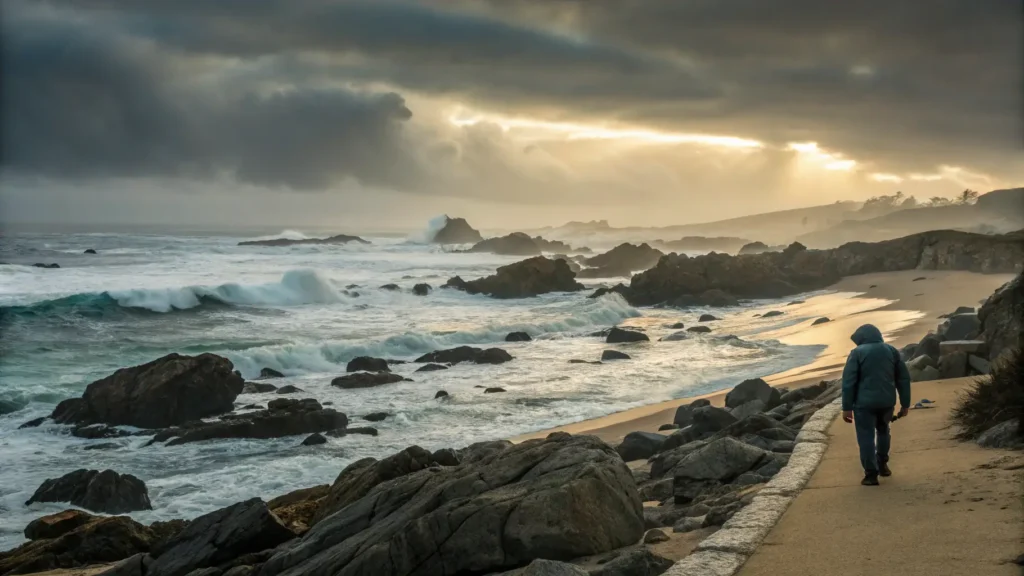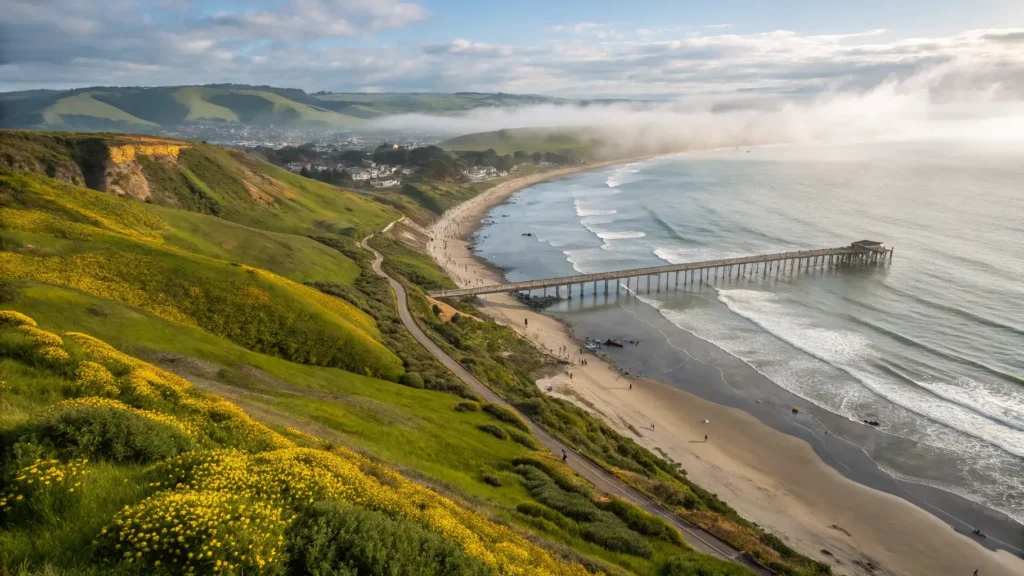
I have found July in Monterey to be cool and dry, with highs in the mid 60s and almost no fog. The bay stays calm, which makes the coastline walkable even at midday when other parts of the state are hot.
You’re expecting California summer heat.
You pack your shorts, your swimsuit, maybe even flip-flops.
Then you step out of your car and immediately reach for a jumper you didn’t think you’d need.
That’s Monterey in July for you.
The Temperature Sweet Spot That Confuses Everyone (Including Locals)
Here’s what actually happens with temperatures in Monterey during July.
The daytime highs hover around 66-69°F (19-20°C) along the coast.
Evening temperatures drop to about 54-55°F (12°C).
Most people assume “California in July” means scorching heat.
They’re thinking of Los Angeles or the Central Valley where temperatures routinely hit 95°F+.
But Monterey sits in its own microclimate bubble that basically ignores what the rest of California is doing.
I learned this the hard way on my first July visit in 2019.
Came down from San Francisco (already fairly cool) expecting Monterey to be warmer.
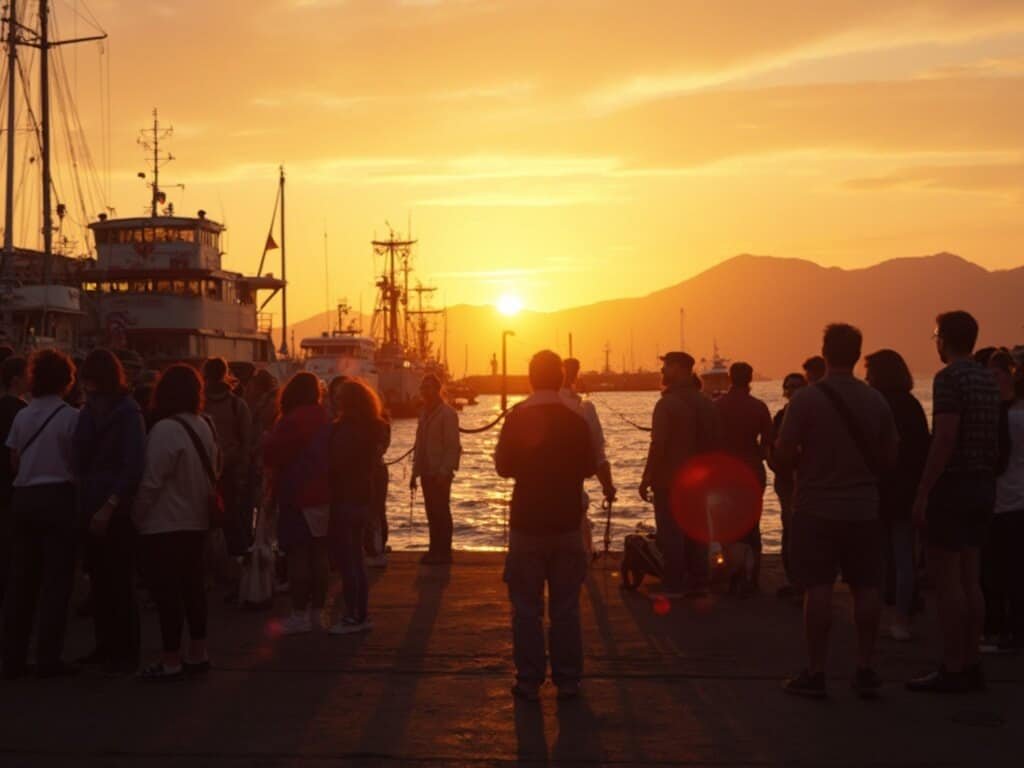
Spent the entire first evening at Fisherman’s Wharf absolutely freezing in a t-shirt whilst watching tourists in proper jackets looking perfectly comfortable.
The locals were amused, naturally.
Key temperature facts:
- Rarely drops below 50°F
- Almost never exceeds 72°F
- More stable than your morning routine
- About 11 days annually reach the 80s across the entire year
The predictability is remarkable.
You won’t get those wild temperature swings that make packing a nightmare.
What That “Marine Layer” Really Means For Your Holiday Plans
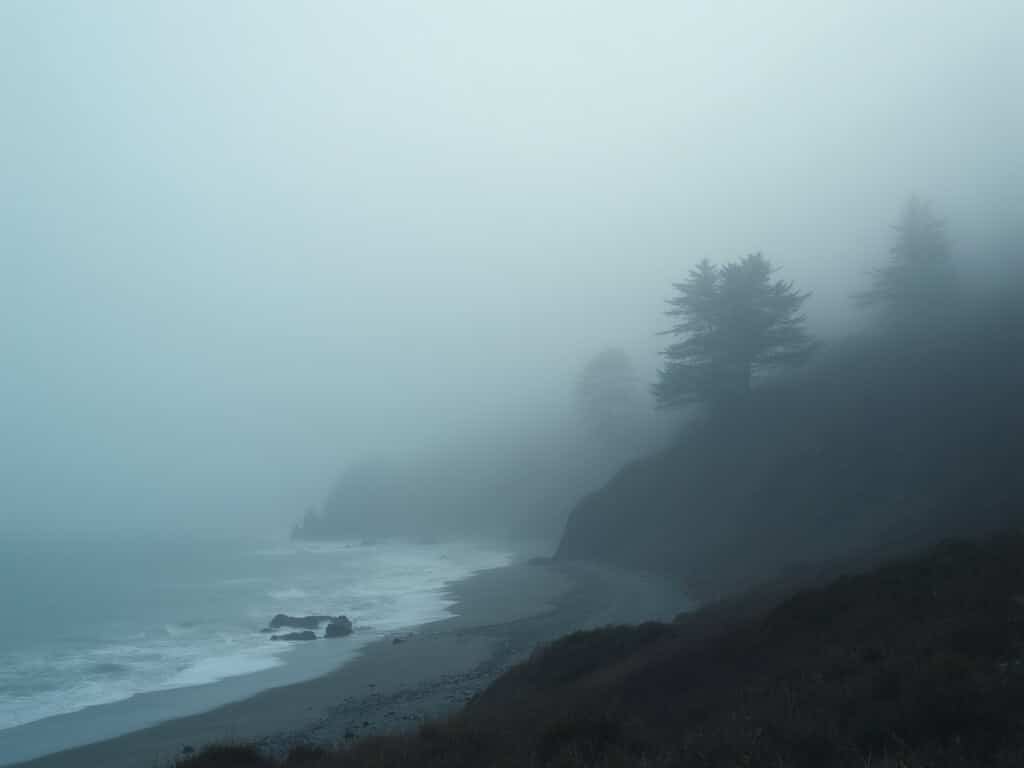
Let’s talk about fog.
Because Monterey’s July fog isn’t just weather—it’s a personality trait.
The marine layer rolls in most mornings like clockwork.
You wake up to grey, misty conditions that feel vaguely mysterious and slightly disappointing if you were hoping for blazing sunshine.
Then around mid-morning to early afternoon, it burns off.
The cycle repeats the next day.
This creates mildly cool and humid conditions that define the Monterey summer experience.
The fog isn’t just atmospheric window dressing though.
It keeps the entire region cooler than it has any business being in mid-summer.
Whilst the Central Valley bakes at 100°F+, Monterey sits comfortably in the high 60s.
The humidity that comes with it isn’t oppressive like tropical humidity.
It’s more of a gentle dampness that makes everything feel fresh.
Your skin won’t dry out.
The air feels alive.
The fog pattern breaks down like this:
- Morning: thick marine layer
- Late morning/early afternoon: fog burns off
- Afternoon/evening: clearer conditions
- Night: fog creeps back in
Plan morning activities that work in grey conditions.
Save beach time and scenic drives for afternoon when visibility improves.
The Rain Question Everyone Asks (And The Surprising Answer)
Will it rain during your July Monterey trip?
The statistical answer: probably not.
There’s only a 2% chance of rain on any given July day.
That’s essentially zero in practical terms.
You have better odds of spotting a celebrity at Carmel Beach.
July is bone-dry in Monterey.
The entire month typically sees negligible precipitation.
But here’s the interesting bit.
When rain does occur (rare as it is), it tends to be heavy at around 0.80 inches.
Not those pathetic drizzles that barely count.
Proper rain.
For trip planning purposes though, forget about rain.
Pack layers for temperature changes, not precipitation.
The dry stability makes July ideal for outdoor activities without the constant weather app checking that plagues trips to, say, the UK Lake District.
Why You Get 14+ Hours Of Daylight (And How To Use Them)
Monterey in July gives you 14.4 hours of daylight on average.
Sunrise: approximately 6:00 AM
Sunset: approximately 8:24 PM
This comes right after the summer solstice, so you’re still riding that peak daylight period.
What this actually means for your trip:
You can pack an absurd amount into a single day without feeling rushed.
Start with an early morning kayak tour when the water’s calmer and the marine layer creates dramatic scenery.
Spend midday at the Aquarium when it’s more crowded anyway and you’re not missing prime outdoor conditions.
Enjoy late afternoon beach time when the fog’s burned off.
Finish with an 8:00 PM sunset dinner at a restaurant with ocean views.
The extended daylight essentially gives you bonus hours that visitors in other seasons don’t get.
Practical daylight strategies:
- Book sunset activities for 7:30-8:30 PM
- Don’t waste prime afternoon sun hours indoors
- Morning photography works even with fog
- Evening beach walks last until nearly 9:00 PM
I’ve found the 8:00+ PM sunsets particularly valuable for avoiding crowds.
Most families with young children clear out earlier.
You get beaches and coastal walks in golden hour light without the masses.
The Coastal Vs Inland Temperature Drama Nobody Warns You About
Here’s something that trips up visitors constantly.
You’re staying in Monterey proper (coastal): high 60s.
You drive 15 minutes inland to Carmel Valley: suddenly high 70s.
Head to Salinas Valley: even warmer.
The temperature gradient from coast to inland is dramatic and immediate.
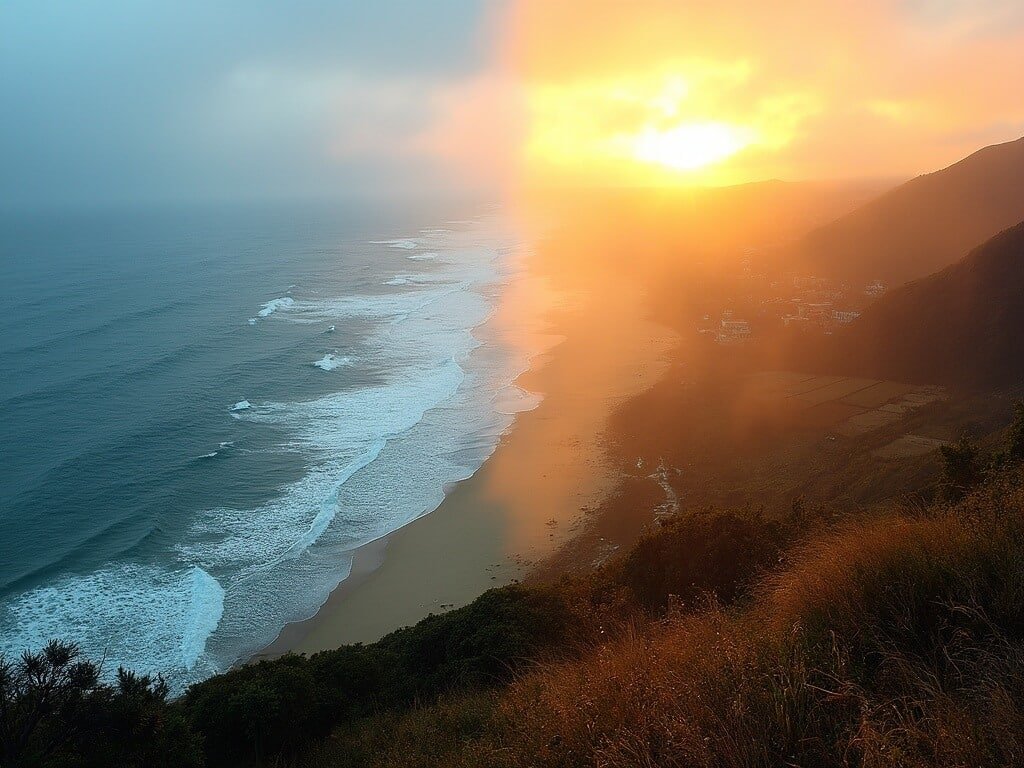
The coastal areas sit in the mid to high 60s consistently.
But inland valleys like Carmel Valley and Salinas Valley push into the high 70s.
This creates planning opportunities most tourists miss entirely.
Want warmer weather for a picnic or wine tasting?
Drive inland.
Want to cool off after hiking?
Head back to the coast.
You essentially get multiple climate zones within a 20-minute drive.
The coastal cooling effect works through a combination of factors.
Cold Pacific currents keep ocean temperatures down.
Marine layer fog acts as natural air conditioning.
Onshore breezes maintain lower temperatures near the water.
Drive far enough inland where the marine influence weakens, and California’s natural summer warmth reasserts itself.
Temperature zone breakdown:
- Coastal Monterey: 66-69°F highs
- Carmel Valley (10 miles inland): 75-78°F highs
- Salinas Valley (15 miles inland): 78-82°F highs
Smart trip planning means matching activities to temperature zones.
Hiking in inland areas works better in morning before heat builds.
Coastal activities work all day because temperatures stay moderate.
The flexibility this provides is genuinely underrated.
What The Weather Stability Actually Feels Like Day-To-Day
The most striking thing about Monterey in July isn’t any single weather metric.
It’s the reliability.
You’re not constantly checking forecasts wondering if plans need changing.
You’re not packing for four seasons in one day like some destinations demand.
The weather pattern establishes itself and just… stays that way.
Cool mornings with fog.
Pleasant afternoons in the mid-to-high 60s.
Cool evenings requiring layers.
Repeat for the entire month.
This stability comes from Monterey’s position at the intersection of cold Pacific currents and California’s summer high-pressure systems.
The competing influences create a remarkably stable equilibrium.
For travellers, this translates to low-stress trip planning.
You pack once correctly and you’re sorted for the entire visit.
Activities rarely get weather-cancelled.
You can book outdoor experiences days in advance with confidence.
The predictability also means fewer weather-related disappointments.
You know exactly what you’re getting.
Some people find the consistency boring.
Fair enough.
But most visitors appreciate knowing that their carefully planned coastal activities won’t get derailed by unexpected weather dramas.
The weather becomes a reliable backdrop rather than a variable you’re constantly managing.
Looking for more ways to enjoy Monterey without spending a dime? Check out our guide to free things to do in Monterey.
The Water Temperature Reality Check That Saves (Or Ruins) Beach Plans
Let’s address the elephant seal in the room.
Monterey’s ocean water in July is cold.
Not refreshing. Not brisk. Properly cold.
The Pacific Ocean off Monterey typically sits around 55-58°F (13-14°C) in July.
For context, most people find water comfortable for swimming around 70-78°F. Heated pools are usually kept at 78-82°F.
So Monterey’s ocean is about 20 degrees colder than what most people consider pleasant swimming temperature.
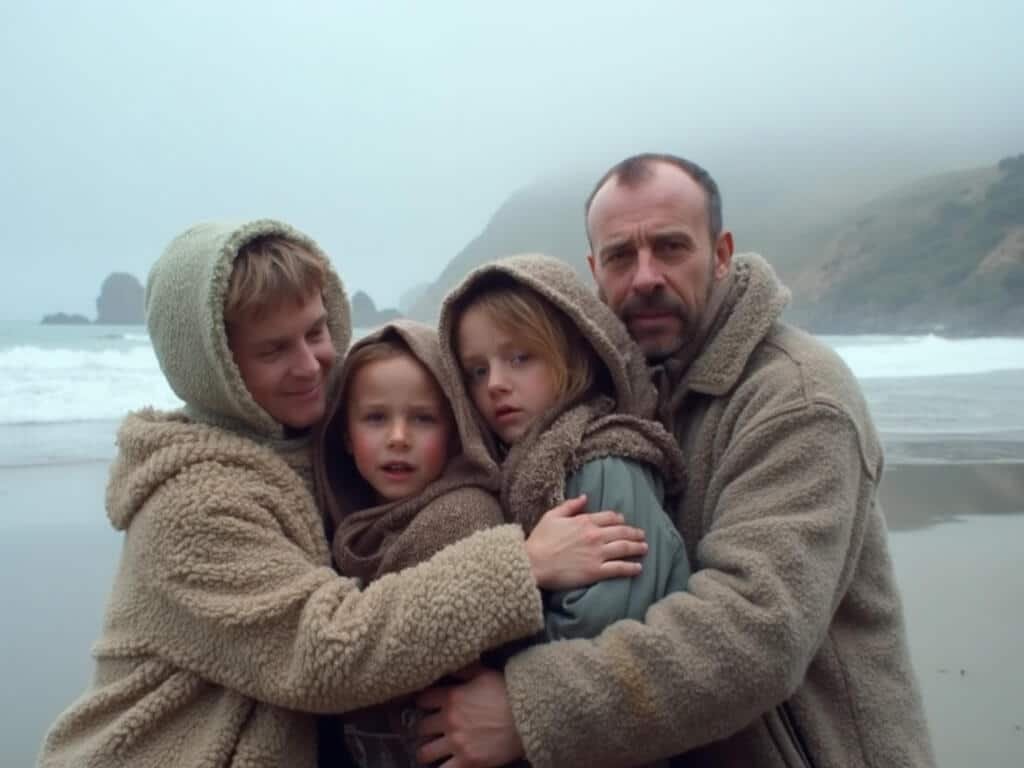
I watched a family from Arizona at Carmel Beach in July 2021. Three kids ran screaming into the water with full confidence. All three were back out within about 45 seconds, looking betrayed by geography itself. The parents hadn’t warned them because they’d assumed “California beach in summer” meant warm water.
It doesn’t.
The cold water comes from the California Current bringing frigid water down from Alaska, plus coastal upwelling that pulls deep, cold water to the surface.
What this means for your activities:
- Swimming without a wetsuit is genuinely uncomfortable for most people
- Wading and splashing works fine with brief exposure
- Serious water activities (surfing, kayaking, diving) require wetsuits
- Kids acclimate faster but still find it shockingly cold initially
- The beach experience is more about scenery and sand than swimming
Surf shops and kayak rental places all provide wetsuits as standard. They’re not being overly cautious. It’s legitimately necessary for anything beyond ankle-deep water.
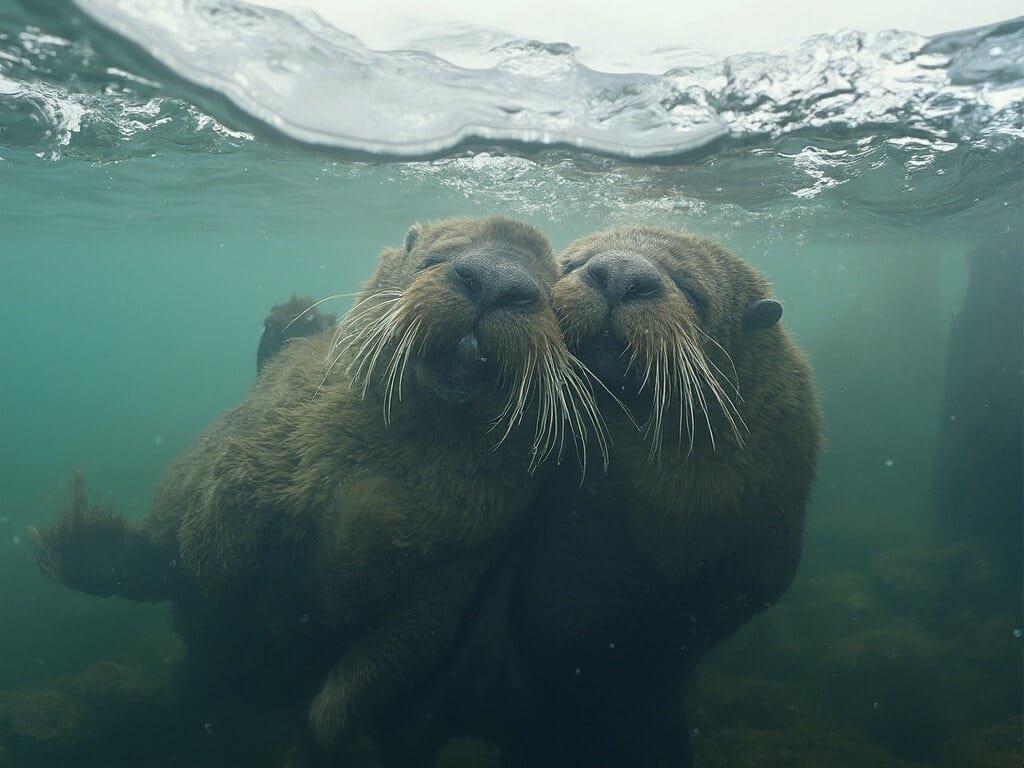
The upside? The cold water supports incredible marine life. Kelp forests thrive in these temperatures. Sea otters, harbour seals, sea lions—they’re all here because of this cold, nutrient-rich water.
You trade comfortable swimming for world-class marine wildlife viewing. Most visitors find that trade entirely worthwhile.
How Monterey’s July Weather Compares To The Rest Of California (It’s Weird)
Put Monterey’s July climate next to other California destinations and the weirdness becomes apparent.
Los Angeles in July:
- Highs: 75-85°F
- Sunny and warm
- Beach swimming comfortable
- Typical “California dream” weather
San Francisco in July:
- Highs: 60-67°F
- Foggy and cool
- Famous for catching tourists unprepared
- Similar to Monterey but slightly cooler
Central Valley (Fresno/Bakersfield) in July:
- Highs: 95-105°F
- Brutally hot
- Triple-digit temperatures common
- Essentially a different planet from coastal areas
Monterey in July:
- Highs: 66-69°F
- Foggy mornings, pleasant afternoons
- Stable and mild
- Goldilocks zone between SF chill and inland heat
Monterey occupies this peculiar middle space.
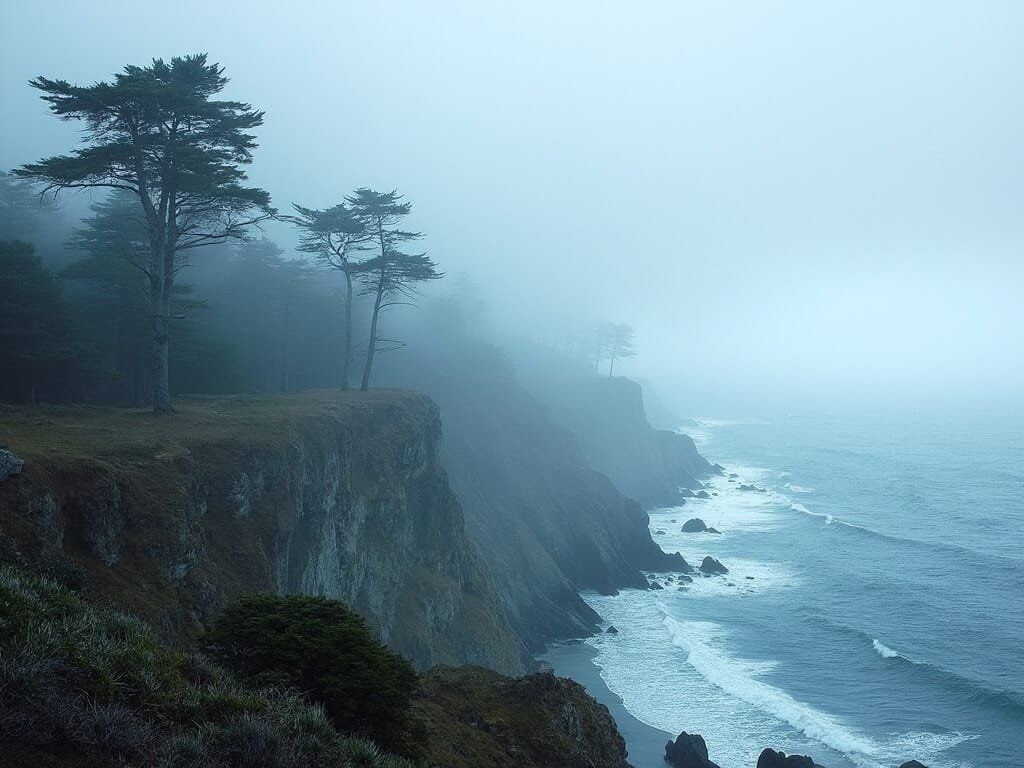
Cool enough to need layers. Warm enough to enjoy outdoor activities comfortably. Never extreme in either direction.
The climate stability across the entire year is remarkable too. Only about 11 days annually reach the 80s across all twelve months. Monterey simply doesn’t do temperature extremes.
This creates an unusual situation where July isn’t dramatically different from May or September. Summer in Monterey is more of a gentle plateau than a peak.
For visitors, this means:
- Your July experience isn’t wildly different from shoulder seasons
- You’re not competing with massive summer crowds drawn by “perfect” weather
- Activities remain comfortable without heat stress
- No dramatic weather shifts to plan around
Some people specifically seek out Monterey in July precisely because it’s not hot. When inland California bakes, Monterey becomes a coastal refuge.
The Wind Situation Nobody Mentions (Until You’re Standing On A Cliff)
Monterey Peninsula wind deserves its own conversation.
The prevailing winds come from the northwest, following the California coast’s natural patterns. In July, these winds establish a fairly consistent pattern.
Wind impact breakdown:
Coastal walks and viewpoints:
Even moderate wind becomes significant when you’re on exposed cliffs. Point Lobos, 17-Mile Drive viewpoints, any coastal trail—add 5-10°F to your perceived cold factor from wind chill.
Beach time:
Wind makes beach lounging challenging. Sand gets everywhere. Umbrellas become engineering challenges. Reading a book requires strategic positioning.
Water activities:
Wind affects ocean conditions significantly. Kayakers face choppier water. Stand-up paddleboarders have a harder time. Divers find calmer conditions in morning before winds build.
Photography:
Tripods need serious weighting. Long-exposure shots become trickier. But wind clears haze for sharper distant shots.
I learned to pack a proper windbreaker after my first Monterey trip. Those lightweight fashion jackets don’t cut it. You want something with actual wind resistance that you can cinch down.
The wind isn’t a dealbreaker. It’s just another element to factor into your planning.
Morning activities often enjoy calmer conditions before afternoon winds develop. Inland areas (those warmer valleys we discussed) have lighter winds. Protected beaches like Carmel Beach’s southern end offer more shelter than fully exposed coastline.
The Packing List Nobody Needs But Everyone Gets Wrong
Based purely on Monterey’s July climate data, here’s what actually works.
Essential layers approach:
- Base t-shirt or light long-sleeve
- Mid-layer fleece or sweater
- Windproof outer jacket
- Long pants or jeans (not shorts as your only option)
What people pack but don’t need:
- Heavy winter coat (too much)
- Shorts as primary clothing (too cold most of the time)
- Flip-flops as main footwear (cold and windy)
- Swimsuit without wetsuit option (cold water)
- Sun hat without chin strap (wind will take it)
What people forget and regret:
- Warm layers for evening
- Windproof jacket
- Closed-toe shoes
- Light gloves for early morning/evening (seriously)
- Scarf or neck warmer
The mistake is packing for what “California in July” means conceptually versus what Monterey actually delivers.
Your mental image: beaches, shorts, tank tops, sunscreen, flip-flops. The reality: layers, wind protection, closed shoes, jackets for evening.
I’ve watched tourists at the Aquarium in July wearing sundresses and sandals, visibly shivering, asking staff where they can buy a sweatshirt. The gift shop does solid business in emergency outerwear purchases.
The layer strategy works because:
- Mornings start cool (mid-50s)
- Afternoons warm to high 60s
- Evenings drop back to 50s
- Indoor venues crank air conditioning
- Microclimates mean temperature changes within short distances
Start the day bundled. Peel off layers as fog burns off and temperature rises. Add them back as evening approaches.
It’s not elegant, but it works perfectly for Monterey’s specific conditions.
Why July Actually Isn’t Peak Tourist Season (Despite Being Summer)
Here’s something that surprises people.
July isn’t Monterey’s busiest month.
August and September actually see heavier crowds.
Why July stays relatively calmer:
- The weather’s not “perfect” by traditional standards.
- School schedules matter — families squeeze in trips before August starts school.
- Weather improves in August/September — less fog, warmer days.
- July catches tourists off-guard — they tell their friends, who book differently.
This creates opportunity for savvy visitors.
July offers:
- Lower accommodation rates than August
- Slightly smaller crowds at major attractions
- Better restaurant availability
- Easier parking at popular spots
The trade-off is more fog and slightly cooler temperatures.
But if you’re specifically coming for marine wildlife, dramatic coastal scenery, and comfortable outdoor activity temperatures, July delivers exactly what you want.
The fog adds atmosphere. The cool temperatures make hiking and exploring comfortable. The smaller crowds improve the overall experience.
I’ve visited Monterey in both July and September. July felt more authentic and less overrun. September had clearer weather but the crowds were noticeably heavier.
Neither is wrong. It depends what you’re optimizing for.
The Climate Context That Explains Everything
The geographic setup:
Monterey sits on a peninsula jutting into the Pacific. Water surrounds it on three sides. The ocean dominates everything.
The ocean current situation:
The California Current flows south from Alaska bringing cold water. Coastal upwelling pulls deep, cold ocean water to the surface. This cold water keeps coastal air temperatures down.
The pressure system pattern:
Summer high pressure sits over the Pacific. This creates stable weather patterns. Onshore flow pulls marine layer inland. Morning fog blankets the coast. As land heats, fog burns off.
The result:
Monterey sits in this peculiar microclimate bubble. Protected from inland heat by the marine layer. Kept cool by cold ocean water. Stabilized by consistent pressure patterns.
It’s why forecasting Monterey weather in July is relatively easy. The same pattern repeats day after day.
And it’s why Monterey climate in July feels so different from the rest of California. It’s literally operating under different rules.
The Final Temperature Truth Most Travel Guides Won’t Tell You
Here’s what all those statistics and patterns actually mean for your visit.
You’re not coming to Monterey in July for hot beach weather. If that’s your goal, go to San Diego or Orange County.
You’re coming for:
- Comfortable outdoor activity temperatures without heat stress
- Dramatic coastal scenery enhanced by fog
- World-class marine wildlife thriving in cold, nutrient-rich water
- Stable, predictable weather that won’t derail plans
- Natural air conditioning when inland California bakes
Monterey in July is perfect for:
- Hiking without overheating
- Wildlife viewing when animals are active
- Photography in interesting light conditions
- Exploring without fighting brutal heat or heavy crowds
- Outdoor dining without sweating
Monterey in July is challenging for:
- Traditional beach swimming and sunbathing
- People who get cold easily
- Anyone expecting stereotypical California summer heat
- Visitors unwilling to layer clothing strategically
The climate is genuinely wonderful if you embrace what it actually offers rather than expecting something it’s not.
Those mid-60s temperatures feel perfect when you’re hiking Point Lobos or exploring tide pools. The fog creates mysterious, moody coastal scenery that’s legitimately stunning. The cool evenings make outdoor restaurant dining comfortable rather than sweltering.
It’s a different version of California summer. Not better or worse. Just different.
And for people who hate extreme heat, it’s quietly perfect.
You get long daylight hours without brutal sun exposure. Outdoor activities remain comfortable all day. You’re not melting in your car or hiding in air conditioning.
The stable conditions mean you can actually plan your days and execute those plans without weather throwing curveballs.
That reliability alone makes Monterey in July worth considering, even if the temperatures don’t match your initial expectations of what “California summer” should feel like.
Embrace the layers, expect the fog, and you’ll find that Monterey in July offers something surprisingly special among California coastal destinations.
Monterey in July is cool, dry, and pleasant. It is a reliable month for the coast, with comfortable temperatures and fewer heat worries than inland.
- Monterey weather guide for planning your trip
- Average monthly temperatures in Monterey, California
- Free things to do in Monterey
- California in July
- Big Sur
- Santa Cruz in September