Monterey in May isn’t what most people expect.
I’ll be straight with you—when I first planned my May trip to Monterey three years ago, I packed nothing but t-shirts and shorts. Big mistake. The kind of mistake that had me shivering on Cannery Row at 7 PM whilst everyone else walked past in their sensible jackets.
Here’s the thing about Monterey in May that catches nearly everyone off guard: it’s not Southern California beach weather. Not even close.
The Weather Reality Check Nobody Wants to Hear (But You Need to Know)
Let’s talk numbers because they matter more than the glossy tourism brochures admit.
May in Monterey brings average highs around 63°F (17°C) and lows dipping to 50°F (10°C). That’s jumper weather, not bikini weather. The coastal breeze—which sounds lovely in theory—can make it feel even cooler, especially when you’re standing on the wharf watching sea lions bask in sunshine you’re not quite feeling yourself.
But here’s where it gets interesting.
The rainfall probability drops to just 6% on any given day in May. You’re looking at maybe half an inch of rain for the entire month, sometimes less. Compare that to the winter months when Monterey gets properly drenched, and you’ll understand why locals consider May one of the sweet spots.
What you actually get in May:
- 14.1 hours of daylight (sunrise around 6 AM, sunset past 8 PM)
- Mostly dry conditions with occasional drizzle
- Breezy coastal winds that keep temperatures moderate
- Some days sneaking into the high 60s or low 70s
- Mornings that require a proper jacket
The extended daylight hours change everything about how you can experience Monterey. You’re not rushed. You can spend a full day at Point Lobos, drive down to Big Sur without time pressure, and still catch the sunset from a completely different location.
Why May Sits in Monterey’s Goldilocks Zone
May occupies this curious middle ground that most visitors either love or find disappointing, depending entirely on their expectations.
It’s warmer than the winter months—February only manages highs of 59°F—but cooler than September’s 72°F peaks. The ocean hasn’t properly warmed up yet, so if you’re dreaming of swimming, adjust those dreams accordingly. The Pacific doesn’t care about your California fantasies.
What May does brilliantly is offer stability.
Spring in Monterey runs from March through May, and you’re catching the tail end when weather patterns have settled down. The dramatic rainfall of winter has passed. The thick fog banks of summer haven’t fully established their routine yet. You’re in this brief window where the climate feels almost… cooperative.
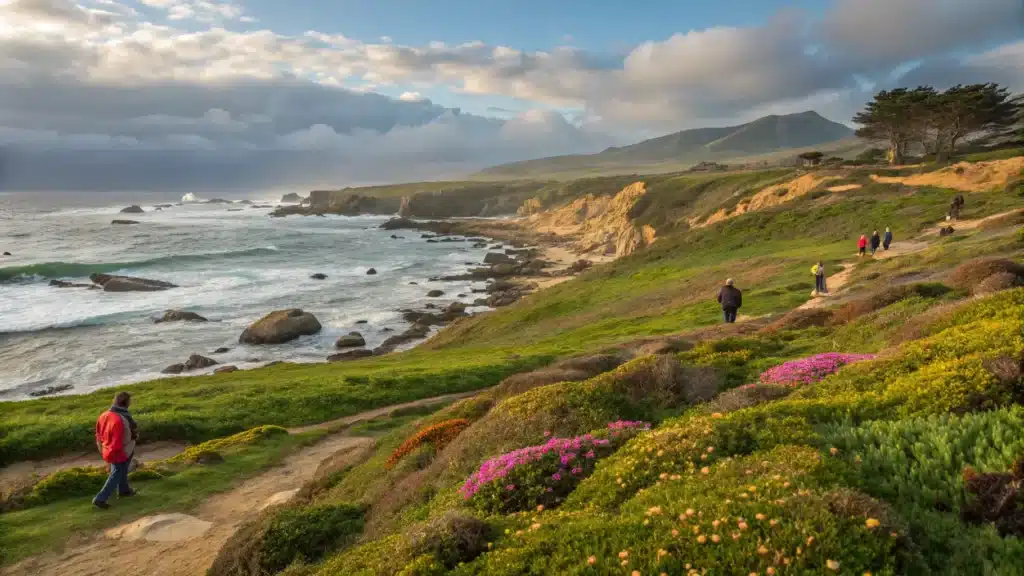
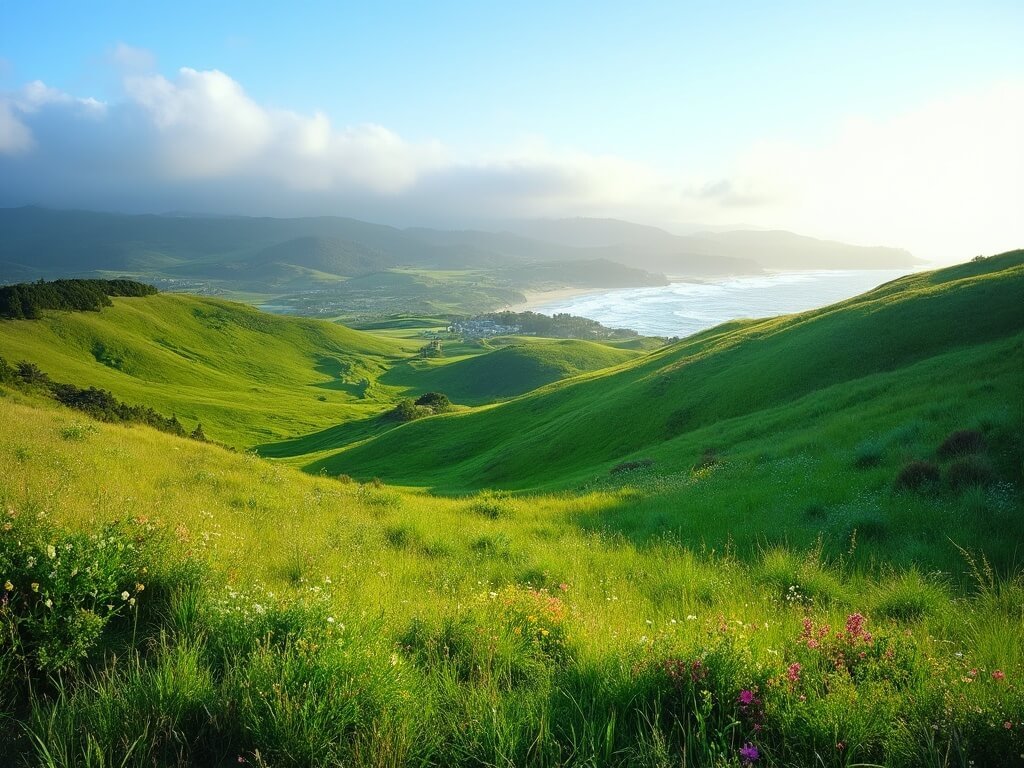
I remember walking through the hills above Carmel in mid-May, and the contrast with my winter visits was stark. Everything was impossibly green. California usually means brown and golden hillsides, but May after a decent winter? It’s emerald. Wildflowers scattered across regional parks like someone had gone mad with a paintbrush.
The transitional benefits you’ll notice:
- Landscapes still lush from winter rains
- Wildflowers in bloom across hiking trails
- Clearer skies than the foggy summer months
- Fewer tourists than peak summer season
- More stable weather patterns than early spring
The tourism angle matters more than you might think. May isn’t peak season. You’re not fighting crowds at the Monterey Bay Aquarium. Restaurant reservations don’t require three weeks’ advance planning. Hotel prices haven’t hit their summer surge yet.
What to Actually Pack (From Someone Who Got It Wrong)
Right, back to my packing disaster.
After that first chilly May evening, I walked into a tourist shop on Cannery Row and paid absolutely criminal prices for a basic fleece jacket. Learn from my expensive lesson.
Your realistic May packing list:
- Layers, layers, layers (this cannot be emphasised enough)
- A proper windproof jacket—not just a light cardigan
- Long trousers or jeans for evenings
- Closed-toe shoes that can handle some walking
- A warm jumper or fleece
- Sunscreen (yes, even when it’s breezy)
- Sunglasses (14+ hours of daylight means lots of sun)
- Maybe one pair of shorts for the odd warm afternoon
- A light scarf for morning coastal walks
The temperature variation between midday and evening catches people out constantly. You might be comfortable in a t-shirt at 2 PM walking around downtown Monterey, but by 7 PM on the coast, you’ll want every layer you brought.
The breeze is the real factor. Monterey’s coastal position means wind that comes straight off the Pacific, and it cuts through light clothing like you’re wearing nothing at all.
I’ve watched countless tourists on the 17-Mile Drive pull over at scenic viewpoints, hop out in their summer gear, take a few photos whilst visibly shivering, then retreat back to their heated cars. Don’t be those tourists.
The Secret Advantage of May’s “Disappointing” Weather
Here’s what the disappointed visitors miss: May’s moderate temperatures create perfect conditions for actually doing things.
You’re not overheating on hiking trails. You’re not dealing with the intense fog that rolls in during summer months, obscuring those famous coastal views. You can walk around Monterey for hours without getting exhausted from heat.

The Monterey Bay Aquarium becomes genuinely pleasant in May. Summer crowds pack that place to uncomfortable levels, but May offers space to actually see the exhibits properly. You can stand at the kelp forest tank without someone’s elbow in your ribs. You can watch the sea otters without fighting for viewing position.
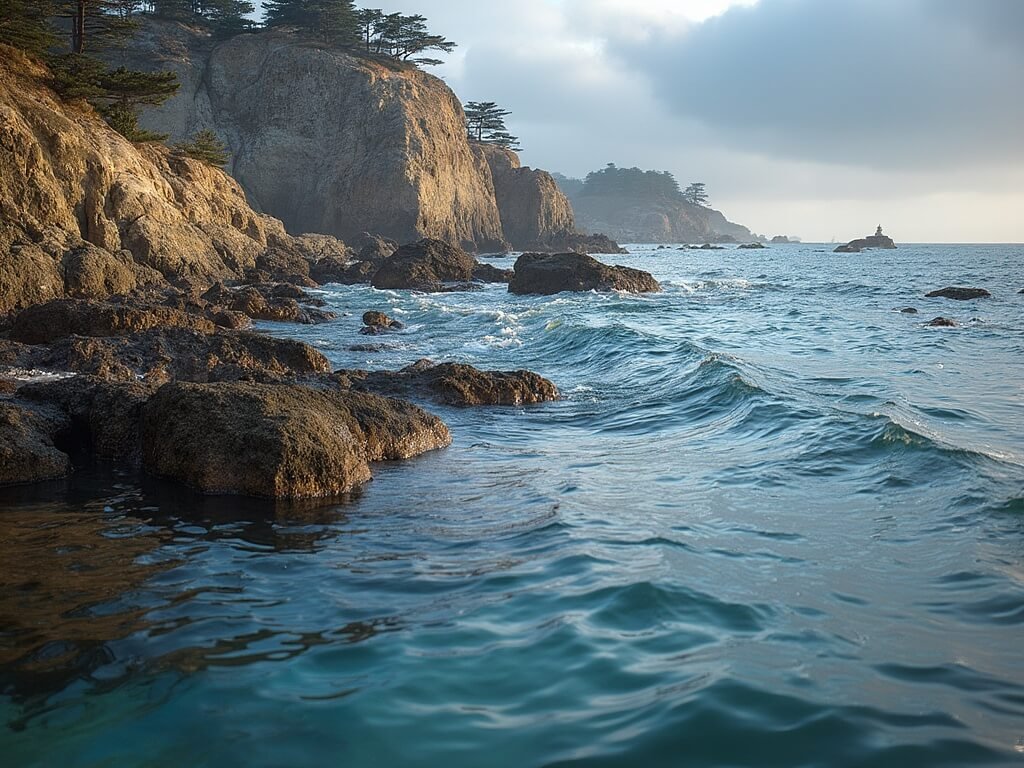
Point Lobos State Natural Reserve—arguably the most stunning coastal park in California—transforms in May. The wildflowers bloom along the trails. The water clarity improves as winter storms settle. Marine life becomes more visible and active. And you’re not battling summer crowds for parking spots or trail space.
I spent an entire morning photographing the coastline at Point Lobos during a May visit, and I encountered maybe twenty other people on the trails. Try that in July.
The wildlife viewing actually improves in May compared to summer months. Grey whales are completing their northward migration, and whilst the peak season runs January through March, stragglers and early-returning whales often appear through May. Sea otters, seals, and sea lions remain active and visible year-round, but the comfortable temperatures make spending time watching them far more pleasant.
Big Sur driving conditions in May typically beat summer hands down. Highway 1 closures from winter storms usually get resolved by May (though always check current conditions). The waterfalls still flow from winter rainfall. The hills remain green rather than the summer brown. And you’re not stuck in bumper-to-bumper tourist traffic.
The extended daylight hours create opportunities that other months simply can’t match. You can leave Monterey at 3 PM, drive the Big Sur coast, and still have hours of daylight for stopping at viewpoints, hiking short trails, and finding that perfect sunset spot.
May’s practical advantages:
- Comfortable temperatures for extended outdoor activities
- Reduced tourist crowds at major attractions
- Lower accommodation costs than peak summer
- Better driving conditions than winter
- Still-flowing waterfalls and green landscapes
- Extended daylight for maximising each day
- More availability for tours and activities
The weather that disappoints beach lovers creates ideal conditions for everyone else. Monterey isn’t primarily a beach destination anyway—it’s about dramatic coastlines, marine life, hiking, scenic drives, and world-class aquarium visits. May’s climate supports all of those better than the “better” summer months.
When Exactly in May Should You Visit?
Not all May days are created equal.
Early May typically runs slightly cooler and potentially wetter than late May. You’re closer to April’s weather patterns, which bring more variability. But you’ll also find the lightest crowds and best hotel rates.
Mid-May hits the sweet spot for most visitors. Weather patterns have stabilised. Temperatures trend slightly warmer. Wildflowers reach peak bloom. And you’re still ahead of the Memorial Day weekend rush.
Late May, particularly the Memorial Day weekend itself, sees crowds surge as Americans kick off their summer travel season. Prices jump. Availability tightens. Traffic increases noticeably.
If you’ve got flexibility, aim for the second or third week of May. You’ll catch Monterey at its most balanced—decent weather, manageable crowds, reasonable prices.
Weekdays beat weekends regardless of which part of May you choose. Monterey attracts heavy weekend traffic from San Francisco and San Jose, just two hours north. Tuesday through Thursday offers the calmest experience.
The weather doesn’t dramatically change week to week within May, but the warming trend is noticeable. Those occasional warm days reaching high 60s or low 70s become slightly more common as the month progresses.
Your activity plans should influence timing too. If whale watching tops your list, earlier May gives you better odds of catching late-migrating grey whales. If you’re chasing wildflowers, mid-May typically delivers peak blooms. If you want maximum daylight for Big Sur photography, late May provides the longest days.
How May Compares to Other Monterey Months
Context helps set realistic expectations.
May sits comfortably warmer than April (which averages highs of 62°F) but noticeably cooler than June (65°F). That two-degree difference between May and June sounds trivial but feels significant when combined with wind patterns and marine layer behaviour.
September and October deliver Monterey’s warmest, clearest weather—those months average 72°F highs with less fog. But they also bring peak pricing and crowds lingering from summer.
Winter months (December through February) offer their own charm with dramatic storms, impressive waves, and the height of whale migration season. But you’ll need proper rain gear, and outdoor activities become limited.
May avoids the extremes. It’s neither the coldest nor warmest, neither the wettest nor driest, neither the most crowded nor most deserted. That middle-ground positioning makes it either perfect or frustrating depending entirely on what you’re after.
For pure weather quality, September through October wins. For budget-conscious travellers, January through March (excluding holidays) offers the best deals. For balanced conditions considering weather, crowds, and costs, May lands in the top three alongside October and April.
The marine layer—that thick fog bank that rolls in from the ocean—behaves differently across seasons. Summer months see persistent morning fog that sometimes lingers all day. May typically experiences lighter, shorter-duration fog that burns off by late morning. Your coastal views stay clearer more consistently.
I’ve visited Monterey across most months now, and May consistently delivers the most “cooperative” experience. Not the best weather, not the best prices, not the fewest crowds—but the best overall combination of all those factors.
Ready to plan your May getaway? Learn more about California in May and discover even more hidden gems and travel tips.
The Monterey Attractions That Actually Benefit from May’s Climate
Most travel guides list the same attractions without considering how weather impacts the experience. Let’s fix that.
The Monterey Bay Aquarium operates identically regardless of outside temperature, which makes May’s moderate climate perfect for the before-and-after. You can spend two hours inside without feeling guilty about “wasting” sunshine, then comfortably explore the outdoor tide pools and Ocean View Deck without overheating or freezing.
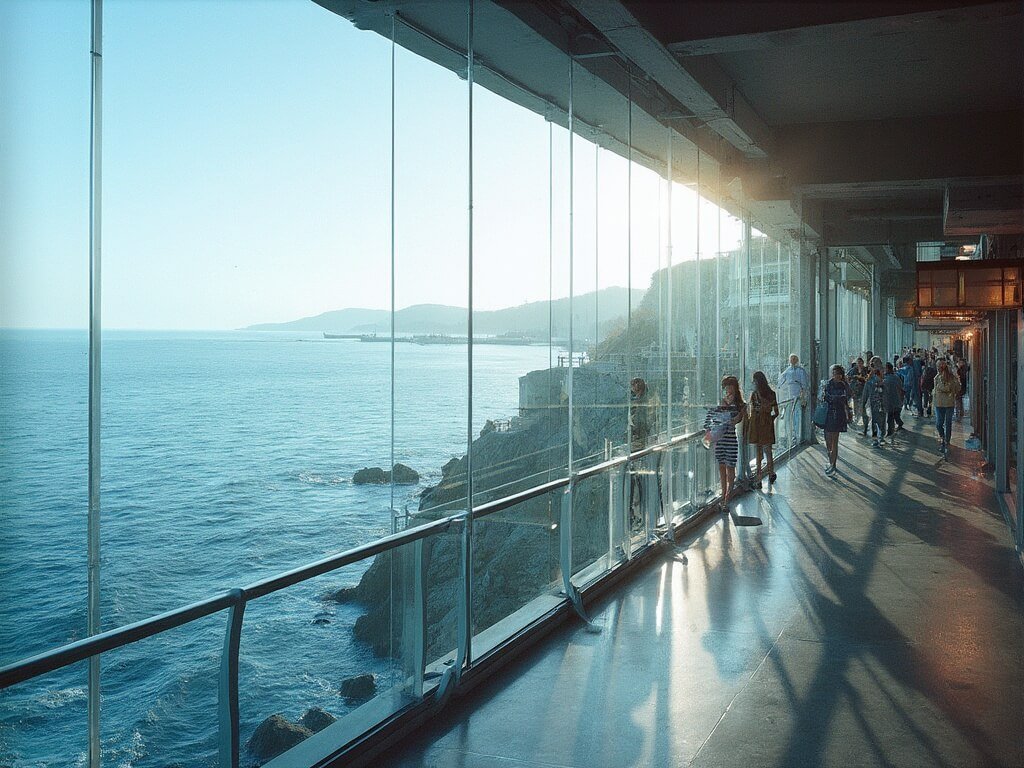
Summer visitors often feel trapped—it’s either sweltering outside or comfortable inside, creating decision paralysis. May eliminates that tension entirely.
Cannery Row deserves more time than most people give it. The historic sardine canning district turned tourist hub gets dismissed as too commercial, but the architecture and history remain genuinely interesting if you’re not rushing through it whilst shivering or sweating.
May’s comfortable temperatures let you actually stroll. Stop at the historical plaques. Duck into the smaller museums. Grab an outdoor table at a waterfront restaurant without calculating if you’ll need to flee indoors within ten minutes.
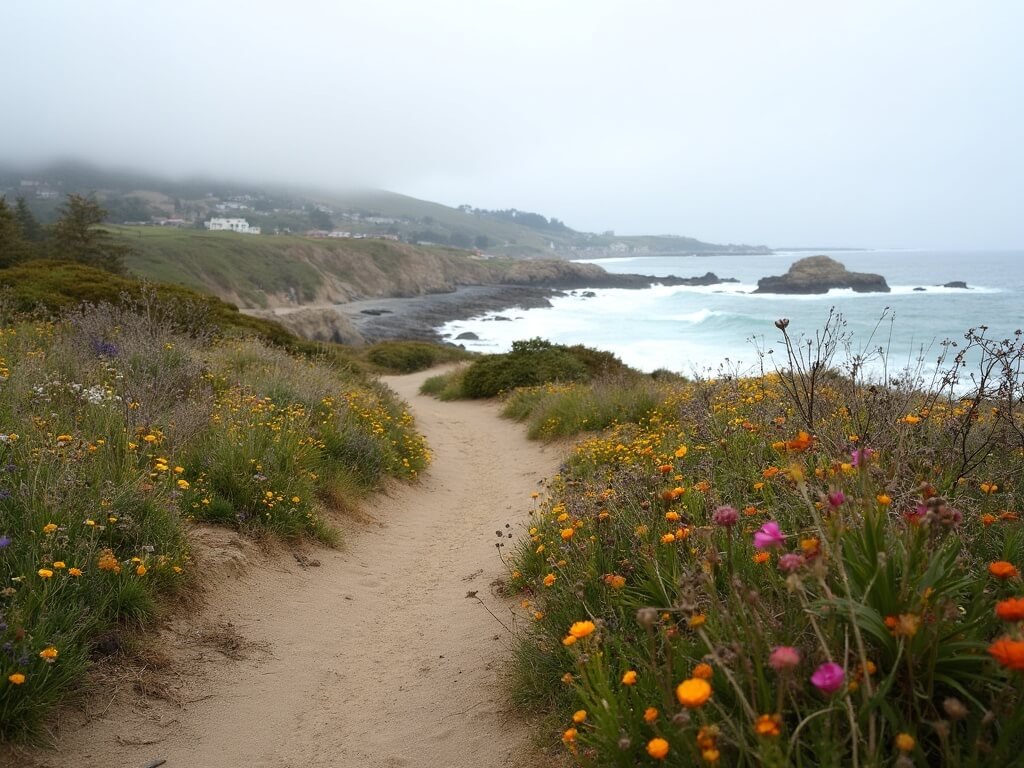
I discovered the Cannery Row recreational trail during a May visit—a coastal path connecting Monterey to Pacific Grove that most tourists completely miss because they’re either too hot or too cold to consider a two-mile walk. The trail delivers stunning ocean views, passes tide pools, and hits several beaches worth exploring. May’s climate makes that walk pleasant rather than punishing.
Point Pinos Lighthouse in Pacific Grove operates year-round, but May offers the ideal conditions for exploring the surrounding area. The lighthouse sits in a coastal area that gets absolutely hammered by wind and fog during summer months. May typically provides clearer conditions and calmer winds, making the walk around the grounds and nearby beaches far more enjoyable.
Attractions that shine specifically in May:
- Tide pooling at any coastal access point (stable weather, active marine life)
- 17-Mile Drive (green landscapes, clear views, comfortable for stops)
- Carmel Beach walks (moderate temperatures, fewer fog delays)
- Garrapata State Park (wildflowers, manageable hiking temperatures)
- Asilomar State Beach (comfortable for extended beach walking)
The wine tasting rooms in downtown Monterey and Carmel Valley become more appealing in May as well. Summer heat makes wine tasting rooms feel stuffy. Winter cold makes the drive to Carmel Valley less appealing. May hits that Goldilocks zone where a wine tasting afternoon feels like a natural choice rather than a weather-dictated fallback plan.
Related: California in May | average weather in May in Monterey
The Food Scene Without the Summer Markup
Monterey’s restaurant scene doesn’t fundamentally change across seasons, but your experience of it certainly does.
May brings shoulder-season pricing at many establishments. The premium summer pricing hasn’t kicked in yet, but you’re past the slow winter months when some places reduce hours or close for maintenance.
Outdoor dining becomes genuinely viable in May—with caveats. You’ll still want that jacket for evening meals, and waterfront locations remain breezy, but midday and early evening offer pleasant outdoor dining conditions that summer fog often ruins.
The Fisherman’s Wharf restaurants serve identical seafood year-round, but May gives you the best shot at actually getting that coveted outdoor table overlooking the water without a two-hour wait. Summer weekends turn those spots into competitive nightmares.
I’ve noticed that May brings out better service at Monterey restaurants. Servers aren’t exhausted from relentless summer tourist waves yet. Kitchens haven’t reached that breaking point where quality slips. Everyone’s still relatively fresh and motivated.
The clam chowder tastes identical in May as July, but you’ll enjoy it more without crowds pushing past your table every thirty seconds.
Local seafood markets and the Saturday Farmers Market at Monterey Peninsula College operate with full spring inventory in May. You’re getting excellent California produce and fresh seafood without the chaotic summer crowds that make browsing nearly impossible.
If you’re renting a place with a kitchen, May shopping at these markets beats the summer experience hands down.
What Nobody Mentions About May Events
May doesn’t bring Monterey’s major festivals—those cluster in September and October—but that absence matters more than you’d think.
The AT&T Pebble Beach Pro-Am hits in February. The Monterey Jazz Festival dominates September. The Concours d’Elegance takes over August. Big Sur Marathon happens in April.
May sits in this quiet zone between major events, which dramatically impacts hotel availability and pricing.
I’ve tried visiting Monterey during major events twice. Both times I swore I’d never do it again. Hotels triple their prices. Traffic becomes absurd. Restaurant reservations require divine intervention.
May’s lack of major events means Monterey functions like itself rather than like a temporary event venue.
You can book accommodations the week before your trip. You can decide on dinner plans that morning rather than three weeks prior. You can change your itinerary on the fly without accommodation nightmares.
Smaller community events do happen in May—gallery openings, wine tastings, local performances—but nothing that overwhelms the region’s infrastructure.
The Monterey Bay Underwater Film Festival sometimes lands in late May, and if you’re into marine conservation or underwater photography, it’s worth checking dates. But even that event doesn’t create the logistical nightmares of the major festivals.
The Big Sur Day Trip That May Makes Possible
Most Monterey visitors want to drive at least some of Big Sur. May offers conditions that make that drive significantly better than other months.
Highway 1 through Big Sur closes regularly in winter due to storm damage. Even when officially open, winter conditions can include rock slides, rough surfaces, and limited visibility from rain.
Summer brings clear conditions but also brings traffic that turns the scenic drive into a frustrating crawl.
May typically delivers repaired roads from winter damage, reduced traffic compared to summer, and weather conditions that keep views clear more consistently than the foggy summer months.
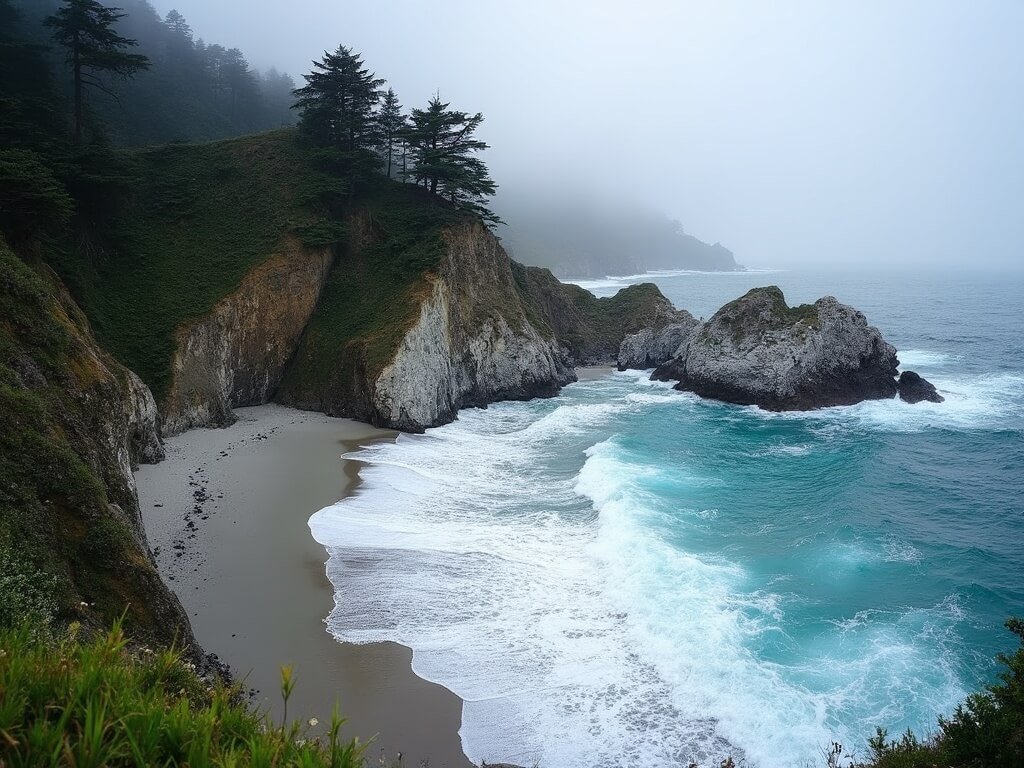
The waterfalls along Big Sur—McWay Falls being the most famous—flow year-round but peak in winter and spring. By May you’re catching the tail end of impressive flow before summer reduces them to trickles.
I drove Big Sur in both May and August one year. The May drive took four hours from Monterey to Lucia and back with plenty of stops. The August drive took six hours covering the same distance with identical stops—entirely due to traffic congestion.
Big Sur in May advantages:
- Repaired roads from winter damage
- Reduced traffic compared to peak summer
- Waterfalls still flowing impressively
- Green landscapes from spring growth
- Comfortable hiking temperatures
- Longer daylight for extended drives
- Better accommodation availability
Read more: Big Sur travel guide
The Accommodations Strategy That Saves You Hundreds
May’s shoulder-season status creates pricing opportunities that disappear by June.
Monterey accommodations range from budget motels on Munras Avenue to luxury resorts along the coast, with everything between. Summer pricing pushes even mid-range hotels into premium territory.
May keeps prices in that reasonable zone where you can afford the nicer place rather than settling for the budget option.
The strategy that works: book directly with hotels in May rather than using third-party sites. Hotels in shoulder season often offer direct booking discounts they don’t extend during summer months.
Pacific Grove offers the best value proposition in May. It sits right next to Monterey with identical coast access but typically costs 20-30% less for comparable accommodations.
Carmel sits on the expensive end regardless of season, but May pricing makes it almost reasonable. Almost.
Vacation rentals follow similar patterns. May sits in that zone where owners haven’t yet implemented peak-season pricing but have moved past winter discount rates.
The Mistakes People Still Make in May
Mistake #1: Underestimating the cold
The average high of 63°F means many days never hit that mark. Pack like it’s autumn in most other places, not late spring.
Mistake #2: Skipping inland areas
The Salinas Valley runs warmer and offers wine, agri-tourism, and cultural sites like the National Steinbeck Center.
Mistake #3: Overpacking the itinerary
Despite 14+ hours of daylight, traffic and parking still slow you down.
Mistake #4: Ignoring tide schedules
Tide pooling and beach access depend on tide timing. Check charts before planning your coastal stops.
Mistake #5: Assuming all days are equal
May is stable, but not perfect. Fog, wind, or cooler temps can still affect plans. Stay flexible.
Mistake #6: Eating only on Cannery Row
Venture into downtown Monterey, Pacific Grove, or Carmel for better prices and often better food.
Mistake #7: Driving everywhere
Use the Monterey coastal path system. It’s scenic and efficient, and May weather makes walking or biking comfortable.
What May Really Offers (Beyond the Weather Report)
May delivers something more valuable than temperatures: accessibility.
Monterey in May doesn’t require extensive planning, special gear, or tolerance for massive crowds and high prices. Instead, it offers functional comfort—the kind of travel where you’re not constantly battling conditions or logistics.
Explore more: Things to Do in Central California | Free Things to Do in Monterey
For more seasonal insights, visit the Monterey weather by season guide.