Yosemite Village in July is both a dream and a test of your planning skills.
I’m talking scorching valley floors that hit 90°F by midday, crowds thick enough to make Disneyland look empty, and a dryness so extreme your lips will crack within hours if you’re not prepared.
But here’s the thing most travel blogs won’t tell you: July is also when Yosemite becomes fully accessible for the first time since autumn.
Every road opens.
Every trail becomes hikeable.
The entire park is yours to explore.
So is July worth it, or should you run for the hills (literally)?
Let me break down exactly what you’re getting into.
The Temperature Swing That Catches Everyone Off Guard
Most people check the weather forecast, see “90°F” and pack accordingly.
Big mistake.
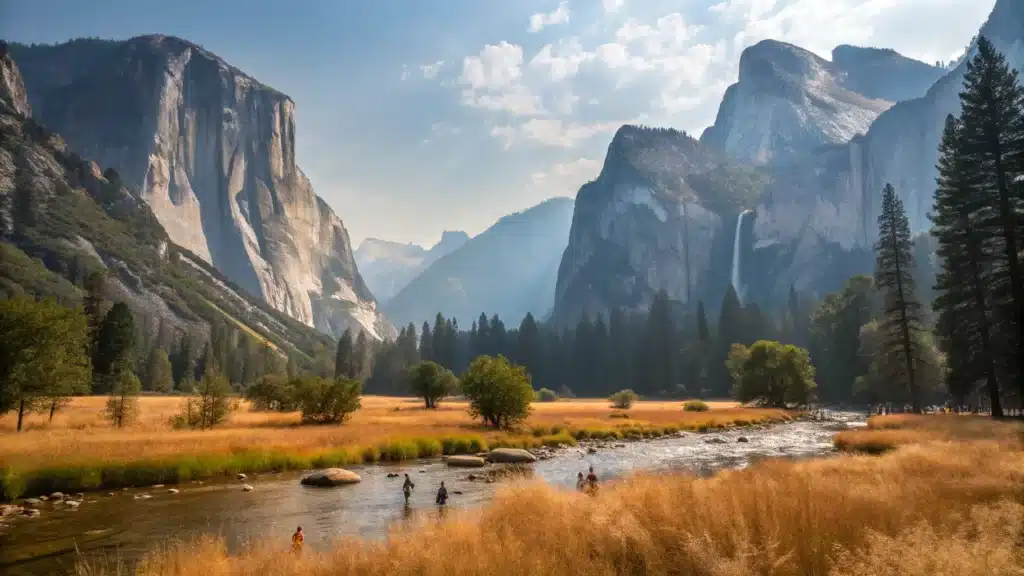
Yosemite Valley sits at 4,000 feet elevation with average highs around 90°F and lows dropping to 54-57°F at night. That’s a 35-degree swing in less than 12 hours. Some rare days even crack 100°F, turning the valley floor into an oven.
But drive 45 minutes up to Tuolumne Meadows at 8,000 feet?
You’re looking at a high of just 72°F and nighttime lows of 38°F. That’s near freezing whilst the valley below bakes in summer heat.
Here’s what this means for you:
- Morning starts chilly (jacket weather)
- Midday becomes blazing hot (shorts and tank top)
- Evening requires layers again (fleece or light jacket)
- Higher elevations need winter-adjacent gear even in peak summer
I learned this the hard way on my first July visit when I hiked up to Clouds Rest. Started the day sweating through my shirt in the valley at 7am. By the time I reached the summit around noon, I was shivering in a cold wind without proper layers. Had to cut the trip short because I genuinely wasn’t prepared for a 20-degree temperature difference over the course of a few hours.
The elevation gradient in Yosemite creates microclimates that can vary by 10°F or more within short distances. You might be sweltering in your car park only to find freezing conditions an hour’s hike away.
Why July’s “Dry” Weather Is More Complicated Than It Sounds
Rain in July? Barely.
You’re looking at maybe 1-2 rainy days for the entire month, with only 0.4 inches of total precipitation. There’s just a 13% chance of rain on any given day.
Sounds perfect for outdoor plans, right?
Not quite.
That extreme dryness comes with consequences most visitors don’t anticipate. The mountain air strips moisture from everything—your skin, your lips, your nasal passages. If you’re coming from a humid climate, you might even develop allergy-like symptoms as your body adjusts.
I pack intensive moisturising lotion now as a non-negotiable item. Not doing so on my second trip left my hands so dry and cracked that I could barely grip my camera by day three.
The dryness also means:
- Sunburn happens faster than at sea level
- Dehydration creeps up without warning
- Your water bottle empties twice as fast as you’d expect
- Chapstick becomes your best friend
The UV exposure at elevation combined with 14.5 hours of daylight (sunrise at 5:47am, sunset at 8:18pm) means you’re getting pummelled by solar radiation for most of your waking hours. SPF 30+ becomes mandatory, not optional.
But here’s the curveball: whilst the valley stays bone-dry, afternoon thunderstorms regularly pop up in the high country, especially near the Sierra Crest and around Tuolumne Meadows. You can be standing in blazing sunshine in Yosemite Valley whilst hikers at higher elevations are dodging lightning strikes.
The Fire Season Reality Check You Need to Hear
July marks the beginning of proper fire season in the Sierra Nevada.
Lightning strikes become more common than in June, and whilst many of these fires are natural and actually healthy for forest regeneration, they also mean potential smoke and hazy conditions.
Here’s what most guidebooks gloss over: humans cause the majority of large, destructive wildfires in Yosemite. That cigarette butt someone tosses? That campfire someone doesn’t fully extinguish? Those create far more damage than natural lightning fires.
The smoke situation varies wildly from year to year. Some Julys are crystal clear with 100-mile views. Others get choked with smoke from fires burning hundreds of miles away, turning your scenic vistas into grey murk.
Check current conditions before you go:
- Air quality reports
- Active fire maps
- Park service alerts
- Regional smoke forecasts
There’s no way to predict months in advance whether smoke will affect your July visit. It’s the one wild card that can completely alter your experience.
Every Road Finally Opens (And Why That Changes Everything)
This is where July starts to shine.
All those roads that remain closed through spring due to snow? Fully open by July.
You get access to:
- Glacier Point Road (closed roughly November through May)
- Tioga Pass and Tioga Road (typically closed November through May or June)
- High country trailheads that remain snowbound until summer
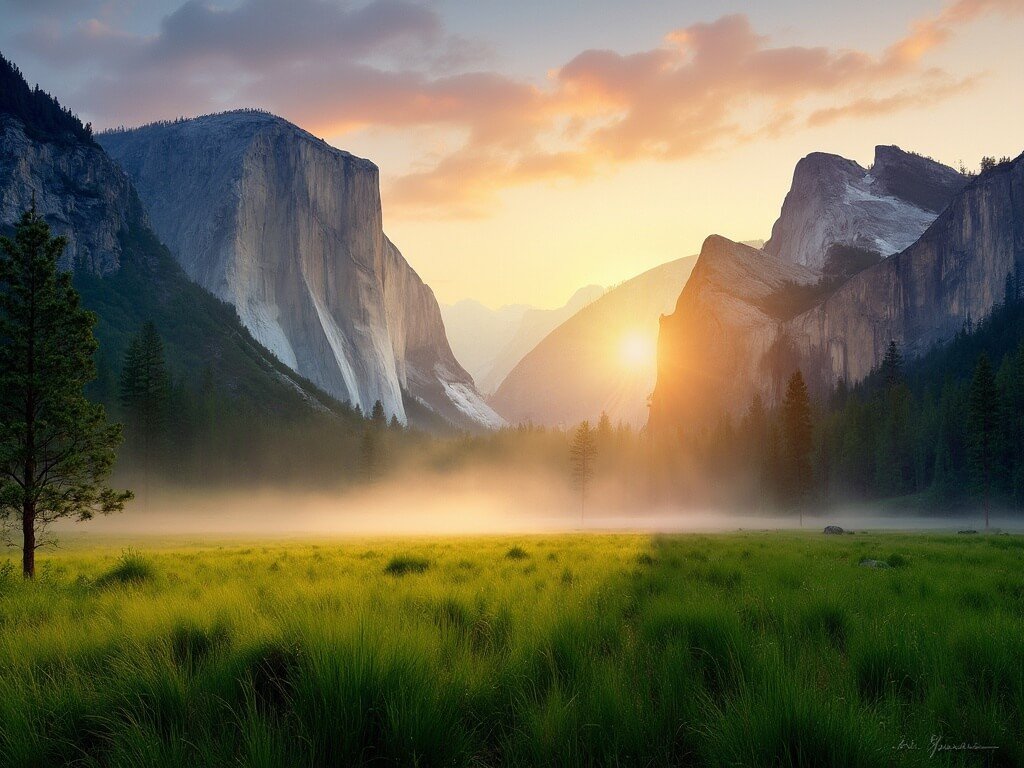
Glacier Point alone justifies a July visit for many people. You can drive right up to one of the most spectacular overlooks in North America, staring directly at Half Dome from across the valley. During winter and spring, you’d need to ski or snowshoe 10+ miles just to reach this spot.
Tioga Pass opens up the entire high country, giving you access to Tuolumne Meadows, Tenaya Lake, and countless alpine hiking trails. It also provides an alternative northern entrance through Lee Vining, where temperatures sit pleasantly in the 80s°F at higher elevation.
The southern entrances near Bass Lake and Oakhurst typically run warmer than the park itself, which means you’re trading convenience for extra heat if you’re staying in those gateway communities.
With full road access comes full trail access. Minimal snowfields remain by July, and those that do rarely require navigation skills or special equipment. The highest peaks might still hold some snow, but most trails are completely clear and hikeable without microspikes or ice axes.
The Hiking and Backpacking Sweet Spot
July represents peak accessibility for Yosemite’s trail network.
Half Dome cables? Up and climbable.
Glacier Point trails? Snow-free and stunning.
High country loops? Ready for backpacking.
This is when experienced hikers and backpackers flood the wilderness areas to escape valley crowds. The predictable weather means you can plan permits without worrying about snowouts or impassable conditions. You won’t be postholing through waist-deep snow or fording swollen creeks like you might in May or June.
For backpackers specifically, July offers:
- Reliable trail conditions for route planning
- Snow-free campsites at most elevations
- Reduced creek crossing dangers (water levels dropping from spring peak)
- Extended daylight for covering more miles
- Warmer overnight temperatures (though still cold at altitude)
Day hikers benefit too. Most of Yosemite’s iconic trails become accessible without specialised gear. You can tackle the Mist Trail, Vernal Fall, Nevada Fall, and countless other routes with just standard hiking equipment.
But here’s the trade-off: waterfalls start diminishing by July. Yosemite Falls, which thunders with thousands of gallons per second in May, often reduces to a trickle or dries up completely by midsummer. If waterfalls are your primary goal, you’re already a month or two late.
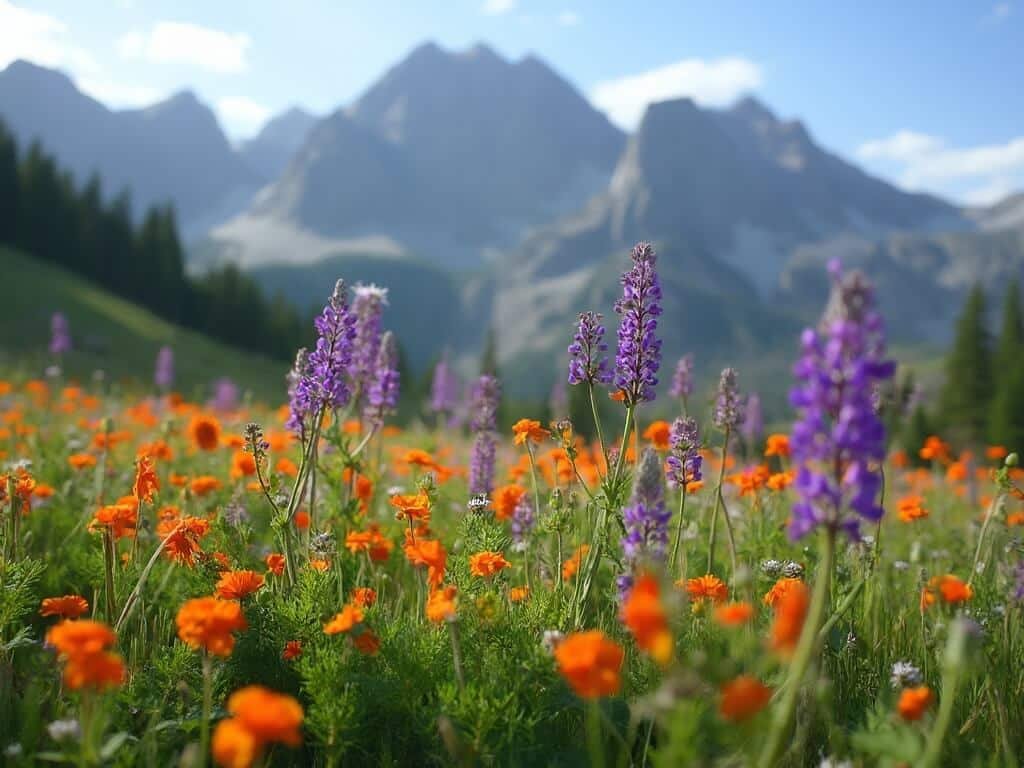
The wildflower displays, however, hit their peak in July. Meadows explode with colour as alpine flowers bloom in the short high-country growing season. Lupine, Indian paintbrush, and countless other species create landscapes that look photoshopped.
Water Activities Nobody Mentions (Because They’re Freezing)
Want to beat the July heat?
The Merced River becomes your salvation.
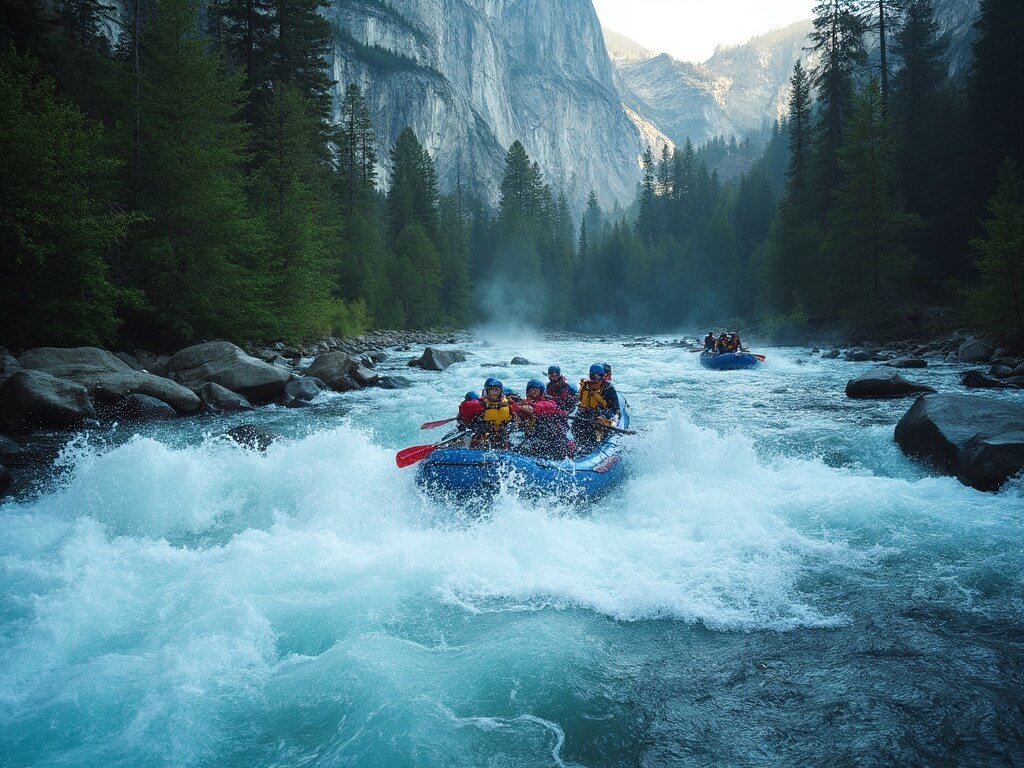
Whitewater rafting and still water rafting open up as summer activities, giving you a completely different perspective on the valley. The water stays bracingly cold—we’re talking snowmelt-fed temperatures that make your teeth chatter—but on a 95°F afternoon, that icy plunge feels absolutely glorious.
Swimming holes dot the Merced River throughout the valley. Locals know the best spots, but you’ll find plenty of accessible areas where families and hikers cool off between activities. Just respect the current and stay in designated safe zones. The Merced might look calm, but it has claimed lives from people who underestimated its power.
The cold water provides instant relief from heat that can feel more intense than the thermometer suggests. That dry air and extended sunlight make 90°F feel hotter than the same temperature in humid climates. Your body struggles to cool through evaporation when you’re already bone-dry.
I’ve watched countless visitors attempt the Mist Trail in midday July heat without adequate water, only to see them suffering halfway up whilst others who started early or went swimming first cruise past looking fresh. Timing and cooling strategies matter more in July than any other month.
Want more ideas for your trip? Check out our guide to free things to do in Yosemite Village or explore what else is happening in California in July.
The Wildlife You’ll Actually See (And the Precautions You Can’t Skip)
July brings Yosemite’s wildlife into full summer mode.
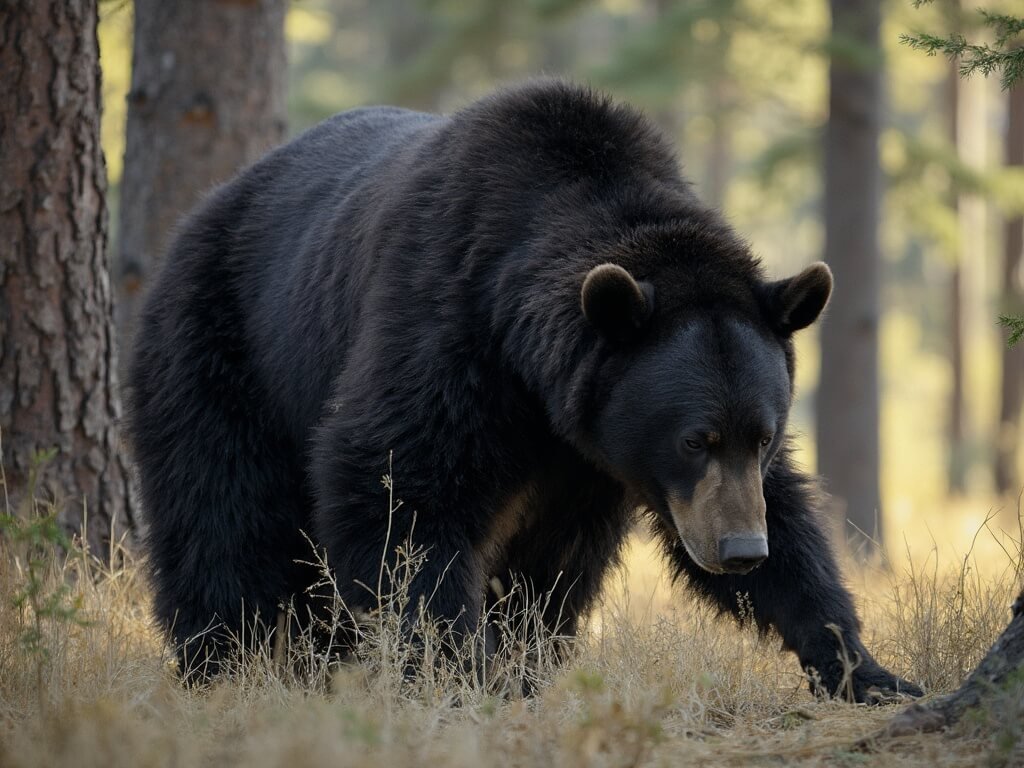
Bears have long since emerged from hibernation and are actively foraging throughout the park. Yosemite mule deer populate the meadows in numbers you won’t see during other seasons. Flora and fauna hit peak activity levels, making wildlife viewing one of July’s genuine highlights.
But let’s talk about what this really means for your trip.
Bear encounters become significantly more likely in July simply because both you and the bears are using the same spaces. They’re not aggressive by nature, but they are food-motivated and surprisingly intelligent about accessing human food.
Here’s what actually works for bear safety:
- Store ALL scented items in bear lockers (yes, including your toothpaste and deodorant)
- Never leave food in your car, even for “just a few minutes”
- Use bear canisters in the backcountry without exception
- Make noise on trails to avoid surprising bears at close range
- Carry bear spray if you’re heading into wilderness areas
I’ve seen a bear rip the door completely off a car in Curry Village parking lot because someone left a cooler visible on the back seat. The damage exceeded $3,000, and the park rangers had to track and potentially euthanize the bear because it learned to associate vehicles with food.
That’s the reality nobody wants to talk about: when you’re careless with food storage, you’re not just risking your own property—you’re potentially signing a death warrant for a wild animal.
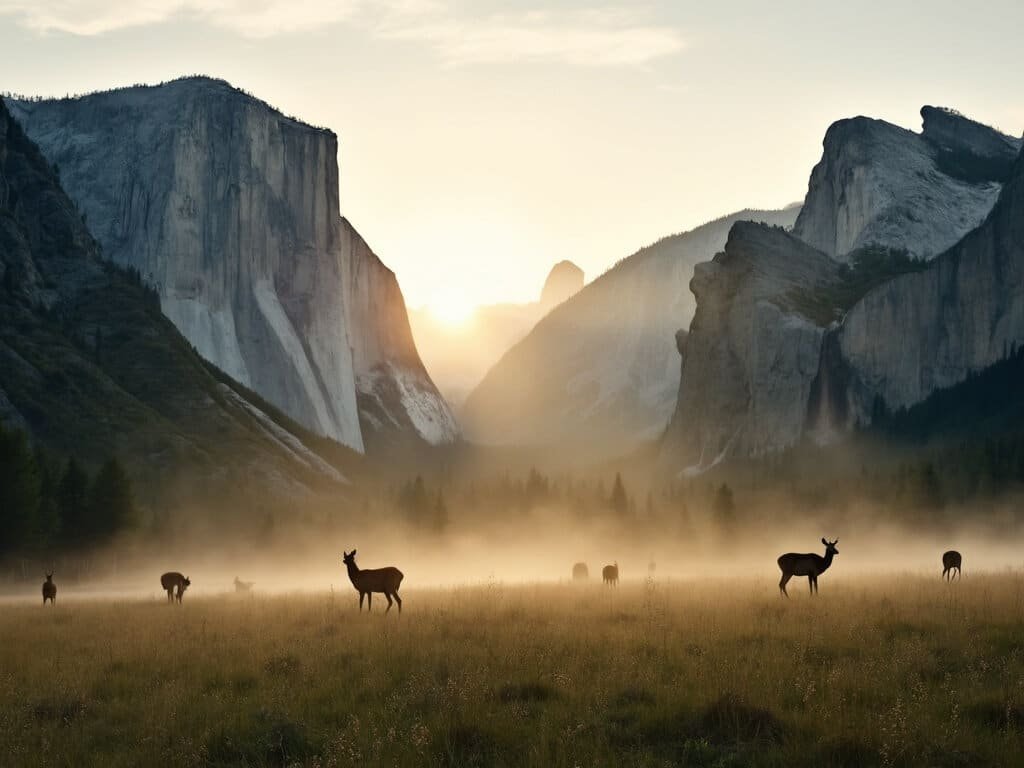
The mule deer are far less dangerous but still deserve respect. During July, does often have fawns nearby, making them more defensive than usual. Keep your distance for photos (telephoto lenses exist for this reason), and never attempt to touch or feed any wildlife.
The ranger programs running in full swing by July offer interpretive experiences that help you understand what you’re seeing. These naturalist-led walks and talks provide context that transforms casual wildlife viewing into genuine education about the ecosystem.
The Crowd Problem Everyone Complains About (And How to Actually Beat It)
Let’s not sugarcoat this: July is Yosemite’s busiest month.
Peak summer crowds descend on the valley in numbers that can make parking lots look like shopping mall madness and trailheads resemble concert venue queues.
Where crowds gather:
- Lower Yosemite Fall
- Bridalveil Fall parking area
- Glacier Point overlook
- Mirror Lake trailhead
- Tunnel View pullout
- Yosemite Village shops and restaurants
Where crowds don’t go:
- Any trail after the first mile
- High country destinations requiring Tioga Road access
- Early morning starts (before 8am)
- Evening activities (after 6pm)
- Backcountry campsites
The valley floor represents less than 1% of Yosemite’s total area, yet it attracts roughly 90% of visitors. Step literally one mile beyond the main attractions, and you’ll find yourself in relative solitude.
Backpackers use this to their advantage. The wilderness permit system limits overnight users, creating an automatic crowd filter. Once you’re a few miles from any trailhead with a pack on your back, you’ve escaped 99% of the park’s visitors.
Timing strategies that actually work:
- Start hikes at sunrise
- Visit Glacier Point at sunset
- Eat lunch on the trail
- Explore Tuolumne Meadows during valley peak hours
- Plan major destinations for weekdays
The Hydration Math That Could Save Your Trip
Three litres minimum for day hiking.
At 4,000+ feet elevation in 90°F heat, your body loses water rapidly, often without you realizing it.
Most people accustomed to humid climates don’t recognize they’re dehydrating because they’re not visibly sweating. The moisture evaporates instantly, creating the dangerous illusion that you’re not working that hard.
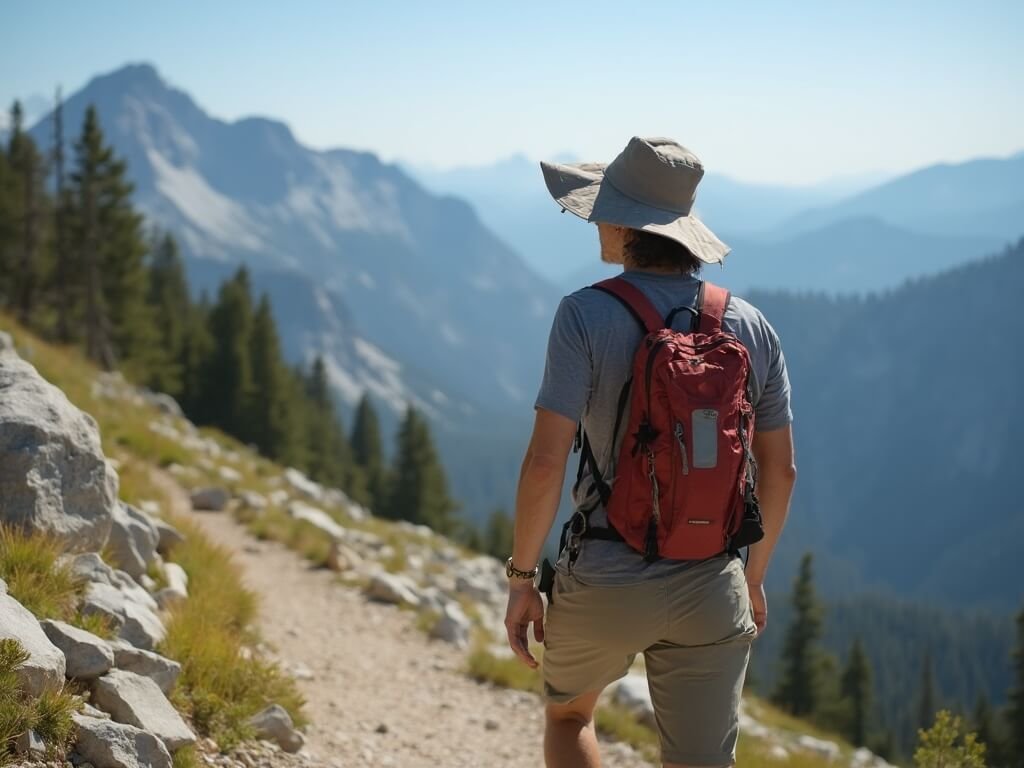
Signs you’ve already dehydrated:
- Headache
- Dizziness or lightheadedness
- Dark yellow urine or infrequent urination
- Dry mouth and lips
- Unusual fatigue
- Rapid heart rate
Electrolyte replacement matters too. I carry electrolyte tablets or mix in sports drink powder to maintain sodium balance during all-day hikes.
The Skin and Body Care Reality Nobody Warns You About
That extreme dryness? It affects your entire body.
Visitors from humid areas often develop cracked lips, bloody noses, and respiratory issues within 48 hours.
What actually works:
- Moisturizing lotion morning and night
- Chapstick with SPF used throughout the day
- Nasal saline spray
- Humectant-based skincare
- Increased water even when resting
Proper sun protection protocol:
- Broad-spectrum SPF 30+ minimum
- UV-blocking sunglasses
- Wide-brimmed hat
- Long-sleeve sun shirts
- Reapplication every 2 hours
The Clothing Strategy That Actually Makes Sense
Light, breathable clothing sounds obvious for 90°F heat.
But July demands a layering system that handles 35-degree temperature swings and quick weather shifts.
Packing essentials:
- Moisture-wicking base layers
- UPF-rated sun shirts
- Convertible pants
- Light fleece or down jacket
- Packable rain gear
Start hikes slightly cold and strip layers systematically as the day warms. Reapply later as temps drop at elevation or sunset.
The Afternoon Thunderstorm Pattern You Need to Understand
Pop-up storms in the high country are common in July.
Key danger:
You start in sun, summit at noon, and by descent you’re exposed in a lightning storm.
Always summit before noon and descend to treeline by early afternoon.
If caught in a storm:
- Get off ridges
- Avoid lone trees
- Stay away from metal
- Use a low spot and crouch
Plan visits to Yosemite in July with this weather pattern in mind.
The Gateway Community Temperature Trap
Where you stay matters more than you think.
Southern communities like Oakhurst are 5-10°F hotter than Yosemite Valley. Northern options like Lee Vining are cooler and more comfortable.
Accommodation strategy:
- In-park lodging (best)
- Lee Vining / June Lake (cooler)
- Groveland / Mariposa (moderate)
- Oakhurst / Fish Camp (hot but cheap)
Ensure accommodations include air conditioning. It’s essential, not luxury.
The Permit Planning Advantage July Offers
July offers ideal permit conditions due to stable weather and full trail access.
Best permit strategies:
- Apply 24 weeks out
- Choose weekday starts
- Explore lesser-known trailheads
- Accept route flexibility
- Use walk-up permits midweek
For stress-free planning, consider guided trips that include permits. Read this comprehensive guide to visiting Yosemite in July to better understand permit options.
The Heat Management Tactics That Separate Comfortable Visitors from Suffering Ones
Active cooling strategies:
- Midday siesta during peak heat
- Seek shade constantly
- Use water for cooling (bandanas, dunking, swimming)
- Escape to high elevations in the afternoon
- Scale back exertion during hot hours
Plan swimming breaks in the Merced River to manage core temperature. Treat it as legitimate heat safety, not recreation.
The Real Question: Is July Worth It for Yosemite Village?
After six July visits in a decade, here’s the verdict:
July is worth it if you:
- Want full park access
- Can time your visits to beat crowds
- Prepare for heat, dryness, and UV
- Enjoy swimming and interpretive programs
July is not ideal if you:
- Need solitude at major spots
- Want peak waterfalls
- Struggle with heat
- Prefer spontaneous travel
But if you make the effort, Yosemite in July gives total access to alpine landscapes under stable conditions. Just don’t expect it to be easy.
Continue planning your California experience:
- Free things to do in Lake Tahoe
- Free things to do in Mammoth Lakes
- California in June
- California in August
- Most beautiful places in the US