Yosemite Village in September is where magic meets practicality, but most visitors get it completely wrong.
They either show up expecting roaring waterfalls like June or avoid the park entirely thinking the season’s already over.
I’m here to tell you the truth about September in Yosemite Village, backed by years of experience and the kind of details you won’t find on generic travel sites.
The Temperature Rollercoaster Nobody Warns You About
Here’s what catches everyone off guard: you’ll need a puffy jacket and sunscreen on the same day.
Yosemite Valley sits at 4,000 feet, which means mornings start crisp at 47-51°F whilst afternoons climb to a comfortable 82-87°F.
But here’s where it gets interesting.
If you venture up to Tuolumne Meadows at 8,600 feet (and you absolutely should), you’re looking at highs of just 65°F and lows that can drop to freezing.
I watched a family from Florida nearly freeze on the Olmsted Point overlook because they’d packed for the Valley temperatures alone.
The elevation variation creates microclimates that let you experience three different seasons in a single day if you’re strategic about it.
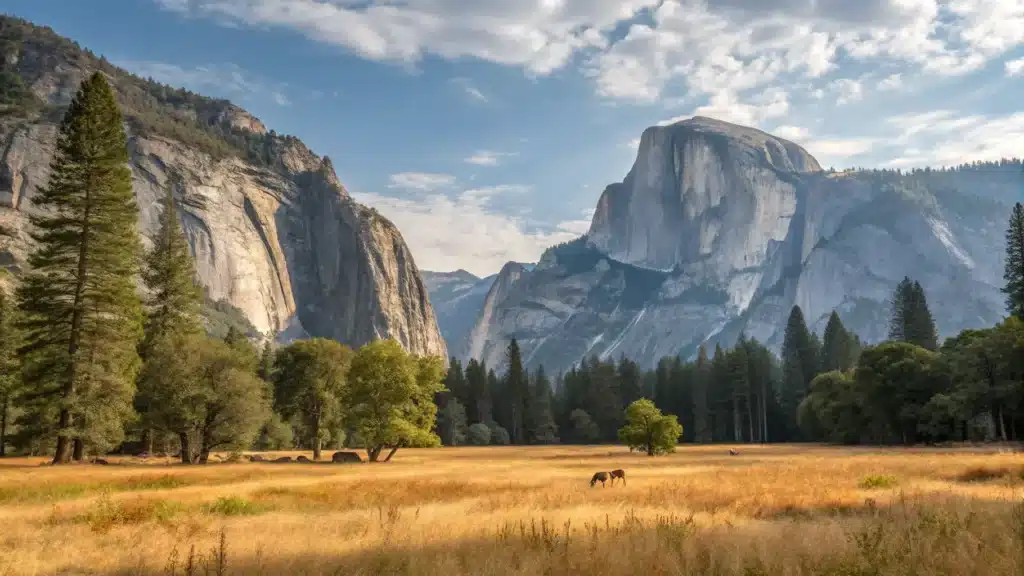
Start your morning bundled up watching sunrise reflect off Half Dome.
By noon, you’re in a t-shirt hiking the Mist Trail.
Come evening, that jacket’s back on as temperatures plummet faster than most visitors expect.
Smart Layering Saves Your Trip
Don’t overthink this, but don’t underthink it either.
Here’s what actually works:
- Base layer: moisture-wicking shirt for the afternoon heat
- Mid layer: long-sleeve fleece or light jumper for morning and evening
- Outer layer: proper puffy jacket (not just a windbreaker)
- Hiking shoes with actual traction because Yosemite’s granite is polished smooth by millions of footsteps
The temperature swings aren’t just uncomfortable if you’re unprepared—they can derail entire days of your trip.
What September Weather Actually Means for Your Plans
Rain isn’t your enemy in September.
You’ll see maybe 1-3 days of precipitation the entire month, and even that’s usually brief afternoon thunderstorms in the high country.
The dry season is in full swing, which changes everything about how you experience the park.
Creek crossings that require wading in June become simple stepping-stone hops.
Muddy trails dry out completely.
The mosquitoes that plague summer visitors have largely disappeared.
But—and this is crucial—wildfire smoke can occasionally drift into the valley.
California’s fire season peaks in September, and whilst the National Park Service manages prescribed burns carefully, you might encounter hazy conditions.
I’ve been caught in smoke thick enough to obscure Half Dome, and I’ve also had crystal-clear September days where visibility stretched forever.
Check the NPS Current Conditions map before you leave home and again each morning.
Air quality can shift overnight.
The weather is genuinely perfect for hiking most days, but mother nature doesn’t guarantee anything.
The Waterfall Reality Check You Need to Hear
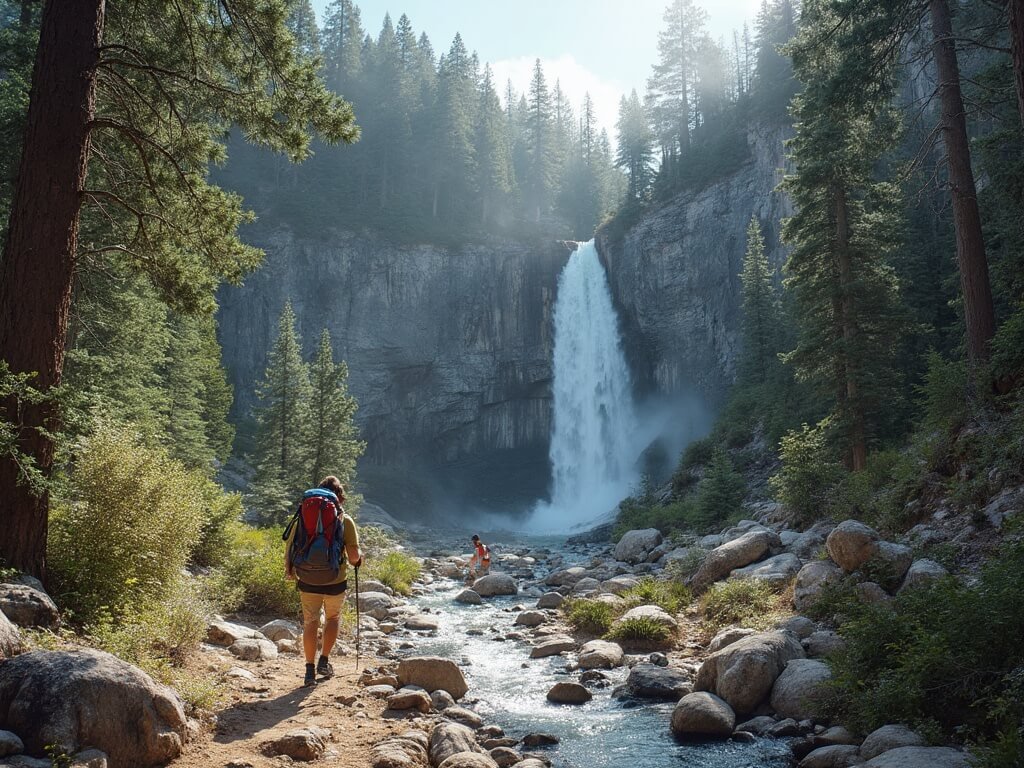
Let’s address the elephant in the room: Yosemite Falls will likely be bone dry.
By late September, the iconic waterfall that dominates every postcard and Instagram feed simply stops flowing.
The snowmelt from the previous winter is depleted, and without it, many seasonal waterfalls disappear entirely.
Bridalveil Fall slows to a whisper.
Yosemite Falls becomes a stark granite face with no water at all.
Sounds disappointing, right?
Here’s the thing nobody tells you: the perennial waterfalls like Vernal and Nevada Falls keep flowing year-round.
They’re reduced to trickles compared to their spring fury, but they’re still worth every step of the hike.
I actually prefer hiking the Mist Trail in September because you can get incredible views without being drenched in spray and fighting crowds three-deep at every viewpoint.
The reduced water flow reveals rock formations and geological features hidden during peak flow months.
You’ll notice intricate patterns in the granite, side channels carved over millennia, and pools that become accessible when water levels drop.
The park transforms rather than diminishes.
If waterfalls are your primary objective, book for May or June instead.
But if you want the full Yosemite experience minus certain challenges, September delivers brilliantly.
Why the Crowds Vanish After Labor Day (And Why You Should Care)
The difference between early September and mid-September is night and day.
Labor Day weekend marks the invisible line where Yosemite shifts from absolute chaos to surprisingly peaceful.
Families return to school schedules.
International tourists thin out.
The Valley parking lots that require circling for hours in July suddenly have available spaces.
I’ve visited Yosemite in both August and late September, and the contrast is striking.
In August, the trailhead for Half Dome had cars parked along the road for a quarter mile.
Rangers directed traffic like it was a concert venue.
Three weeks later in September, I walked straight into a parking spot and started hiking within five minutes of arriving.
This isn’t just about convenience—it changes the entire quality of your experience.
Cathedral Lakes without crowds reflecting in the water.
Olmsted Point where you can actually stand at the rail and contemplate the view without someone bumping into you.
Tunnel View at sunset that feels like a private showing rather than a crowded theatre.
The trails still have visitors, obviously.
Yosemite is never truly empty.
But you’ll find pockets of solitude that simply don’t exist during peak summer.
The Accommodation Paradox
Here’s where September gets weird: fewer crowds but expensive lodging.
Hotels and lodges inside the park charge premium rates because they know September weather is near-perfect.
Bookings happen six months in advance, sometimes earlier.
Camp 4 and other campgrounds fill up, though not with the same desperation as summer months.
The solution most savvy visitors use: book accommodations in nearby towns like El Portal or Mariposa where rates drop significantly compared to in-park options.
You’ll drive 30-45 minutes more, but you’ll save enough to justify an extra day or better meals.
The Wildlife Window Most Visitors Miss Entirely
September is when Yosemite’s animals put on their best show.
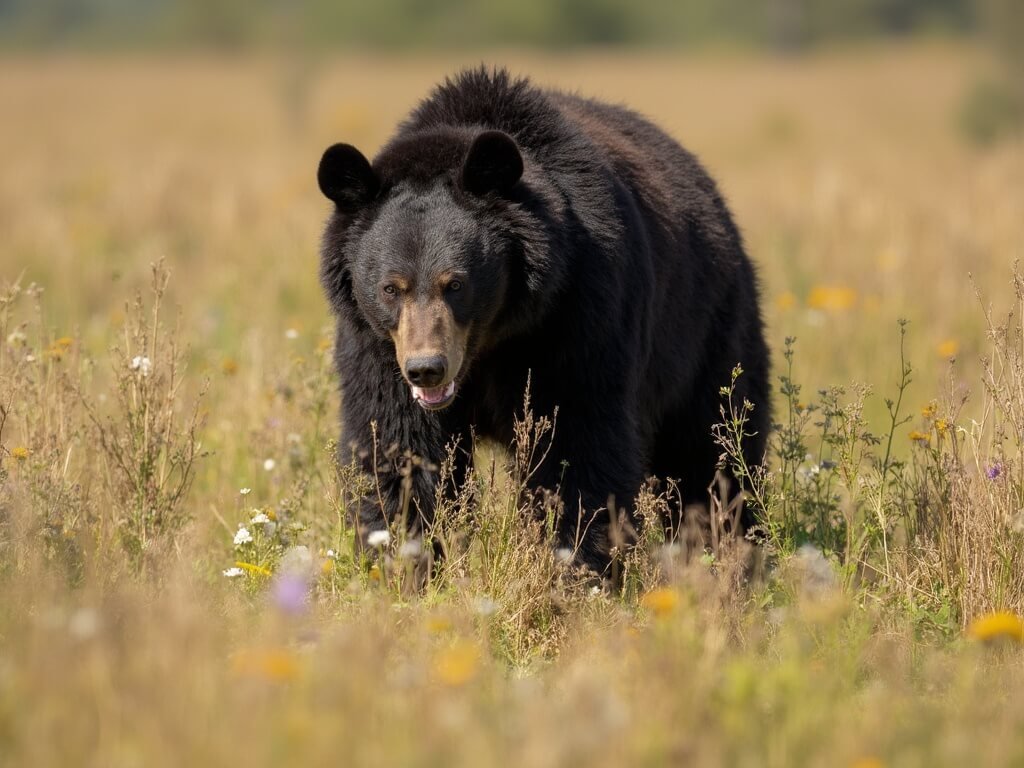
Black bears are frantically feeding, building up reserves before winter hibernation.
They’re visible, active, and less bothered by human presence than in other months when they’re more cautious.
I watched a bear spend forty-five minutes working through a meadow near Crane Flat, completely absorbed in finding grubs and berries.
A small crowd gathered, everyone maintaining proper distance with cameras out.
The bear never once looked concerned about us.
That kind of extended wildlife viewing rarely happens in peak season when everything and everyone is more on edge.
Mule deer congregate in meadows filled with late-blooming wildflowers.
The bucks’ antlers are in full velvet, and you’ll spot them lounging in afternoon sun like they own the place (which, fair enough, they do).
Coyotes become bolder as rodent populations peak.
Birds are migrating through, which means diversity spikes for anyone interested in birding.
The wildlife activity in September reflects the urgency of seasonal transition.
Animals know winter’s coming, and they’re making the most of remaining warmth.
This creates viewing opportunities that even summer can’t match.
Bear Safety Without Paranoia
You need to take bears seriously without losing your mind about them.
Store all food and scented items in bear lockers provided at trailheads and campgrounds.
Don’t leave anything in your car—bears will peel doors open like opening a can of beans.
If you see a bear, keep distance, make noise, and don’t run.
I’ve encountered dozens of bears in Yosemite over the years, and exactly zero have been aggressive when given space and respect.
The rangers call September “hyperphagia season” when bears eat up to 20,000 calories daily.
They’re focused on food, not bothering humans.
The Trail Access Secret That Changes Everything
Every major trail is open in September.
Let me repeat that because it’s huge: every major trail is accessible.
The high country trails that remain snow-covered until July are completely clear.
The alpine lakes that you can’t reach in early season are now accessible with standard hiking gear.
Cloud’s Rest, Cathedral Lakes, Ten Lakes Basin, Glen Aulin—all open and hikeable without technical equipment.
Over 800 miles of trails ranging from wheelchair-accessible valley loops to multi-day backcountry routes are available.
You can finally do that bucket-list hike you’ve been researching without worrying about permits being impossible to secure or trails being closed.
The Mist Trail to Vernal Fall is stunning without being a water park.
Nevada Fall shows its bones in a way that reveals how spectacular the geology actually is.
Half Dome permits are still required but significantly easier to secure through the daily lottery compared to summer desperation.
I’ve had friends strike out on Half Dome permits for entire summer weeks, then snag one on their second try in September.
The hiking conditions themselves are near-perfect.
Trails are dry and well-maintained.
You’re not postholing through snow or dealing with stream crossings that require special planning.
Technical difficulty stays exactly as advertised rather than being complicated by seasonal conditions.
For backpackers, September offers the sweet spot of accessible high country without weather risk.
You won’t face the afternoon thunderstorms that pummel the peaks in July and August with the same frequency.
Backcountry permits are more available since demand drops whilst trail conditions remain excellent.
The biggest challenge for hikers in September isn’t the trails—it’s remembering that afternoon thunderstorms can still develop, especially above 9,000 feet.
I’ve been caught in lightning storms that came out of nowhere, and it’s genuinely dangerous when you’re exposed on granite slopes.
Start alpine hikes early and plan to be heading down by 2 PM.
For more insights on planning your trip to Yosemite without breaking the bank, check out our guide on free things to do in Yosemite Village and discover more destinations in California in September.
The Second Half: What Really Matters When You’re Actually There
The Photography Light That Professionals Guard Like Secrets
September light in Yosemite is different.
Not “Instagram filter” different—genuinely, physically different in ways that transform ordinary snapshots into portfolio pieces.
The sun angle shifts lower on the horizon as autumn approaches, creating longer shadows and warmer tones that landscape photographers specifically seek out.
The haze from summer heat dissipates, giving you clarity that makes distant peaks look close enough to touch.
I’ve photographed El Capitan in both July and September from the exact same spot at Valley View.
The July shot looks washed out despite being technically correct—harsh midday sun flattening the granite face.
The September version has depth, texture, and warmth that required zero editing to look spectacular.
Golden hour extends longer because the sun rises later and sets earlier.
You get that magical light without waking up at 4 AM or staying out until 9 PM.
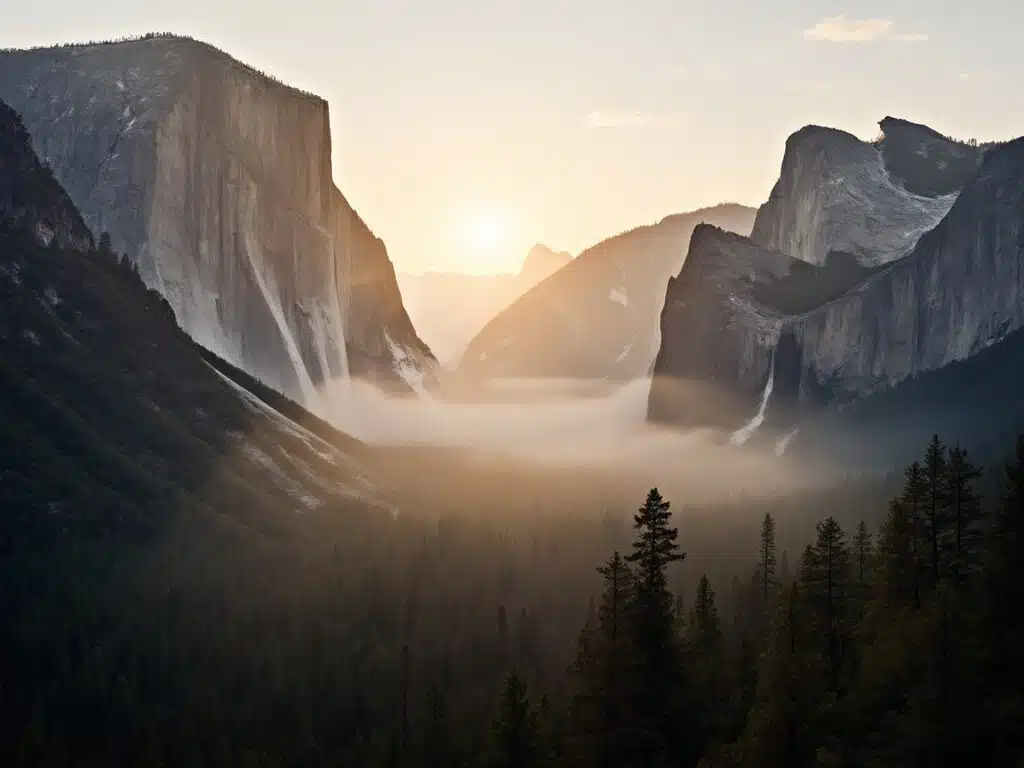
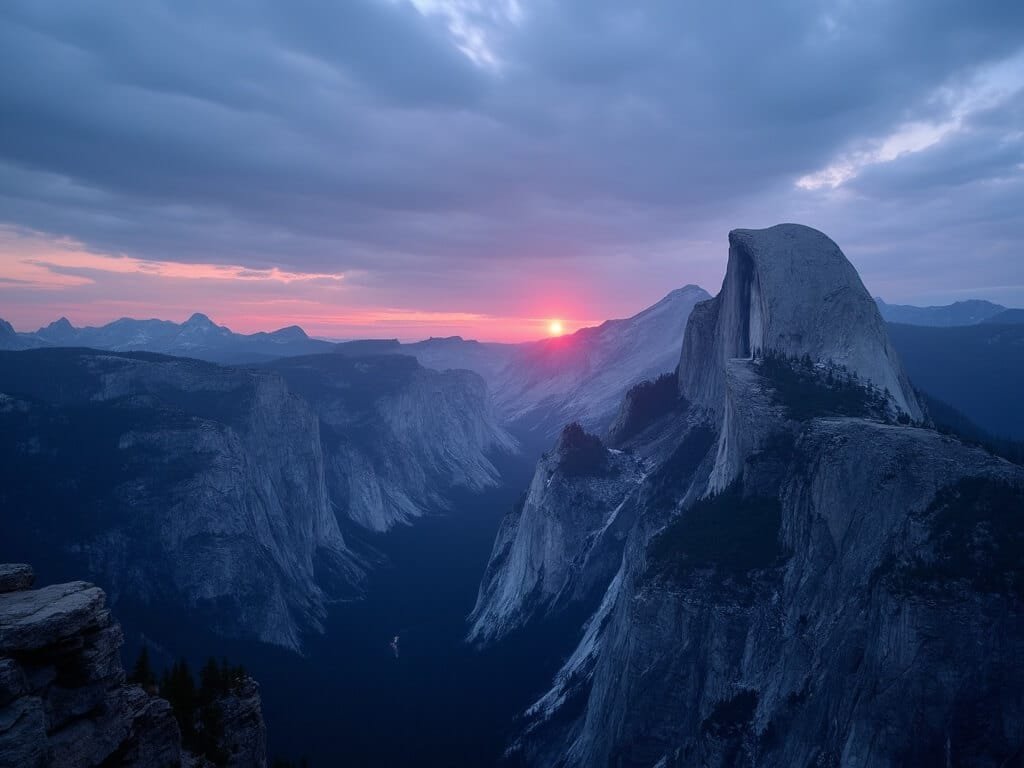
Tunnel View at sunset in September regularly produces scenes that look Photoshopped but aren’t.
Half Dome glows pink and orange against deep blue skies.
Bridalveil Fall (even at reduced flow) catches backlight that makes it shimmer.
The absence of summer crowds means you can actually set up a tripod and compose shots without someone walking through your frame every thirty seconds.
The Spots Where Light Makes All the Difference
These locations transform in September light:
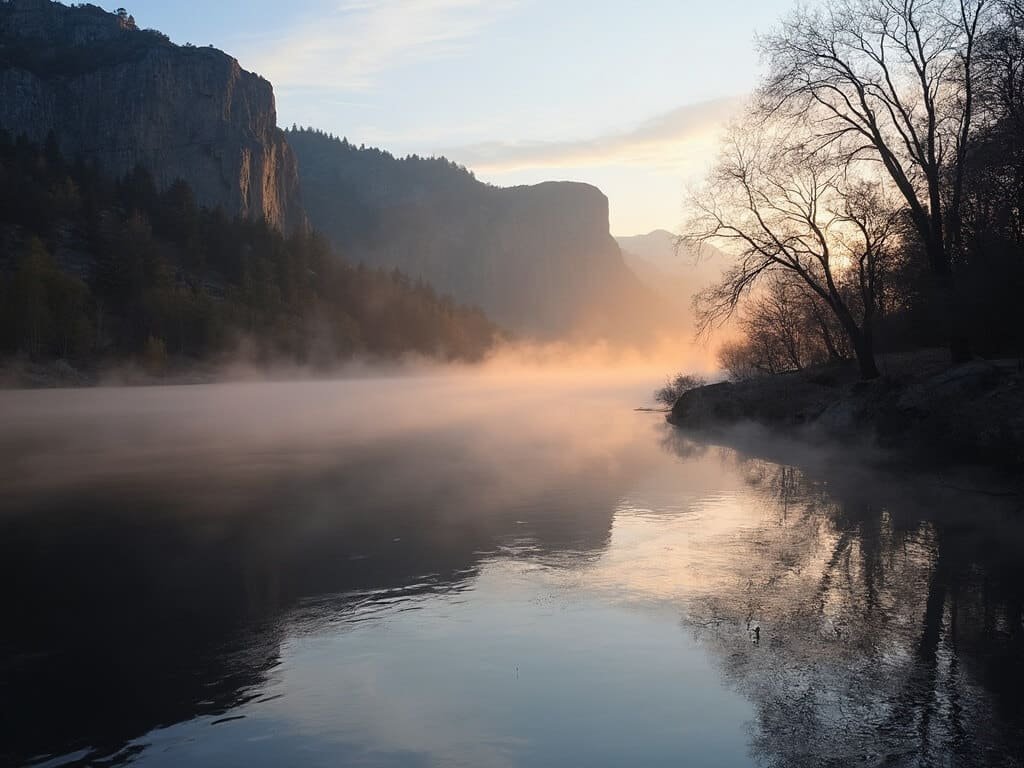
- Valley View at sunrise: granite faces catch first light whilst mist still hangs over the Merced River
- Glacier Point at sunset: the entire valley spreads below with Half Dome glowing in last light
- Olmsted Point mid-morning: high elevation clarity shows Cloud’s Rest and Tenaya Lake with zero haze
- Cathedral Beach any time: river reflections of El Capitan work because water flows slowly enough to stay glassy
- Sentinel Dome for moonrise: if you time it with a full moon, the granite glows silver against star fields
The smoke from wildfires I mentioned earlier can actually create spectacular sunsets when it’s light enough to be safe but present enough to scatter light.
I’m not saying hope for smoke—I’m saying September’s atmospheric conditions create photography opportunities that simply don’t exist in other months.
The Swimming Secret That Changes Hot Afternoon Plans
Yes, you can absolutely swim in September.
Tenaya Lake stays swimmable through most of the month, and it’s less crowded than summer madness allows.
The Merced River through the Valley moves slowly enough in September that swimming holes become accessible without fighting current.
Water temperatures aren’t warm—let’s be clear about that.
You’re looking at 60-65°F in most locations, which is bracing but manageable for anyone who’s swum in natural water before.
I watched kids from Arizona spend an entire afternoon at Sentinel Beach in mid-September, jumping off rocks and swimming without complaint.
Meanwhile, adults from Southern California dipped toes in and declared it “absolutely freezing.”
Your tolerance will vary.
But here’s what matters: the option exists without the crowds.
Summertime swimming spots like Cathedral Beach and Sentinel Beach have people stacked like sardines in July.
By September, you’ll find stretches of river beach where you can spread out and actually relax.
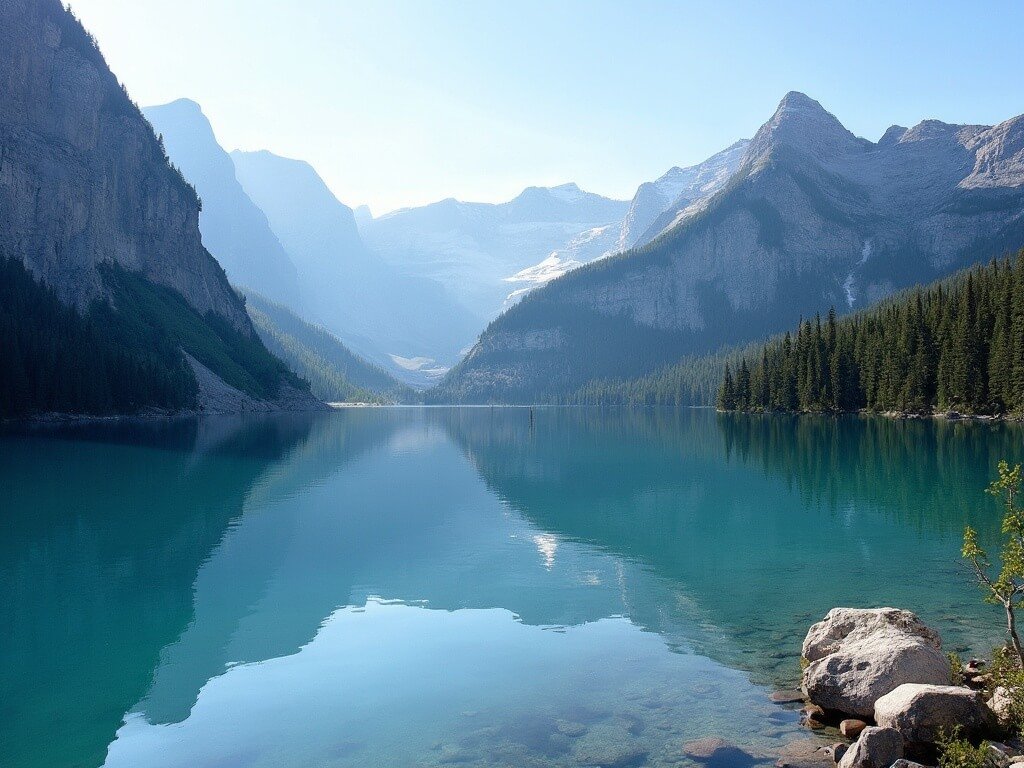
The key is afternoon timing—water that feels painfully cold at 9 AM becomes refreshing by 2 PM after you’ve been hiking in 85°F heat.
Pack a towel and swimsuit even if you’re not planning to swim.
Opportunities appear when you least expect them, and there’s nothing worse than watching others enjoy a perfect swimming hole whilst you sit on the bank fully dressed.
Explore More About Yosemite in September
For more detailed insights, check out Visiting Yosemite in September and the comprehensive Yosemite in September Guide.