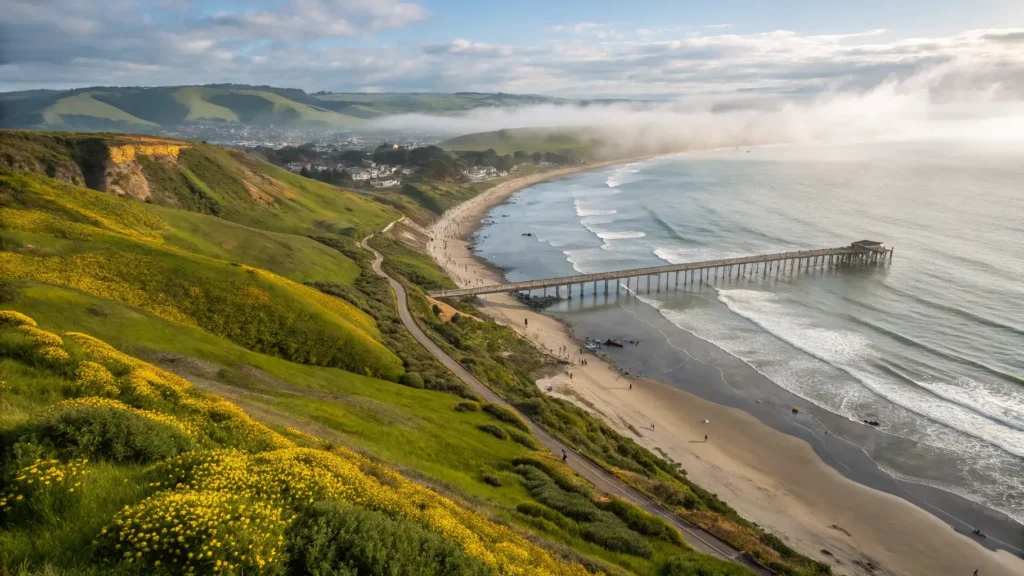
I noticed Monterey in February stays close to January, with highs in the upper 50s and a few short rain showers. The hills behind the town turn green this month, which is one of the few times the landscape looks lush.
I’m talking about experiencing one of California’s most stunning destinations without fighting through summer hordes or paying peak-season prices.
The trade-off? You’ll need a decent jacket.
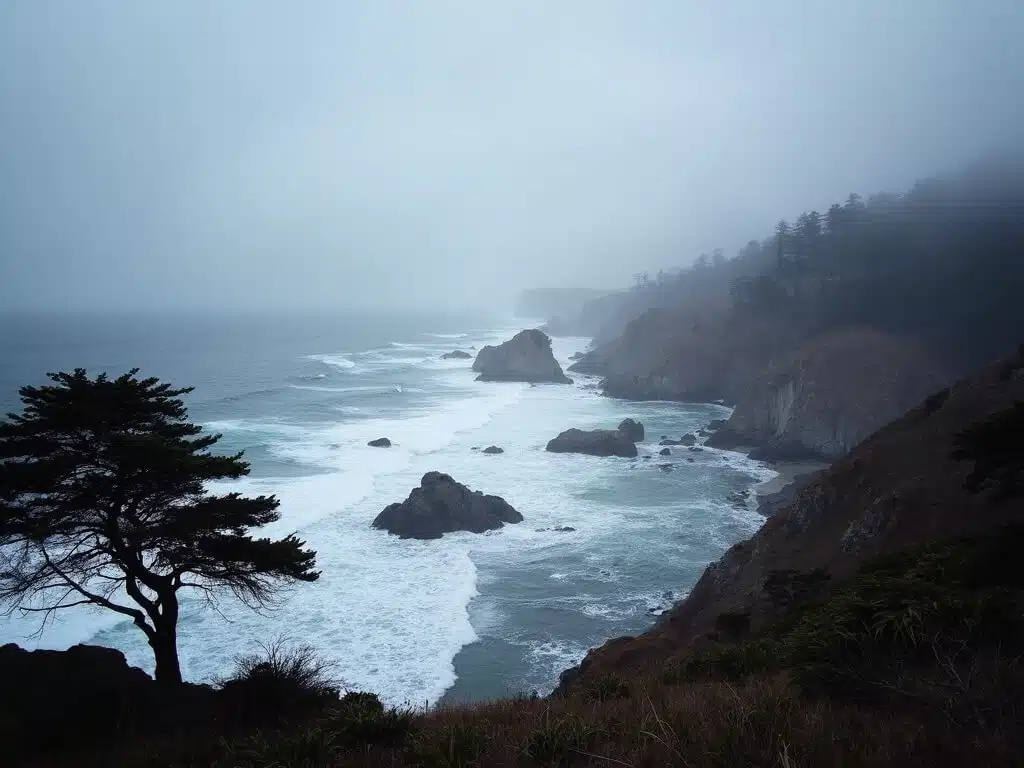
The Real Story Behind February’s “Coldest Month” Label (Spoiler: It’s Not That Cold)
Here’s what panics people when they Google Monterey weather in February: “coldest month of the year.”
Cue visions of arctic conditions and cancelled plans.
The reality is far less dramatic.
February temperatures hover between 48°F and 59°F during the day, which translates to pleasantly cool conditions that make hiking comfortable and sightseeing genuinely enjoyable. The ocean temperature drops to around 53°F – chilly for swimming, perfect for dramatic coastal scenery.
I visited Monterey one February specifically to see if the “coldest month” reputation was overblown.
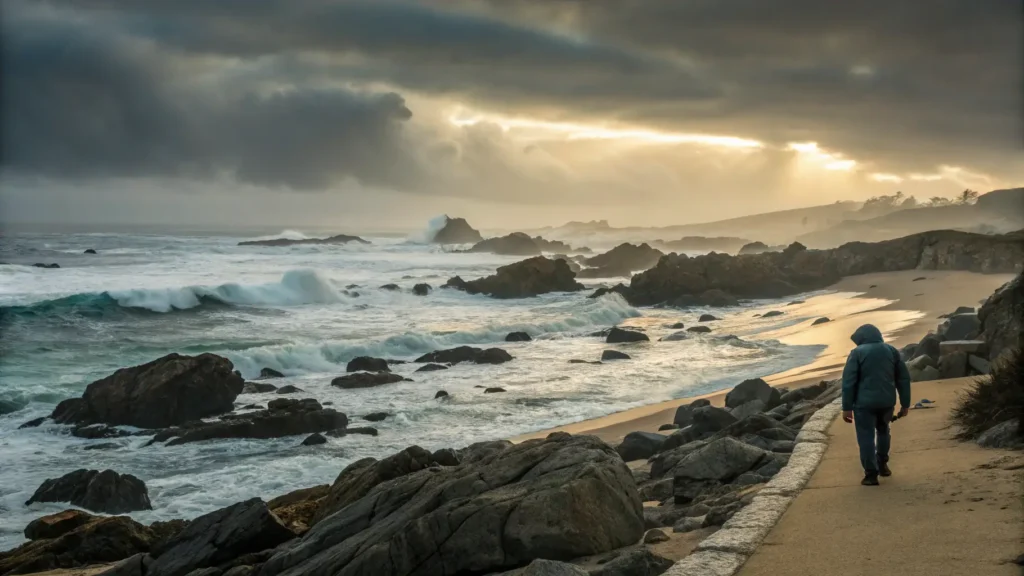
Standing on the cliffs at Point Lobos in mid-afternoon, I wore a fleece and light windbreaker whilst locals in shorts jogged past. The temperature felt closer to British autumn than California winter. My partner kept laughing at how I’d packed like we were heading to Scotland, not sunny California.
Key temperature facts that matter:
- Daily highs reach 59°F (perfect for outdoor activities)
- Morning lows drop to 48°F (you’ll want layers)
- Water temperature sits at 53°F (wetsuit territory for swimmers)
- Overall average of 52°F means comfortable daytime exploration
The “coldest” label scares away tourists, which frankly works brilliantly in your favour.
What the 22% Rain Probability Actually Means for Your Plans
Every travel forum obsesses over Monterey’s February rainfall statistics.
Let me cut through the noise.
February brings about 4.8 inches of rain spread across the month, with a 22% chance of precipitation on any given day. That’s roughly one rainy day out of every five.
Here’s what actually happens:
When it does rain, you’re typically looking at light showers or morning drizzle that clears by afternoon. Heavy, day-ruining downpours are rare. The 79% humidity sounds oppressive on paper but feels refreshing near the coast, not sticky or uncomfortable.
The secret that experienced Monterey visitors know? Rain makes the coastal scenery absolutely spectacular. Low clouds create moody atmospheres around Cypress Point. Wet rocks glisten. The grey-blue ocean takes on dramatic tones that summer’s bright sunshine never delivers.
Pack a waterproof jacket and embrace the 22% chance rather than fearing it.
Rainfall breakdown:
- Monthly total: 4.8 inches (manageable, not monsoon)
- Daily rainfall when it occurs: 0.50 inches (light to moderate)
- Rainy days: roughly 5-6 days out of 31
- Humidity: 79% (coastal fresh, not swampy)
The weather creates atmosphere, not obstacles.
Why Breezy Doesn’t Mean Brutal (Understanding Monterey’s February Wind)
“Breezy” appears in every February weather description for Monterey.
That word does a lot of heavy lifting.
Monterey’s February winds are consistent but generally light, picking up slightly during afternoon hours. You’ll feel the breeze, especially on exposed coastal viewpoints and beaches, but it’s rarely strong enough to ruin outdoor plans or make activities uncomfortable.
The wind actually improves your experience:
- Keeps temperatures feeling fresh, not stuffy
- Clears coastal fog more reliably than summer months
- Creates dramatic wave action for photography
- Makes hiking more comfortable than still, humid air would
The key is simple wind management – bring a windbreaker or light shell jacket. That’s genuinely it.
Standing on the 17-Mile Drive viewpoints in February, you’ll feel invigorated by the wind, not battered. It’s the difference between refreshing coastal breeze and the harsh winds you’d experience on an exposed British headland in winter.
The Daylight Hours Reality That Changes Everything
February gives you 10.8 hours of daylight in Monterey, with sunrise around 6:56 AM and sunset approximately 5:46 PM.
That’s more usable daylight than you’d think.
The early sunrise means you can catch stunning morning light on coastal trails without waking at ridiculous hours. The 5:46 PM sunset gives you a full day of activities before darkness falls – enough time for aquarium visits, scenic drives, hikes, and waterfront dining.
Compare this to summer’s extended daylight, which often means starting sightseeing in harsh midday light and fighting crowds during prime hours. February’s shorter days actually concentrate your activities into the best lighting conditions.
Smart daylight scheduling:
- Early morning: coastal hikes in soft light
- Mid-morning to afternoon: indoor attractions (aquarium, museums)
- Late afternoon: 17-Mile Drive for sunset views
- Evening: Cannery Row dining with minimal wait times
The moderate UV index means you’ll need SPF 30+ sunscreen for extended outdoor time, but you’re not dealing with summer’s intense sun exposure. Your skin gets a break whilst still enjoying outdoor activities.
The Monarch Butterfly Secret That Makes February Special

Here’s something most visitors completely overlook: February is prime monarch butterfly season in Monterey.
The Monarch Butterfly Sanctuary in Pacific Grove hosts thousands of butterflies clustered in eucalyptus groves, creating one of nature’s most remarkable spectacles. These aren’t individual butterflies fluttering about – they form massive orange and black clusters on tree branches, sometimes covering entire sections of trees.
Why February specifically matters:
Monarchs overwinter in Monterey from October through February, with populations typically peaking in January and February before they begin their migration north. Visit too late (March onwards) and you’ll miss them entirely. Come in summer and the sanctuary sits empty.
The “moderately chilly” February weather that scares away fair-weather tourists is precisely what keeps monarchs clustered and visible. Warmer temperatures would disperse them, making viewing far less impressive.
Guided tours run regularly, but honestly, you can visit independently and experience the same wonder. The sanctuary sits in a residential neighbourhood, free to enter, with quiet paths that let you observe without disturbing the butterflies.
Monarch viewing tips:
- Visit late morning when temperatures warm slightly (butterflies become more active)
- Bring binoculars for detailed viewing without getting too close
- Choose calm days over windy ones for best butterfly activity
- Combine with Pacific Grove coastal walks for a full morning
This single attraction justifies a February visit more than any weather concern could deter it.
Point Lobos in February Beats Summer Any Day (Here’s Why)
Point Lobos State Natural Reserve ranks among California’s most spectacular coastal parks.
February transforms it into something extraordinary.
The moderate temperatures make hiking genuinely comfortable – you’re not overheating on exposed trails or seeking shade every ten minutes. The trails that feel punishing in summer’s heat become pleasant walks with crisp air and ocean breezes.
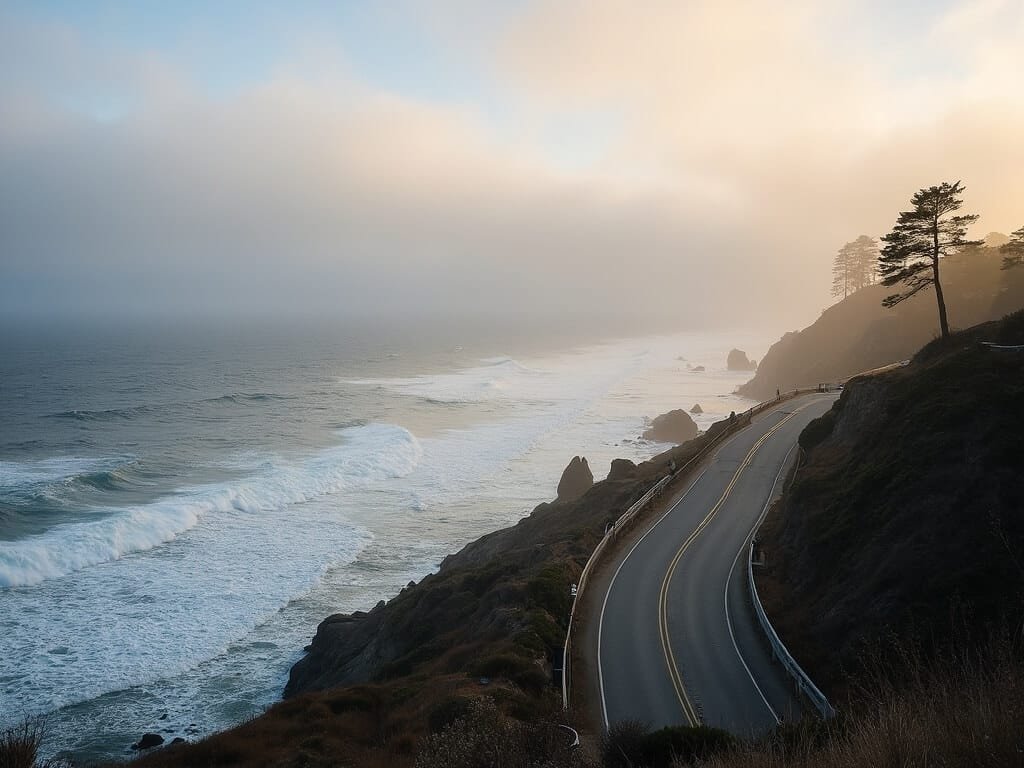
What changes in February:
- Fewer visitors mean you can actually experience the reserve’s beauty without dodging selfie-stick wielders every thirty seconds
- Parking – typically a nightmare requiring early arrival in summer – becomes manageable
- The dramatic winter ocean creates massive waves crashing against rocks, far more impressive than summer’s gentler swells
- The cypresses look more dramatic against grey skies
- Wildlife viewing improves as animals aren’t hiding from heat or crowds
I’ve visited Point Lobos in both July and February, and February wins by a landslide.
February advantages at Point Lobos:
- Comfortable hiking temperatures (not too hot, not too cold)
- Dramatic ocean conditions for photography
- Better wildlife spotting opportunities
- Actual solitude on less-popular trails
- Parking availability without 7 AM arrival
The reserve’s trails range from easy coastal walks to more challenging routes, all manageable in February weather with basic layered clothing.
What to Actually Pack (Forget Those Generic Lists)
Every packing list for Monterey repeats the same generic advice.
Let me tell you what actually matters in February.
The essentials:
- Light windbreaker or shell jacket (non-negotiable, wear it daily)
- Fleece or mid-weight jumper (mornings and evenings get properly chilly)
- Long trousers and jeans (shorts work for midday but you’ll want coverage)
- Comfortable walking shoes with grip (coastal trails get slippery)
- Waterproof layer (even if forecasts look clear)
Skip the heavy winter coat unless you’re genuinely cold-sensitive. You’ll overheat during afternoon activities and look like you’ve severely misjudged the climate.
The layering approach works perfectly: base layer, fleece, windbreaker. You’ll shed the fleece during midday warmth and add it back for morning and evening.
What surprised me:
- Sunglasses (essential despite clouds – coastal glare is real)
- Light gloves for early morning (optional but nice)
- Hat for wind (stops constant hair management)
- Casual layers for restaurants (Cannery Row dining is smart-casual, not fancy)
Pack for British autumn weather rather than winter or summer, and you’ll nail it.
The 17-Mile Drive Makes More Sense in February Than Summer
The famous 17-Mile Drive between Monterey and Carmel becomes a different experience in February.
Summer brings bumper-to-bumper tourist traffic, packed viewpoints, and harsh midday light that washes out photography. You’re constantly waiting for other cars to move, fighting for parking at scenic overlooks, and dealing with crowds at every stop.
February flips the entire experience.
Light traffic means you can actually drive at a relaxed pace, stopping whenever something catches your eye without blocking a queue of frustrated tourists behind you. The viewpoints offer space to breathe and properly appreciate the scenery. The softer winter light creates better photography conditions, especially during late afternoon hours approaching sunset.
The cypress trees look more dramatic against moody skies. The ocean displays its power through larger waves and dramatic swells. The golf courses appear lush from winter rains rather than summer-brown from drought.
The $11.25 entry fee (current rate) feels worthwhile when you’re not sharing every vista with fifty other people.
February 17-Mile Drive advantages:
- Minimal traffic congestion
- Available parking at popular stops
- Better photography lighting
- Dramatic ocean conditions
- Peaceful atmosphere at viewpoints
Plan for late afternoon drives to catch golden hour light and sunset colours. The earlier darkness means you don’t need to time it as precisely as summer’s extended daylight hours.
The breezy conditions I mentioned earlier? They keep the drive feeling fresh and invigorating rather than stuffy, and they clear fog more reliably than summer’s persistent marine layer that often obscures coastal views until late morning.
Looking for more inspiration?
The Cannery Row Experience Without the Circus (Finally)
Cannery Row in summer is sensory overload in the worst possible way.
Packed sidewalks. Restaurant waits exceeding an hour. Gift shops crammed with tourists buying overpriced trinkets. The charm John Steinbeck wrote about buried under commercial chaos.
February strips away the madness and reveals what Cannery Row actually offers.
What you’ll discover:
Restaurants seat you within minutes, not hours. You can actually browse shops without being jostled by crowds. The waterfront walkways become pleasant strolls rather than obstacle courses. The entire experience shifts from rushed and stressful to relaxed and enjoyable.
The Monterey Bay Aquarium – the main draw for most visitors – becomes infinitely more manageable. You’re not fighting six-deep crowds at every exhibit tank or waiting twenty minutes to view the kelp forest. The touch pools actually let you touch things without elbowing through school groups.

I spent a full afternoon at the aquarium one February weekday and experienced something I’d never managed during summer visits: genuine peaceful observation. Standing in front of the jellyfish exhibit, I watched for fifteen minutes without being bumped, rushed, or blocked by other visitors.
February Cannery Row advantages:
- Immediate restaurant seating (or minimal waits)
- Aquarium crowds reduced by 50-60% versus summer
- Parking available without circling for thirty minutes
- Shops and galleries browsable at your own pace
- Waterfront walking pleasant rather than congested
The weather plays perfectly into this experience. The “moderately chilly” conditions mean outdoor walking stays comfortable. The occasional rain keeps fairweather tourists away. The breezy conditions make waterfront strolls invigorating.
Book aquarium tickets online regardless of season, but February gives you flexibility that summer never allows. Miss your scheduled time by thirty minutes? No problem. Want to revisit your favourite exhibit? Go ahead.
Where February Weather Actually Improves Specific Activities
Most travel advice treats weather as something to work around.
February’s Monterey weather actively enhances certain experiences.
Kayaking and marine wildlife viewing:
The ocean conditions create more dramatic environments without being dangerous. Sea otters cluster closer to shore in kelp forests. Grey whales migrate through Monterey Bay from January through March, making February prime whale-watching season.
The cooler water temperatures mean less algae bloom, resulting in clearer water visibility for kayaking over kelp forests and viewing marine life. Summer’s warmer waters often create murky conditions that reduce underwater visibility.
Photography opportunities:
The softer winter light creates better conditions than summer’s harsh midday sun. Dramatic clouds add dimension to coastal photos. Morning mist clinging to cypress trees creates atmospheric shots impossible to capture in summer.
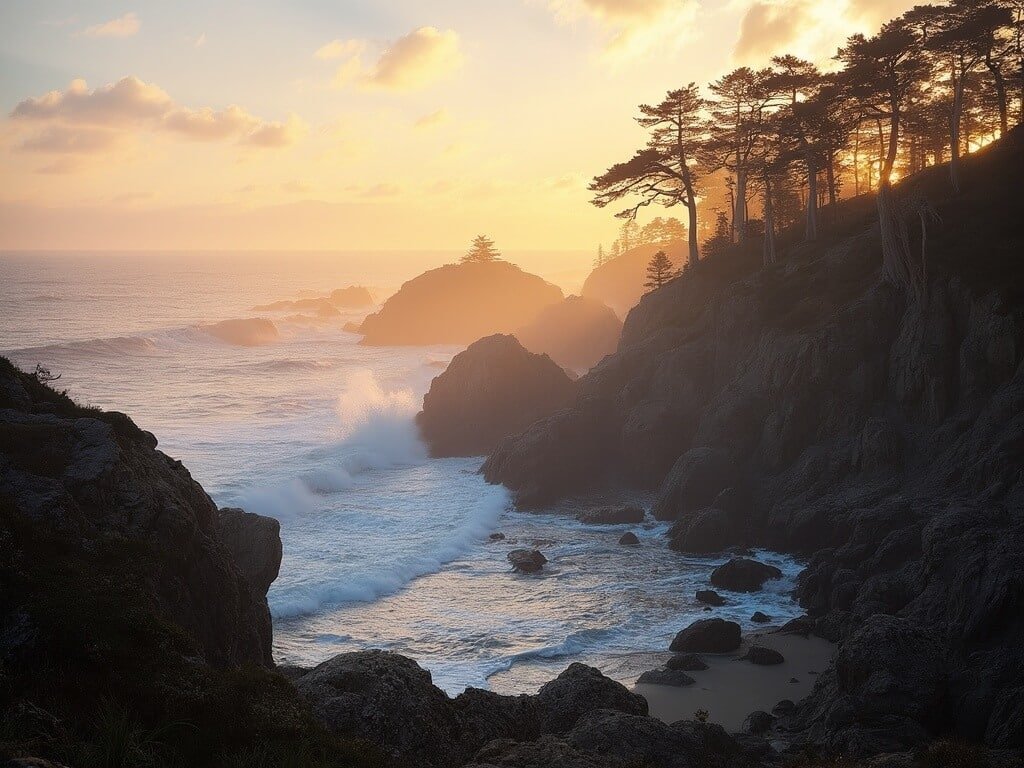
The golden hour lighting happens at manageable times (around 5:15-5:45 PM) rather than summer’s late evening timing that requires staying out until 8 PM.
Hiking comfort:
Point Lobos, Garland Ranch Regional Park, and coastal trail systems become genuinely pleasant rather than endurance tests. You’re not rationing water or seeking shade every twenty minutes. The moderate temperatures mean you can hike midday without suffering.
The humidity level of 79% sounds oppressive but translates to fresh coastal air rather than sticky discomfort. Combined with the breeze, conditions stay comfortable throughout multi-hour hikes.
Wine tasting logistics:
Carmel Valley’s wine country sits just inland from Monterey. February’s weather makes the short drive pleasant, and the tasting rooms offer a cozy refuge if afternoon rain showers develop. Summer heat makes wine tasting rooms uncomfortable, and peak-season crowds create waits at popular wineries.
February visitors get immediate service, unhurried tastings, and actual conversations with winery staff rather than rushed pours for waiting crowds.
The Accommodation Math That Makes February Brilliant
Here’s where February becomes genuinely smart rather than just acceptable.
Monterey accommodation prices drop 30-50% compared to summer peak season. The hotels and inns that command premium rates in July offer February deals that make upscale stays suddenly affordable.
Price comparison reality:
- Summer weekend at Monterey Plaza Hotel: $400-600/night
- February weekday same hotel: $200-300/night
- Summer Cannery Row hotels: $300-450/night
- February same properties: $150-250/night
You’re getting identical rooms, identical ocean views, identical amenities for literally half the cost. The only difference? Fewer crowds and slightly cooler weather that requires a jacket.
The savings extend beyond accommodation. Restaurants offer weekday specials. Tour operators discount whale-watching excursions. Rental car rates drop. The entire trip budget shrinks whilst the experience quality improves.
I’ve calculated full trip costs for summer versus February Monterey visits. For a three-night stay, February saved roughly $800 compared to equivalent July dates.
Additional February value advantages:
- Easier last-minute bookings (no six-month advance planning needed)
- Better negotiating position for upgrades and amenities
- Less pressure to pack activities into expensive days
- Flexibility to extend trips when deals emerge
The weather becomes a feature, not a bug, when it delivers better experiences at half the cost.
What Locals Actually Do in February (And Why You Should Copy Them)
Monterey locals don’t hibernate during February.
They reclaim their town.
The beaches that summer tourists pack become peaceful walking destinations. Lovers Point Park in Pacific Grove transforms into a genuinely lovely spot rather than a crowded mess. Asilomar State Beach offers dramatic wave-watching without fighting for parking.
Local February activities:
- Morning beach walks before breakfast
- Casual hikes on weekday afternoons
- Wine country day trips without reservations
- Downtown Monterey shopping and dining without tourist chaos
The moderate temperatures mean outdoor activities stay central to daily life. Locals layer appropriately and enjoy conditions that visitors mistakenly avoid.
I asked a Pacific Grove resident what she thought of February weather. Her response: “It’s perfect. We get our town back, the weather’s beautiful, and tourists finally leave us alone. Why would anyone choose to visit in summer?”
Copy the local approach:
- Morning coastal walks (dress in layers, enjoy the solitude)
- Casual dining at neighbourhood spots away from Cannery Row
- Afternoon visits to less-famous beaches and viewpoints
- Weekday wine tasting in Carmel Valley
- Evening walks through Pacific Grove’s Victorian neighbourhood
The Grey Whale Migration Nobody Plans Around (But Should)
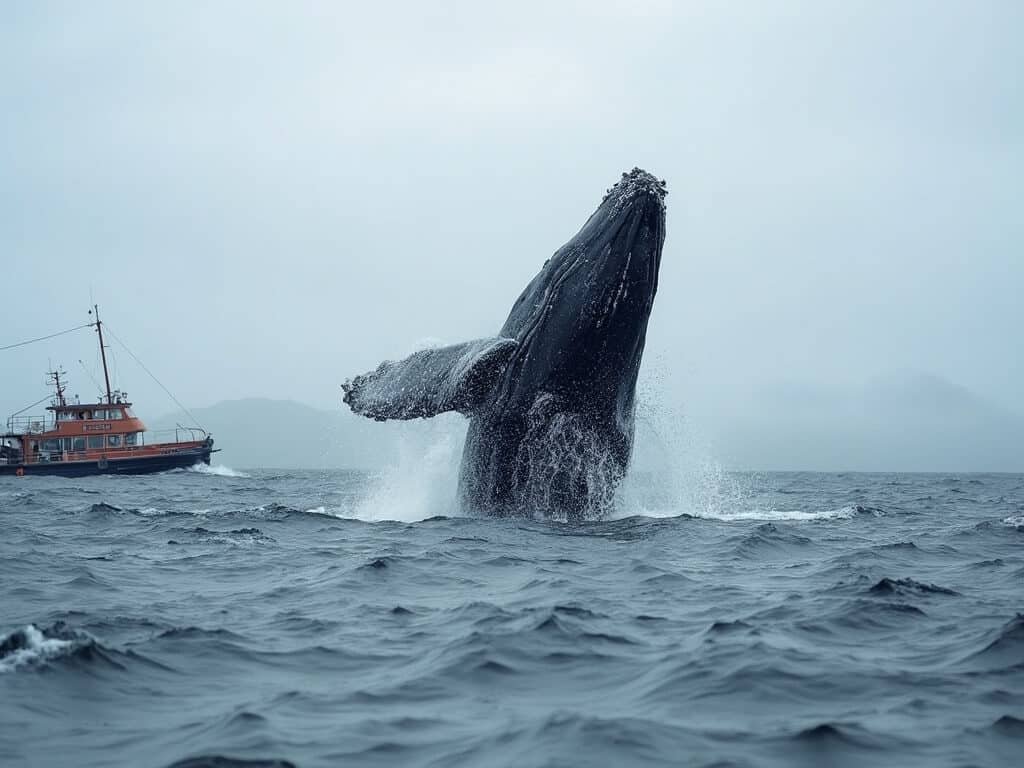
February places you squarely in the middle of grey whale migration season.
Roughly 20,000 grey whales travel from Alaska to Baja California breeding grounds, passing directly through Monterey Bay between December and April. January through March represents peak migration timing.
Why this matters:
Whale watching in February offers dramatically higher success rates than summer tours. The whales are actively migrating, often in groups, traveling close enough to shore for easy viewing. Summer whale watching becomes far more hit-or-miss.
February whale watching advantages:
- Peak migration timing (highest whale populations)
- Better success rates (90%+ sightings versus 60-70% summer)
- Less crowded tour boats
- More dramatic ocean backdrop for viewing
- Opportunity to see mothers with calves
Combine whale watching with the Monterey Bay Aquarium‘s ocean exhibits for full context on the marine ecosystem you’re observing.
Book morning departures when possible. Ocean conditions typically calm overnight and roughen through the afternoon. Morning tours offer smoother rides whilst still delivering excellent whale sightings.
How to Actually Structure Your February Monterey Trip
Most visitors either over-schedule or under-plan Monterey trips.
February’s weather and crowd levels allow better pacing than summer’s frantic energy.
Ideal 3-day February itinerary:
Day 1: Monterey Focus
- Morning: Monterey Bay Aquarium (arrive at opening, 2-3 hours)
- Lunch: Cannery Row (immediate seating, relaxed)
- Afternoon: Walk Monterey State Historic Park and downtown
- Evening: Waterfront dining at sunset (5:45 PM)
Day 2: Coastal Exploration
- Morning: Point Lobos State Natural Reserve (8 AM arrival, 3 hours)
- Lunch: Carmel-by-the-Sea village
- Afternoon: 17-Mile Drive (2-3 hours, ending at sunset)
- Evening: Carmel dining and gallery browsing
Day 3: Wildlife and Wine
- Morning: Monarch Butterfly Sanctuary and Pacific Grove coastal walk
- Late morning: Whale watching tour (3 hours)
- Afternoon: Carmel Valley wine tasting (2-3 wineries)
- Evening: Casual dinner and early night
This pacing works specifically because February allows flexibility that summer never provides.
Alternative approaches for different trip lengths:
- Weekend (2 days): Combine Day 1 and Day 2 highlights, skip Carmel Valley
- Extended (4-5 days): Add Big Sur scenic drive, Garland Ranch hiking, Salinas Valley agricultural tours
- Rainy day backup: Focus on aquarium, Cannery Row shops, Pacific Grove Victorian home walking tour, wine tasting
The key is building buffer time that lets you adapt to weather and energy levels rather than racing against rigid schedules that summer crowds demand.
The February Mindset Shift That Changes Everything
Here’s what genuinely matters about Monterey in February:
You need to stop treating weather as the primary decision factor.
The 48-59°F temperature range isn’t an obstacle requiring heroic tolerance. It’s comfortable outdoor weather that most of the world would celebrate. The 22% rain probability isn’t a trip-ruiner – it’s manageable moisture that creates atmospheric beauty.
British visitors laugh at Americans who consider 59°F “cold.” Northern Europeans find Monterey’s February weather downright balmy. The perception problem is entirely about expectations rather than reality.
The mindset shift:
View February weather as creating opportunities rather than presenting challenges. The monarch butterflies exist because of the weather. The whale migration peaks because of the season. The crowd-free attractions become accessible because tourists avoid the “coldest month.”
I’ve visited Monterey in June, August, and February. February delivers the best overall experience by substantial margins.
Your February Monterey Reality Check
Stop letting weather statistics make your travel decisions.
Monterey in February offers comfortable temperatures between 48-59°F, manageable rainfall averaging 4.8 inches monthly, and breezy coastal conditions that enhance rather than impair outdoor activities. The 10.8 hours of daily daylight provides full days of sightseeing.
What you’re actually getting:
- Crowd-free access to world-class attractions
- Accommodation costs reduced by 30-50%
- Peak whale migration viewing
- Thousands of monarch butterflies clustering in accessible sanctuaries
- Dramatic ocean conditions creating spectacular coastal scenery
- Comfortable hiking weather on premier trail systems
February isn’t Monterey’s off-season. It’s Monterey’s smart season for visitors who value experience over weather perfection and substance over crowds.
Monterey in February is cool with scattered rain. Bring a windbreaker for the mornings, and use the clear breaks between systems for a walk on the coast.
Helpful Resources:
- Free things to do in Monterey
- California in February
- Free things to do in Carmel-by-the-Sea
- Free things to do in Big Sur
- Santa Cruz in October