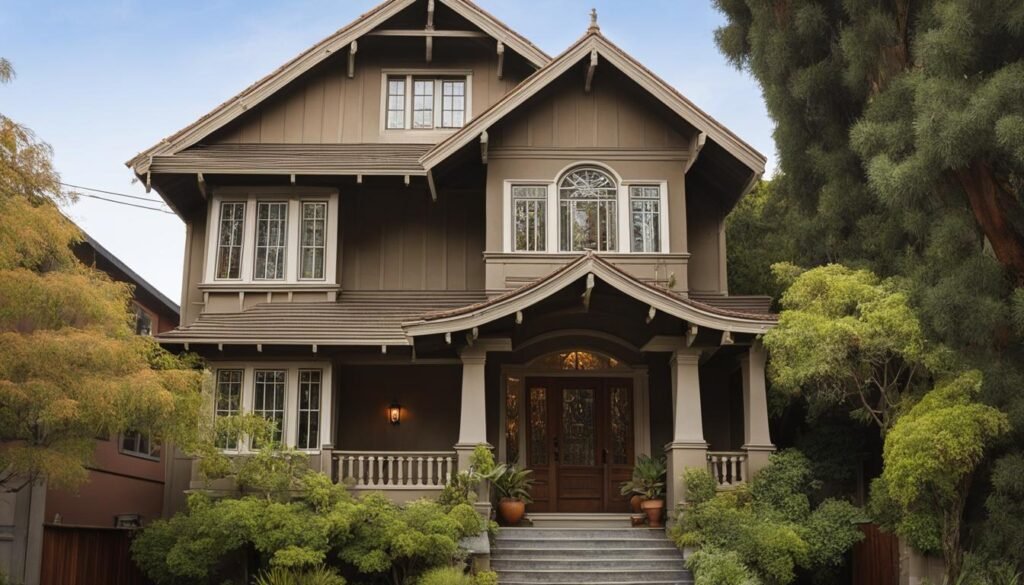
The Central Valley is the part of California that the coast forgets: the 400-plus-mile stretch of farmland and mid-size cities running from Redding down to Bakersfield, between the Sierra and the Coast Range. It is where most of the state’s food is grown and where housing costs a fraction of what they do in LA or the Bay Area. If you are priced out of the coast but want California jobs and weather, this is the trade most people make, and it is worth understanding before you search.
What “Central Valley” actually means
The Valley is not one city, it is a region of distinct metros. The major ones:
- Sacramento (north) – the state capital, the largest Valley city, a government-and-tech job base, and the gateway to the foothills.
- Stockton, Modesto, Merced – the Northern Valley, cheaper, commuter-adjacent to the Bay Area (ACE train to San Jose).
- Fresno – the geographic center and biggest agricultural hub, with a real (and affordable) housing market.
- Bakersfield (south) – oil, agriculture, and some of the lowest prices in the state.
- Visalia / Hanford – the Southern Valley, small-city living near the Sequoia parks.
Each has its own school district, economy, and price level, so “Central Valley” is too broad to shop as one market. Pick the metro first.

The price reality
The whole point of the Valley is affordability relative to coastal California. Medians typically land well below the $800,000+ you see in LA or the Bay, often in the $350,000-$600,000 range depending on the metro and the year, with Bakersfield and the Southern Valley on the low end and Sacramento and the Bay-adjacent north higher. Two things to keep straight:
- Verify the live number. The market moved a lot in recent years; pull the current median for the specific city on Redfin/Zillow before you budget.
- You trade commute for price. The cheap Valley home is cheap partly because the job centers (Bay Area, LA) are 1.5-3 hours away. Remote work changes this; a Bay commute does not.

What you get
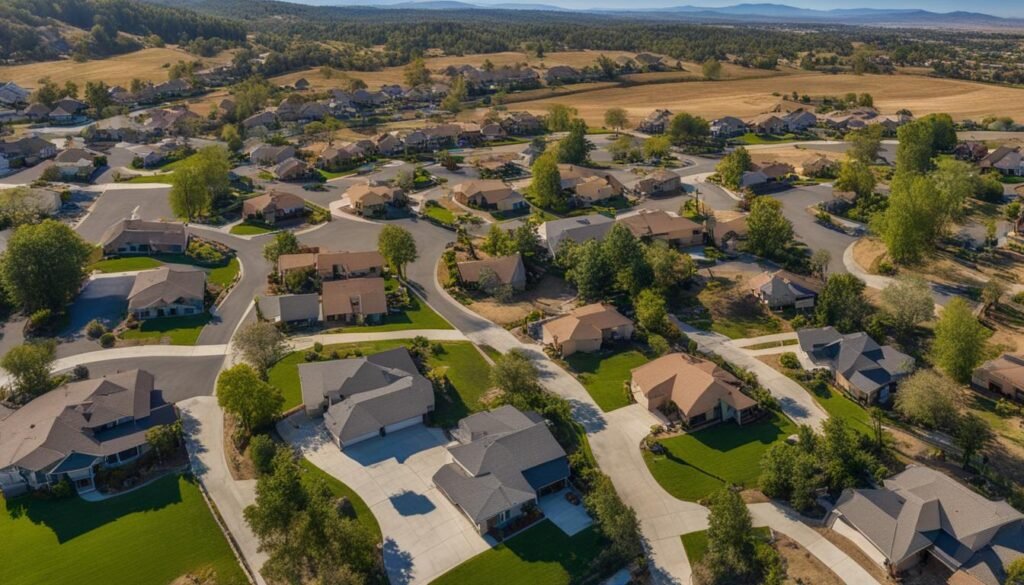
- More house. The same dollar buys far more square footage and lot than the coast; tract homes, 1950s-60s ranch stock, and new construction are all common.
- Heat. Summers are hot (100F+ in the south); most homes need real A/C, which coastal buyers aren’t used to.
- Air quality. Winter wood-smoke and summer agricultural/ozone conditions can be rough in some pockets; check the specific address.
- Schools vary. Districts range widely; the great ones (Granite Bay, parts of Fresno/Clovis) are a draw, the weak ones are a reason prices stay low.
Working with an agent
A local agent who knows the specific metro matters more than a generic “Valley” specialist, because pricing, school reputations, and flood/heat considerations differ block to block. Use one who lives in the city you are targeting, and lean on the live MLS/portal data rather than last year’s median.
Final thoughts
The Central Valley is the affordability play in California, but it is a region of separate metros, not a single market, so start by picking the city (Sacramento for capital jobs, Fresno for center-and-value, Bakersfield for lowest cost, the north for Bay commute). Expect more house for the money and a hot summer, verify the live median before you write an offer, and hire an agent who actually works that city. The trap is treating “Central Valley” as one place; the prices and schools in Bakersfield and Sacramento are not comparable, and the commute math decides whether the savings are real.