Pismo Beach in February isn’t what most people picture when they dream about California beaches.
You won’t find packed sands dotted with colourful umbrellas or crowds fighting for parking spots near the pier.
What you will find is something better—a coastal town that breathes easier, where the Pacific crashes harder against the shore, and where you can actually hear yourself think whilst walking along the water’s edge.
I’ve watched too many friends blow their holiday budgets on peak-season trips to this stretch of Central Coast, only to spend half their time stuck in traffic or queuing for overpriced fish and chips.
February flips that script entirely.
The Weather Reality Check (And Why The Numbers Don’t Tell The Full Story)
Here’s what you need to know about Pismo Beach weather in February: it sits between 44-64°F most days, with averages hovering around 53°F.
The ocean temperature drops to roughly 55°F, which sounds absolutely brutal until you realise you’re probably not planning to swim anyway.
But those numbers miss the actual experience.
February mornings start crisp and often cloudy, burning off to reveal surprisingly bright afternoons where you’ll find yourself peeling off layers.
The breeze is constant—that’s the bit that catches people off guard.
You know that pleasant seaside breeze you get in summer? February turns that into a proper wind that whips through your hair and makes you grateful for that extra jumper you packed.
What this means for your packing list:
- Layers become your best friend (not optional)
- A proper windbreaker beats a heavy coat
- Closed-toe shoes trump sandals every time
- Sunglasses stay essential despite the cooler temps
- Pack a beanie even if you think you won’t need it
Rain does make appearances in February, though calling it a “rainy season” oversells it a bit.
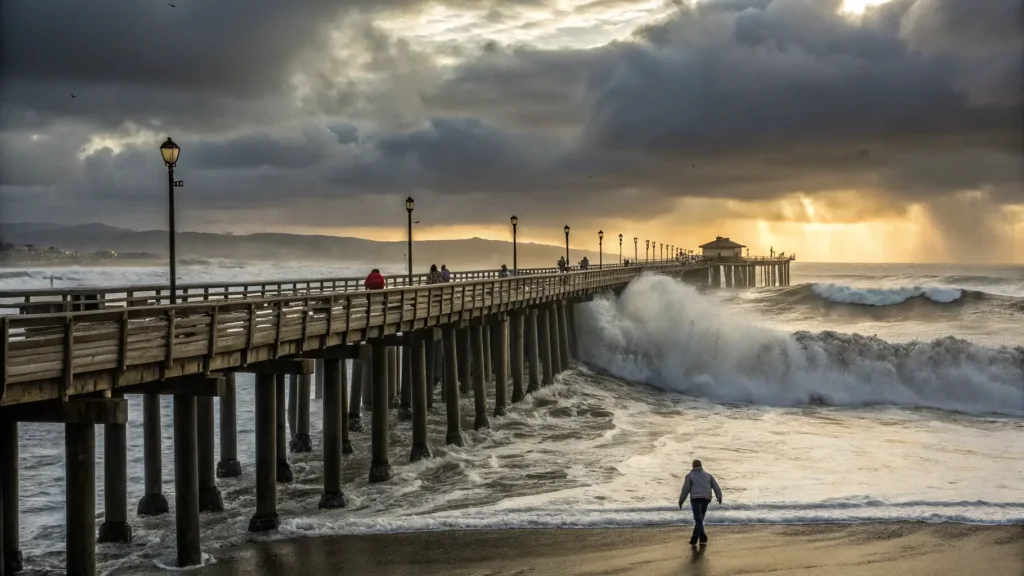
You might get a proper storm that turns the beach dramatic and moody, or you might luck into week after week of clear skies.
The unpredictability is part of the charm, honestly.
I visited Pismo in late February three years ago, convinced I’d packed perfectly with my carefully curated capsule wardrobe of coastal casual wear.
Day one: gorgeous sunshine, shed my jacket by noon.
Day two: horizontal rain that soaked through my “water-resistant” jacket in about eight minutes flat.
Day three: back to sunshine with winds so strong I watched someone’s beach umbrella tumble past like tumbleweed in an old Western.
That taught me the golden rule of February visits—pack for three seasons and be ready to swap between them multiple times daily.
Why The Crowds (Or Lack Thereof) Change Everything
February transforms Pismo Beach into what locals call “our town again.”
The summer hordes have long since departed, taking their inflatable flamingos and portable speakers with them.
What remains is a functioning beach community where you can actually snag a table at popular restaurants without booking weeks ahead.
The Pismo Pier becomes yours to explore without dodging selfie sticks every three metres.
Downtown shops have staff who’ll actually chat with you about the area instead of rushing to serve the next customer in an endless queue.
This manifests in practical ways:
- Restaurant reservations become suggestions rather than requirements
- Parking near the beach takes minutes, not geological ages
- Hotel rates drop by 30-50% compared to summer pricing
- Local shopkeepers remember your face after one visit
- You can walk the pier at sunset without becoming part of a human traffic jam
The economic reality here matters too.
A beachfront hotel room that commands £300+ per night in July? You’ll find it listed for £120-180 in February.
That’s not a marginal difference—that’s the gap between splurging on one nice dinner versus eating well the entire trip.
Holiday rentals follow similar patterns, with property owners eager to fill winter vacancies offering deals you won’t see advertised during peak season.
But the real value isn’t purely financial.
February gives you breathing room to actually experience the place rather than just document it for social media.
You can stand at the pier’s end watching waves crash without someone’s drone buzzing overhead or a bachelorette party shrieking behind you.
That space to think, to absorb, to just exist in a beautiful place—that’s what gets lost in the summer chaos.

What Actually Works In February (The Activities That Get Better, Not Worse)
Most travel guides treat winter beach visits like compromised versions of summer trips.
They’re wrong about Pismo.
Some experiences genuinely improve when the temperatures drop and the crowds thin.
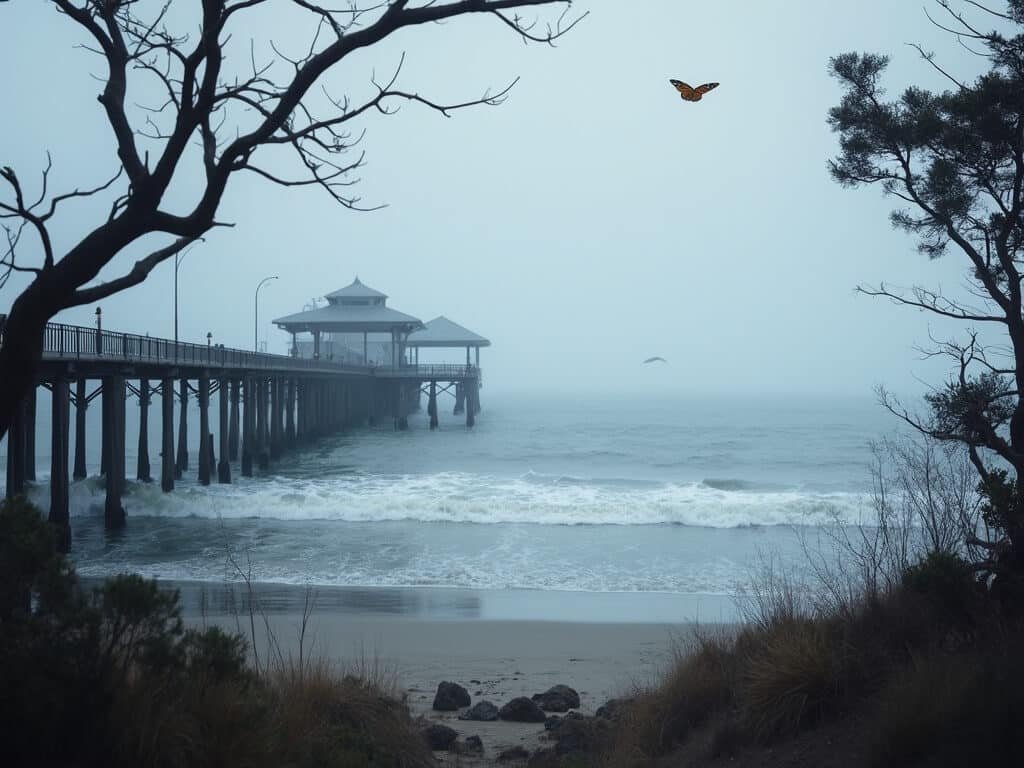
Monarch butterfly viewing hits its stride in February.
The Monarch Butterfly Grove still hosts thousands of butterflies clustering in eucalyptus trees, preparing for their spring migration.
The cooler temperatures keep them clustered together in those magical orange masses that look almost artificial in their density.
Summer visitors miss this entirely—the monarchs have dispersed by then.
Whale watching becomes exceptional.
February sits right in the sweet spot of gray whale migration along the California coast.
These magnificent creatures journey from Baja California to Alaska, passing right by Pismo’s coastline.
You can spot them from the pier if you’re patient and lucky, or join whale watching tours from nearby ports for closer encounters.
The cooler, clearer air of February often provides better visibility than hazy summer days.
Wine tasting becomes genuinely appealing.
Here’s something nobody mentions—wine tasting in hot weather is actually rubbish.
You’re already sweating, the wine gets warm in your glass, and trudging between wineries feels like work.
February weather makes exploring Edna Valley and Arroyo Grande wine regions actually pleasant.
Many wineries release special winter vintages and host intimate events that get overshadowed by summer crowds.
Beach walks reach peak perfection.
Walking Pismo Beach in February offers something summer can’t match—dramatic conditions.
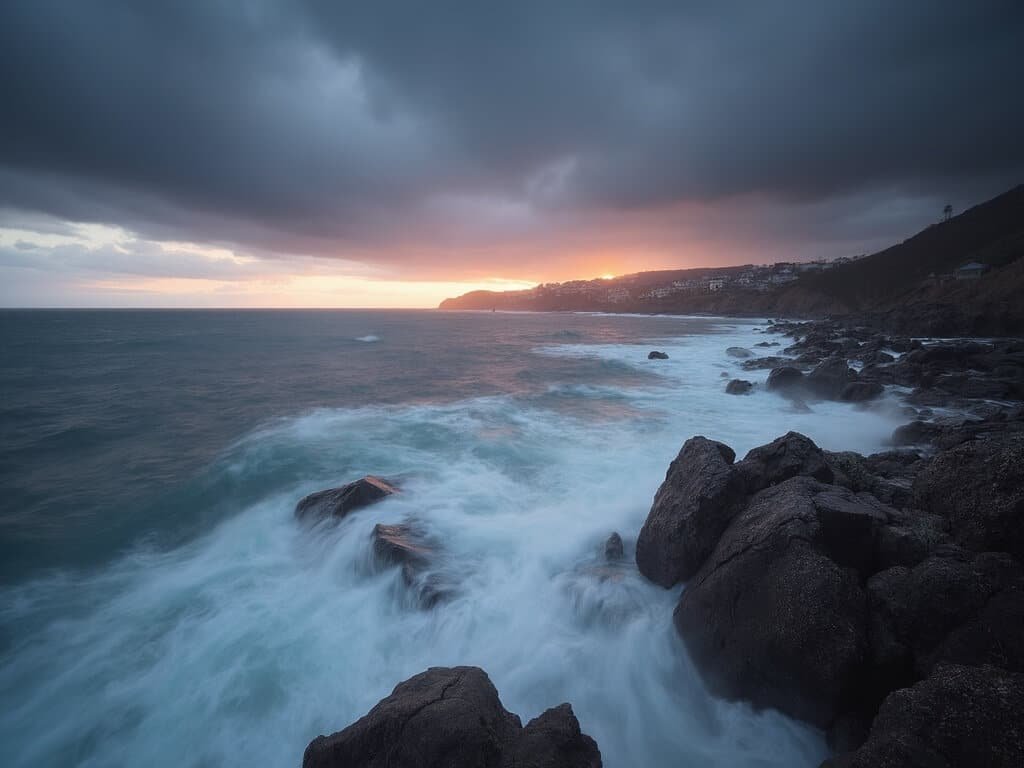
Winter swells push bigger waves against the shore, creating that powerful crash and retreat that makes the ocean feel truly wild.
Storm systems create cloud formations and light conditions that transform the coastline into something from a moody film scene.
Tide pooling improves significantly.
Lower winter tides expose tide pools that remain submerged during other months.
The cooler water temperatures bring different marine life into the intertidal zones.
You’ll spot sea stars, anemones, hermit crabs, and various molluscs without competing with dozens of children prodding everything in sight.
The key is timing your visit around the tide charts—something locals do religiously but visitors often ignore.
Hiking becomes actually enjoyable.
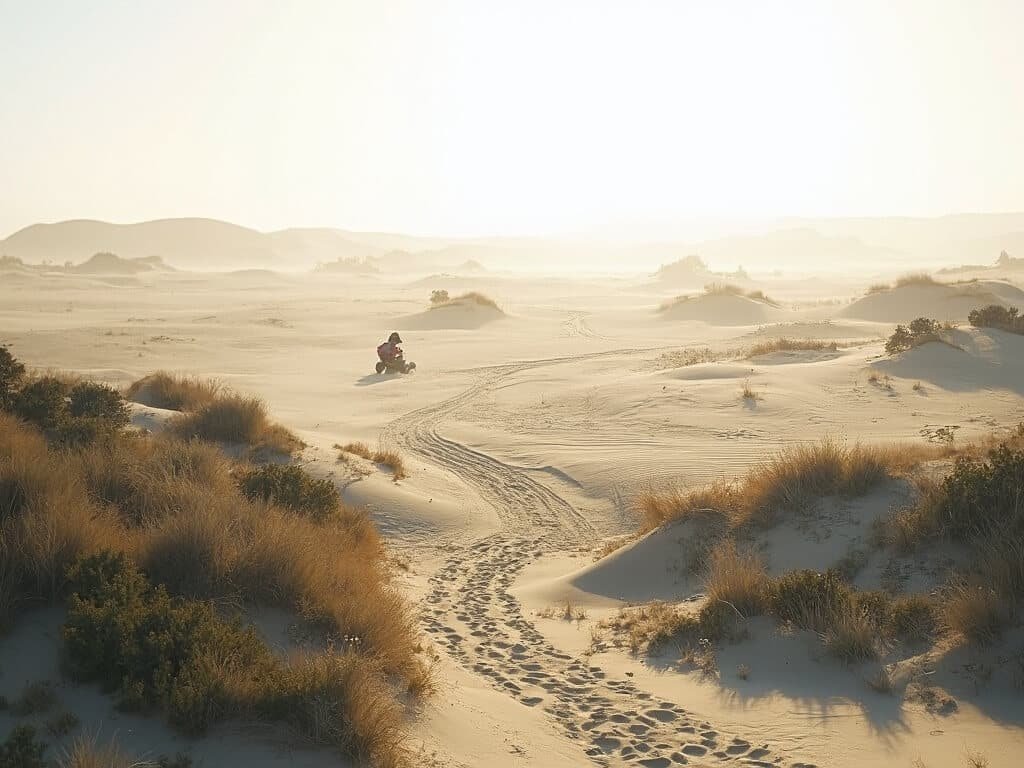
The Oceano Dunes Natural Preserve and surrounding coastal trails turn from sweat-soaked slogs into proper adventures when February temperatures hover in the 50s and 60s.
You can hike midday without risking heatstroke.
The vegetation shows more colour after winter rains.
Wildlife becomes more active in cooler weather, increasing your chances of spotting deer, rabbits, and various bird species.
ATV riding on the dunes continues year-round.
The sand dunes don’t care about the season, and neither do the off-road enthusiasts.
February conditions can actually improve the riding experience—the sand becomes more compact after rain, providing better traction.
Rental companies operate throughout winter, though you’ll want to check conditions after heavy storms.
The Food Scene Gets Personal
February dining in Pismo Beach transforms from a competitive sport into an actual culinary experience.
Splash Cafe still serves that famous clam chowder in sourdough bread bowls, but you’ll wait fifteen minutes instead of ninety.
Giuseppe’s Cucina Italiana becomes bookable on actual short notice rather than requiring reservations made before you’ve even bought your plane tickets.
Staff remember your preferences and might even comp a dessert if you’re chatty.
Local seafood restaurants showcase winter catches that differ from summer offerings.
Dungeness crab season runs through winter, meaning you’ll find it fresh and featured heavily on menus.
The oysters taste brinier and more complex in cold water months.
What changes in the restaurant landscape:
- Weekday dinners become relaxed affairs without long waits
- Bar seats actually become available for solo diners
- Staff have time to recommend their actual favourites, not just specials
- Special menus and winter wine pairings appear more frequently
- Local restaurants experiment more when they’re not slammed with tourists
The downtown farmers’ market continues through winter, albeit in slightly reduced form.
You’ll find seasonal produce like Brussels sprouts, citrus, and winter greens alongside artisanal goods from local producers.
Coffee shops become genuine hangout spots where you can claim a table and linger over your flat white without guilt about hogging prime real estate.
The Photography Advantage Nobody Mentions
If you care about capturing beautiful images—whether for social media or just personal memories—February offers conditions summer can’t touch.
The lighting changes completely.
Winter’s lower sun angle creates that golden hour glow photographers obsess over, lasting longer and appearing more dramatic than summer’s harsh overhead light.
Storm systems roll through, creating dynamic cloud formations and dramatic skies that make even phone photos look professional.
The moody, grey days that might seem disappointing actually photograph brilliantly, adding atmosphere and emotion that sunny beach shots lack.
Why February wins for photography:
- Dramatic wave action from winter swells
- Fog rolling in creates ethereal coastal scenes
- Fewer people cluttering your compositions
- Storm light provides constantly changing conditions
- Sunset colours intensify against darker clouds
- Wildlife (whales, birds, seals) more visible and active
What February Can’t Deliver (Setting Realistic Expectations)
I’d be misleading you if I painted February as perfect for everyone.
It has clear limitations that matter depending on what you value in a beach holiday.
Swimming basically doesn’t happen.
That 55°F ocean temperature isn’t a suggestion—it’s genuinely cold enough to take your breath away.
Unless you’re a hardened cold-water swimmer or planning to wear a wetsuit, swimming is off the table.
Weather unpredictability requires flexibility.
You cannot plan your February Pismo trip around guaranteed sunshine and perfect beach days.
Rain will likely interrupt at least part of your visit.
Wind might make certain activities unpleasant.
Some seasonal businesses reduce hours or close.
Certain tour operators, beach rental shops, and tourist-focused businesses either scale back winter operations or shut down entirely until spring.
The vibe shifts from energetic to contemplative.
February Pismo has a quieter, more introspective energy.
If you’re seeking that buzzing beach party atmosphere with volleyball games and outdoor concerts, you won’t find it.
Families seeking that classic crowded beach energy might find it too sedate.
Think romantic couples’ getaway or peaceful solo retreat rather than spring break vibes.
Beyond just accepting these limitations, successful February visitors actually plan around them by building flexible itineraries with indoor backup options, treating good weather as a bonus rather than an expectation, and embracing the quieter pace as a feature rather than accepting it as a bug in the system.
Related Reading:
The Accommodation Strategy That Actually Makes Sense
February completely restructures your lodging options in ways that go beyond simple price drops.
You’re not just getting cheaper rooms—you’re accessing properties that stay fully booked throughout summer.
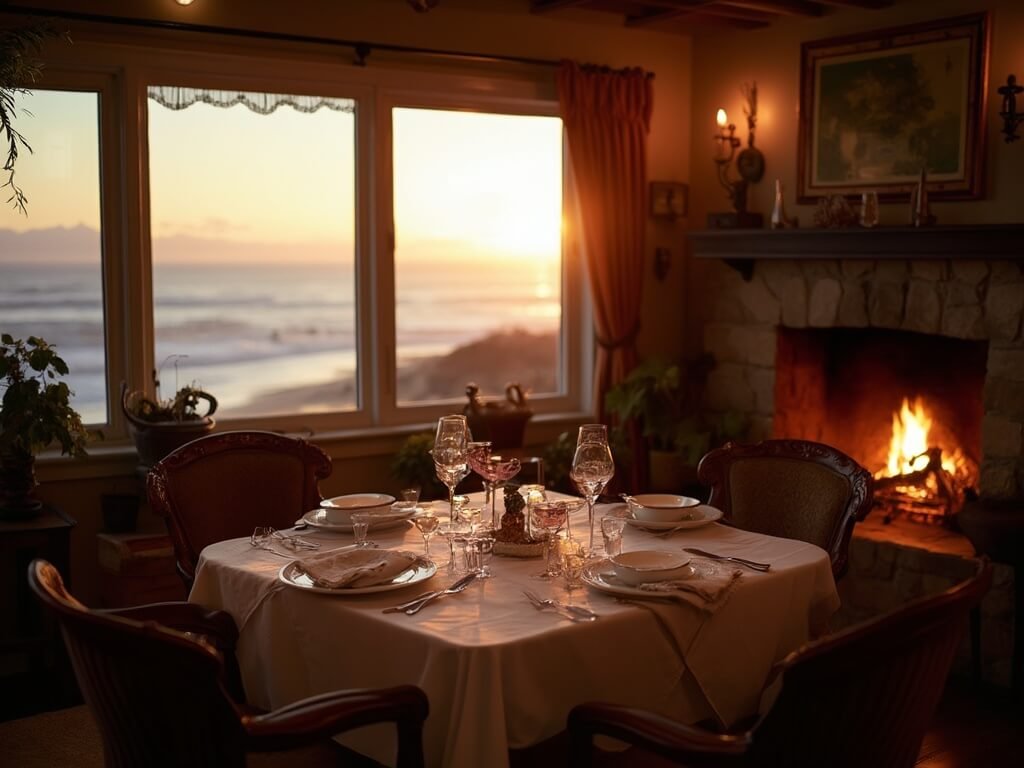
That beachfront boutique hotel with the incredible ocean views? Available.
The vacation rental house with the private deck overlooking the pier? Suddenly within budget.
The charming bed and breakfast that usually requires six-month advance bookings? They’ll welcome you with open arms.
What shifts in the accommodation landscape:
- Beachfront properties become affordable for average budgets
- Minimum stay requirements disappear or shrink dramatically
- Property owners become more flexible with check-in times and special requests
- You can actually choose your specific room rather than taking whatever’s left
- Last-minute bookings become feasible rather than impossible
The price gap narrows in February, meaning you can afford better properties without the summer premium. Shell Beach properties provide more upscale surroundings with the same dramatic ocean views at a fraction of peak prices.
Even RV parks and campgrounds operate year-round with plenty of available spots.
Strategic booking considerations:
- Ocean-view rooms justify their cost more in February when you’ll actually spend time enjoying the view
- Properties with fireplaces or heating become premium assets
- Walking distance to restaurants matters more during unpredictable weather
- Covered outdoor spaces extend your usable living areas
- Good on-site dining becomes a big win during stormy evenings
The Day Trip Opportunities That Open Up
February’s lighter traffic and clearer roads transform Pismo Beach into an ideal base for exploring the broader Central Coast region.
Hearst Castle sits just 45 minutes north and deserves every bit of its reputation. Castle tours run year-round, and February visits mean smaller groups and easier tour time availability.
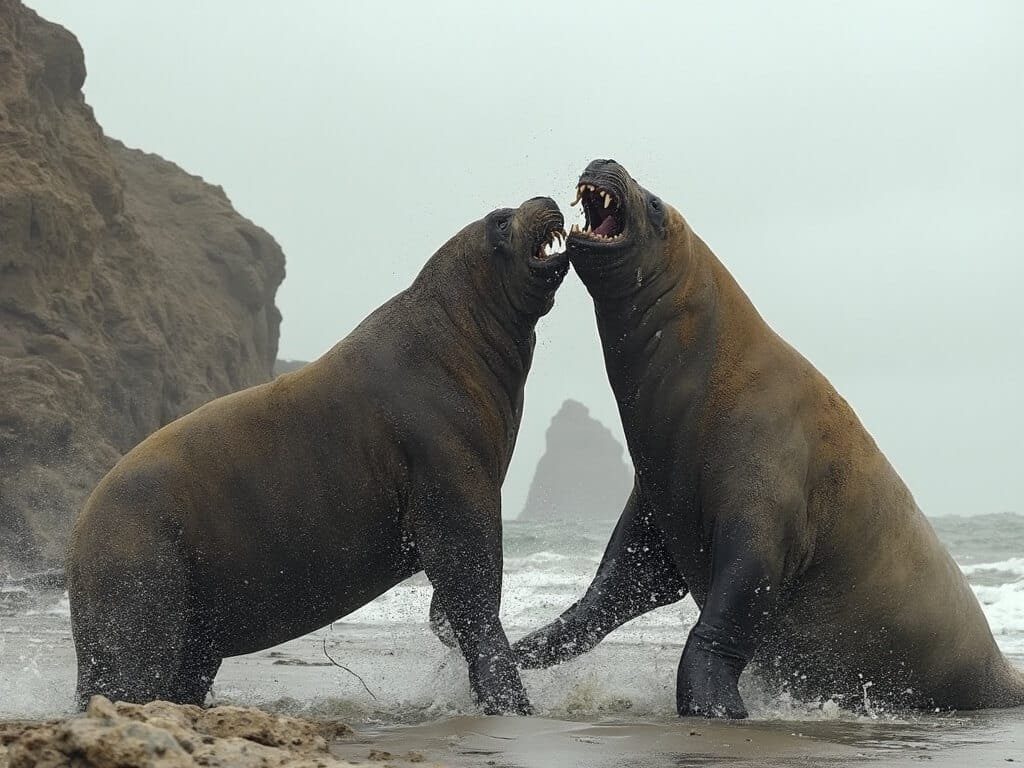
Drive up Highway 1 to see elephant seals lounging on beaches, dramatic cliff views, and actual parking at viewpoints.
San Luis Obispo (SLO) becomes a proper exploration rather than a rushed summer stop. Enjoy farmers’ markets, quirky attractions like Bubblegum Alley, and wine tasting in Edna Valley wineries.
Morro Bay is just 20 minutes north and offers harbor walks, kayaking, and winter bird watching in Morro Bay State Park.
Avila Beach brings a quieter microclimate just 10 minutes away, perfect for serene promenade strolls.
Santa Barbara, about 90 minutes south, is a feasible day trip in February thanks to low traffic. Spanish colonial architecture and upscale dining await in the “American Riviera.”
Explore these places at your own pace without planning months ahead. February makes spontaneity possible.
The Wildlife Encounters That Define February
Between 20,000 and 30,000 gray whales pass along the California coast during their annual migration. The Pismo Beach in February travel guide highlights these incredible sightings from both shore and boat tours.
Visit the Piedras Blancas rookery to observe elephant seals during pupping and molting. It’s free, accessible, and unforgettable.
Harbor seals and sea lions are more active in winter and often seen around the pier or in kelp beds.
Bird diversity peaks—Oceano Lagoon attracts sandpipers, herons, cormorants, and more, making it a birding hotspot.
And don’t miss the Monarch Butterfly Grove. Thousands of monarchs cluster in eucalyptus trees, with interpretive signs and passionate docents enhancing the experience.
The Practical Details That Determine Success
Proper preparation keeps February Pismo visits enjoyable despite the weather variability.
Transportation Tips:
- Rental cars are essential
- Fly into San Luis Obispo or Santa Barbara airports
- Consider longer California trips using LA or San Jose airports
Packing Tips:
- Layered clothing is a must
- Waterproof boots, compact umbrella
- Reusable mugs and bottles save money
Tech and Planning:
- WiFi is available, but confirm for remote work
- Use tide tables and February weather forecast for Pismo Beach to plan outings
Dining and Pet-Friendly Tips:
- Restaurants cater to dietary needs with shorter waits
- Pets are more welcome during off-season
The Money Math That Changes Everything
A February trip to Pismo Beach can save you over 35% compared to summer costs.
Sample Summer Trip: £1,700
February Equivalent: £1,100
Better still, you enjoy upgrades, spontaneous activities, and longer stays without breaking your budget.
Why Locals Guard February Like A Secret
Locals prefer February tourists because they’re more curious, respectful, and engaged.
Service workers have time to talk, provide recommendations, and share stories. Local events feel authentic rather than commercialized.
Off-season travelers value the essence of the town, not just the Instagram shots.
The Romantic Angle Nobody Expects
February in Pismo Beach offers natural romance—dramatic views, empty beaches, cozy rooms, and genuine intimacy.
Properties with fireplaces and ocean views become affordable, and innkeepers offer personal touches.
It’s ideal for anniversaries, reconnection trips, or even spontaneous romantic escapes.
The Solo Travel Case That Writes Itself
February removes the isolation that solo travelers often feel in summer destinations.
Friendly locals, relaxed pacing, and safety make Pismo Beach ideal for introspective solo journeys.
Affordable pricing and easy planning allow you to explore spontaneously and connect with the community.
The Hidden Health Angle
The ocean air, seasonal light, and movement through beach walks and hikes offer mental health benefits.
The quieter environment supports better sleep and reduced stress, making February in Pismo a true reset for weary minds.
What The Future Holds For February Tourism
Off-season travel is trending up with remote workers, value-seekers, and authenticity-focused travelers.
Locals and businesses are responding by staying open year-round, but the essential vibe of February remains protected by its unique appeal.
The Simple Truth About Pismo Beach In February
February trades guaranteed warmth for wildlife, peace, and authenticity. For the right traveler, it offers unmatched value and experience.
If that resonates, this might be your new favorite time to visit the Central Coast.
Want more info? Check the Pismo Beach in February travel guide or explore the February weather forecast for Pismo Beach to prepare your trip.